Tivnan Amanda, Heilinger Tatjana, Ramsey Joanne M, O'Connor Gemma, Pokorny Jenny L, Sarkaria Jann N, Stringer Brett W, Day Bryan W, Boyd Andrew W, Kim Ella L, Lode Holger N, Cryan Sally-Ann, Prehn Jochen H M
Centre for Systems Medicine, Department of Physiology and Medical Physics, Royal College of Surgeons in Ireland, York House, Dublin 2, Ireland.
IMC Fachhochschule Krems, University of Applied Sciences, Krems, Austria.
Oncotarget. 2017 Mar 7;8(10):16605-16620. doi: 10.18632/oncotarget.15073.
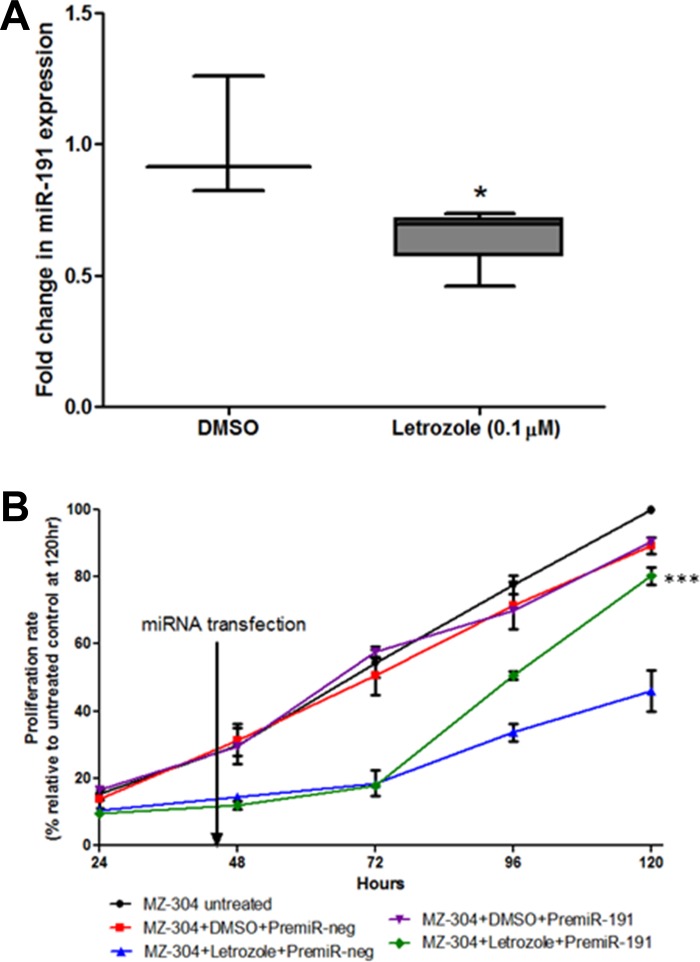
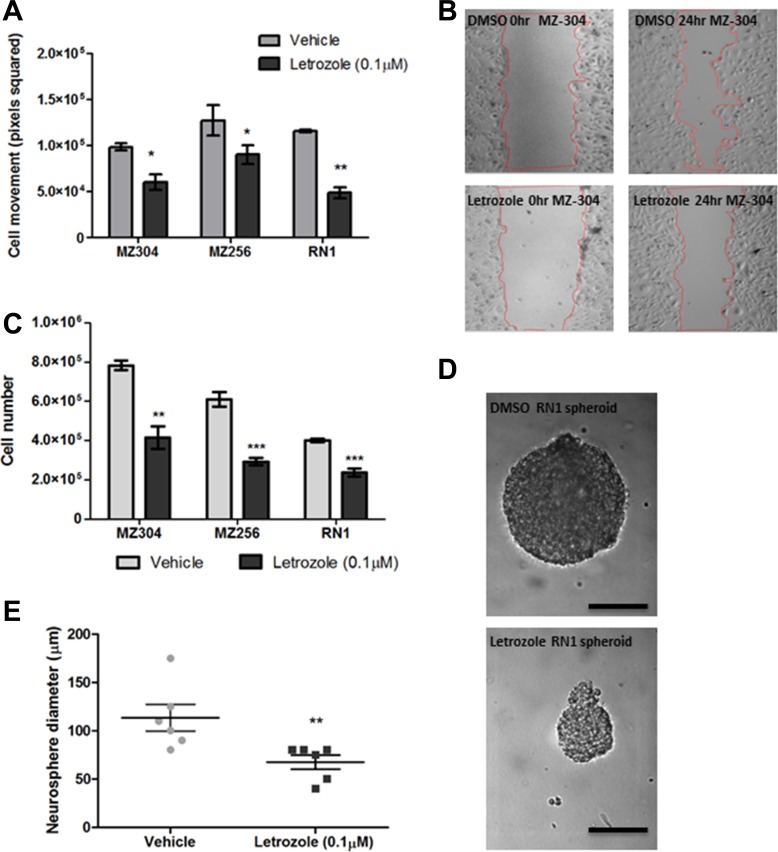
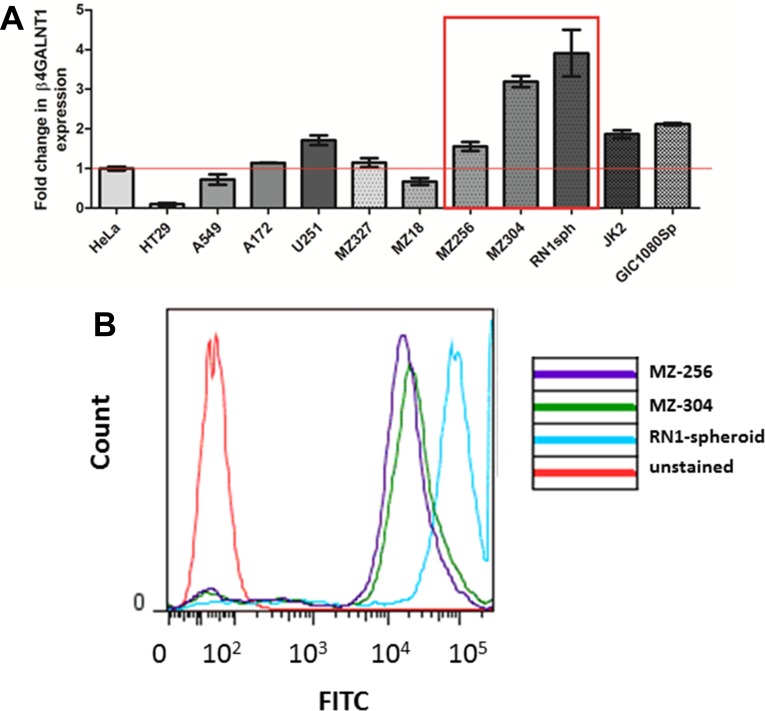
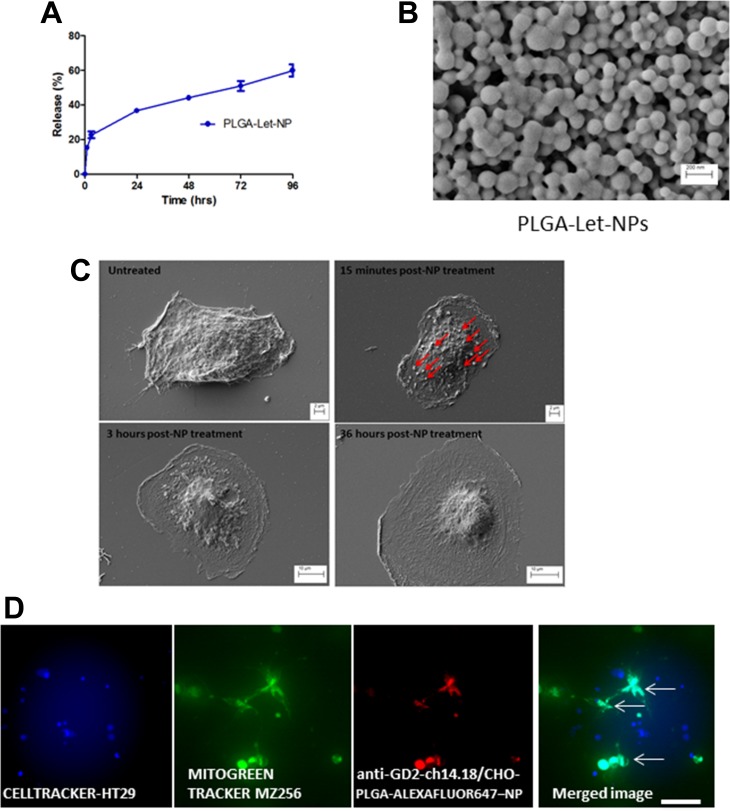
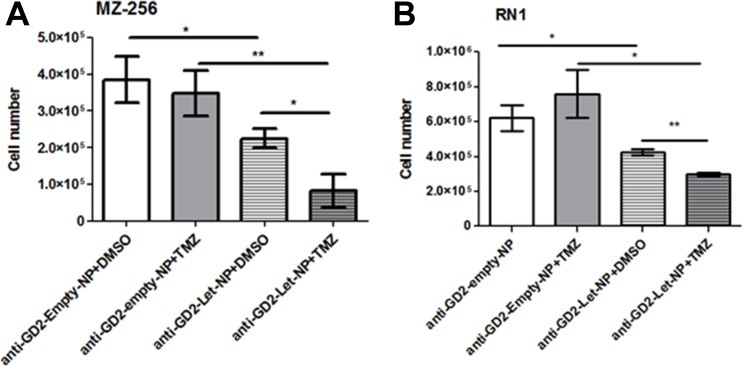
Aromatase is a critical enzyme in the irreversible conversion of androgens to oestrogens, with inhibition used clinically in hormone-dependent malignancies. We tested the hypothesis that targeted aromatase inhibition in an aggressive brain cancer called glioblastoma (GBM) may represent a new treatment strategy. In this study, aromatase inhibition was achieved using third generation inhibitor, Letrozole, encapsulated within the core of biodegradable poly lactic-co-glycolic acid (PLGA) nanoparticles (NPs). PLGA-NPs were conjugated to human/mouse chimeric anti-GD2 antibody ch14.18/CHO, enabling specific targeting of GD2-positive GBM cells. Treatment of primary and recurrent patient-derived GBM cells with free-Letrozole (0.1 μM) led to significant decrease in cell proliferation and migration; in addition to reduced spheroid formation. Anti-GD2-ch14.18/CHO-NPs displayed specific targeting of GBM cells in colorectal-glioblastoma co-culture, with subsequent reduction in GBM cell numbers when treated with anti-GD2-ch14.18-PLGA-Let-NPs in combination with temozolomide. As miR-191 is an estrogen responsive microRNA, its expression, fluctuation and role in Letrozole treated GBM cells was evaluated, where treatment with premiR-191 was capable of rescuing the reduced proliferative phenotype induced by aromatase inhibitor. The repurposing and targeted delivery of Letrozole for the treatment of GBM, with the potential role of miR-191 identified, provides novel avenues for target assessment in this aggressive brain cancer.
芳香化酶是雄激素不可逆转化为雌激素过程中的关键酶,其抑制剂在激素依赖性恶性肿瘤的临床治疗中得到应用。我们测试了以下假设:在一种侵袭性脑癌——胶质母细胞瘤(GBM)中靶向抑制芳香化酶可能代表一种新的治疗策略。在本研究中,使用封装在可生物降解的聚乳酸-乙醇酸共聚物(PLGA)纳米颗粒(NPs)核心内的第三代抑制剂来曲唑实现芳香化酶抑制。PLGA-NPs与人/鼠嵌合抗GD2抗体ch14.18/CHO偶联,能够特异性靶向GD2阳性的GBM细胞。用游离来曲唑(0.1μM)处理原发性和复发性患者来源的GBM细胞导致细胞增殖和迁移显著减少;此外,球体形成也减少。抗GD2-ch14.18/CHO-NPs在结肠直肠癌-胶质母细胞瘤共培养中显示出对GBM细胞的特异性靶向作用,当与替莫唑胺联合使用抗GD2-ch14.18-PLGA-来曲唑-NPs处理时,随后GBM细胞数量减少。由于miR-191是一种雌激素反应性微小RNA,因此评估了其在来曲唑处理的GBM细胞中的表达、波动及作用,其中用pre-miR-191处理能够挽救由芳香化酶抑制剂诱导的增殖表型降低。来曲唑用于治疗GBM的重新利用和靶向递送,以及所确定的miR-191的潜在作用,为这种侵袭性脑癌的靶点评估提供了新途径。