University of Manitoba, Winnipeg, Canada.
National Microbiology Laboratory, Public health Agency of Canada, Winnipeg, Canada.
Sci Rep. 2017 Feb 9;7:42147. doi: 10.1038/srep42147.
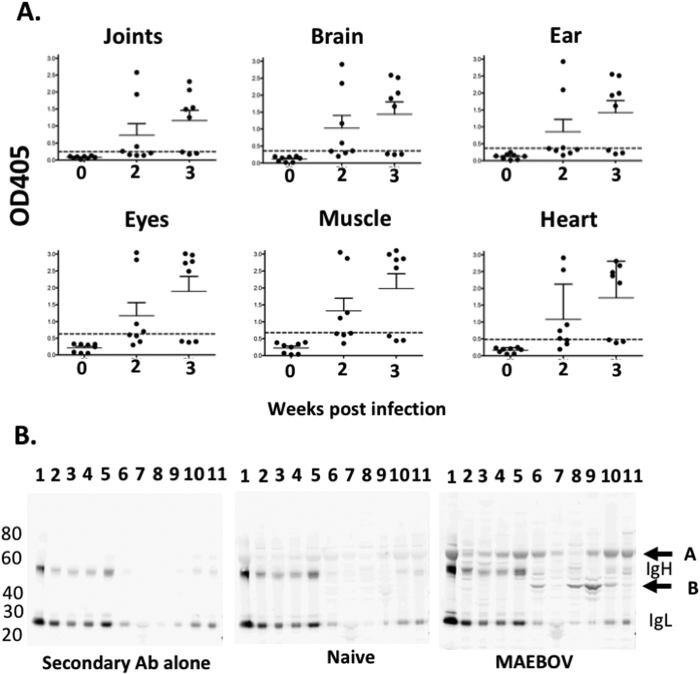
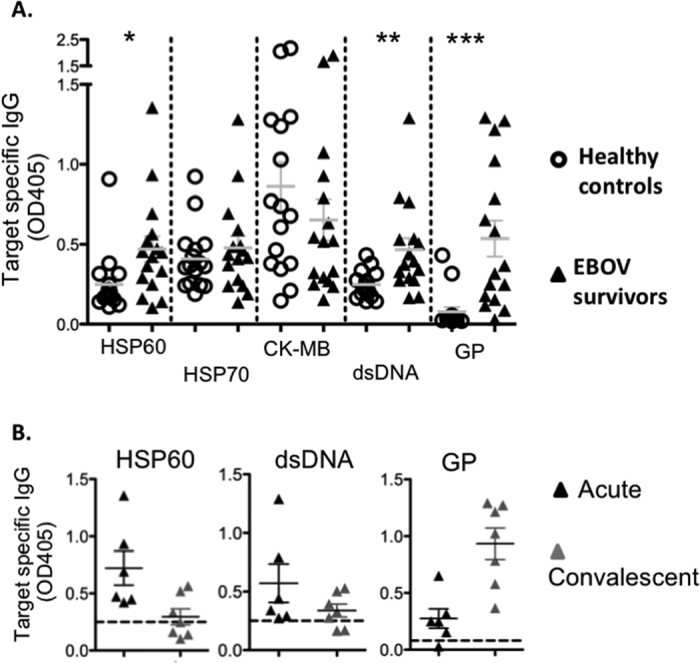
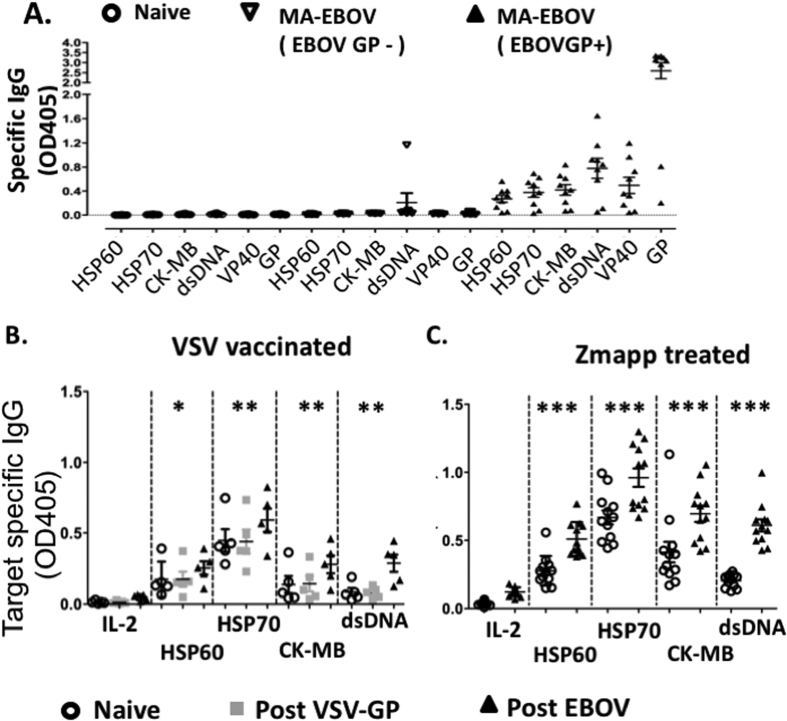
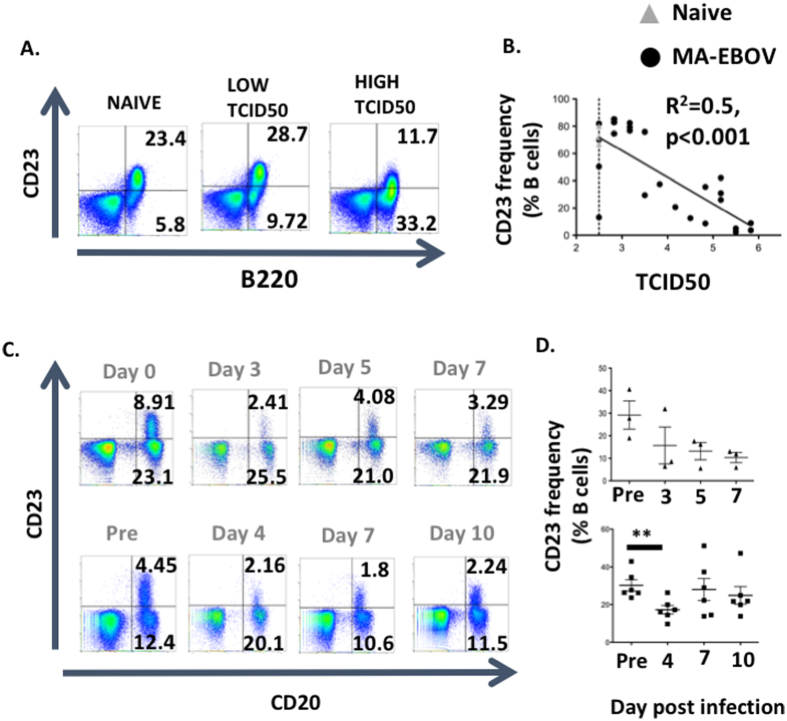
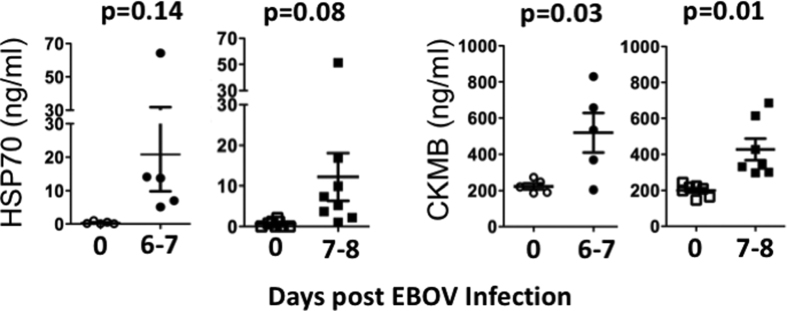
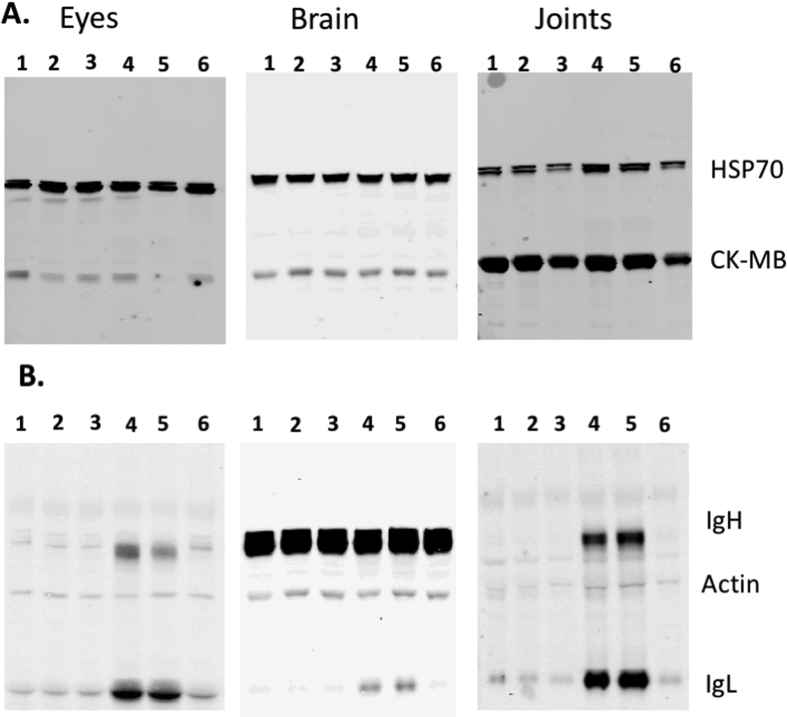
Ebola virus (EBOV) survivors are affected by a variety of serious illnesses of unknown origin for years after viral clearance from the circulation. Identifying the causes of these persistent illnesses is paramount to develop appropriate therapeutic protocols. In this study, using mouse and non-human primates which survived EBOV challenge, ELISA, western blot, mass spectrometry and flow cytometry were used to screen for autoantibodies, identify their main targets, investigate the mechanism behind their induction and monitor autoantibodies accumulation in various tissues. In infected mice and NHP, polyclonal B cell activation and autoantigens secretion induced autoantibodies against dsDNA and heat shock protein 60 as well as antibody accumulation in tissues associated with long-term clinical manifestations in humans. Finally, the presence of these autoantibodies was confirmed in human EBOV survivors. Overall, this study supports the concept that autoimmunity is a causative parameter that contributes to the various illnesses observed in EBOV survivors.
埃博拉病毒 (EBOV) 幸存者在清除病毒后多年仍会受到多种来源不明的严重疾病的影响。确定这些持续性疾病的原因对于制定适当的治疗方案至关重要。在这项研究中,使用感染 EBOV 后幸存的小鼠和非人类灵长类动物,通过 ELISA、western blot、质谱和流式细胞术来筛选自身抗体,鉴定其主要靶标,研究其诱导机制,并监测自身抗体在各种组织中的积累。在感染的小鼠和 NHP 中,多克隆 B 细胞激活和自身抗原分泌诱导针对 dsDNA 和热休克蛋白 60 的自身抗体以及与人类长期临床表现相关的组织中抗体的积累。最后,在人类 EBOV 幸存者中证实了这些自身抗体的存在。总的来说,这项研究支持了自身免疫是导致 EBOV 幸存者出现各种疾病的一个致病因素的概念。