Department of Physics King's College London , Strand, London WC2R 2LS, United Kingdom.
Department of Chemistry, Cambridge University , Lensfield Road, Cambridge CB2 1EW, United Kingdom.
ACS Appl Mater Interfaces. 2017 Mar 8;9(9):7885-7890. doi: 10.1021/acsami.6b15986. Epub 2017 Feb 22.
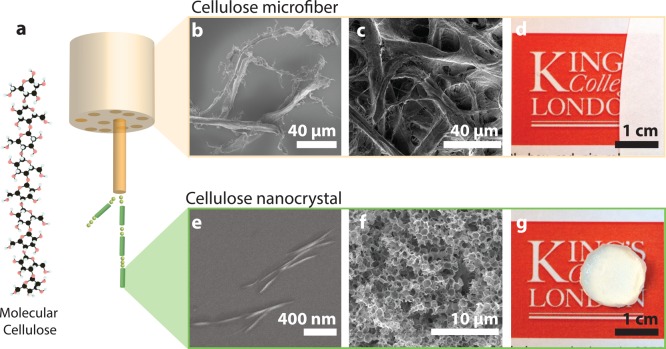
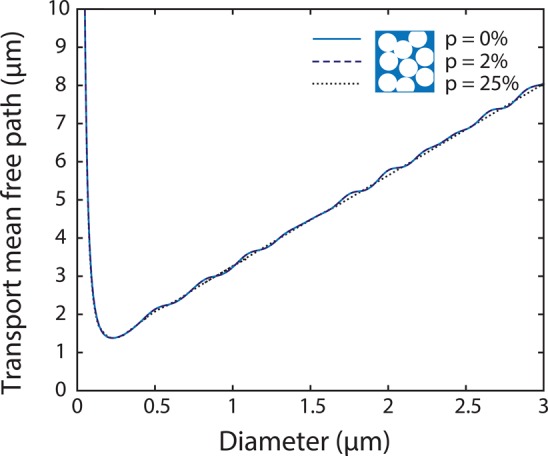
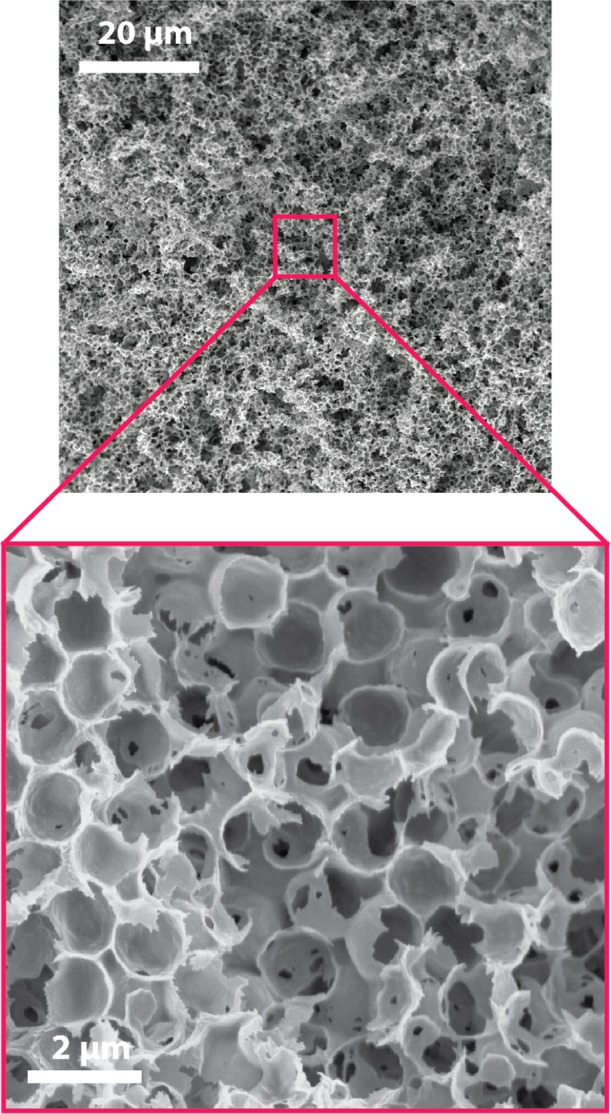
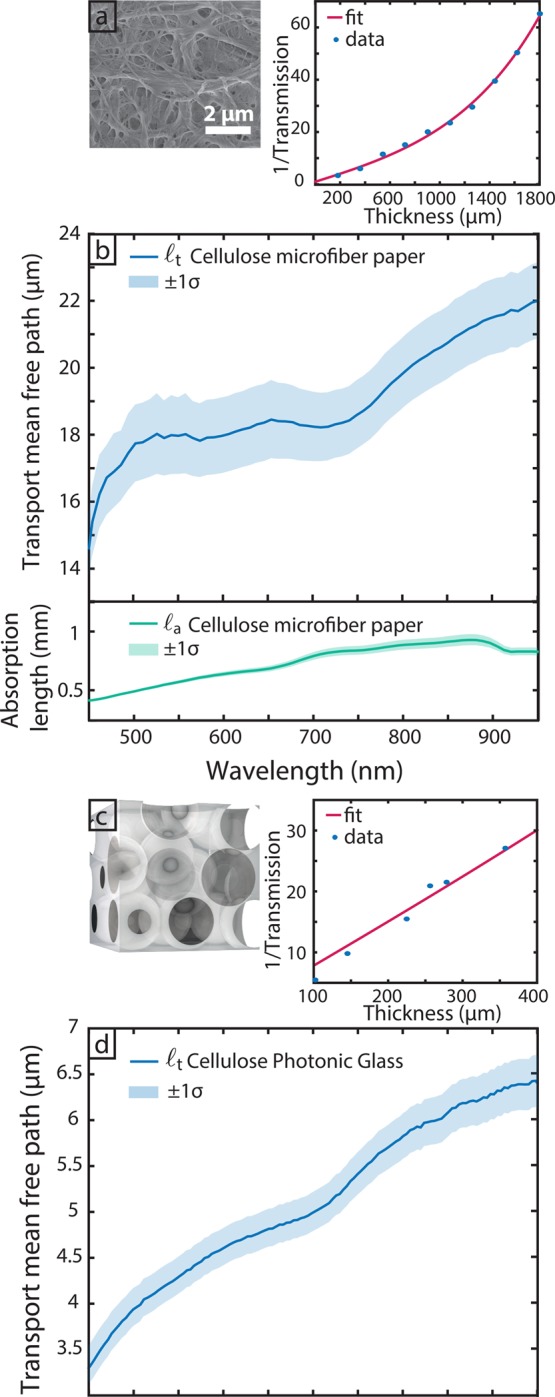
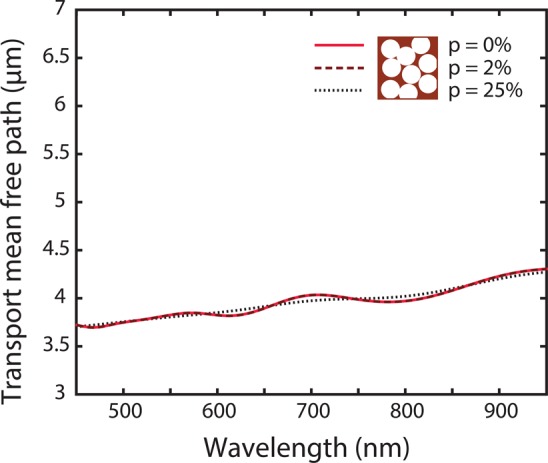
Cellulose is the most abundant biopolymer on Earth. Cellulose fibers, such as the one extracted form cotton or woodpulp, have been used by humankind for hundreds of years to make textiles and paper. Here we show how, by engineering light-matter interaction, we can optimize light scattering using exclusively cellulose nanocrystals. The produced material is sustainable, biocompatible, and when compared to ordinary microfiber-based paper, it shows enhanced scattering strength (×4), yielding a transport mean free path as low as 3.5 μm in the visible light range. The experimental results are in a good agreement with the theoretical predictions obtained with a diffusive model for light propagation.
纤维素是地球上最丰富的生物聚合物。纤维素纤维,如从棉花或木浆中提取的纤维,已经被人类使用了数百年,用于制造纺织品和纸张。在这里,我们展示了如何通过工程化光物质相互作用,仅使用纤维素纳米晶体来优化光散射。所生产的材料是可持续的、生物相容的,与普通基于微纤维的纸张相比,它显示出增强的散射强度(×4),在可见光范围内产生低至 3.5μm 的传输平均自由程。实验结果与通过光传播的扩散模型获得的理论预测非常吻合。