Conley Sabena M, Abais-Battad Justine M, Yuan Xinxu, Zhang Qinghua, Boini Krishna M, Li Pin-Lan
Department of Pharmacology & Toxicology, Virginia Commonwealth University, School of Medicine, Richmond, VA 23298, USA.
Department of Pharmacology & Toxicology, Virginia Commonwealth University, School of Medicine, Richmond, VA 23298, USA; Department of Pharmacological and Pharmaceutical Sciences, College of Pharmacy, University of Houston, Houston, TX 77204, USA.
Free Radic Biol Med. 2017 May;106:236-244. doi: 10.1016/j.freeradbiomed.2017.02.027. Epub 2017 Feb 11.
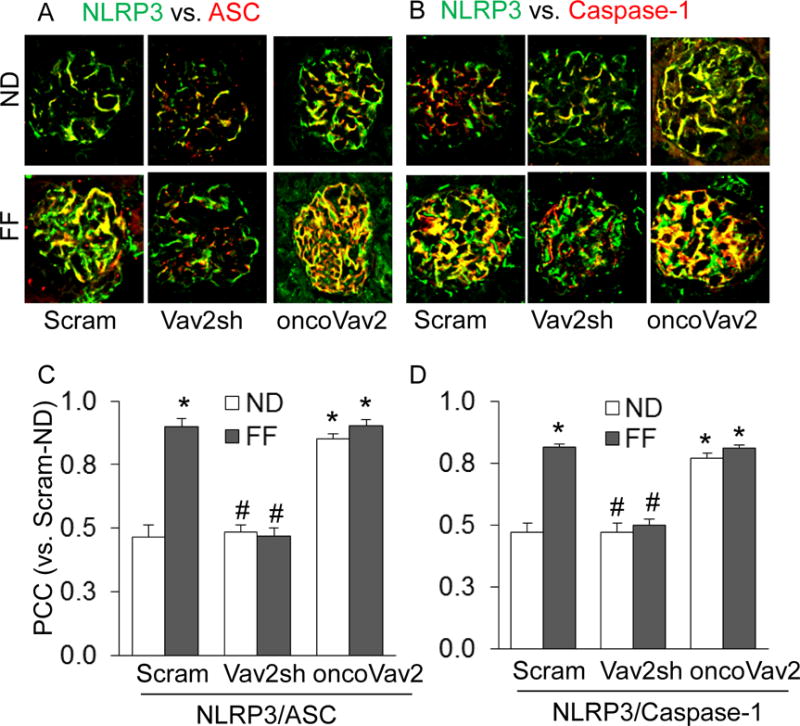
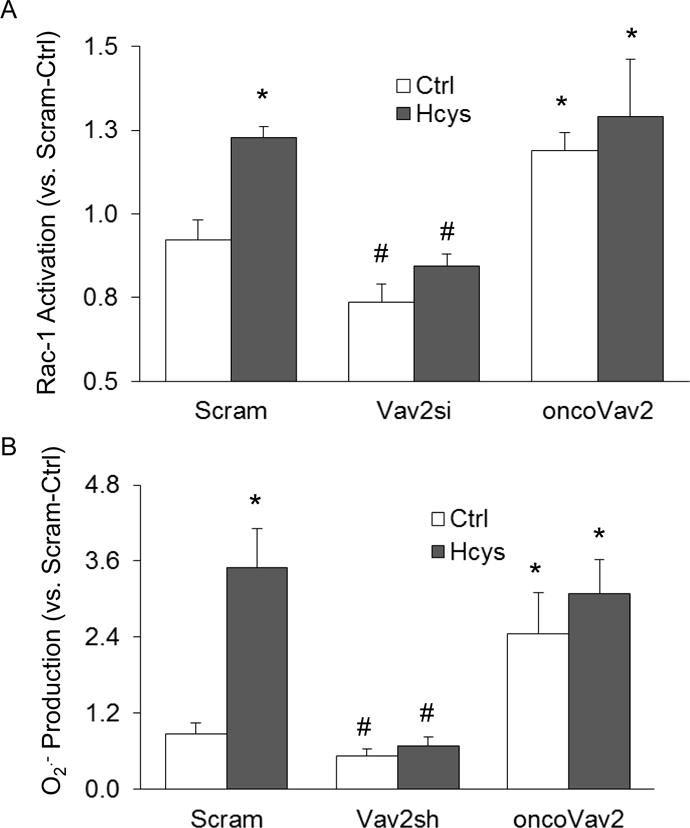
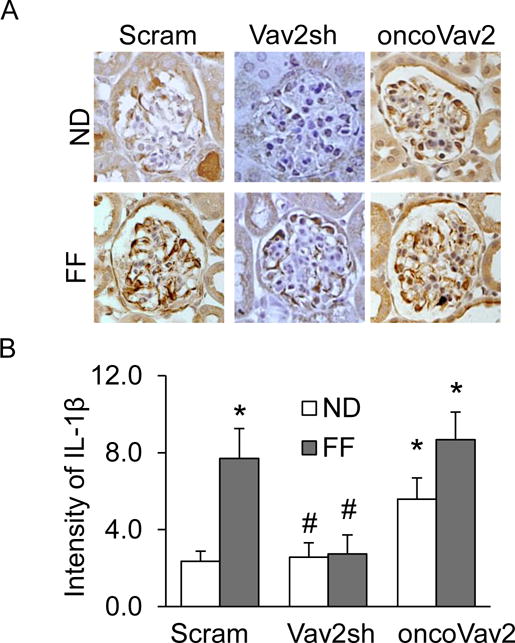
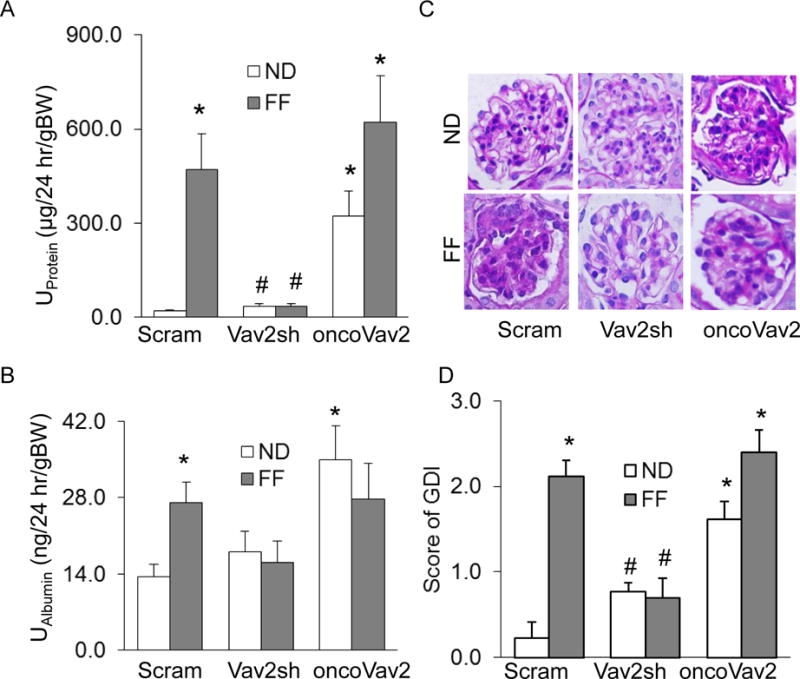
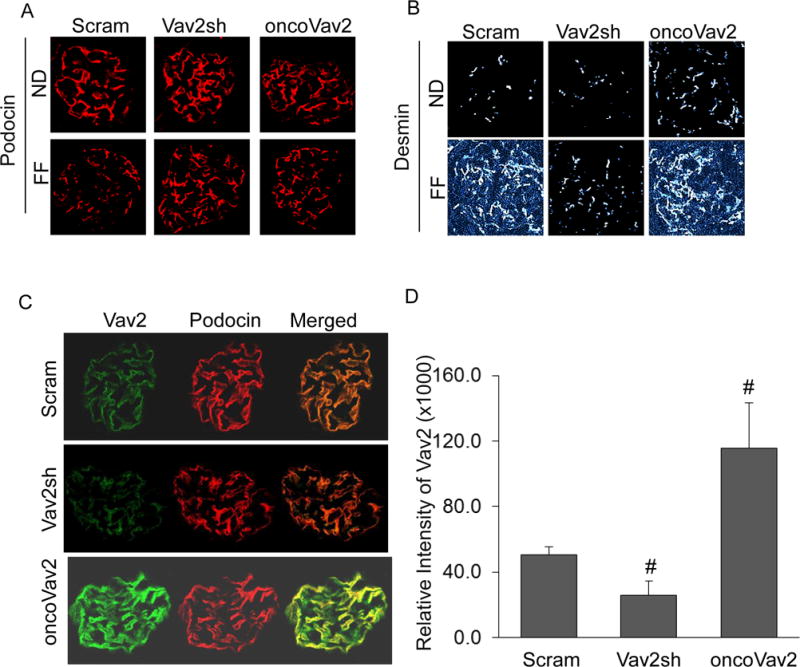
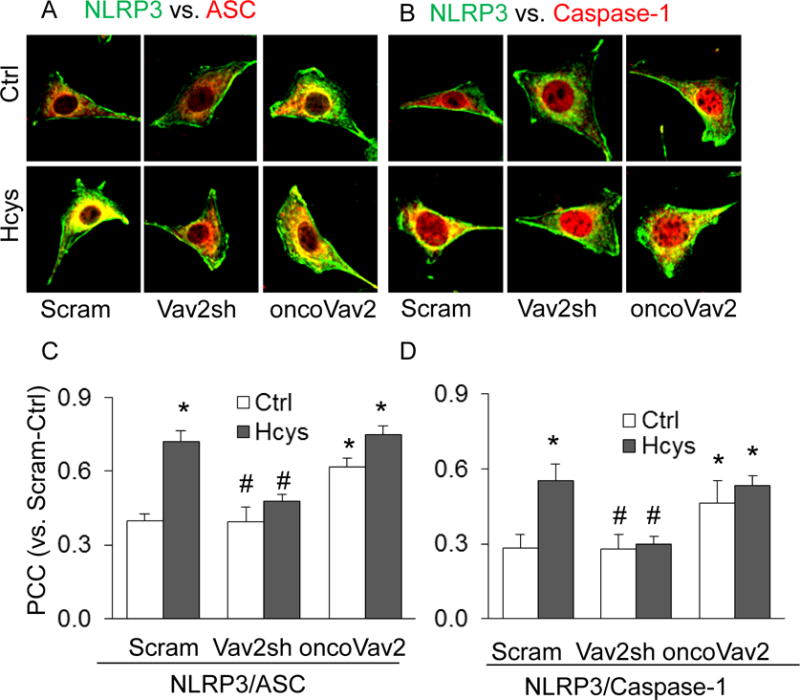
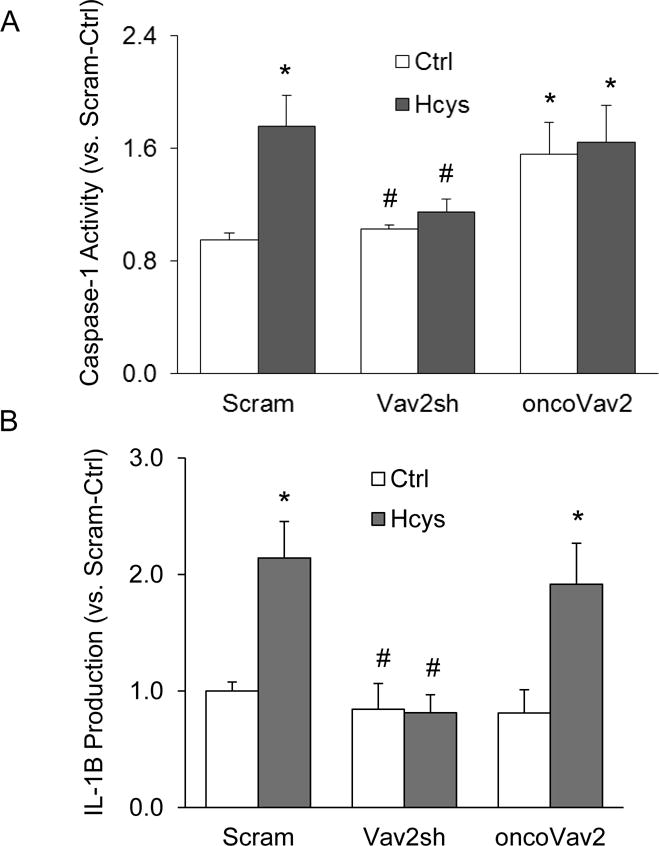
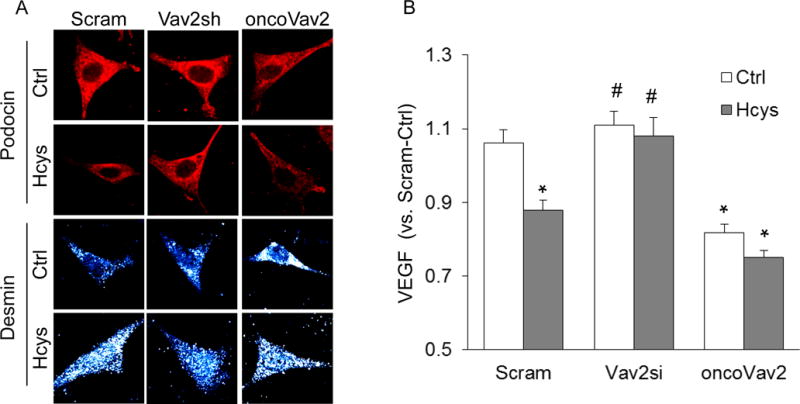
NADPH oxidase (NOX)-derived reactive oxygen species (ROS) have been demonstrated to mediate the activation of NOD-like receptor protein 3 (NLRP3) inflammasomes in podocytes in response to elevated levels of homocysteine (Hcys). However, it remains unknown how NLRP3 inflammasome activation is triggered by NOX. The present study tested whether the guanine nucleotide exchange factor Vav2 mediates Rac1-mediated NOX activation in response to elevated Hcys leading to NLRP3 inflammasome activation in podocytes and consequent glomerular injury. In a mouse model of hyperhomocysteinemia (hHcys), we found that mice with hHcys (on the FF diet) or oncoVav2 (a constitutively active form of Vav2) transfection in the kidney exhibited increased colocalization of NLRP3 with apoptosis-associated speck-like protein (ASC) or caspase-1 and elevated IL-1β levels in glomeruli, indicating the formation and activation of the NLRP3 inflammasome. This glomerular NLRP3 inflammasome activation was accompanied by podocyte dysfunction and glomerular injury, even sclerosis. Local transfection of Vav2 shRNA plasmids significantly attenuated hHcys-induced NLRP3 inflammasome activation, podocyte injury, and glomerular sclerosis. In cultured podocytes, Hcys treatment and oncoVav2 transfection were also found to increase NLRP3 inflammasome formation and activation, which were all inhibited by Vav2 shRNA. Furthermore, Vav2 shRNA prevented Hcys-induced podocyte damage as shown by restoring Hcys-impaired VEGF secretion and podocin production. This inhibitory action of Vav2 shRNA on Hcys-induced podocyte injury was associated with reduction of Rac1 activity and ROS production. These results suggest that elevated Hcys levels activate Vav2 and thereby increase NOX activity leading to ROS production, which triggers NLRP3 inflammasome activation, podocyte dysfunction and glomerular injury.
已证实烟酰胺腺嘌呤二核苷酸磷酸氧化酶(NOX)衍生的活性氧(ROS)可介导足细胞中NOD样受体蛋白3(NLRP3)炎性小体的激活,以响应同型半胱氨酸(Hcys)水平的升高。然而,NOX如何触发NLRP3炎性小体的激活仍不清楚。本研究测试了鸟嘌呤核苷酸交换因子Vav2是否介导Rac1介导的NOX激活,以响应升高的Hcys,从而导致足细胞中NLRP3炎性小体的激活及随后的肾小球损伤。在高同型半胱氨酸血症(hHcys)小鼠模型中,我们发现患有hHcys(食用FF饮食)或在肾脏中转染癌基因Vav2(Vav2的组成型活性形式)的小鼠,其肾小球中NLRP3与凋亡相关斑点样蛋白(ASC)或半胱天冬酶-1的共定位增加,且IL-1β水平升高,表明NLRP3炎性小体的形成和激活。这种肾小球NLRP3炎性小体的激活伴随着足细胞功能障碍和肾小球损伤,甚至硬化。局部转染Vav2 shRNA质粒可显著减轻hHcys诱导的NLRP3炎性小体激活、足细胞损伤和肾小球硬化。在培养的足细胞中,还发现Hcys处理和癌基因Vav2转染会增加NLRP3炎性小体的形成和激活,而这些均被Vav2 shRNA抑制。此外,Vav2 shRNA可防止Hcys诱导的足细胞损伤,这表现为恢复Hcys受损的血管内皮生长因子(VEGF)分泌和足突蛋白产生。Vav2 shRNA对Hcys诱导的足细胞损伤的这种抑制作用与Rac1活性和ROS产生的降低有关。这些结果表明,升高的Hcys水平激活Vav2,从而增加NOX活性导致ROS产生,进而触发NLRP3炎性小体激活、足细胞功能障碍和肾小球损伤。