Wolfson Rachel L, Chantranupong Lynne, Wyant Gregory A, Gu Xin, Orozco Jose M, Shen Kuang, Condon Kendall J, Petri Sabrina, Kedir Jibril, Scaria Sonia M, Abu-Remaileh Monther, Frankel Wayne N, Sabatini David M
Whitehead Institute for Biomedical Research and Massachusetts Institute of Technology, Department of Biology, 9 Cambridge Center, Cambridge, Massachusetts 02142, USA.
Howard Hughes Medical Institute, Department of Biology, Massachusetts Institute of Technology, Cambridge, Massachusetts 02139, USA.
Nature. 2017 Mar 16;543(7645):438-442. doi: 10.1038/nature21423. Epub 2017 Feb 15.
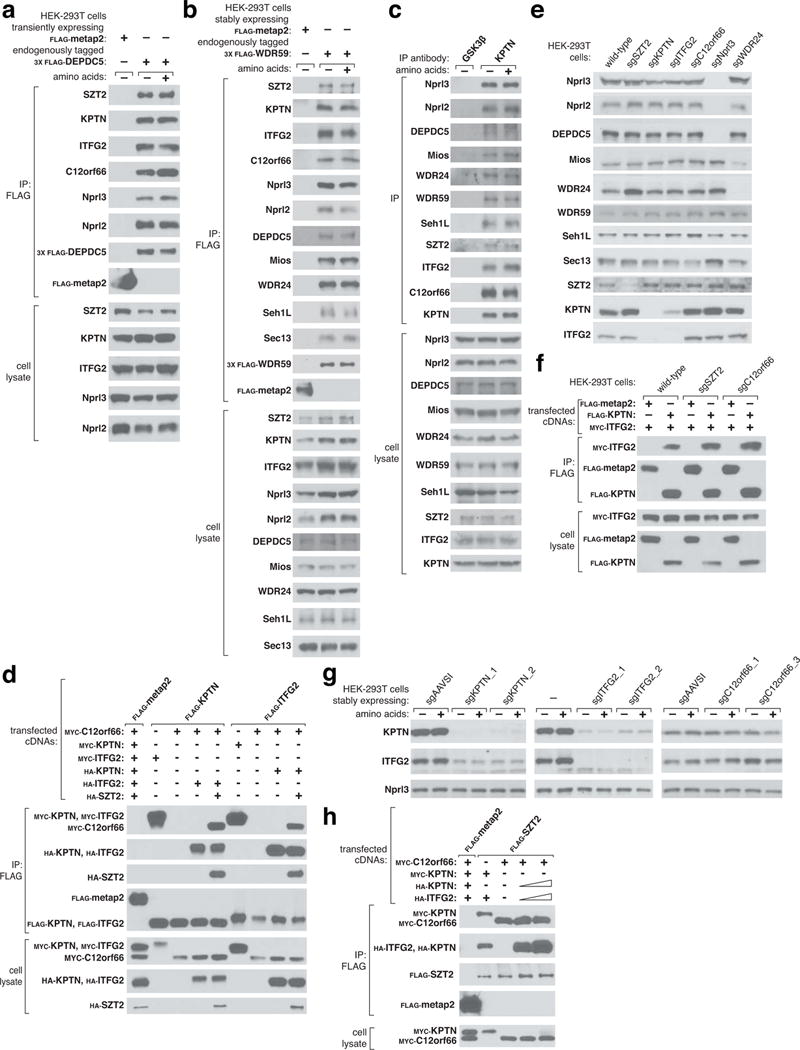
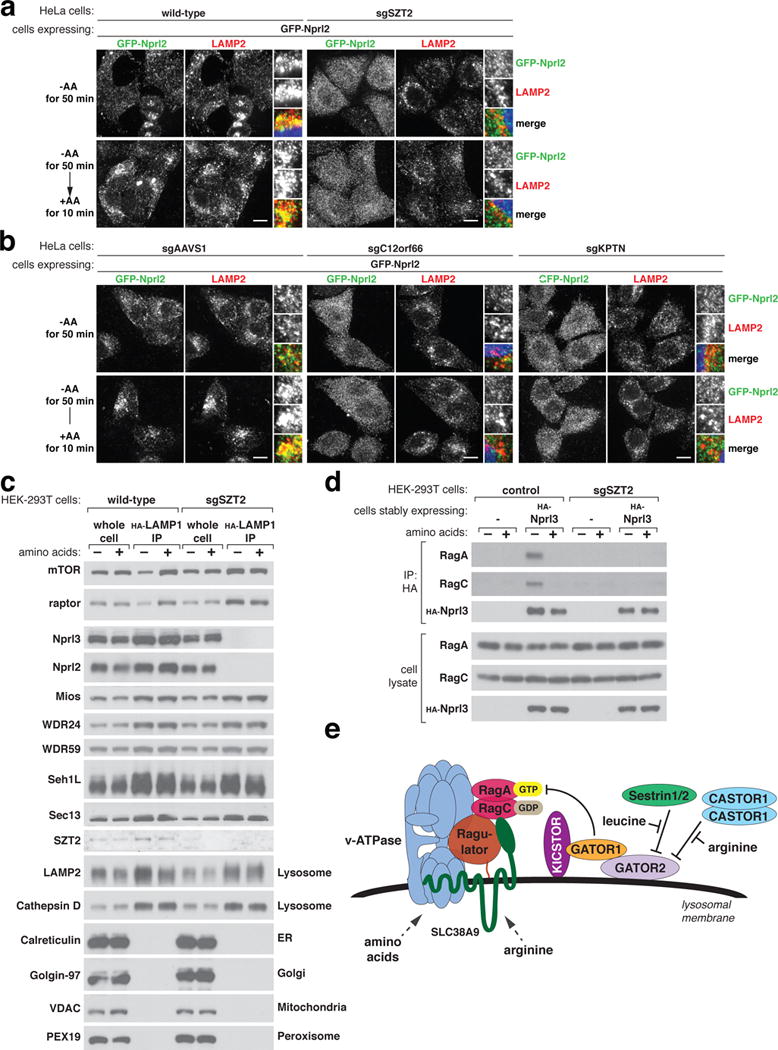
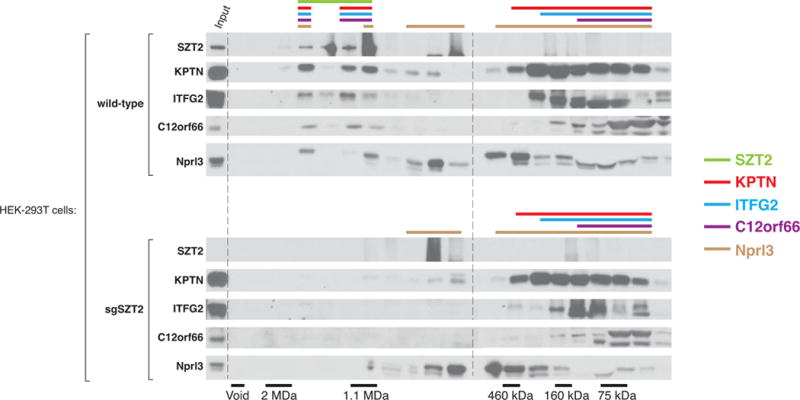
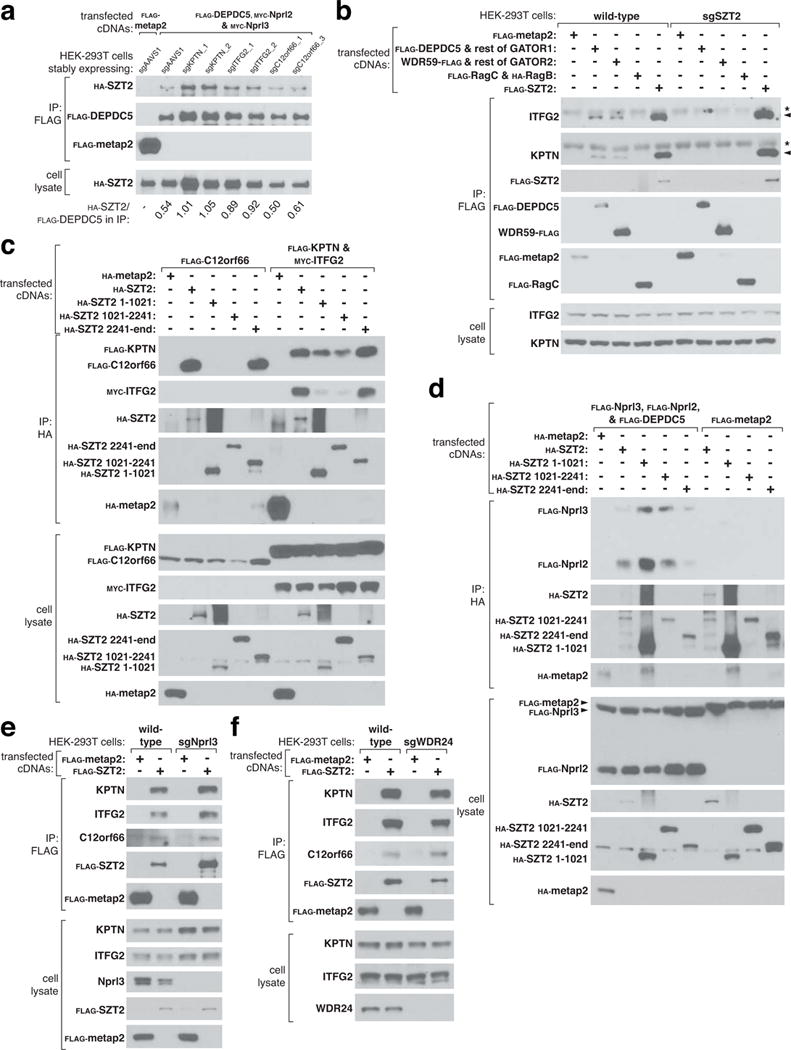
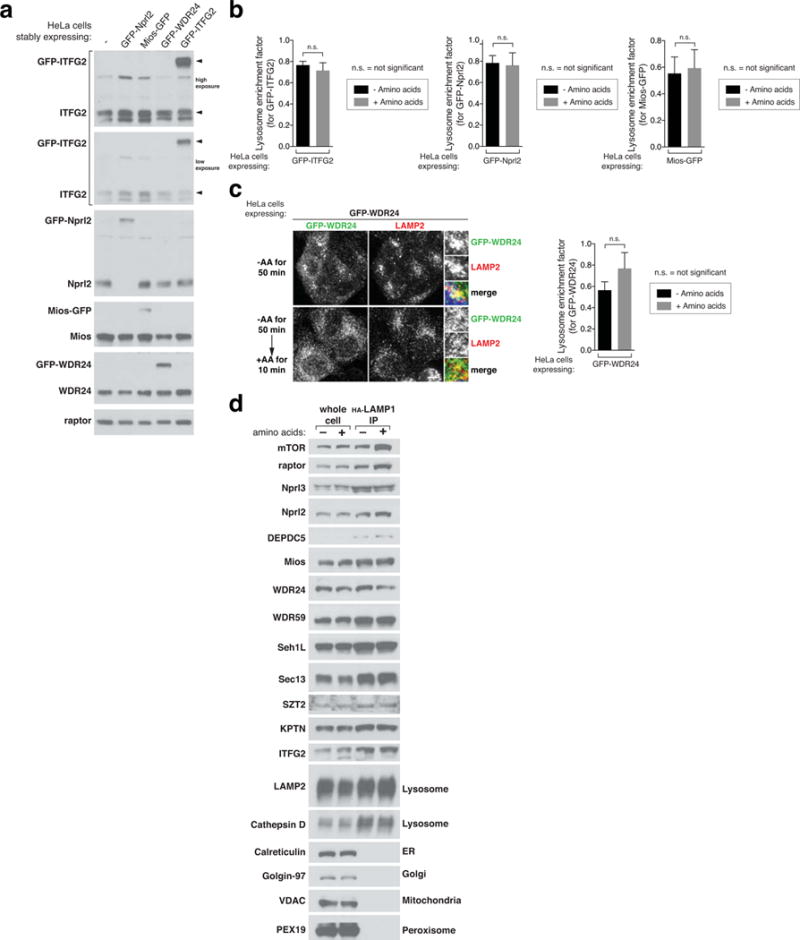
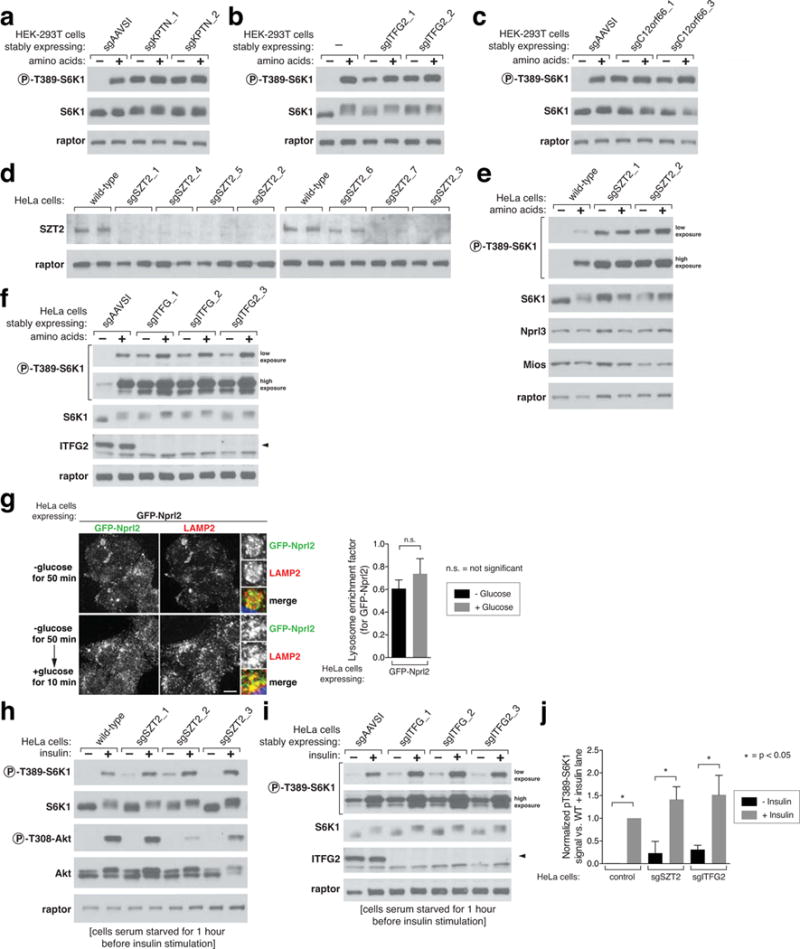
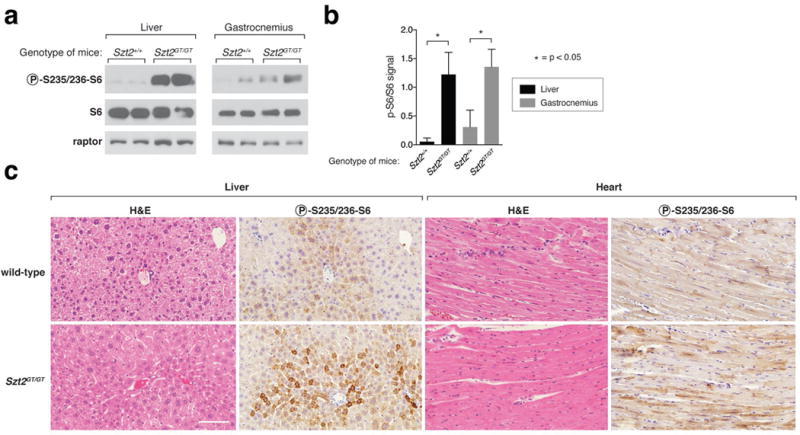
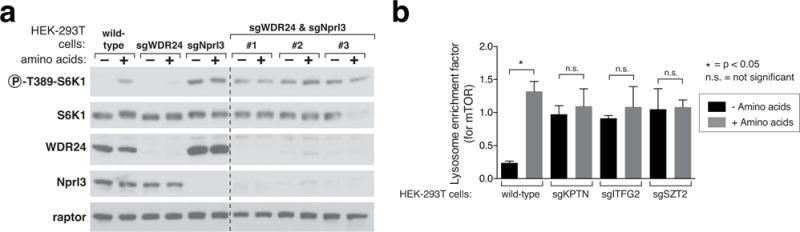
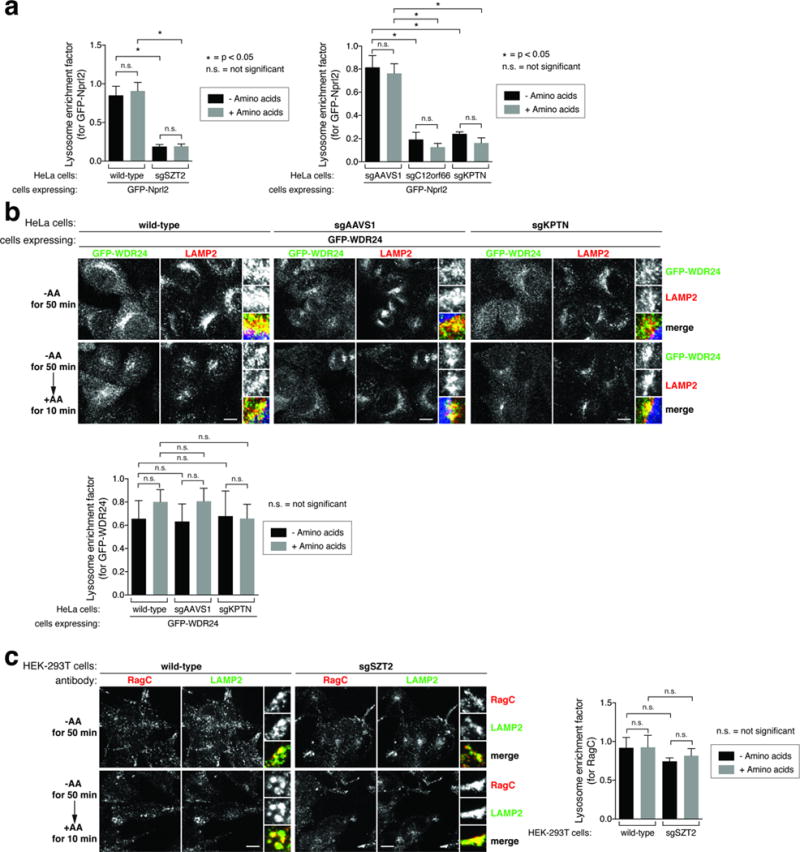
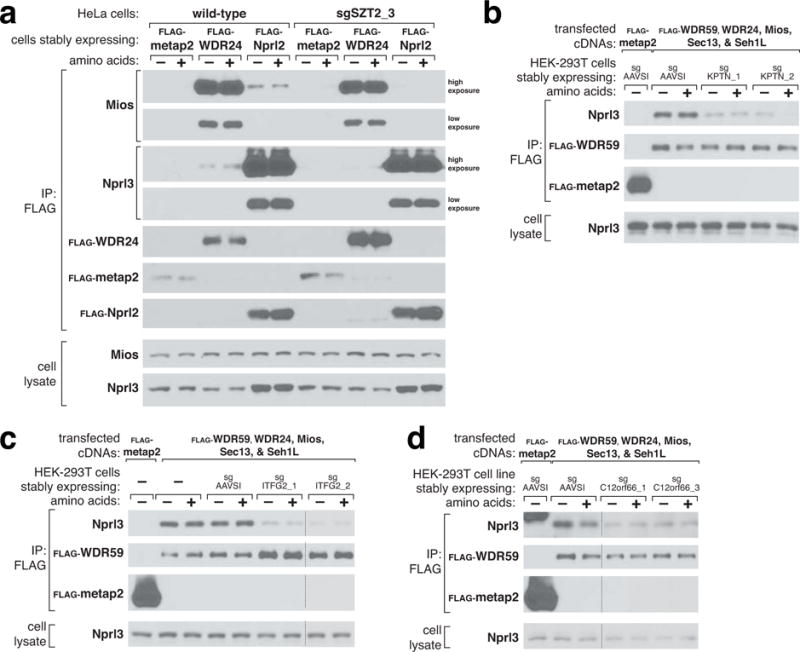
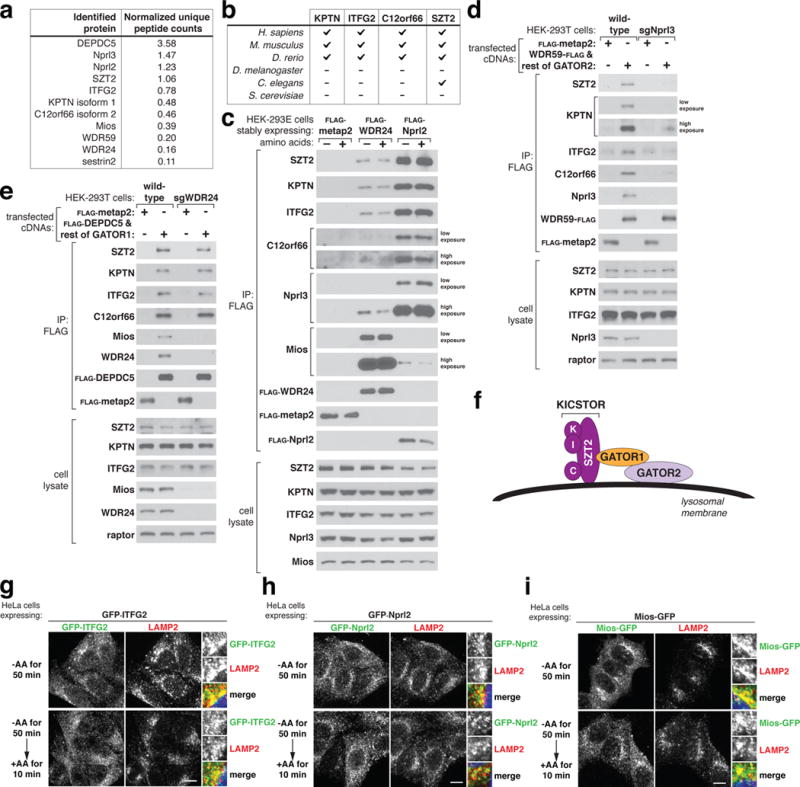
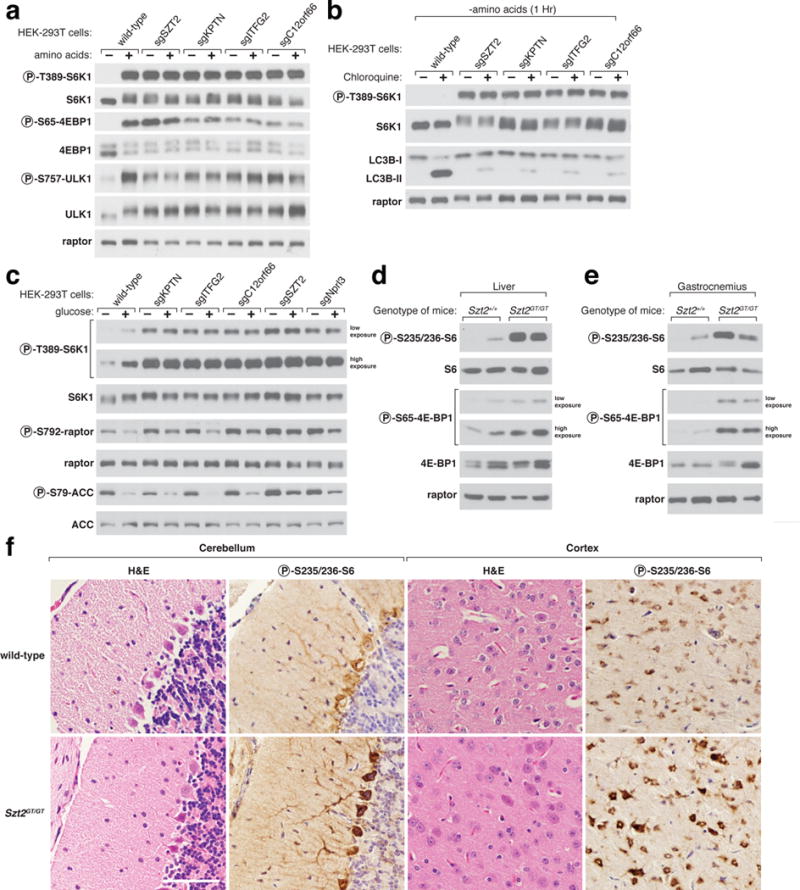
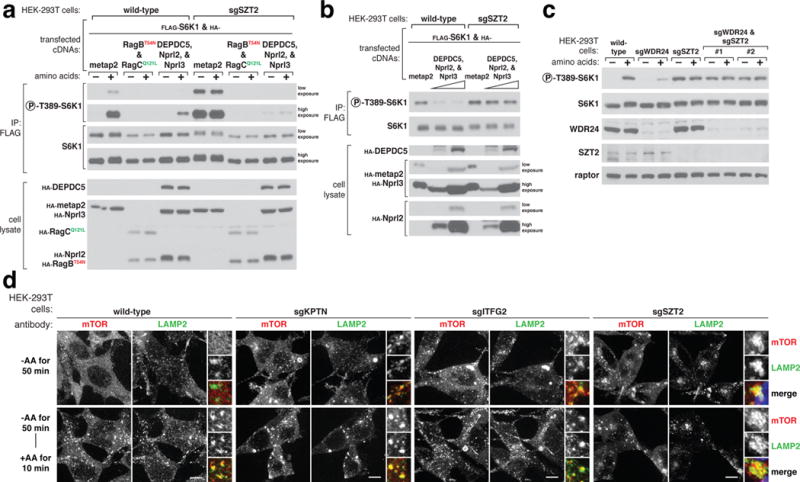
The mechanistic target of rapamycin complex 1 (mTORC1) is a central regulator of cell growth that responds to diverse environmental signals and is deregulated in many human diseases, including cancer and epilepsy. Amino acids are a key input to this system, and act through the Rag GTPases to promote the translocation of mTORC1 to the lysosomal surface, its site of activation. Multiple protein complexes regulate the Rag GTPases in response to amino acids, including GATOR1, a GTPase activating protein for RAGA, and GATOR2, a positive regulator of unknown molecular function. Here we identify a protein complex (KICSTOR) that is composed of four proteins, KPTN, ITFG2, C12orf66 and SZT2, and that is required for amino acid or glucose deprivation to inhibit mTORC1 in cultured human cells. In mice that lack SZT2, mTORC1 signalling is increased in several tissues, including in neurons in the brain. KICSTOR localizes to lysosomes; binds and recruits GATOR1, but not GATOR2, to the lysosomal surface; and is necessary for the interaction of GATOR1 with its substrates, the Rag GTPases, and with GATOR2. Notably, several KICSTOR components are mutated in neurological diseases associated with mutations that lead to hyperactive mTORC1 signalling. Thus, KICSTOR is a lysosome-associated negative regulator of mTORC1 signalling, which, like GATOR1, is mutated in human disease.
雷帕霉素机制性靶点复合物1(mTORC1)是细胞生长的核心调节因子,可响应多种环境信号,在包括癌症和癫痫在内的许多人类疾病中失调。氨基酸是该系统的关键输入信号,并通过Rag GTP酶发挥作用,促进mTORC1易位至溶酶体表面,即其激活位点。多种蛋白质复合物响应氨基酸调节Rag GTP酶,包括GATOR1(一种RAGA的GTP酶激活蛋白)和GATOR2(一种分子功能未知的正向调节因子)。在这里,我们鉴定出一种由四种蛋白质(KPTN、ITFG2、C12orf66和SZT2)组成的蛋白质复合物(KICSTOR),它是培养的人类细胞中氨基酸或葡萄糖剥夺抑制mTORC1所必需的。在缺乏SZT2的小鼠中,mTORC1信号在包括大脑神经元在内的多个组织中增强。KICSTOR定位于溶酶体;结合并将GATOR1而非GATOR2招募至溶酶体表面;对于GATOR1与其底物Rag GTP酶以及与GATOR2的相互作用是必需的。值得注意的是,在与导致mTORC1信号过度活跃的突变相关的神经疾病中,几种KICSTOR组分发生了突变。因此,KICSTOR是mTORC1信号的溶酶体相关负调节因子,与GATOR1一样,在人类疾病中发生了突变。