Benford Heather, Bolborea Matei, Pollatzek Eric, Lossow Kristina, Hermans-Borgmeyer Irm, Liu Beihui, Meyerhof Wolfgang, Kasparov Sergey, Dale Nicholas
School of Life Sciences, University of Warwick, Coventry, United Kingdom.
Department of Molecular Genetics, German Institute of Human Nutrition Potsdam-Rehbruecke, Arthur-Scheunert-Allee 114-116, Nuthetal, 14558, Germany.
Glia. 2017 May;65(5):773-789. doi: 10.1002/glia.23125. Epub 2017 Feb 16.
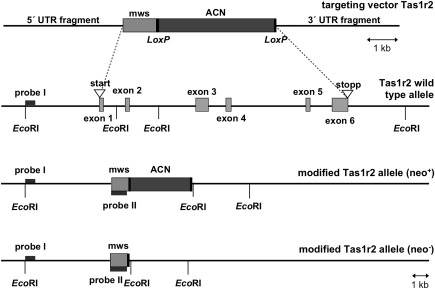
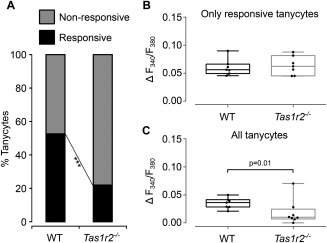
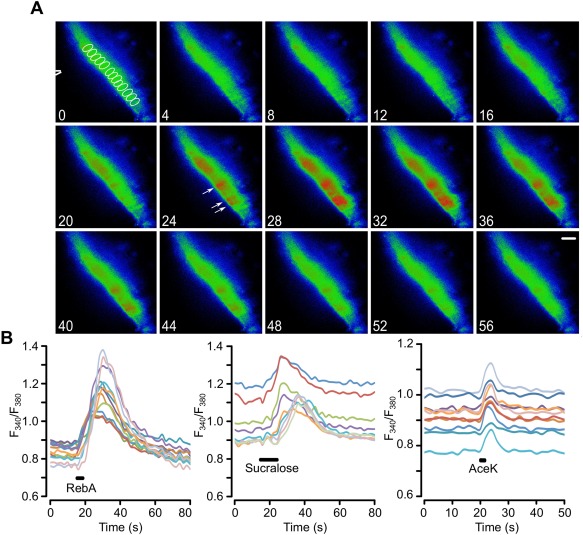
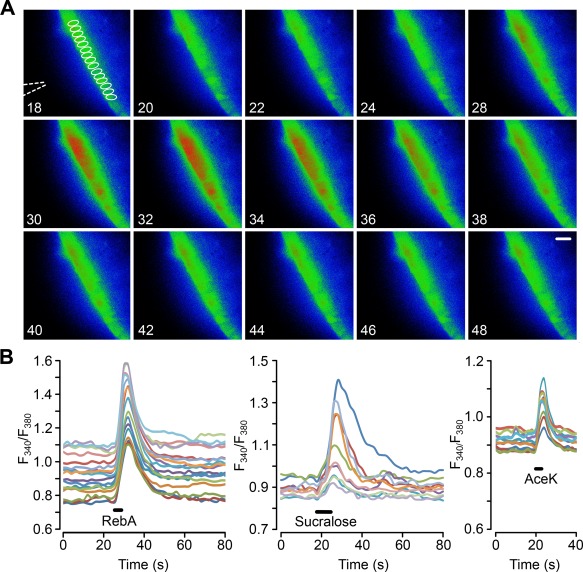
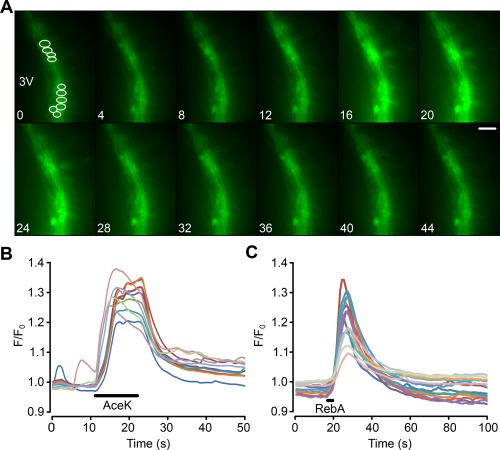
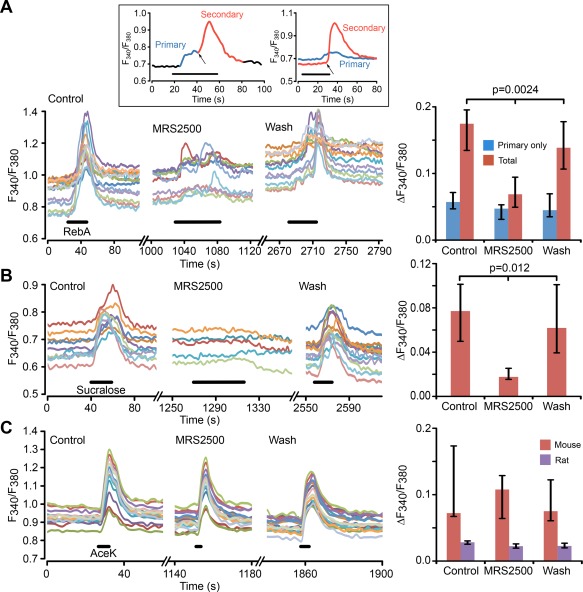
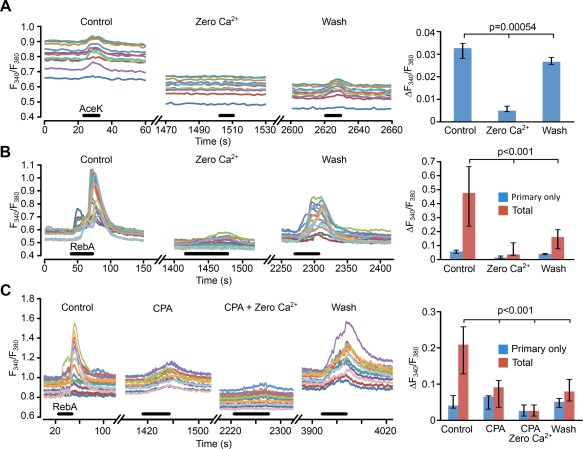
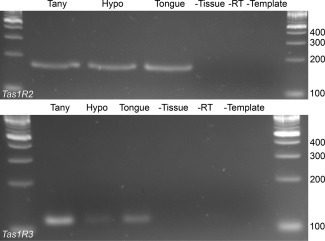
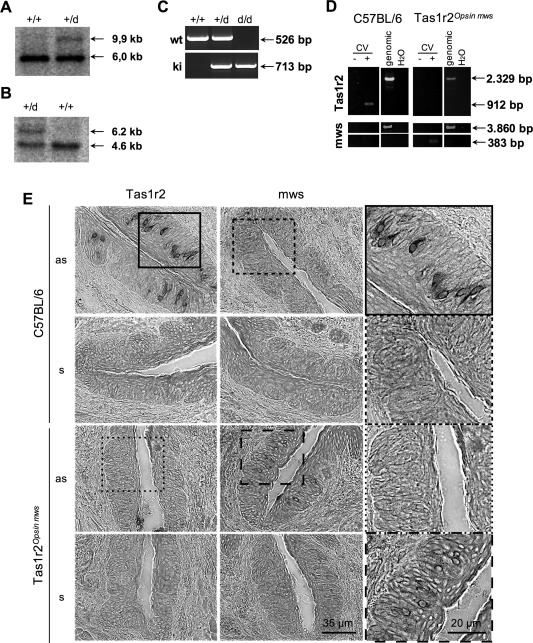
Hypothalamic tanycytes are glial-like glucosensitive cells that contact the cerebrospinal fluid of the third ventricle, and send processes into the hypothalamic nuclei that control food intake and body weight. The mechanism of tanycyte glucosensing remains undetermined. While tanycytes express the components associated with the glucosensing of the pancreatic β cell, they respond to nonmetabolisable glucose analogues via an ATP receptor-dependent mechanism. Here, we show that tanycytes in rodents respond to non-nutritive sweeteners known to be ligands of the sweet taste (Tas1r2/Tas1r3) receptor. The initial sweet tastant-evoked response, which requires the presence of extracellular Ca , leads to release of ATP and a larger propagating Ca response mediated by P2Y1 receptors. In Tas1r2 null mice the proportion of glucose nonresponsive tanycytes was greatly increased in these mice, but a subset of tanycytes retained an undiminished sensitivity to glucose. Our data demonstrate that the sweet taste receptor mediates glucosensing in about 60% of glucosensitive tanycytes while the remaining 40% of glucosensitive tanycytes use some other, as yet unknown mechanism.
下丘脑伸展细胞是一种类似神经胶质的葡萄糖敏感细胞,与第三脑室的脑脊液接触,并将突起延伸至控制食物摄入和体重的下丘脑核团。伸展细胞的葡萄糖感应机制尚不清楚。虽然伸展细胞表达与胰腺β细胞葡萄糖感应相关的成分,但它们通过一种ATP受体依赖性机制对不可代谢的葡萄糖类似物作出反应。在这里,我们表明啮齿动物的伸展细胞对已知为甜味(Tas1r2/Tas1r3)受体配体的非营养性甜味剂有反应。最初的甜味剂诱发反应需要细胞外钙的存在,导致ATP释放以及由P2Y1受体介导的更大的传播性钙反应。在Tas1r2基因敲除小鼠中,这些小鼠中对葡萄糖无反应的伸展细胞比例大大增加,但仍有一部分伸展细胞对葡萄糖保持未减弱的敏感性。我们的数据表明,甜味受体介导约60%的葡萄糖敏感伸展细胞中的葡萄糖感应,而其余40%的葡萄糖敏感伸展细胞使用其他一些尚未知的机制。