Weng Mao-Wen, Lee Hyun-Wook, Choi Bongkun, Wang Hsiang-Tsui, Hu Yu, Mehta Manju, Desai Dhimant, Amin Shantu, Zheng Yi, Tang Moon-Shong
Departments of Environmental Medicine, Pathology and Medicine, New York University School of Medicine, Tuxedo, NY 10987, USA.
Department of Pharmacology, Penn State University College of Medicine, Hershey, PA 17033, USA.
Oncotarget. 2017 Mar 14;8(11):18213-18226. doi: 10.18632/oncotarget.15313.
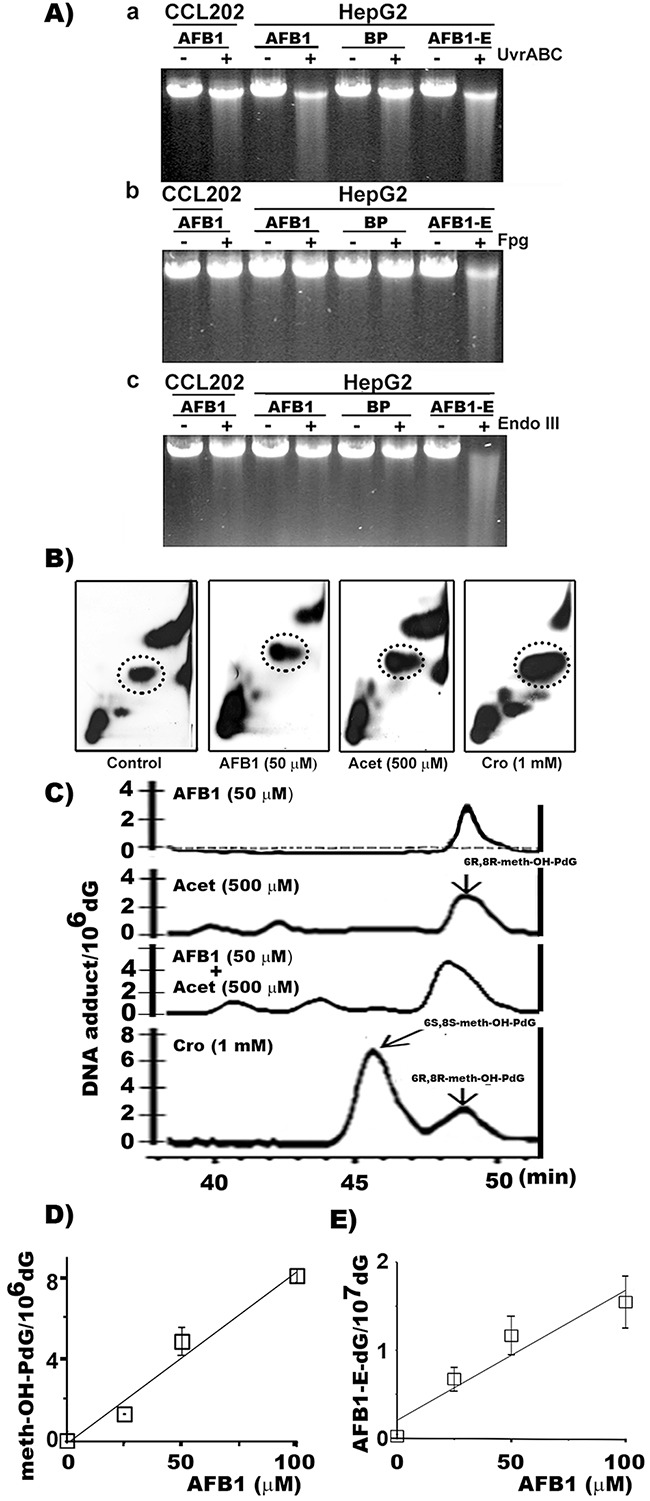
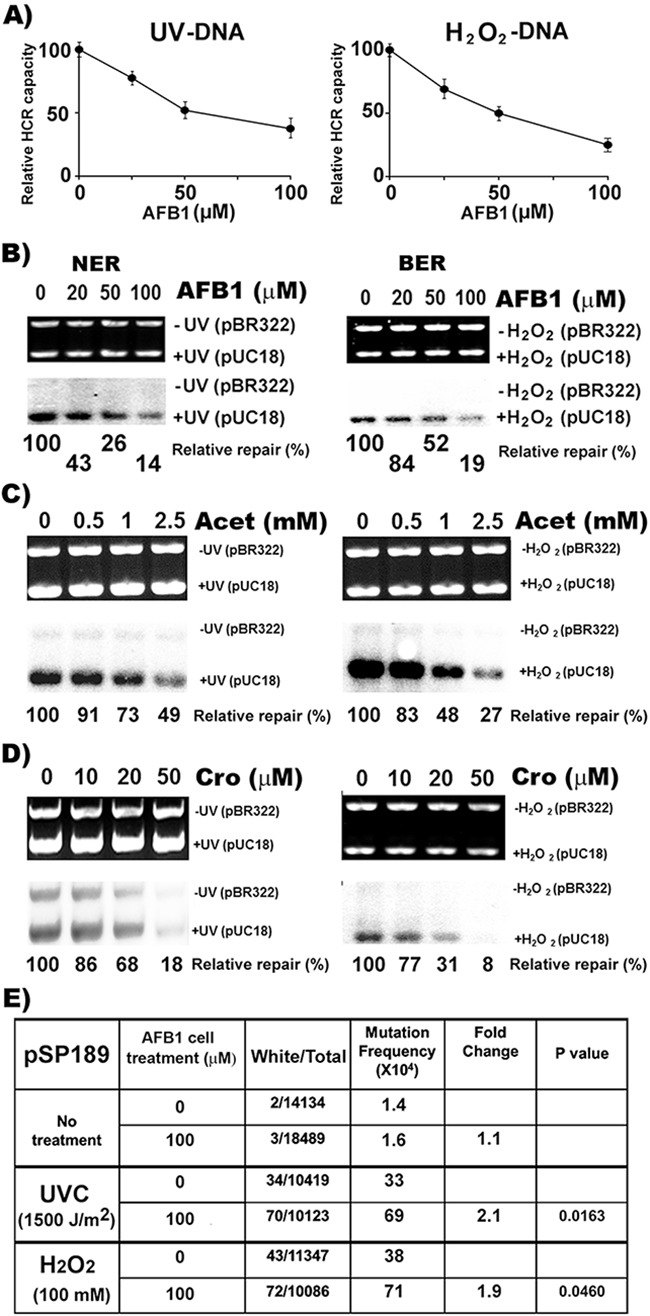
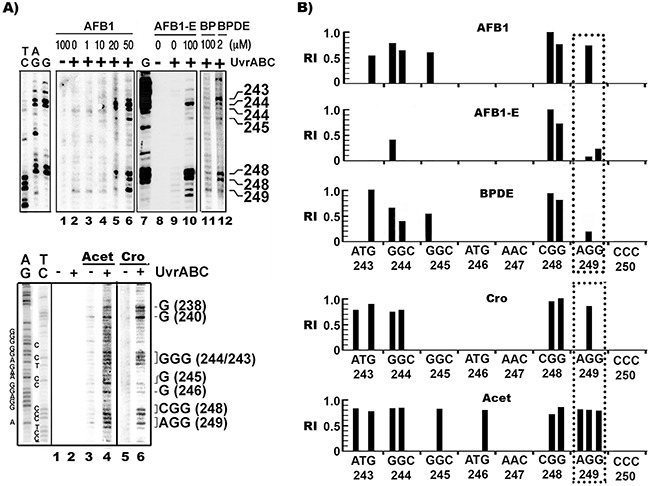
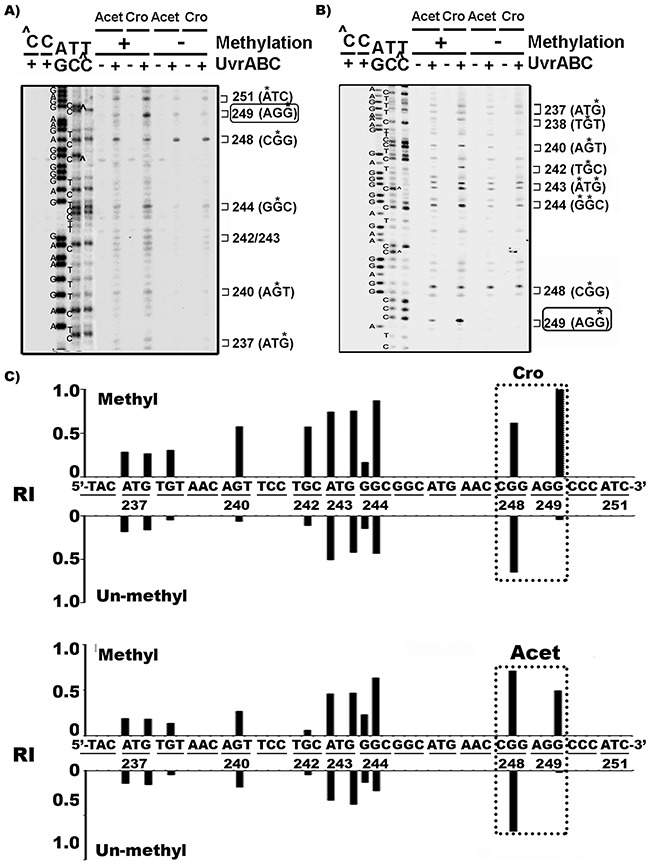
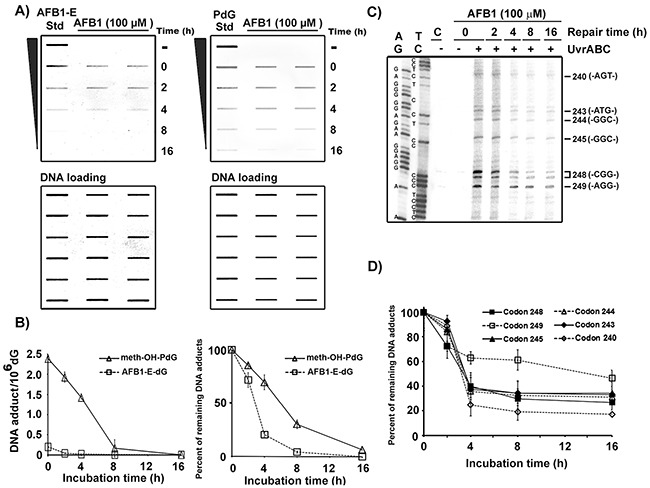
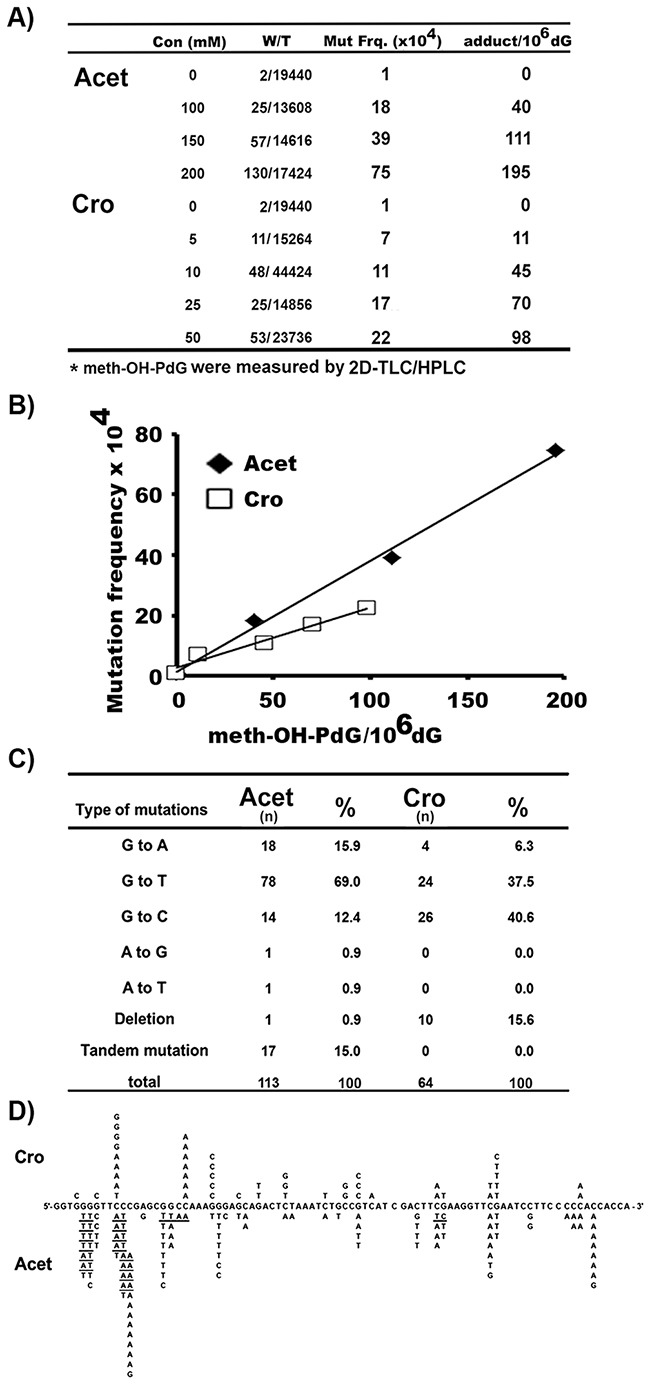
Aflatoxin B1 (AFB1) contamination in the food chain is a major cause of hepatocellular carcinoma (HCC). More than 60% of AFB1 related HCC carry p53 codon 249 mutations but the causal mechanism remains unclear. We found that 1) AFB1 induces two types of DNA adducts in human hepatocytes, AFB1-8,9-epoxide-deoxyguanosine (AFB1-E-dG) induced by AFB1-E and cyclic α-methyl-γ-hydroxy-1,N2-propano-dG (meth-OH-PdG) induced by lipid peroxidation generated acetaldehyde (Acet) and crotonaldehyde (Cro); 2) the level of meth-OH-PdG is >30 fold higher than the level of AFB1-E-dG; 3) AFB1, Acet, and Cro, but not AFB1-E, preferentially induce DNA damage at codon 249; 4) methylation at -CpG- sites enhances meth-OH-PdG formation at codon 249; and 5) repair of meth-OH-PdG at codon 249 is poor. AFB1, Acet, and Cro can also inhibit DNA repair and enhance hepatocyte mutational sensitivity. We propose that AFB1-induced lipid peroxidation generated aldehydes contribute greatly to hepatocarcinogenesis and that sequence specificity of meth-OH-PdG formation and repair shape the codon 249 mutational hotspot.
食物链中的黄曲霉毒素B1(AFB1)污染是肝细胞癌(HCC)的主要病因。超过60%的与AFB1相关的HCC携带p53密码子249突变,但致病机制仍不清楚。我们发现:1)AFB1在人肝细胞中诱导产生两种类型的DNA加合物,即AFB1-E诱导的AFB1-8,9-环氧-脱氧鸟苷(AFB1-E-dG)和脂质过氧化产生的乙醛(Acet)及巴豆醛(Cro)诱导的环状α-甲基-γ-羟基-1,N2-丙烷-dG(meth-OH-PdG);2)meth-OH-PdG的水平比AFB1-E-dG的水平高30倍以上;3)AFB1、Acet和Cro,而非AFB1-E,优先在密码子249处诱导DNA损伤;4)-CpG-位点的甲基化增强了密码子249处meth-OH-PdG的形成;5)密码子249处meth-OH-PdG的修复较差。AFB1、Acet和Cro还可抑制DNA修复并增强肝细胞的突变敏感性。我们提出,AFB1诱导的脂质过氧化产生的醛对肝癌发生有很大贡献,且meth-OH-PdG形成和修复的序列特异性塑造了密码子249突变热点。