Kang A-Ram, An Hyoung-Tae, Ko Jesang, Kang Seongman
Division of Life Sciences, College of Life Sciences and Biotechnology, Korea University, Seoul 02841, Korea.
Oncotarget. 2017 Mar 14;8(11):18248-18259. doi: 10.18632/oncotarget.15319.
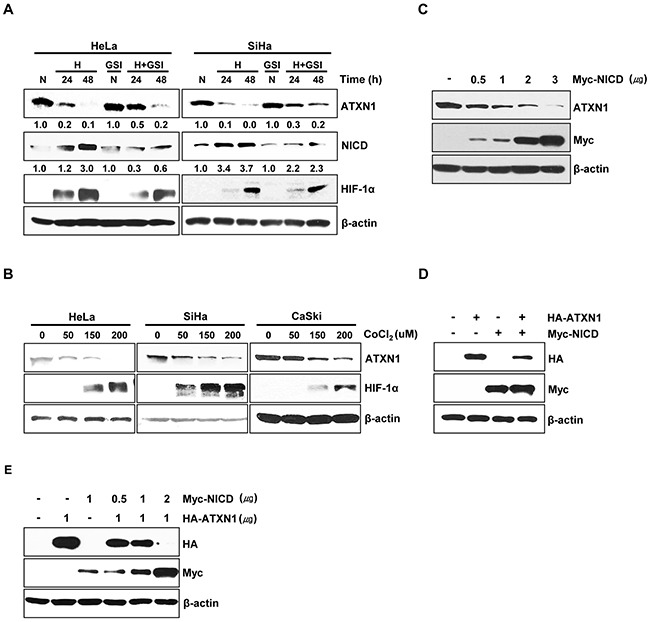
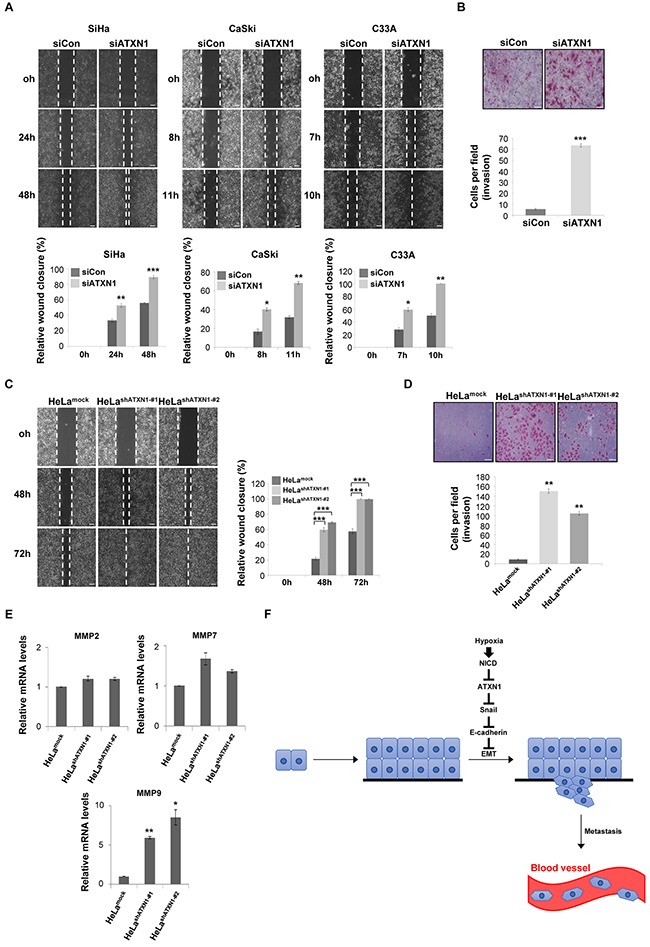
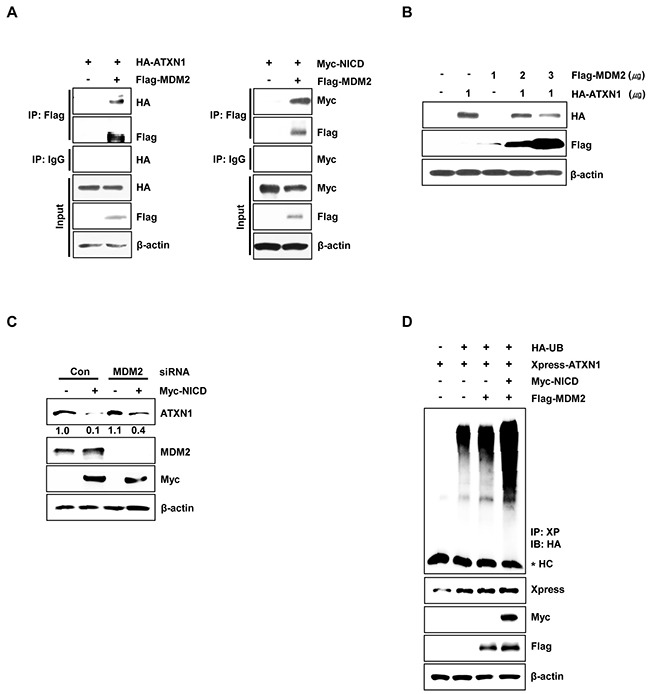
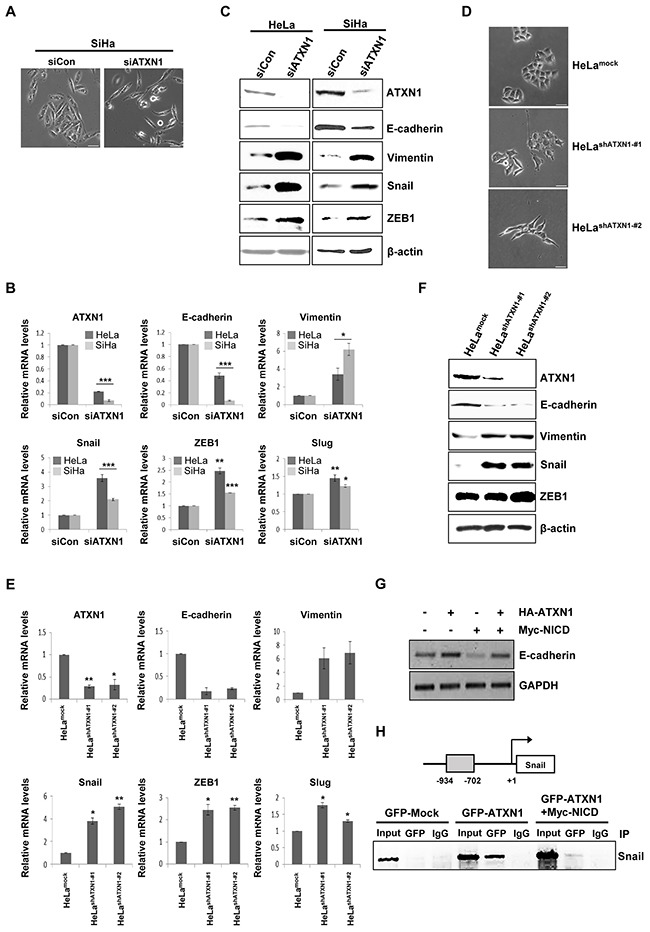
The mutant form of the protein ataxin-1 (ATXN1) causes the neurodegenerative disease spinocerebellar ataxia type-1. Recently, ATXN1 was reported to enhance E-cadherin expression in the breast cancer cell line MCF-7, suggesting a potential association between ATXN1 and cancer development. In the present study, we discovered a novel mechanism through which ATXN1 regulates the epithelial-mesenchymal transition (EMT) of cancer cells. Hypoxia-induced upregulation of the Notch intracellular domain expression decreased ATXN1 expression via MDM2-associated ubiquitination and degradation. In cervical cancer cells, ATXN1 knockdown induced EMT by directly regulating Snail expression, leading to matrix metalloproteinase activation and the promotion of cell migration and invasion. These findings provide insights into a novel mechanism of tumorigenesis and will facilitate the development of new and more effective therapies for cancer.
蛋白质ataxin-1(ATXN1)的突变形式会导致神经退行性疾病1型脊髓小脑共济失调。最近,有报道称ATXN1可增强乳腺癌细胞系MCF-7中E-钙黏蛋白的表达,这表明ATXN1与癌症发展之间可能存在关联。在本研究中,我们发现了一种ATXN1调节癌细胞上皮-间质转化(EMT)的新机制。缺氧诱导的Notch细胞内结构域表达上调通过MDM2相关的泛素化和降解降低了ATXN1的表达。在宫颈癌细胞中,ATXN1敲低通过直接调节Snail表达诱导EMT,导致基质金属蛋白酶激活并促进细胞迁移和侵袭。这些发现为肿瘤发生的新机制提供了见解,并将促进开发新的、更有效的癌症治疗方法。