Williamson Laura, Saponaro Marco, Boeing Stefan, East Philip, Mitter Richard, Kantidakis Theodoros, Kelly Gavin P, Lobley Anna, Walker Jane, Spencer-Dene Bradley, Howell Michael, Stewart Aengus, Svejstrup Jesper Q
Mechanisms of Transcription Laboratory, The Francis Crick Institute, Clare Hall Laboratories, South Mimms EN6 3LD, UK.
Mechanisms of Transcription Laboratory, The Francis Crick Institute, Clare Hall Laboratories, South Mimms EN6 3LD, UK; Institute of Cancer and Genomic Sciences, University of Birmingham, Vincent Drive, Edgbaston, Birmingham B15 2TT, UK.
Cell. 2017 Feb 23;168(5):843-855.e13. doi: 10.1016/j.cell.2017.01.019. Epub 2017 Feb 16.
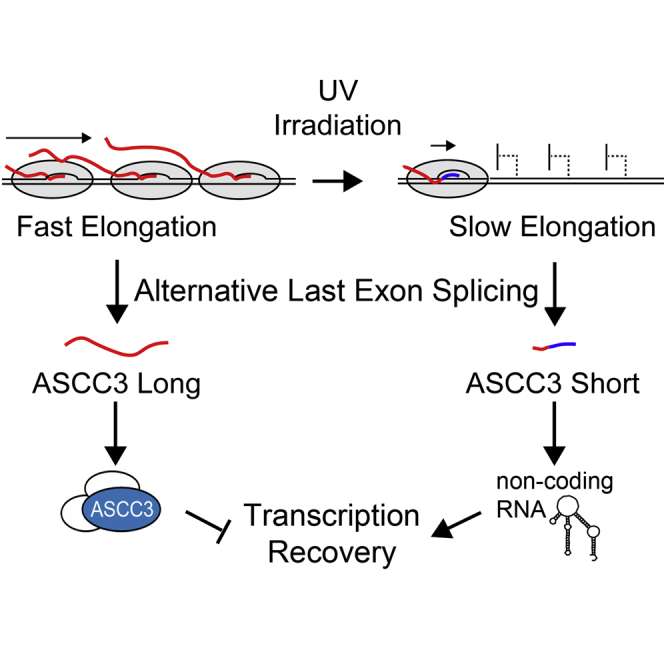
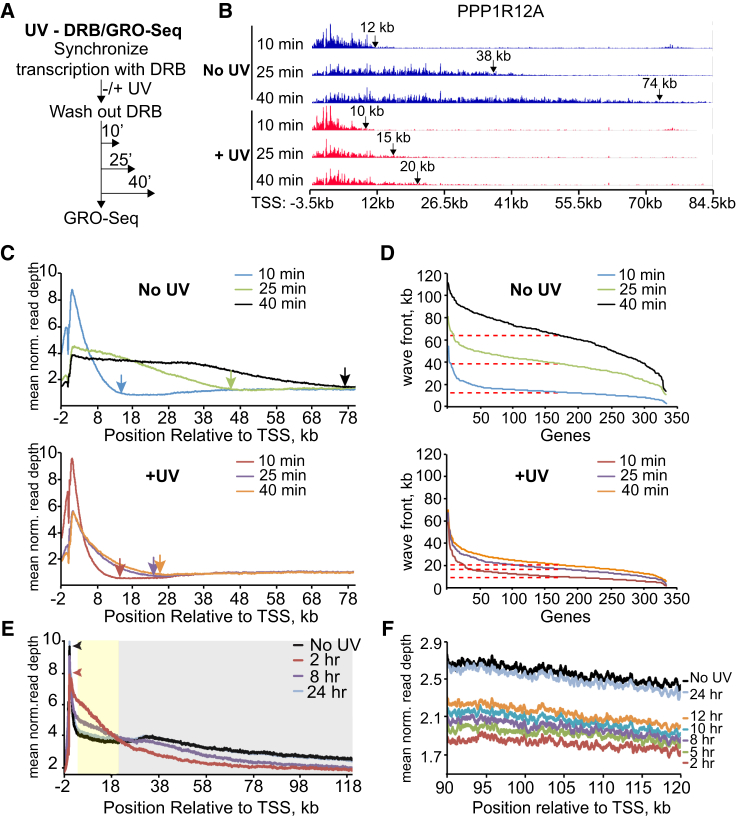
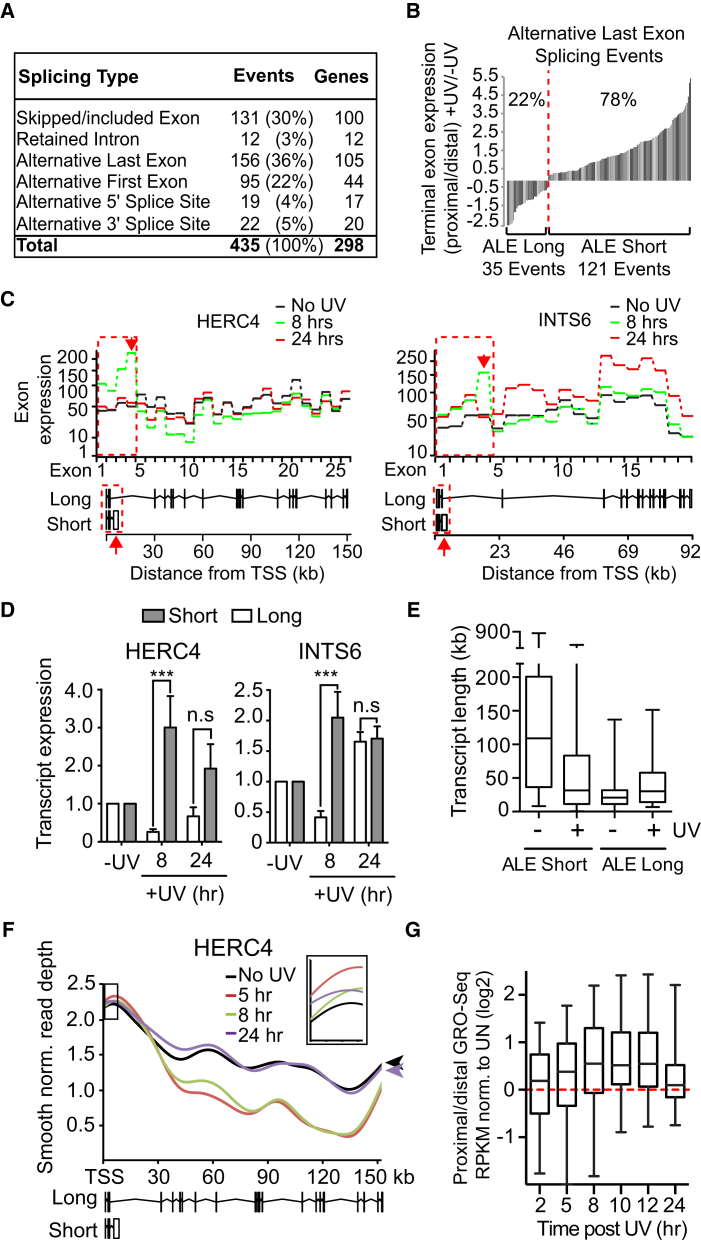
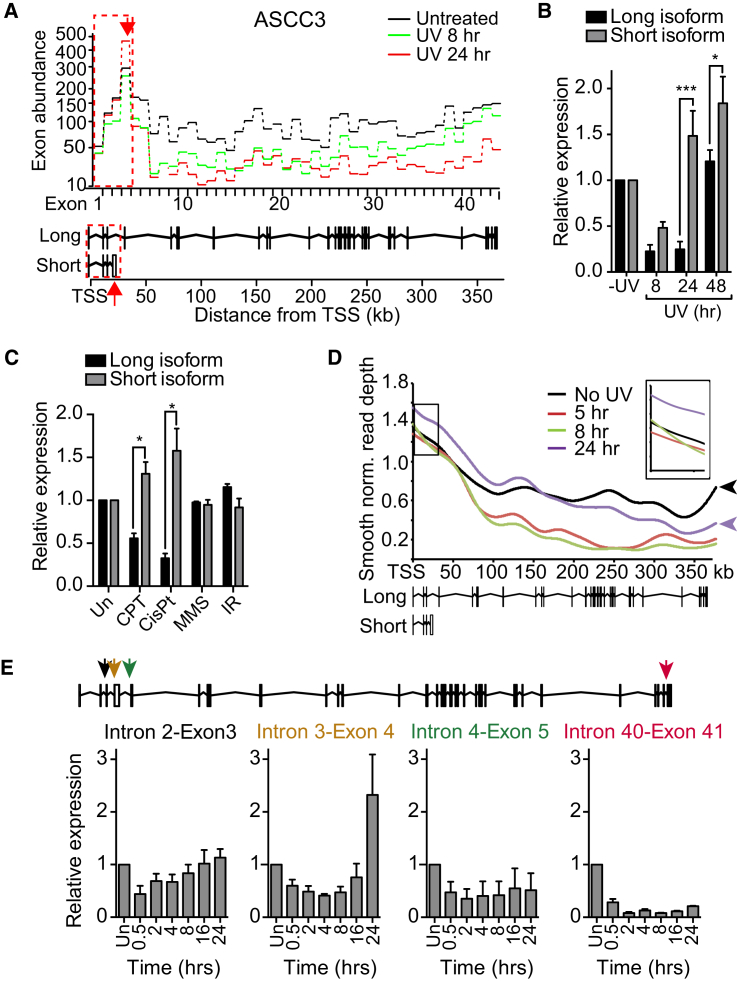
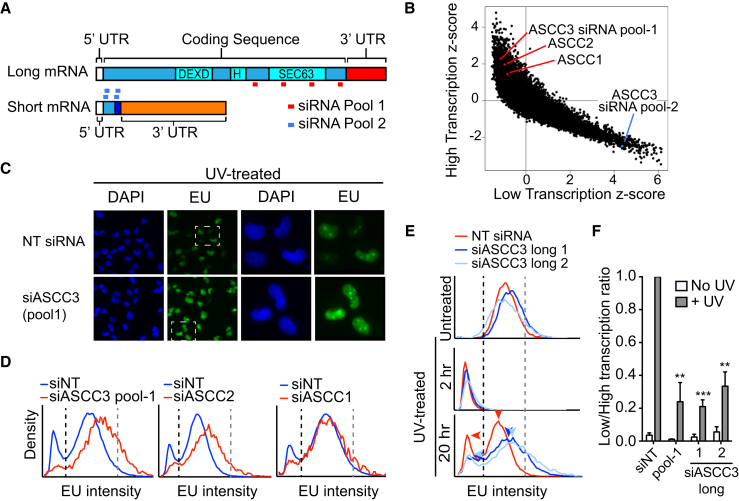
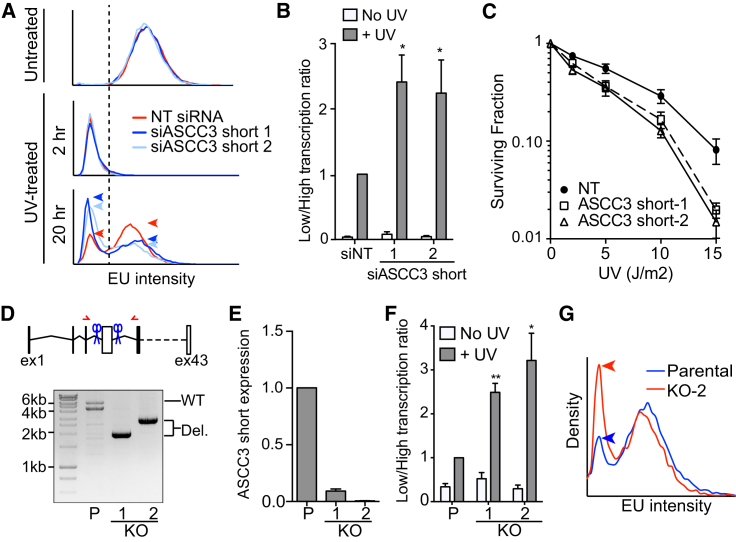
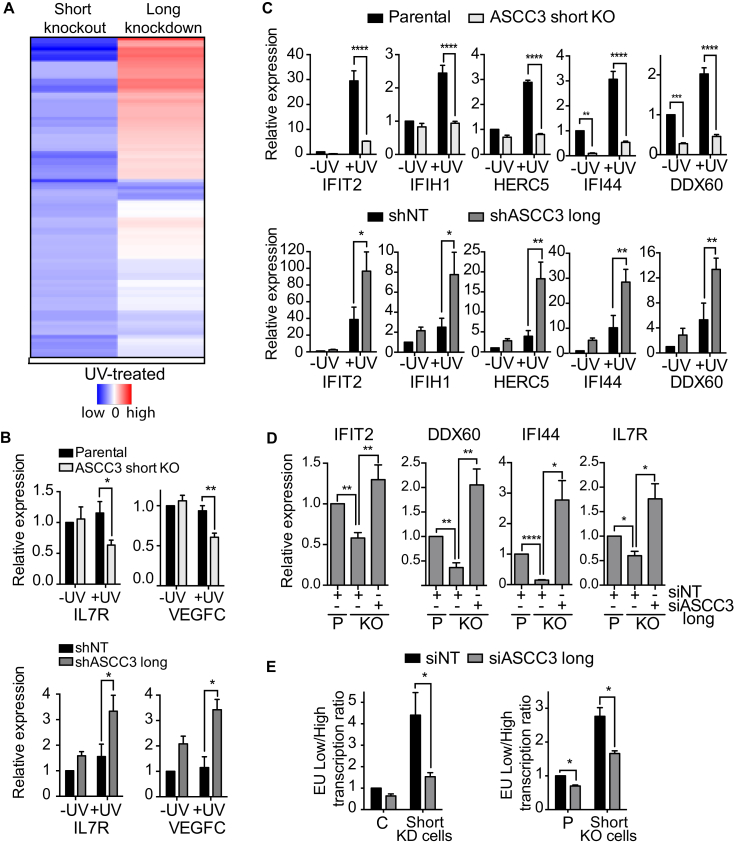
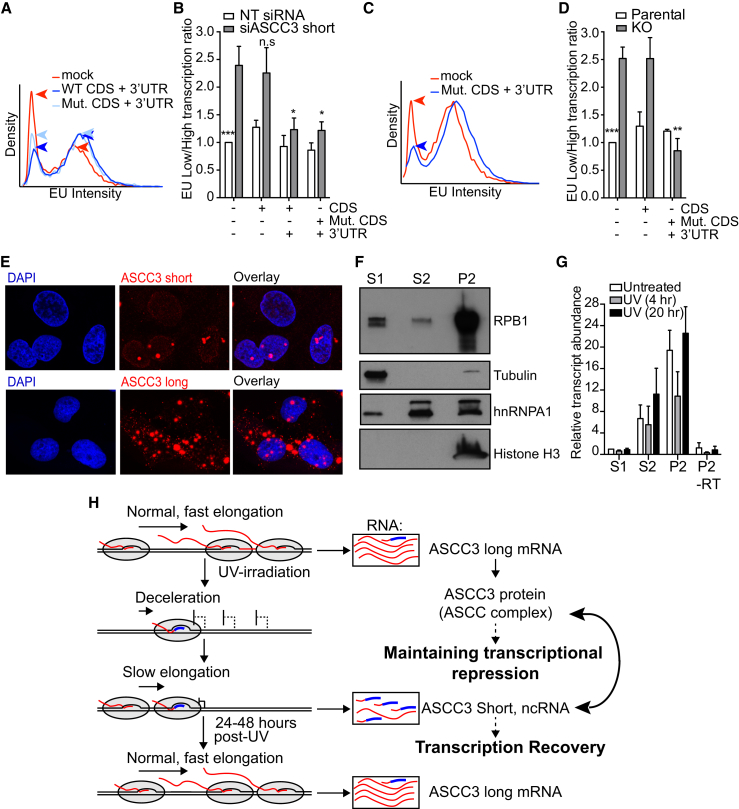
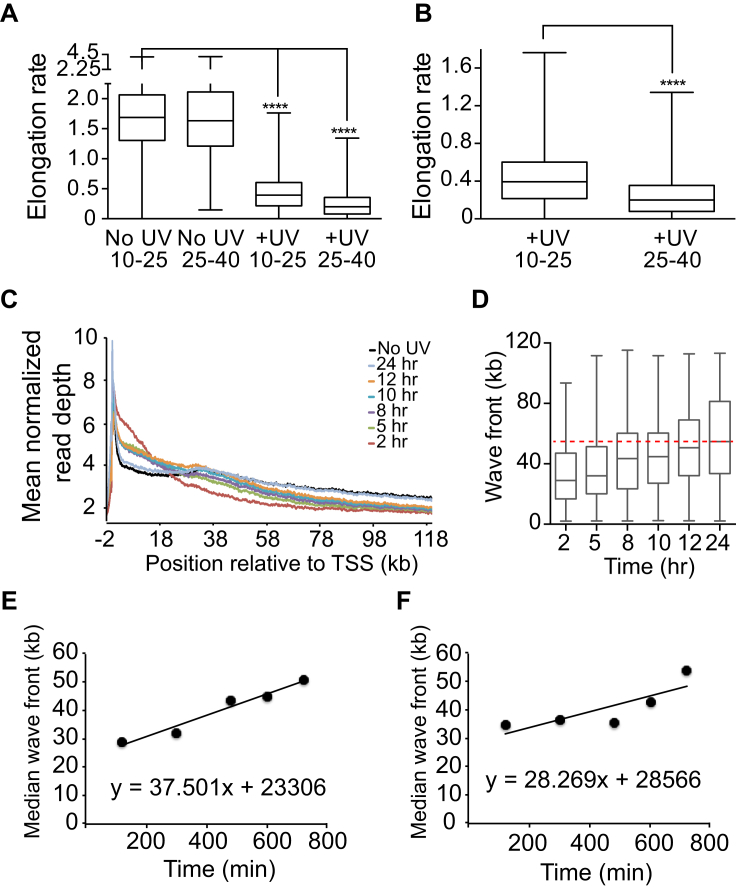
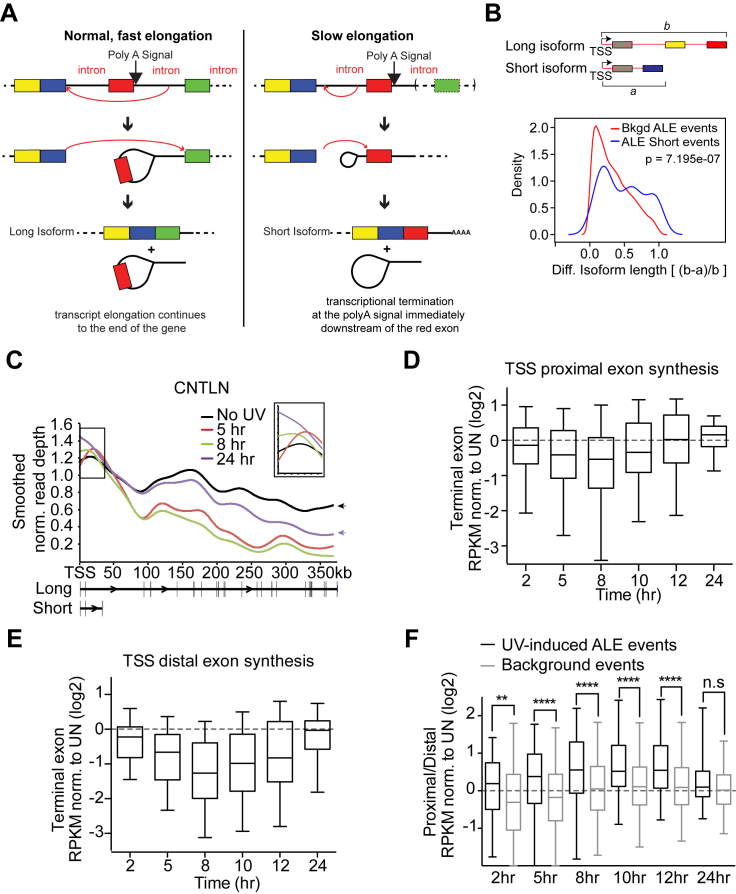
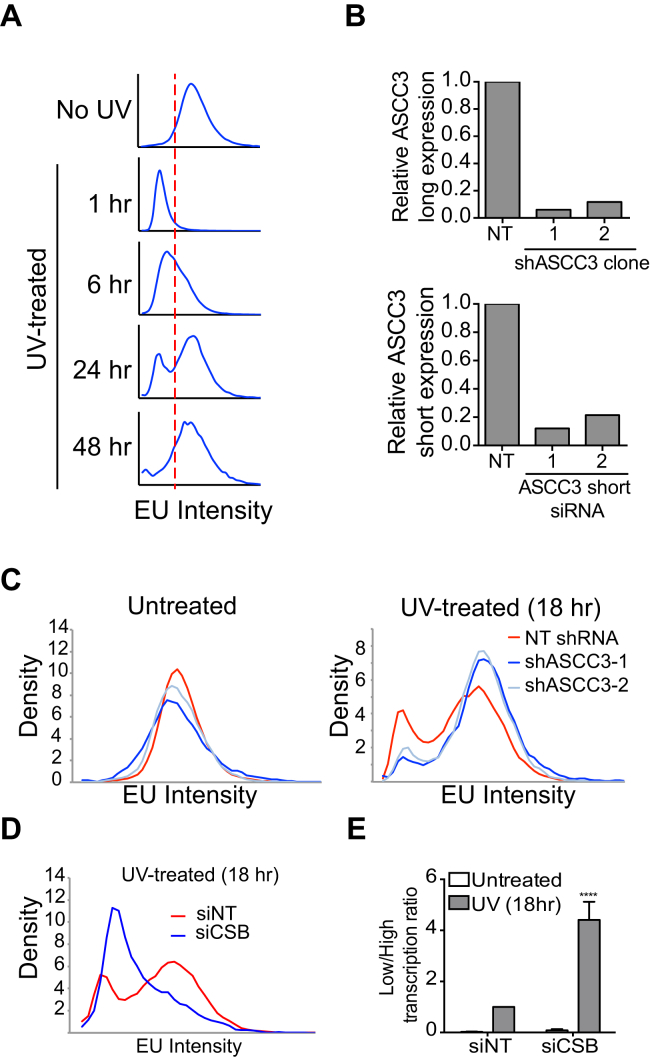
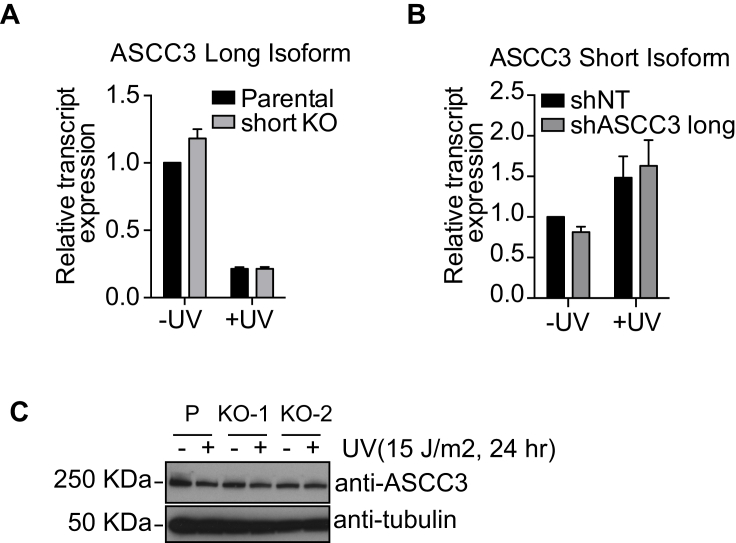
The transcription-related DNA damage response was analyzed on a genome-wide scale with great spatial and temporal resolution. Upon UV irradiation, a slowdown of transcript elongation and restriction of gene activity to the promoter-proximal ∼25 kb is observed. This is associated with a shift from expression of long mRNAs to shorter isoforms, incorporating alternative last exons (ALEs) that are more proximal to the transcription start site. Notably, this includes a shift from a protein-coding ASCC3 mRNA to a shorter ALE isoform of which the RNA, rather than an encoded protein, is critical for the eventual recovery of transcription. The non-coding ASCC3 isoform counteracts the function of the protein-coding isoform, indicating crosstalk between them. Thus, the ASCC3 gene expresses both coding and non-coding transcript isoforms with opposite effects on transcription recovery after UV-induced DNA damage.
在全基因组范围内,以高空间和时间分辨率对转录相关的DNA损伤反应进行了分析。紫外线照射后,观察到转录延伸减慢以及基因活性限制在启动子近端约25 kb范围内。这与从长mRNA的表达向较短异构体的转变相关,这些较短异构体包含更靠近转录起始位点的可变最后外显子(ALE)。值得注意的是,这包括从蛋白质编码的ASCC3 mRNA向较短的ALE异构体的转变,其中RNA而非编码的蛋白质对于转录的最终恢复至关重要。非编码的ASCC3异构体抵消了蛋白质编码异构体的功能,表明它们之间存在相互作用。因此,ASCC3基因表达的编码和非编码转录异构体对紫外线诱导的DNA损伤后的转录恢复具有相反的作用。