Douglas Jennifer E, Cohen Noam A
Perelman School of Medicine, University of Pennsylvania, Philadelphia, PA 19104, USA.
Monell Chemical Senses Center, Philadelphia, PA 19104, USA.
Int J Mol Sci. 2017 Feb 17;18(2):437. doi: 10.3390/ijms18020437.
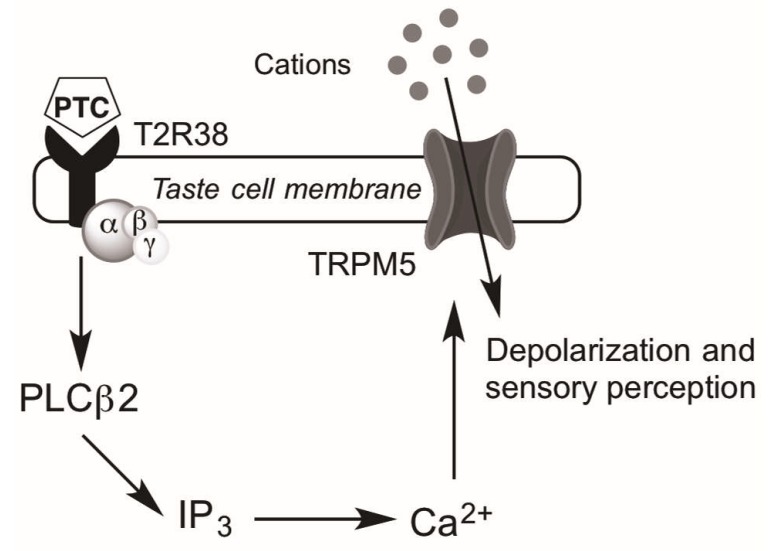
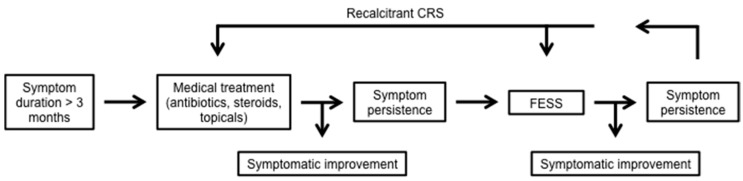
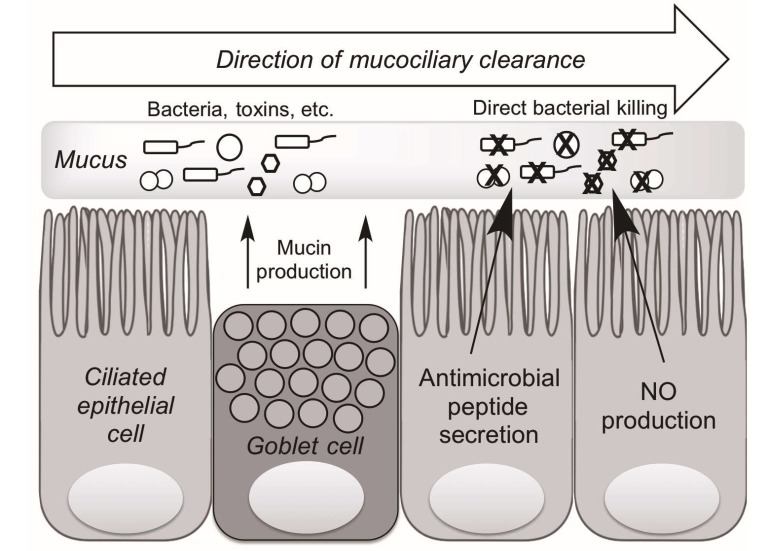
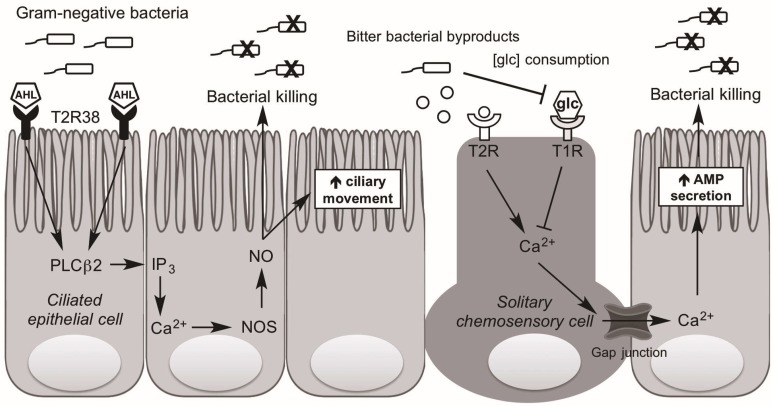
The bitter taste receptor T2R38 has been shown to play a role in the pathogenesis of chronic rhinosinusitis (CRS), where the receptor functions to enhance upper respiratory innate immunity through a triad of beneficial immune responses. Individuals with a functional version of T2R38 are tasters for the bitter compound phenylthiocarbamide (PTC) and exhibit an anti-microbial response in the upper airway to certain invading pathogens, while those individuals with a non-functional version of the receptor are PTC non-tasters and lack this beneficial response. The clinical ramifications are significant, with the non-taster genotype being an independent risk factor for CRS requiring surgery, poor quality-of-life (QOL) improvements post-operatively, and decreased rhinologic QOL in patients with cystic fibrosis. Furthermore, indirect evidence suggests that non-tasters also have a larger burden of biofilm formation. This new data may influence the clinical management of patients with infectious conditions affecting the upper respiratory tract and possibly at other mucosal sites throughout the body.
苦味受体T2R38已被证明在慢性鼻-鼻窦炎(CRS)的发病机制中起作用,该受体通过一系列有益的免疫反应来增强上呼吸道先天免疫。具有功能性T2R38的个体是苦味化合物苯硫脲(PTC)的尝味者,对上呼吸道中的某些入侵病原体表现出抗菌反应,而那些具有该受体非功能性版本的个体则是PTC非尝味者,缺乏这种有益反应。临床后果很严重,非尝味者基因型是CRS患者需要手术的独立危险因素,术后生活质量(QOL)改善不佳,以及囊性纤维化患者的鼻科QOL下降。此外,间接证据表明非尝味者的生物膜形成负担也更大。这些新数据可能会影响影响上呼吸道以及可能影响全身其他粘膜部位的感染性疾病患者的临床管理。