Aravalli Rajagopal N, Steer Clifford J
Department of Electrical and Computer Engineering, University of Minnesota, 200 Union Street S.E., Minneapolis, MN 55455, USA.
Departments of Medicine and Genetics, Cell Biology and Development, University of Minnesota, 420 Delaware Street S.E., Minneapolis, MN 55455, USA.
Genes (Basel). 2017 Feb 17;8(2):76. doi: 10.3390/genes8020076.
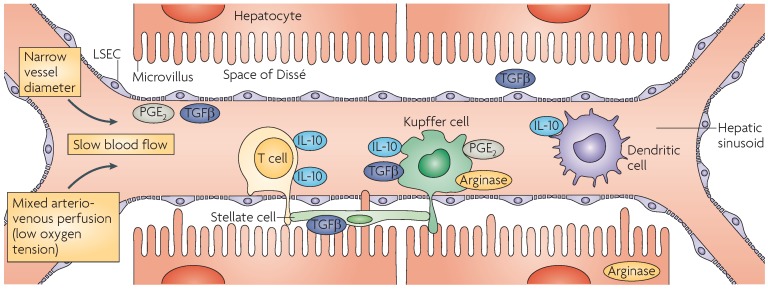
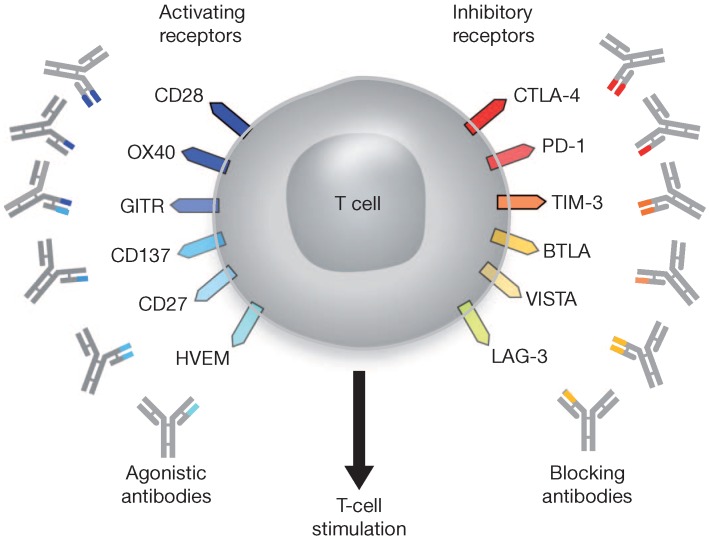
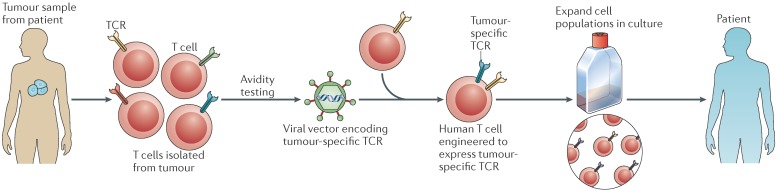
In recent years, immunotherapy has gained renewed interest as an alternative therapeutic approach for solid tumors. Its premise is based on harnessing the power of the host immune system to destroy tumor cells. Development of immune-mediated therapies, such as vaccines, adoptive transfer of autologous immune cells, and stimulation of host immunity by targeting tumor-evasive mechanisms have advanced cancer immunotherapy. In addition, studies on innate immunity and mechanisms of immune evasion have enhanced our understanding on the immunology of liver cancer. Preclinical and clinical studies with immune-mediated therapies have shown potential benefits in patients with liver cancer. In this review, we summarize current knowledge and recent developments in tumor immunology by focusing on two main primary liver cancers: hepatocellular carcinoma and cholangiocarcinoma.
近年来,免疫疗法作为实体瘤的一种替代治疗方法重新引起了人们的关注。其前提是利用宿主免疫系统的力量来摧毁肿瘤细胞。免疫介导疗法的发展,如疫苗、自体免疫细胞的过继转移以及通过靶向肿瘤逃逸机制刺激宿主免疫,推动了癌症免疫疗法的进步。此外,对先天免疫和免疫逃逸机制的研究加深了我们对肝癌免疫学的理解。免疫介导疗法的临床前和临床研究已显示出对肝癌患者的潜在益处。在本综述中,我们聚焦于两种主要的原发性肝癌:肝细胞癌和胆管癌,总结肿瘤免疫学的当前知识和最新进展。