Laboratory of Neurovascular Inflammation and Neurodegeneration, Department of Biomedical Engineering, Center for Injury Bio Mechanics, Materials and Medicine, New Jersey Institute of Technology, Newark, NJ 07102, United States; Department of Pharmacology and Experimental Neuroscience, University of Nebraska Medical Center, Omaha, NE 68198, United States.
Department of Pharmacology and Experimental Neuroscience, University of Nebraska Medical Center, Omaha, NE 68198, United States.
Brain Behav Immun. 2017 May;62:291-305. doi: 10.1016/j.bbi.2017.02.014. Epub 2017 Feb 21.
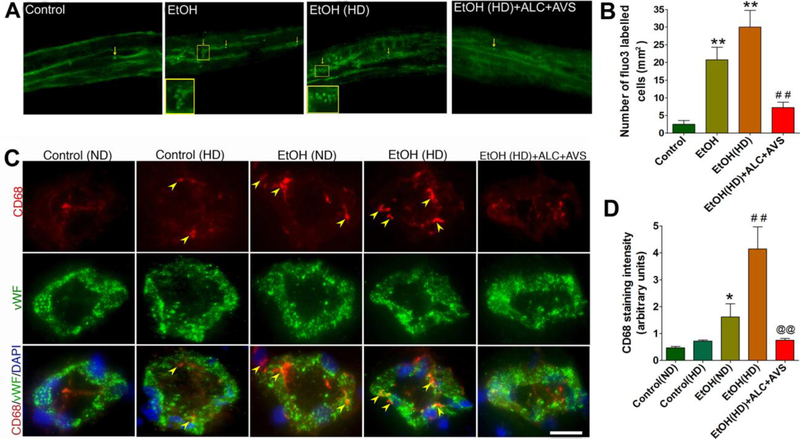
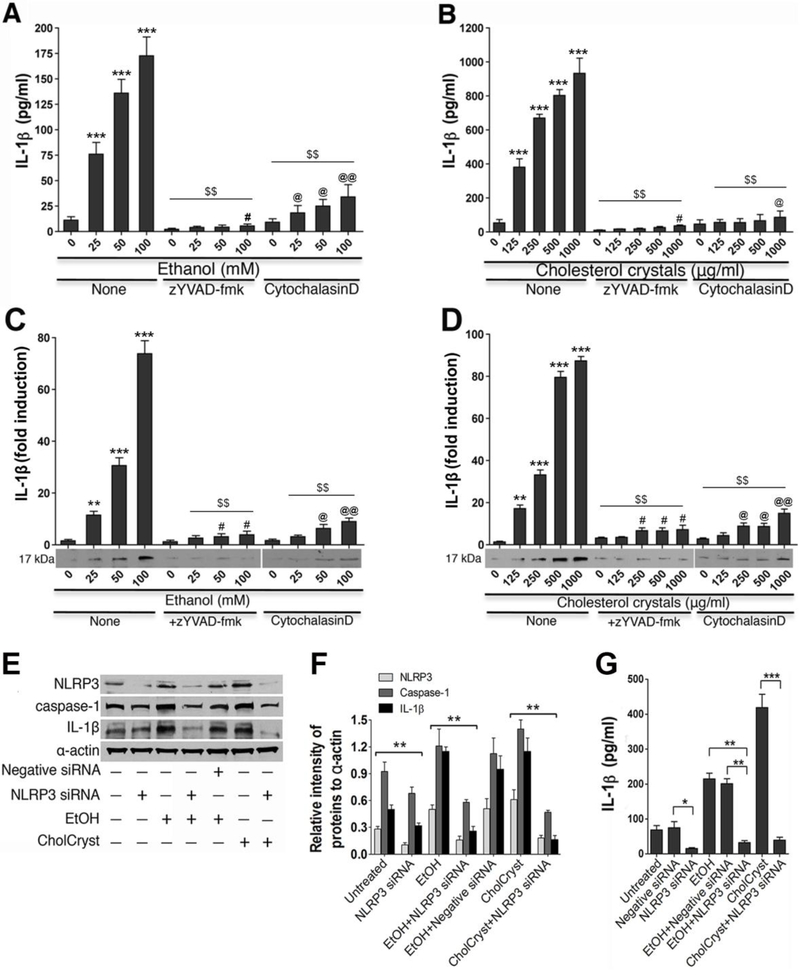
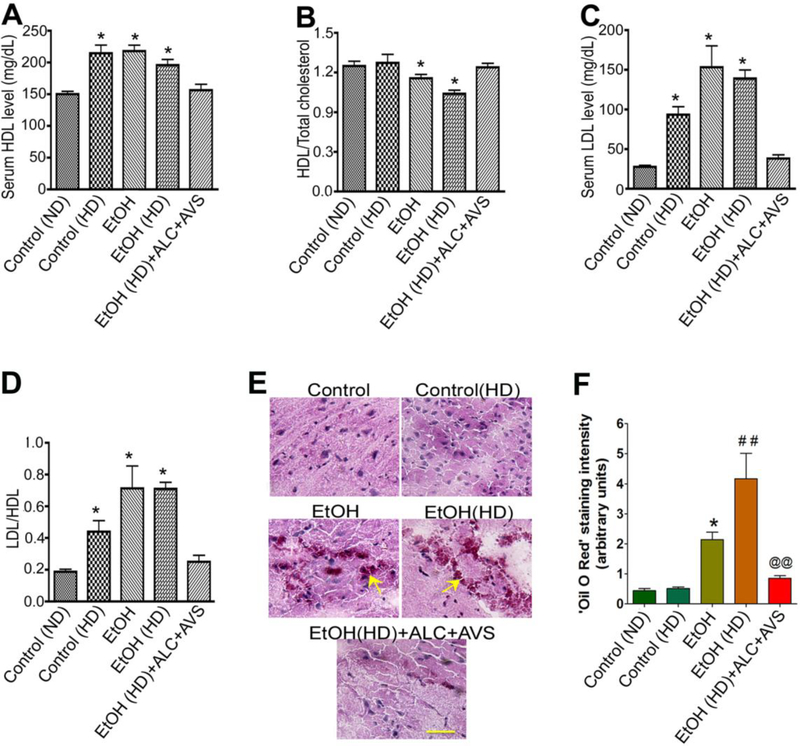
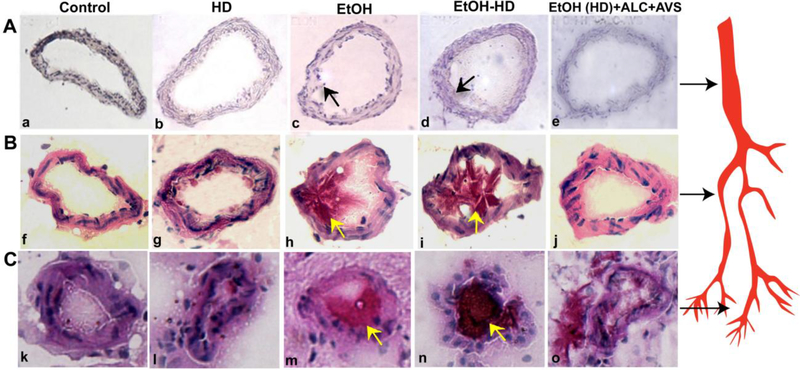
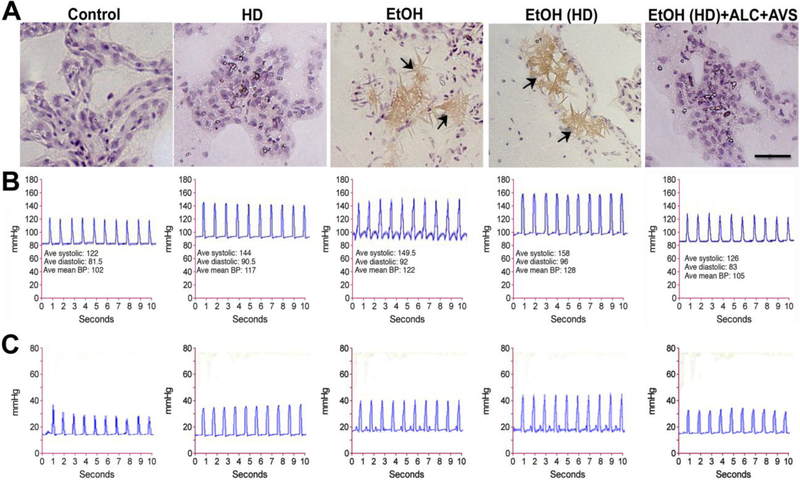
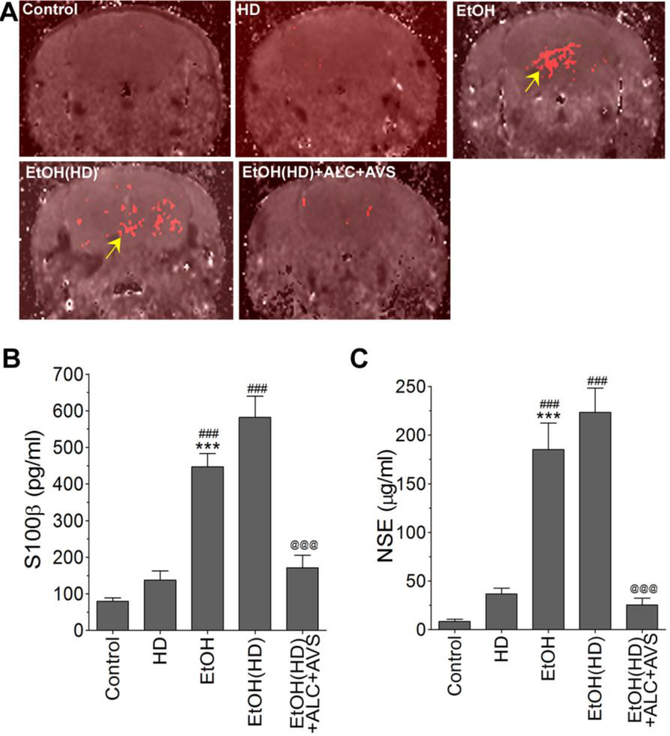
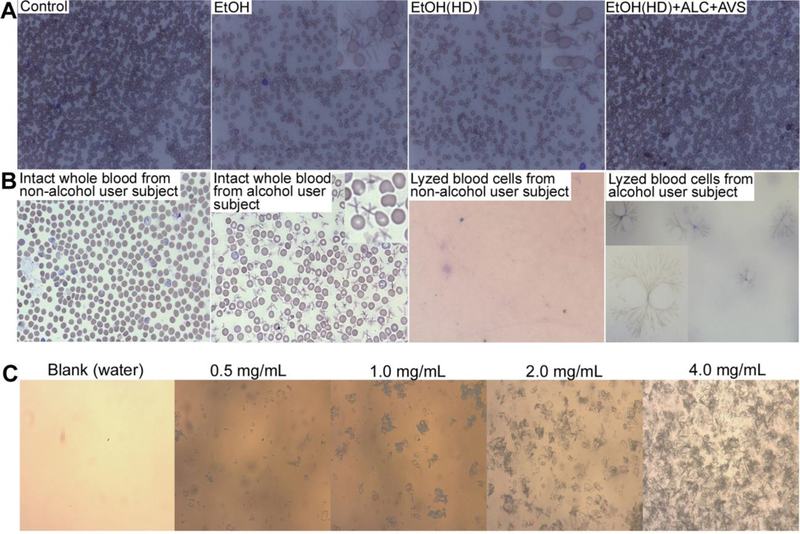
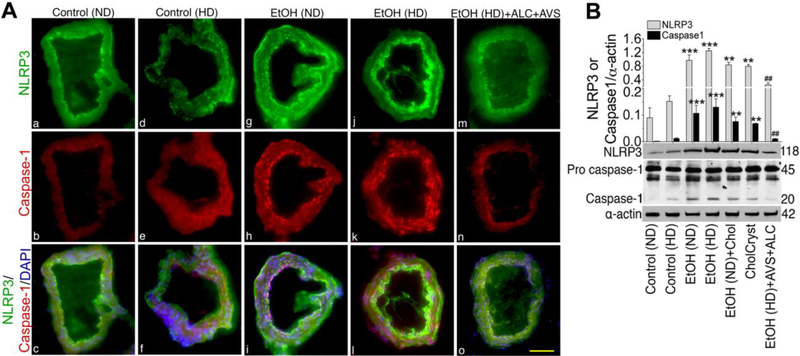
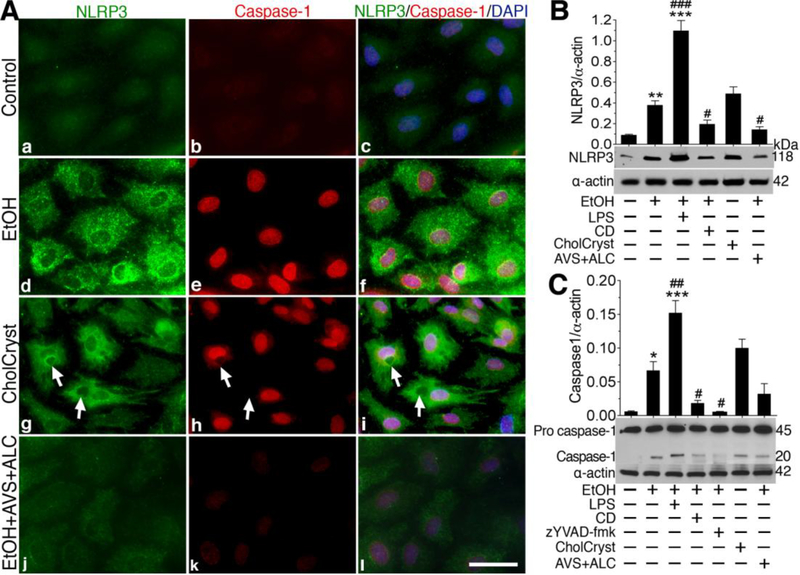
Epidemiological studies showed a strong association between alcoholism and incidence of stroke, for which the underlying causative mechanisms remain to be understood. Here we found that infiltration of immune cells and deposition of cholesterol at the site of brain artery/capillary injury induced atherosclerosis in chronic alcohol (ethanol) consumption in the presence or absence of high-fat diet. Conversion of cholesterol into sharp edges of cholesterol crystals (CCs) in alcohol intake was key to activation of NLRP3 inflammasome, induction of cerebral atherosclerosis, and development of neuropathy around the atherosclerotic lesions. The presence of alcohol was critical for the formation of CCs and development of the neuropathology. Thus, we observed that alcohol consumption elevated the level of plasma cholesterol, deposition and crystallization of cholesterol, as well as activation of NLRP3 inflammasome. This led to arteriole or capillary walls thickening and increase intracranial blood pressure. Distinct neuropathy around the atherosclerotic lesions indicated vascular inflammation as an initial cause of neuronal degeneration. We demonstrated the molecular mechanisms of NLRP3 activation and downstream signaling cascade event in primary culture of human brain arterial/capillary endothelial cells in the setting of dose-/time-dependent effects of alcohol/CCs using NLRP3 gene silencing technique. We also detected CCs in blood samples from alcohol users, which validated the clinical importance of the findings. Finally, combined therapy of acetyl-l-carnitine and Lipitor® prevented deposition of cholesterol, formation of CCs, activation of NLRP3, thickening of vessel walls, and elevation of intracranial blood pressure. We conclude that alcohol-induced accumulation and crystallization of cholesterol activates NLRP3/caspase-1 in the cerebral vessel that leads to early development of atherosclerosis.
流行病学研究表明,酗酒与中风的发生之间存在很强的关联,但其中的潜在因果机制尚不清楚。在这里,我们发现,在存在或不存在高脂肪饮食的情况下,慢性酒精(乙醇)摄入会导致脑动脉/毛细血管损伤部位免疫细胞浸润和胆固醇沉积,从而引发动脉粥样硬化。胆固醇转化为胆固醇晶体(CCs)的尖锐边缘是激活 NLRP3 炎症小体、诱导脑动脉粥样硬化以及在动脉粥样硬化病变周围发展神经病变的关键。酒精的存在对于 CCs 的形成和神经病理学的发展是至关重要的。因此,我们观察到酒精摄入会升高血浆胆固醇水平、胆固醇沉积和结晶、以及 NLRP3 炎症小体的激活。这导致小动脉或毛细血管壁变厚,颅内血压升高。在动脉粥样硬化病变周围出现明显的神经病变表明血管炎症是神经元退化的初始原因。我们使用 NLRP3 基因沉默技术,在人类脑动脉/毛细血管内皮细胞的原代培养中,研究了 NLRP3 激活及其下游信号级联事件的分子机制,该研究还检测到了酒精使用者血液样本中的 CCs,这验证了这些发现的临床重要性。最后,乙酰左旋肉碱和立普妥®的联合治疗可以预防胆固醇沉积、CCs 的形成、NLRP3 的激活、血管壁变厚和颅内血压升高。我们的结论是,酒精诱导的胆固醇积累和结晶激活了大脑血管中的 NLRP3/caspase-1,从而导致动脉粥样硬化的早期发展。