Chi Wei, Hua Xia, Chen Xin, Bian Fang, Yuan Xiaoyong, Zhang Lili, Wang Xiaoran, Chen Ding, Deng Ruzhi, Li Zhijie, Liu Yizhi, de Paiva Cintia S, Pflugfelder Stephen C, Li De-Quan
State Key Laboratory of Ophthalmology, Zhongshan Ophthalmic Center, Sun Yat-sen University, Guangzhou, China; Ocular Surface Center, Cullen Eye Institute, Department of Ophthalmology, Baylor College of Medicine, Houston, TX, USA.
Ocular Surface Center, Cullen Eye Institute, Department of Ophthalmology, Baylor College of Medicine, Houston, TX, USA; Second Hospital of Tianjin Medical University, Tianjin, China.
J Autoimmun. 2017 Jun;80:65-76. doi: 10.1016/j.jaut.2017.02.006. Epub 2017 Feb 24.
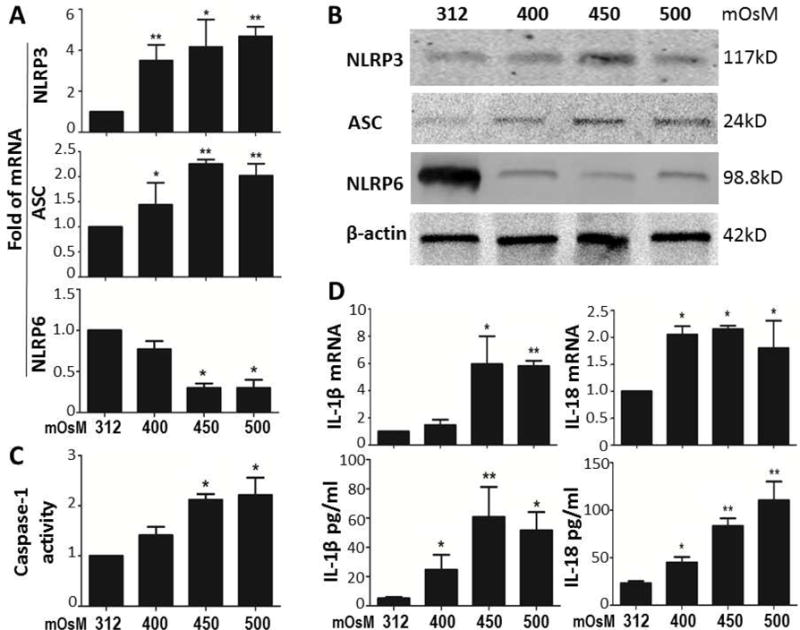
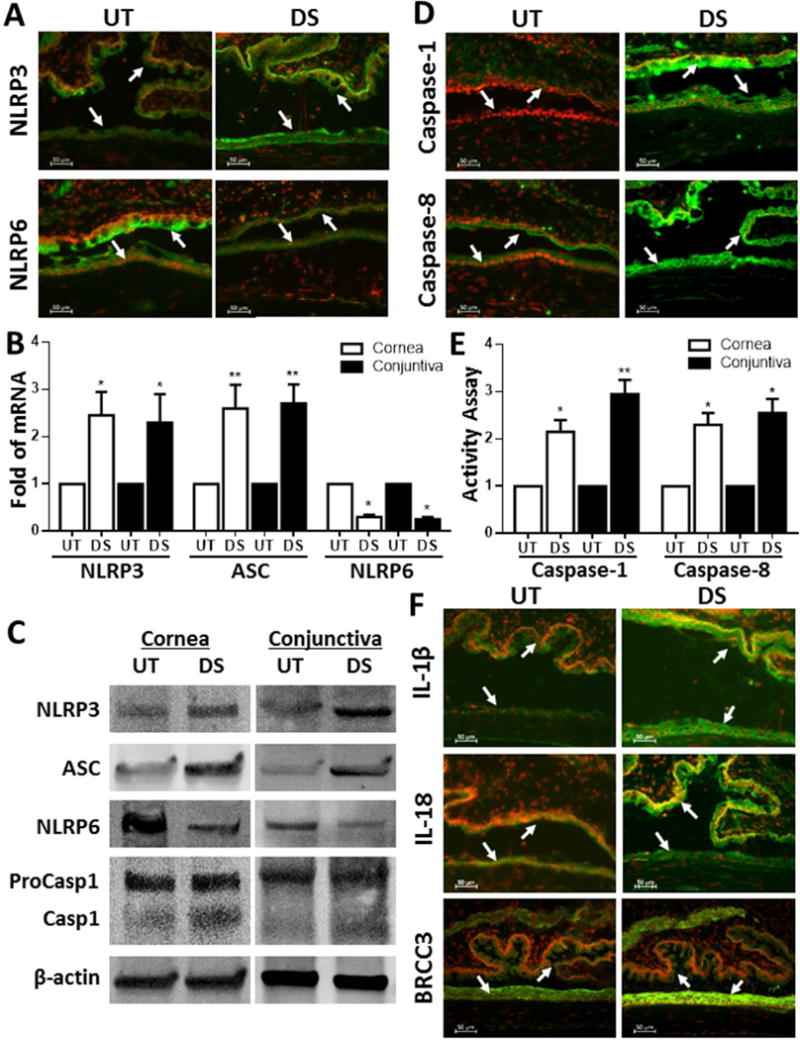
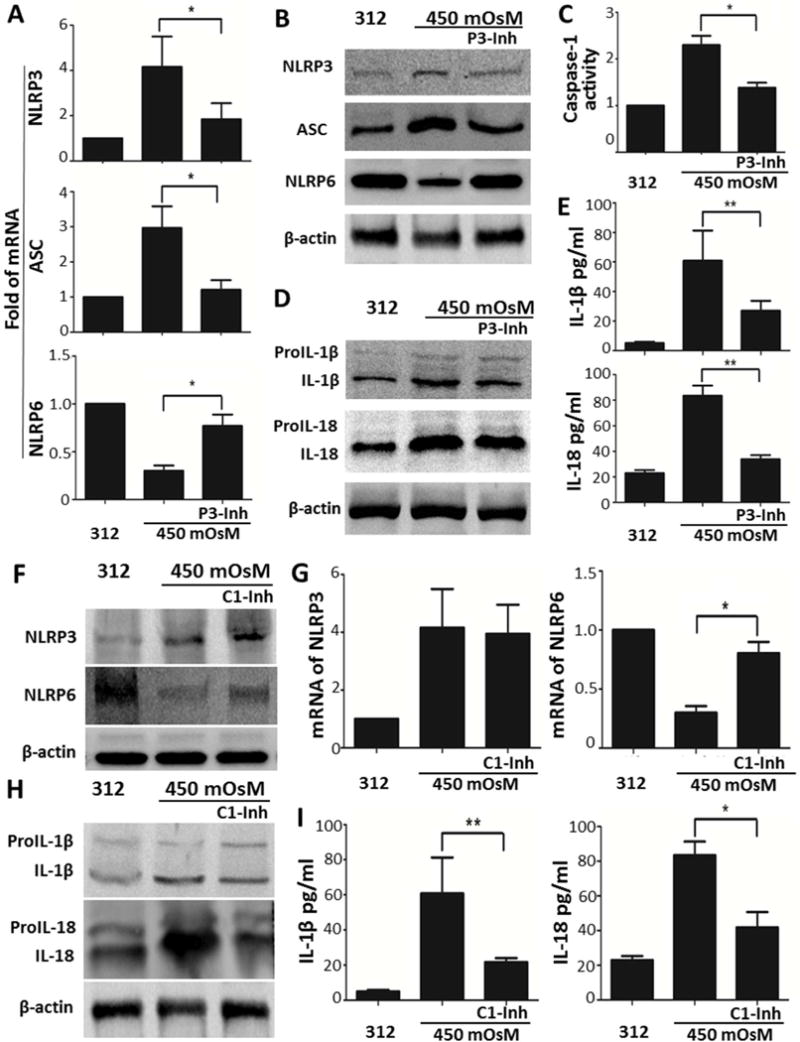
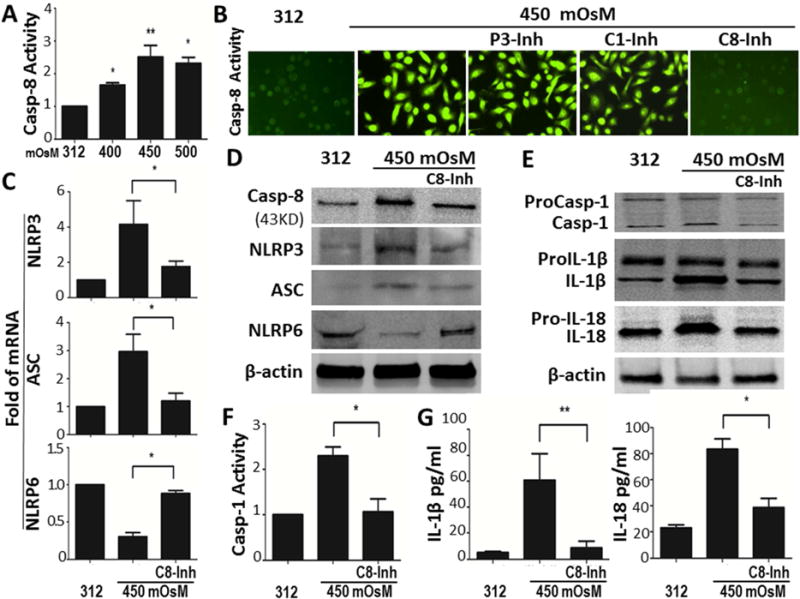
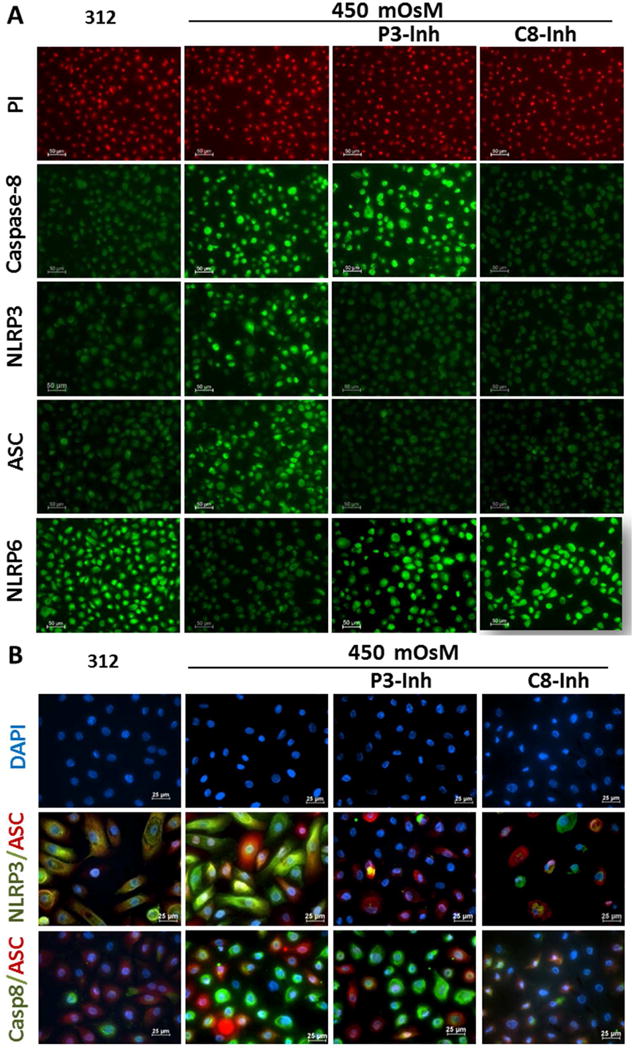
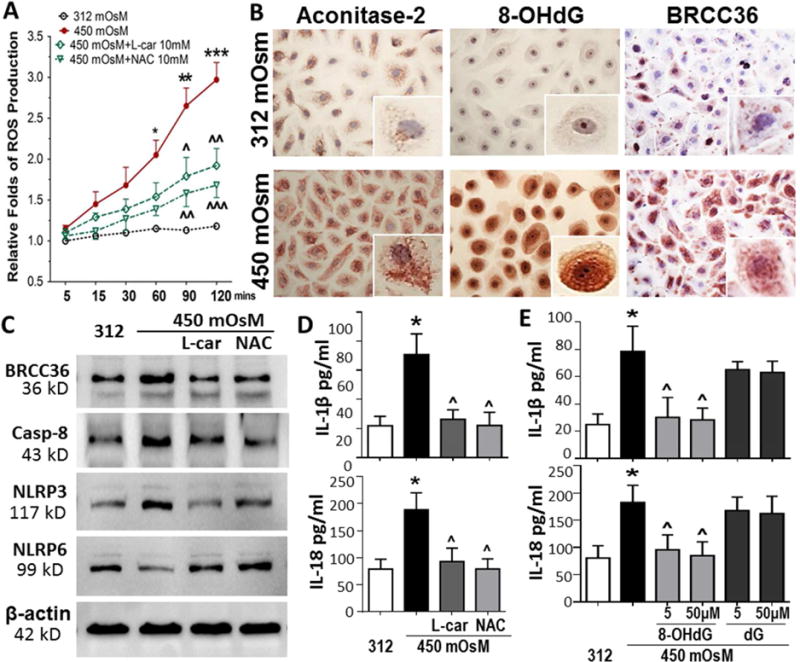
The concept of innate immunity has been expanded to recognize environmental pathogens other than microbial components. However, whether and how the innate immunity is initiated by epithelium in response to environmental physical challenges such as low humidity and high osmolarity in an autoimmune disease, dry eye, is still largely unknown. Using two experimental dry eye models, primary human corneal epithelial cultures exposed to hyperosmolarity and mouse ocular surface facing desiccating stress, we uncovered novel innate immunity pathway by ocular surface epithelium, where oxidized mitochondrial DNA induces imbalanced activation of NLRP3/NLRP6 inflammasomes via stimulation of caspase-8 and BRCC36 in response to environmental stress. Activated NLRP3 with suppressed NLRP6 stimulates caspase-1 activation that leads to IL-1β and IL-18 maturation and secretion. NLRP3-independent caspase-8 noncanonically activates caspase-1 via reciprocal regulation of NLRP3/NLRP6-mediated inflammasomes. Reactive oxygen species-induced mitochondrial DNA oxidative damage and BRCC36 deubiquitinating activity provide a missing link and mechanism by which innate immunity responds to environmental stress via caspase-8-involved NLRP3/NLRP6 inflammasomes.
固有免疫的概念已得到扩展,以识别除微生物成分以外的环境病原体。然而,在自身免疫性疾病——干眼——中,上皮细胞是否以及如何响应低湿度和高渗透压等环境物理挑战而启动固有免疫,在很大程度上仍不清楚。利用两种实验性干眼模型,即暴露于高渗环境的原代人角膜上皮培养物和面临干燥应激的小鼠眼表,我们发现了眼表上皮细胞的新型固有免疫途径,其中氧化的线粒体DNA通过在环境应激反应中刺激半胱天冬酶-8和BRCC36,诱导NLRP3/NLRP6炎性小体的失衡激活。被激活的NLRP3与受抑制的NLRP6一起刺激半胱天冬酶-1的激活,从而导致白细胞介素-1β和白细胞介素-18的成熟和分泌。不依赖NLRP3的半胱天冬酶-8通过对NLRP3/NLRP6介导的炎性小体的相互调节,非经典地激活半胱天冬酶-1。活性氧诱导的线粒体DNA氧化损伤和BRCC36去泛素化活性提供了一个缺失的环节和机制,通过该机制固有免疫通过涉及半胱天冬酶-8的NLRP3/NLRP6炎性小体对环境应激作出反应。