Trapecar Martin, Cencic Avrelija
Department of Biochemistry and Nutrition, University of Maribor, Faculty of Medicine, Slomskov trg 15, Maribor 2000, Slovenia.
Foods. 2012 Dec 13;1(1):40-51. doi: 10.3390/foods1010040.
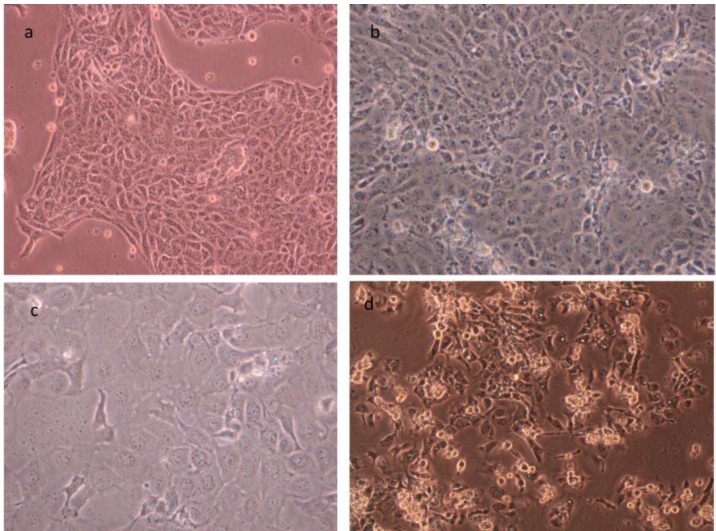
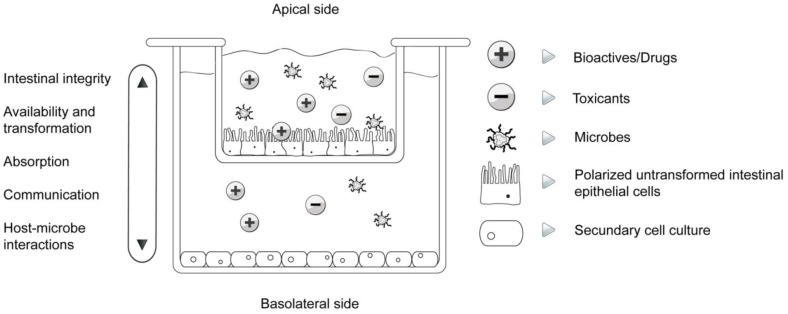
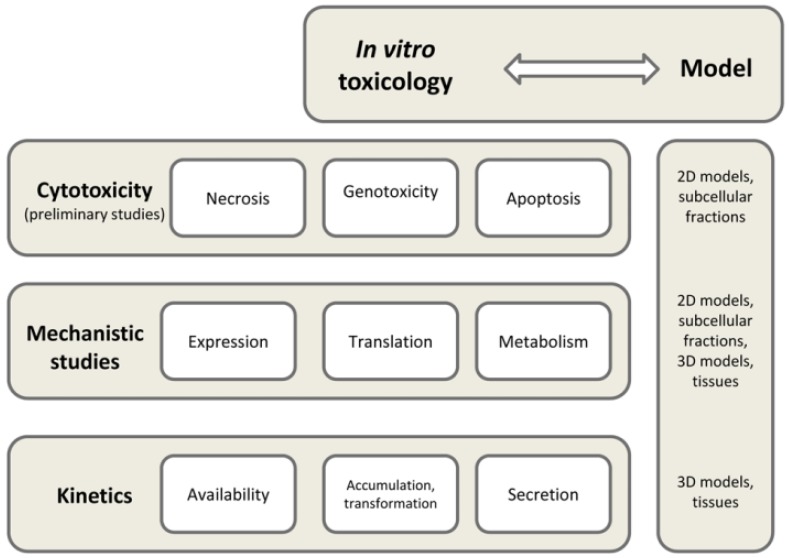
The concept of functional and novel foods undoubtedly bears great potential as an asset to human health. However, this very same quest for ever new bioactive ingredients calls for reliable and distinct risk assessment as they may be potentially hazardous to human health. Most of today's methodologies still rely on decades old routines of animal trials and use of tumor-derived cell lines. Since such methodologies are not in line with the actual processes in the human body and with the 3R (replacement, reduction, refinement) concept, the results are often unreliable and misleading. Therefore, in this paper we propose the utilization of available untransformed small intestinal cell lines derived from human and pig tissue of non-tumor origin and describe several available cell models of the gut that offer a functional, close resemblance with the in vivo environment.
功能性和新型食品的概念无疑具有作为人类健康资产的巨大潜力。然而,对新的生物活性成分的追求需要可靠且独特的风险评估,因为它们可能对人类健康具有潜在危害。当今大多数方法仍依赖数十年前的动物试验和肿瘤衍生细胞系的使用常规。由于这些方法与人体中的实际过程以及3R(替代、减少、优化)概念不一致,结果往往不可靠且具有误导性。因此,在本文中,我们建议利用源自人类和非肿瘤来源猪组织的可用未转化小肠细胞系,并描述几种可用的肠道细胞模型,这些模型在功能上与体内环境极为相似。