Marshall Alison, Celentano Antonio, Cirillo Nicola, McCullough Michael, Porter Stephen
University College London, UCL Eastman Dental Institute, London, United Kingdom.
Department of Neurosciences, Reproductive and Odontostomatological Sciences, University Federico II of Naples, Naples, Italy.
PLoS One. 2017 Mar 2;12(3):e0172821. doi: 10.1371/journal.pone.0172821. eCollection 2017.
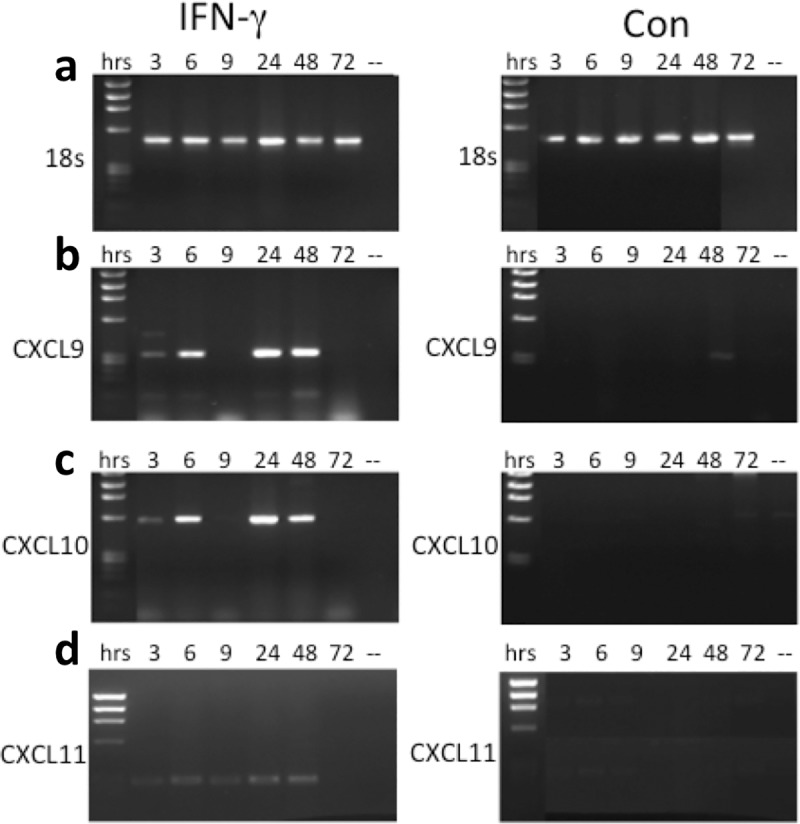
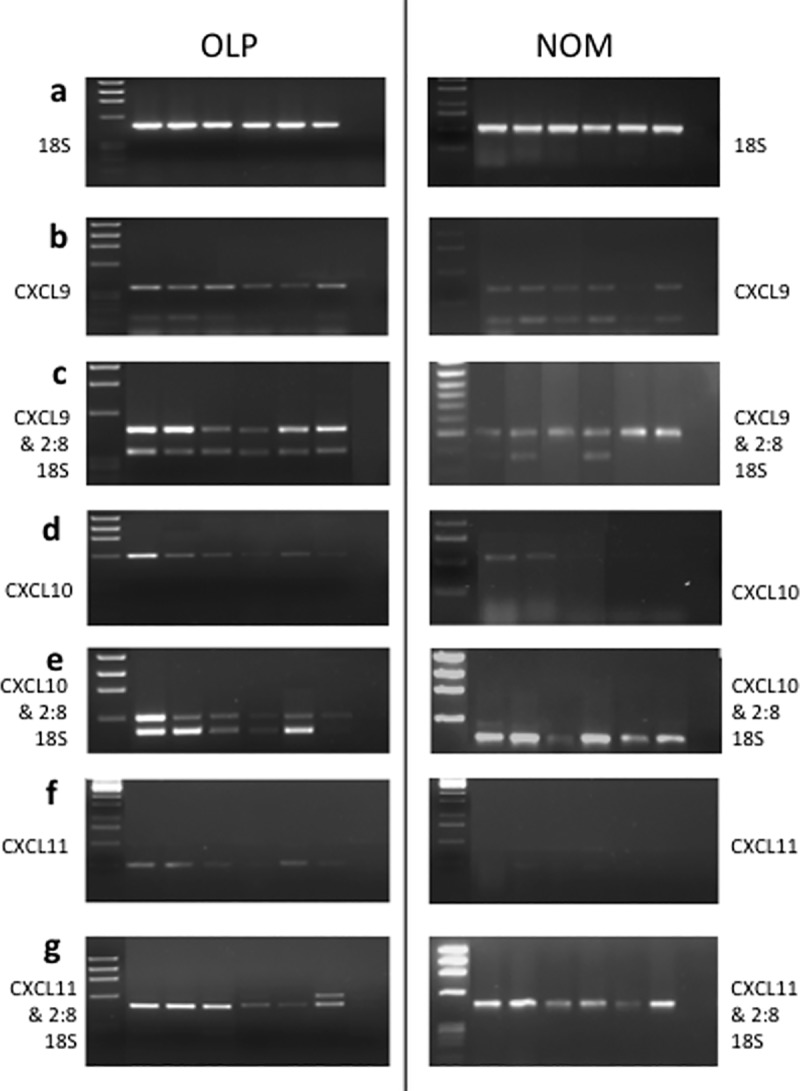
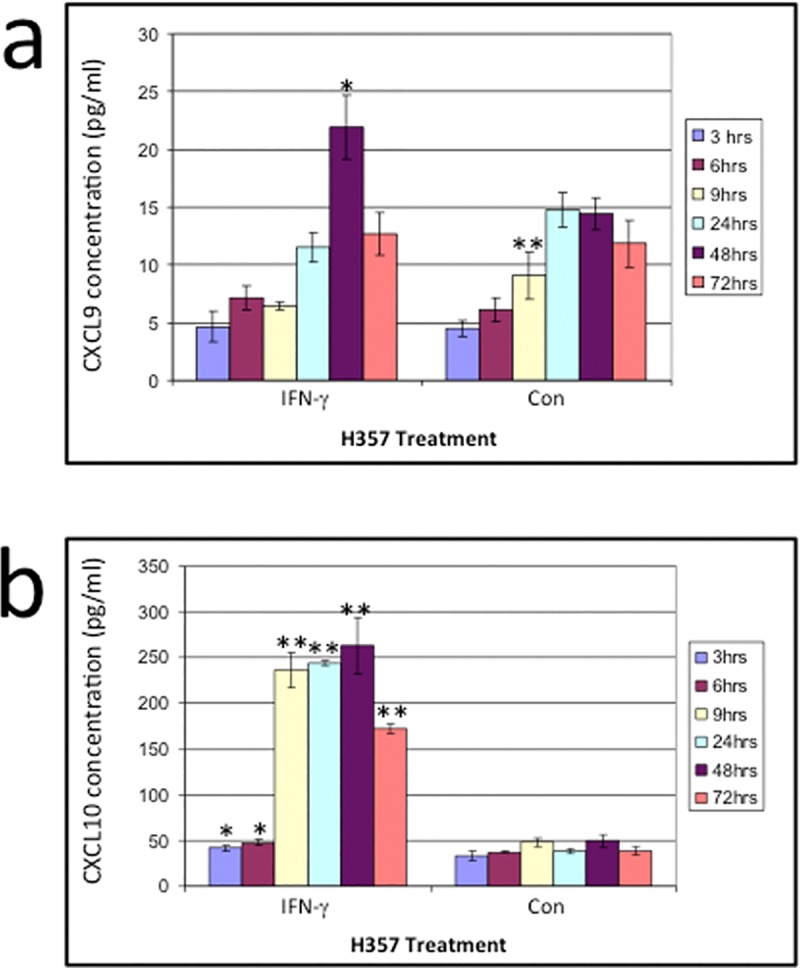
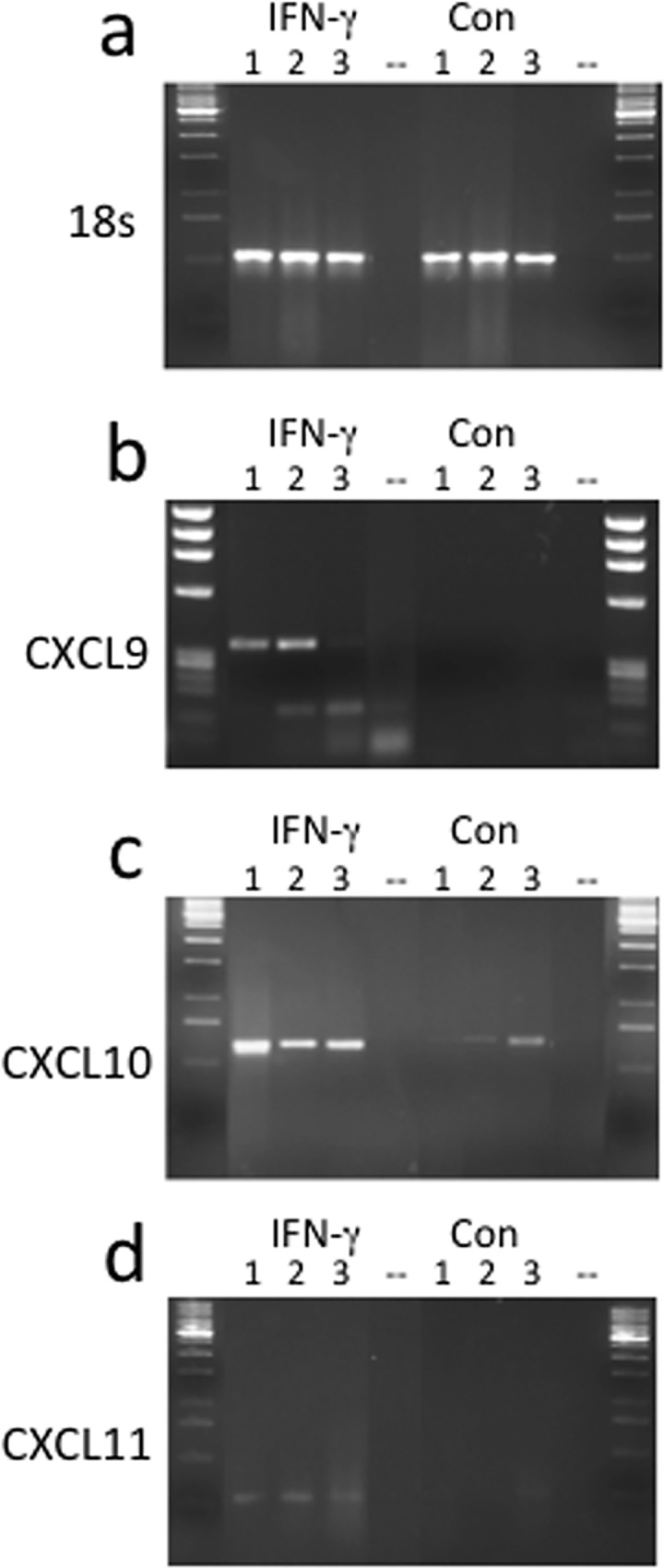
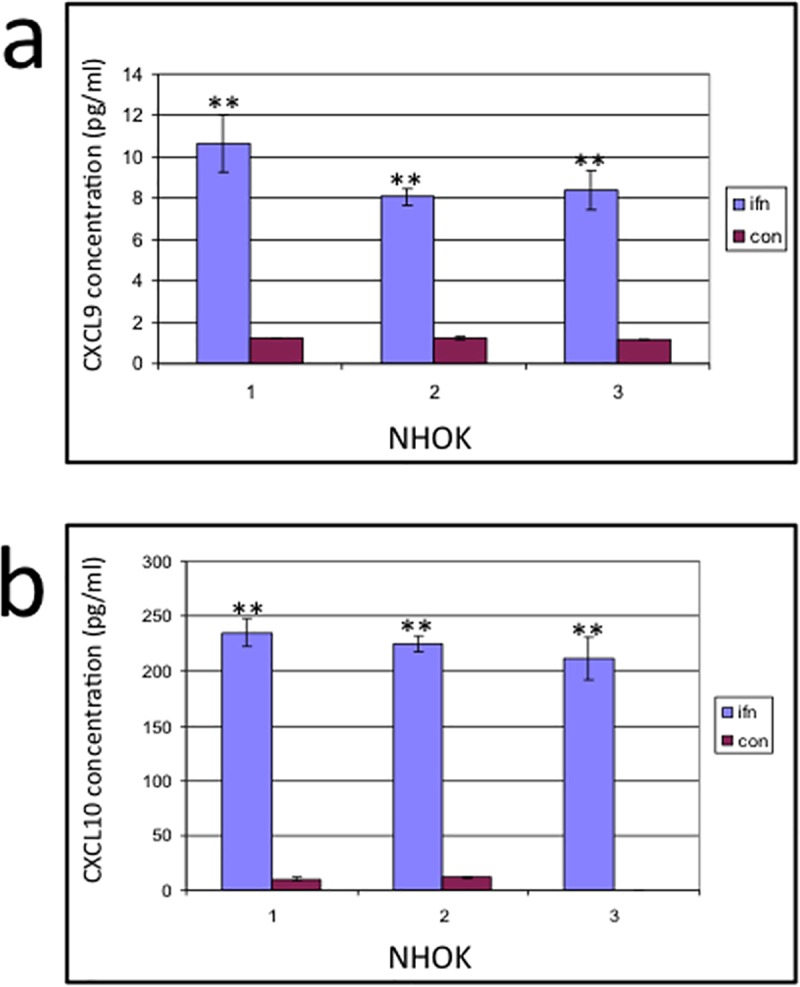
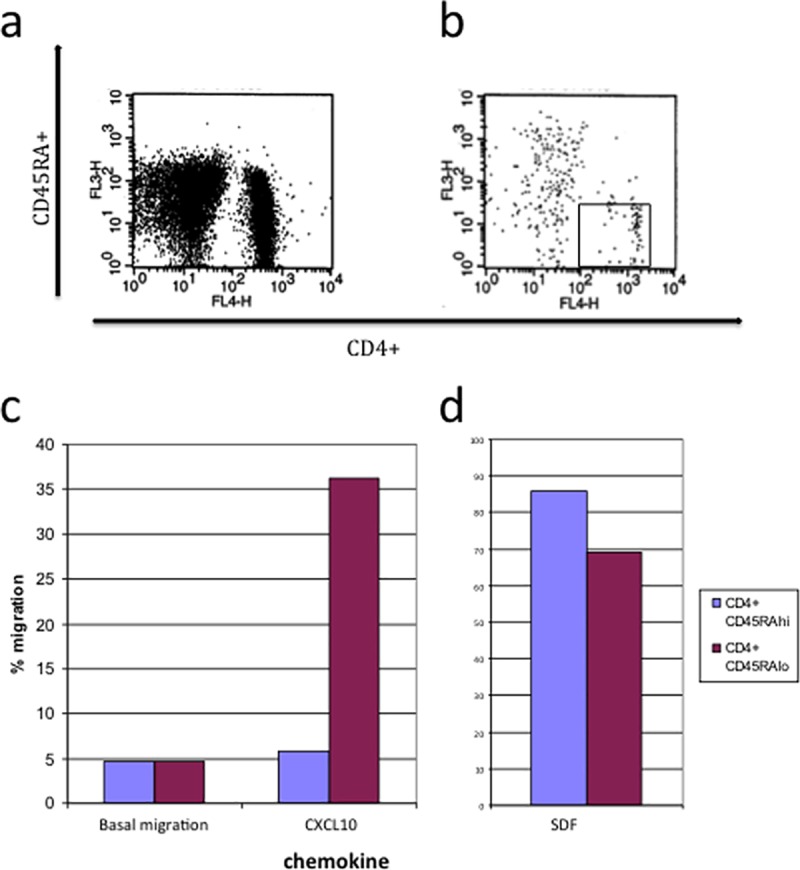
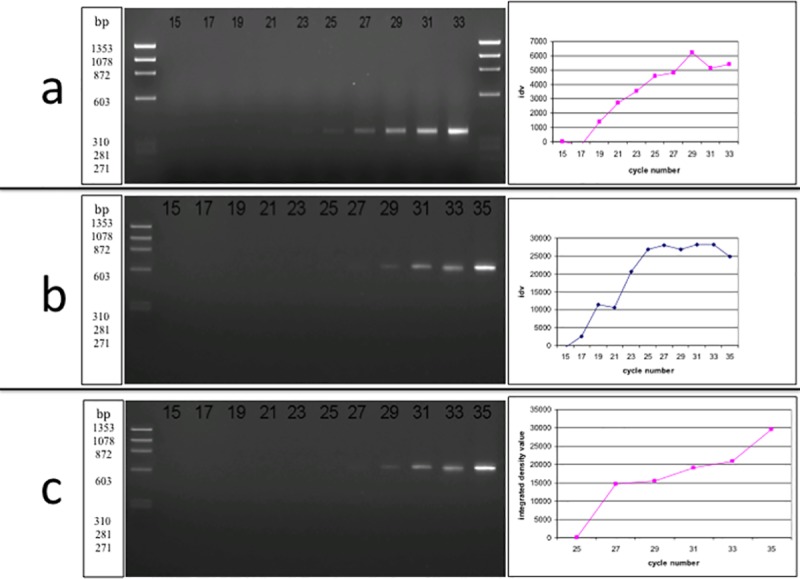
The IFN-γ-inducible chemokines CXCL9, CXCL10, and CXCL11 play a key role in many inflammatory conditions, particularly those mediated by T cells. Therefore, the production of these chemokines in peripheral tissues could be instrumental in the pathophysiology of tissue-specific immunological diseases such as oral lichen planus (OLP). In the present study, we assessed the production of keratinocyte-derived CXCL9/10/11 under basal and inflammatory conditions and investigated whether these chemokines were involved in the pathogenesis of OLP. We used semi-quantitative PCR, ELISA, chemotaxis assays, and fluorescence-activated cell sorting (FACS) to assess the expression and functional role of CXCL9/10/11 in oral keratinocytes (three strains of normal human oral keratinocytes (NHOK), and the H357 oral cancer cell line) in the presence or absence of IFN-γ. CXCL9/10/11 were also assessed in tissues from normal patients and those with oral lichen planus (OLP). The time course study in oral keratinocytes treated with IFN-γ showed that expression of CXCL9/10/11 chemokines was significantly enhanced by IFN-γ in a time-dependent manner. In particular, CXCL10, a prominent chemokine that was overexpressed by IFN-γ-stimulated NHOK, was able to effectively recruit CD4 lymphocytes, mainly CD4+CD45RA- cells. Significantly higher levels of CXCL9/10/11 were found in tissues from patients with OLP compared to normal oral mucosa. Taken together, the results demonstrate that normal oral keratinocytes produce chemotactic molecules that mediate T cell recruitment. This study furthers understanding of chemokine production in oral keratinocytes and their role in the pathophysiology of oral mucosa, with particular relevance to OLP.
干扰素-γ诱导的趋化因子CXCL9、CXCL10和CXCL11在许多炎症状态中发挥关键作用,尤其是那些由T细胞介导的炎症。因此,这些趋化因子在周围组织中的产生可能在诸如口腔扁平苔藓(OLP)等组织特异性免疫疾病的病理生理学中起作用。在本研究中,我们评估了在基础和炎症条件下角质形成细胞衍生的CXCL9/10/11的产生,并研究了这些趋化因子是否参与OLP的发病机制。我们使用半定量PCR、酶联免疫吸附测定(ELISA)、趋化性分析以及荧光激活细胞分选(FACS)来评估CXCL9/10/11在存在或不存在干扰素-γ的情况下在口腔角质形成细胞(三株正常人口腔角质形成细胞(NHOK)以及H357口腔癌细胞系)中的表达和功能作用。还在正常患者和口腔扁平苔藓(OLP)患者的组织中评估了CXCL9/10/11。用干扰素-γ处理口腔角质形成细胞的时间进程研究表明,干扰素-γ以时间依赖性方式显著增强了CXCL9/10/11趋化因子的表达。特别是,CXCL10是一种突出的趋化因子,由干扰素-γ刺激的NHOK过表达,它能够有效募集CD4淋巴细胞,主要是CD4+CD45RA-细胞。与正常口腔黏膜相比,在OLP患者的组织中发现CXCL9/10/11的水平显著更高。综上所述,结果表明正常口腔角质形成细胞产生介导T细胞募集的趋化分子。本研究进一步加深了对口腔角质形成细胞中趋化因子产生及其在口腔黏膜病理生理学中的作用的理解,特别是与OLP的相关性。