Heftrig David, Sturm Ramona, Oppermann Elsie, Kontradowitz Kerstin, Jurida Katrin, Schimunek Lukas, Woschek Mathias, Marzi Ingo, Relja Borna
Department of Trauma, Hand and Reconstructive Surgery, Goethe University, Frankfurt, Germany.
Department of General and Visceral Surgery, Goethe University, Frankfurt, Germany.
Mediators Inflamm. 2017;2017:2608349. doi: 10.1155/2017/2608349. Epub 2017 Feb 1.
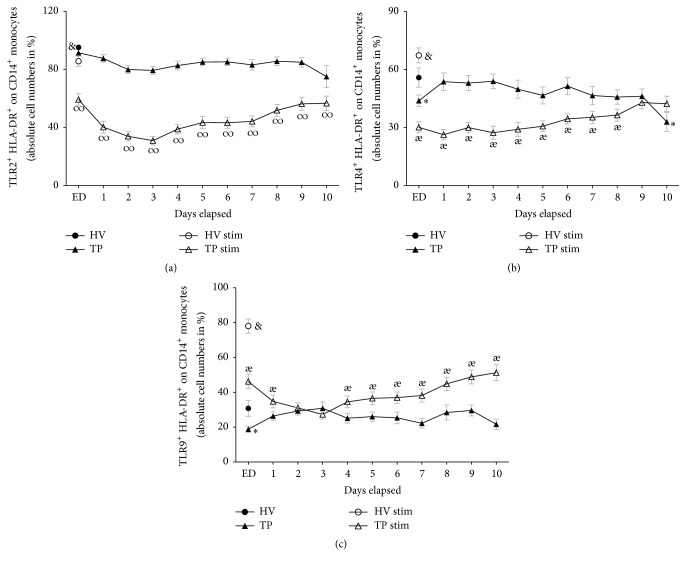
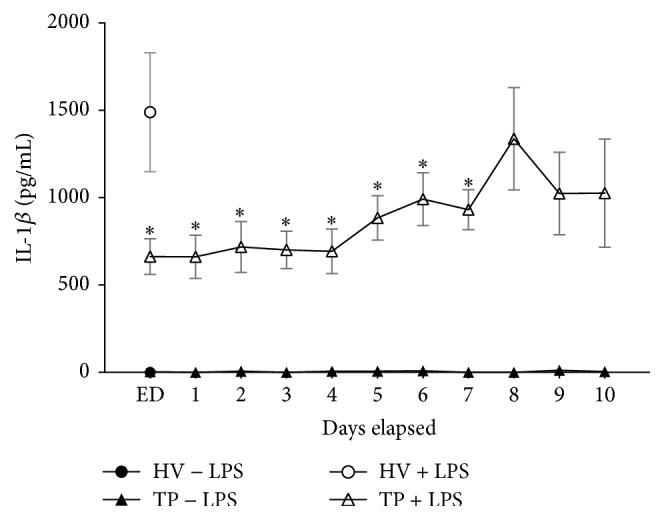
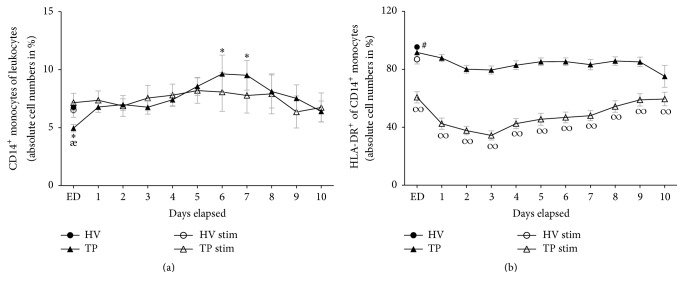
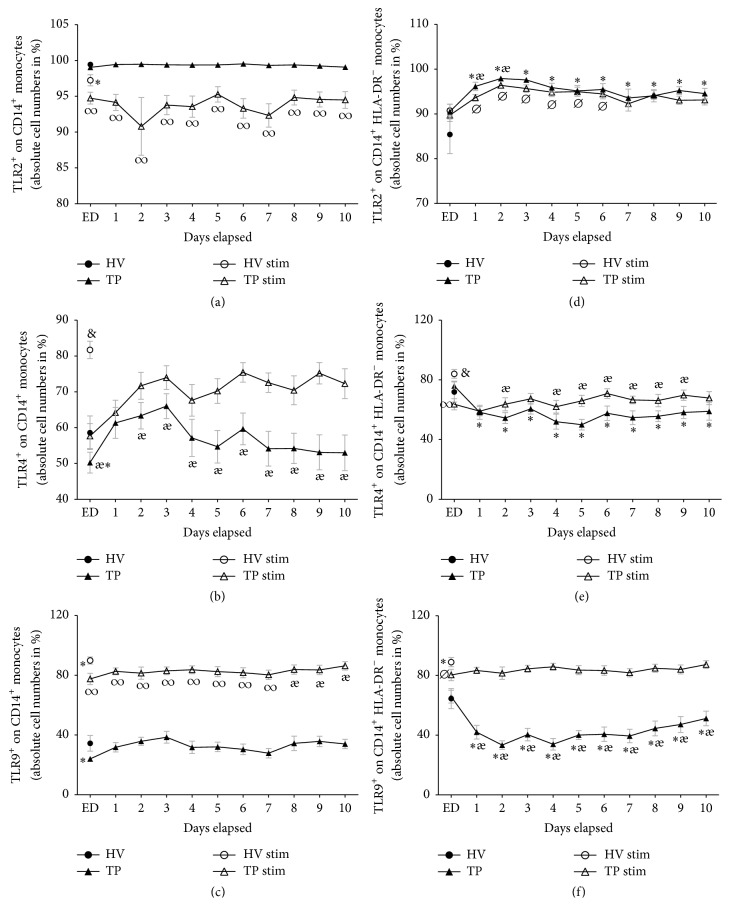
. Trauma patients (TP) frequently develop an imbalanced immune response that often causes infectious postinjury complications. Monocytes show a diminished capability of both producing proinflammatory cytokines and antigen presentation after trauma. TLR2, TLR4, and TLR9 recognize pathogens and subsequently activate monocytes. While there are conflictive data about TLR2 and TLR4 expression after trauma, no studies about the expression of TLR2, TLR4, TLR9, and HLA-DR on monocytes from TP after their secondary ex vivo-in vitro "hit" have been reported. . Ex vivo-in vitro lipopolysaccharide- (LPS-) stimulated blood from TP showed diminished interleukin- (IL-) 1-release in TP for five postinjury days compared to healthy volunteers (HV). The recovery was observed at day 5. In parallel, monocytes from TP showed an impaired capability of TLR2, TLR4, and TLR9 expression after secondary stimulation compared to HV, while the measurement of unstimulated samples showed significant reduction of TLR4 and TLR9 at ED. Furthermore, HLA-DR decreased after trauma and was even more profound by stimulation of monocytes. Ratio of monocytes to leukocytes was significantly increased at days 6 and 7 after trauma compared to HV. . Impaired expression of TLRs and HLA-DR in acute inflammatory conditions may be responsible for the well-described monocyte paralysis after severe trauma.
创伤患者(TP)常出现免疫反应失衡,这往往会导致伤后感染并发症。创伤后单核细胞产生促炎细胞因子和抗原呈递的能力均下降。Toll样受体2(TLR2)、Toll样受体4(TLR4)和Toll样受体9(TLR9)可识别病原体并随后激活单核细胞。虽然关于创伤后TLR2和TLR4表达的数据存在矛盾,但尚未有关于创伤患者单核细胞在体外二次“刺激”后TLR2、TLR4、TLR9和人类白细胞抗原DR(HLA-DR)表达的研究报道。与健康志愿者(HV)相比,创伤患者经体外脂多糖(LPS)刺激的血液在伤后5天内白细胞介素-1(IL-1)释放减少。在第5天观察到恢复情况。同时,与健康志愿者相比,创伤患者的单核细胞在二次刺激后TLR2、TLR4和TLR9表达能力受损,而未刺激样本的检测显示急诊时TLR4和TLR9显著降低。此外,创伤后HLA-DR降低,单核细胞受到刺激后降低更明显。与健康志愿者相比,创伤后第6天和第7天单核细胞与白细胞的比例显著增加。急性炎症状态下TLR和HLA-DR表达受损可能是严重创伤后单核细胞麻痹的原因。