Lai Jin-Lun, Liu Yu-Hui, Peng Yong-Chong, Ge Pan, He Chen-Fei, Liu Chang, Chen Ying-Yu, Guo Ai-Zhen, Hu Chang-Min
The Faculty of Veterinary Medicine, Huazhong Agricultural University, Wuhan 430070, China.
The Faculty of Animal Sciences and Technology, Huazhong Agricultural University, Wuhan 430070, China.
Mediators Inflamm. 2017;2017:3082805. doi: 10.1155/2017/3082805. Epub 2017 Feb 1.
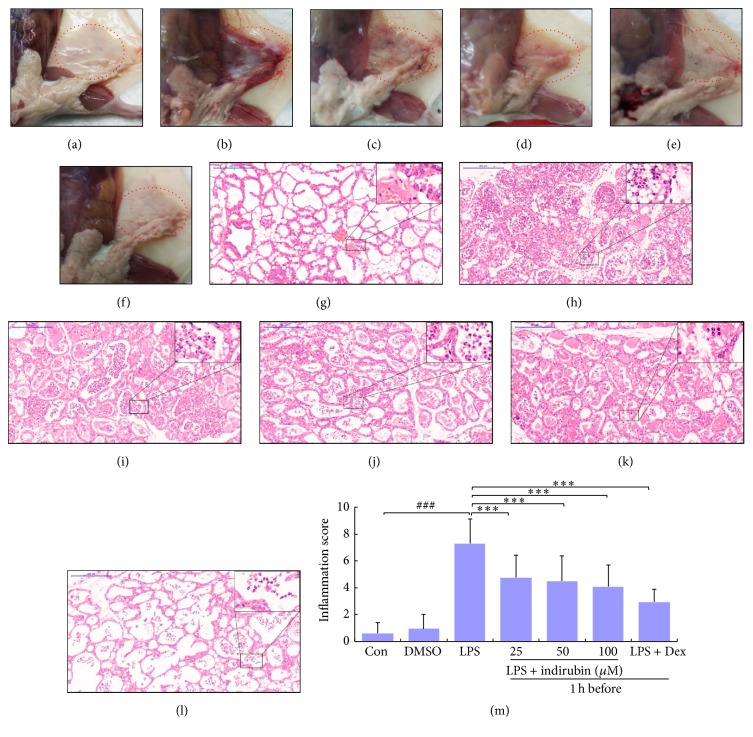
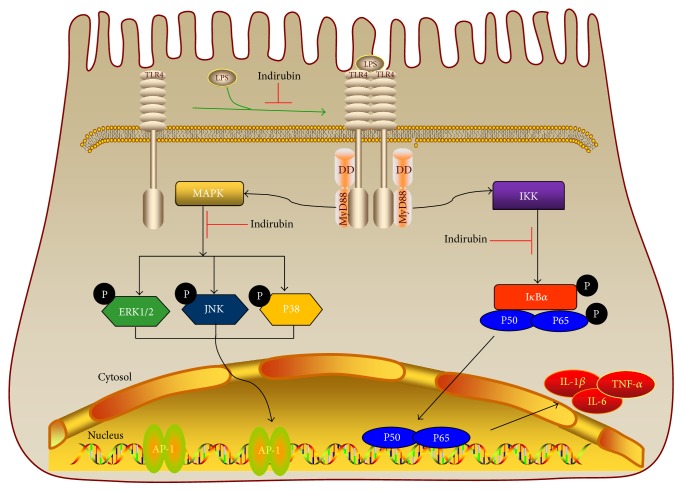
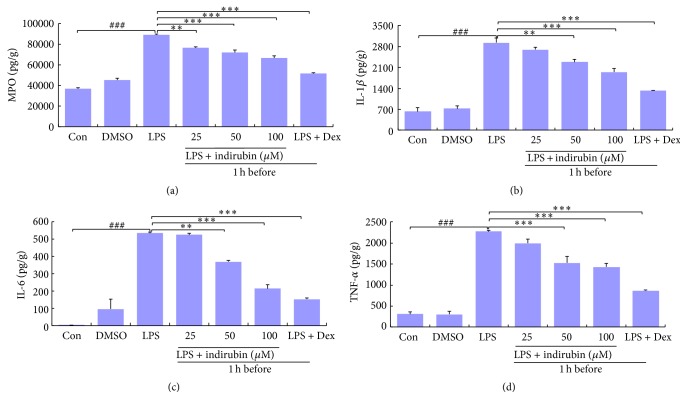
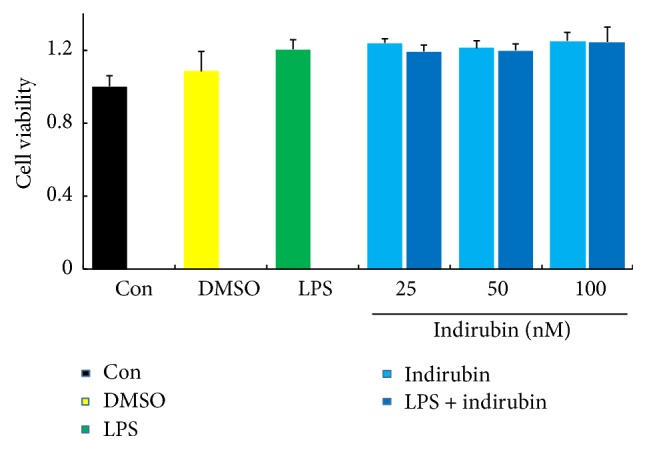
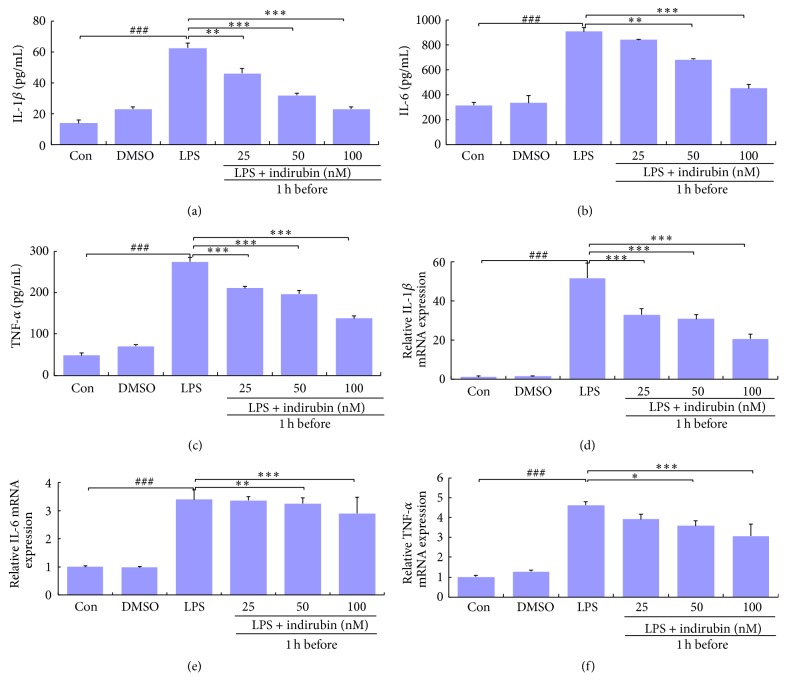
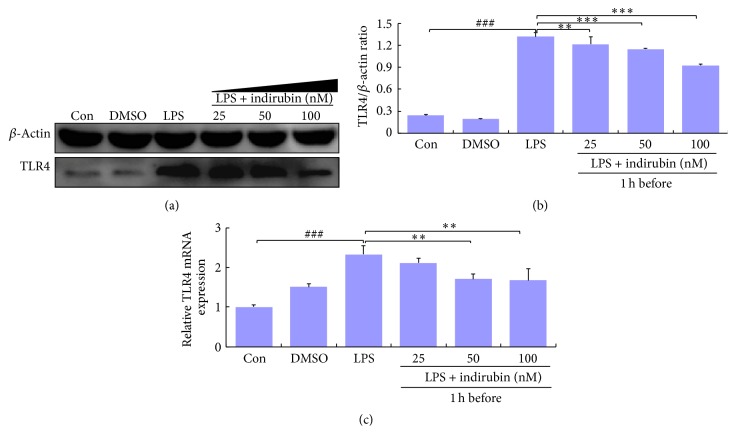
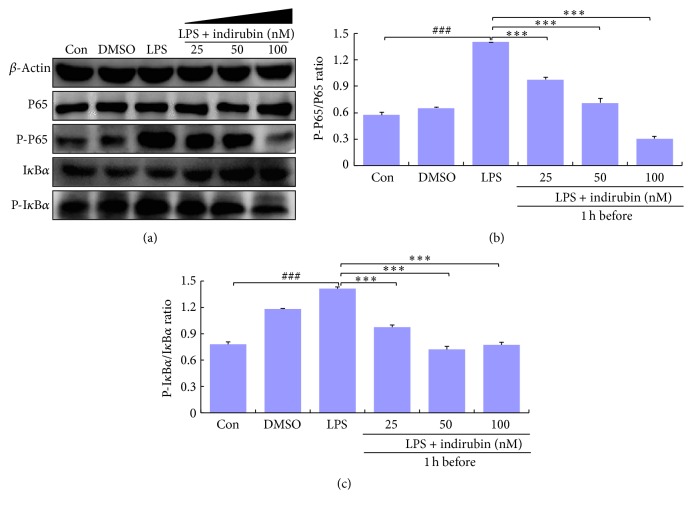
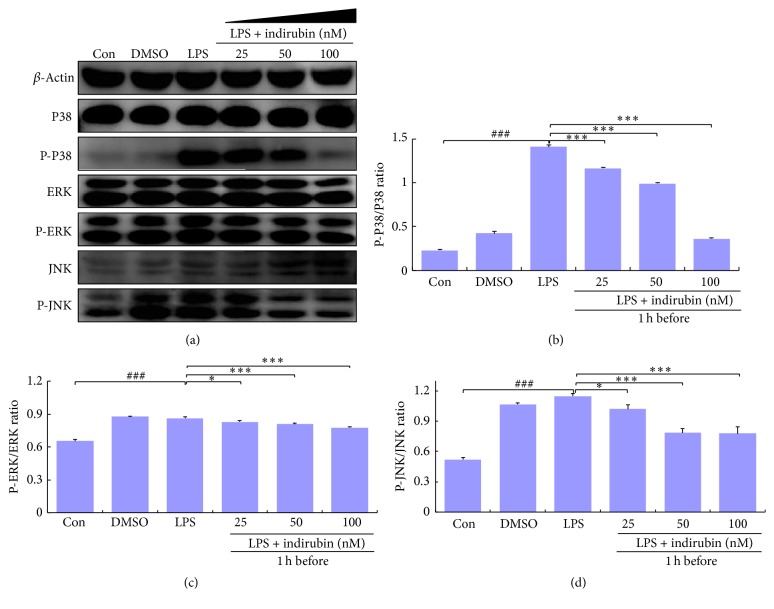
Indirubin is a Chinese medicine extracted from indigo and known to be effective for treating chronic myelogenous leukemia, neoplasia, and inflammatory disease. This study evaluated the in vivo anti-inflammatory activity of indirubin in a lipopolysaccharide- (LPS-) induced mouse mastitis model. The indirubin mechanism and targets were evaluated in vitro in mouse mammary epithelial cells. In the mouse model, indirubin significantly attenuated the severity of inflammatory lesions, edema, inflammatory hyperemia, milk stasis and local tissue necrosis, and neutrophil infiltration. Indirubin significantly decreased myeloperoxidase activity and downregulated the production of tumor necrosis factor-, interleukin-1 (IL-1), and IL-6 caused by LPS. In vitro, indirubin inhibited LPS-stimulated expression of proinflammatory cytokines in a dose-dependent manner. It also downregulated LPS-induced toll-like receptor 4 (TLR4) expression and inhibited phosphorylation of LPS-induced nuclear transcription factor-kappa B (NF-B) P65 protein and inhibitor of kappa B. In addition to its effect on the NF-B signaling pathway, indirubin suppressed the mitogen-activated protein kinase (MAPK) signaling by inhibiting phosphorylation of extracellular signal-regulated kinase (ERK), P38, and c-jun NH2-terminal kinase (JNK). Indirubin improved LPS-induced mouse mastitis by suppressing TLR4 and downstream NF-B and MAPK pathway inflammatory signals and might be a potential treatment of mastitis and other inflammatory diseases.
靛玉红是一种从靛蓝中提取的中药,已知对治疗慢性粒细胞白血病、肿瘤和炎症性疾病有效。本研究在脂多糖(LPS)诱导的小鼠乳腺炎模型中评估了靛玉红的体内抗炎活性。在小鼠乳腺上皮细胞中对靛玉红的作用机制和靶点进行了体外评估。在小鼠模型中,靛玉红显著减轻了炎症病变、水肿、炎症性充血、乳汁淤积和局部组织坏死的严重程度,以及中性粒细胞浸润。靛玉红显著降低了髓过氧化物酶活性,并下调了由LPS引起的肿瘤坏死因子、白细胞介素-1(IL-1)和IL-6的产生。在体外,靛玉红以剂量依赖性方式抑制LPS刺激的促炎细胞因子表达。它还下调了LPS诱导的Toll样受体4(TLR4)表达,并抑制了LPS诱导的核转录因子-κB(NF-κB)P65蛋白和κB抑制蛋白的磷酸化。除了对NF-κB信号通路的影响外,靛玉红还通过抑制细胞外信号调节激酶(ERK)、P38和c-jun氨基末端激酶(JNK)的磷酸化来抑制丝裂原活化蛋白激酶(MAPK)信号传导。靛玉红通过抑制TLR4及下游NF-κB和MAPK途径的炎症信号改善了LPS诱导的小鼠乳腺炎,可能是乳腺炎和其他炎症性疾病的一种潜在治疗方法。