Riva Ivano, Roberti Gloria, Oddone Francesco, Konstas Anastasios Gp, Quaranta Luciano
IRCCS "Fondazione GB Bietti per l'Oftalmologia", Rome, Italy.
1st University Department of Ophthalmology, Glaucoma Unit, AHEPA Hospital, Thessaloniki, Greece.
Clin Ophthalmol. 2017 Feb 17;11:357-367. doi: 10.2147/OPTH.S104220. eCollection 2017.
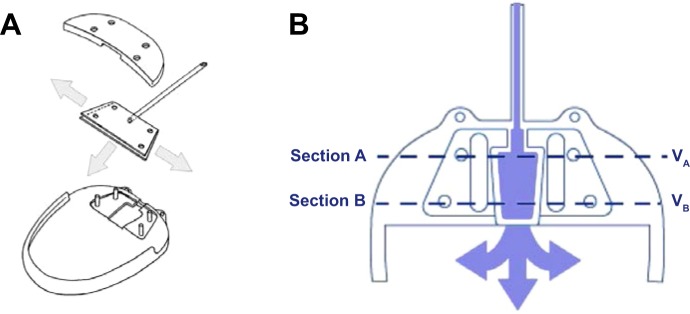
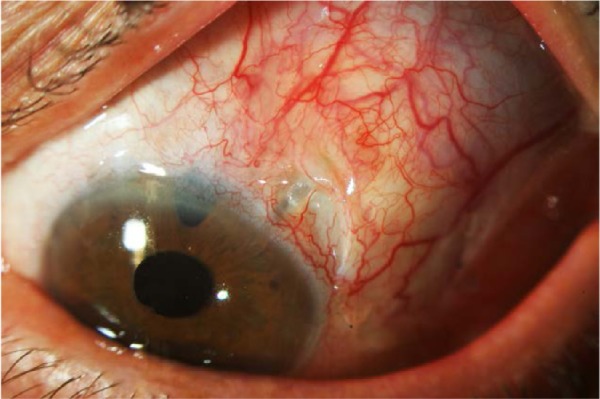
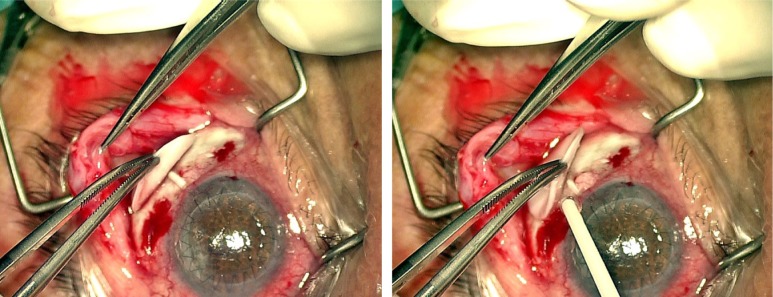
Implantation of Ahmed glaucoma valve is an effective surgical technique to reduce intraocular pressure in patients affected with glaucoma. While in the past, the use of this device was reserved to glaucoma refractory to multiple filtration surgical procedures, up-to-date mounting experience has encouraged its use also as a primary surgery for selected cases. Implantation of Ahmed glaucoma valve can be challenging for the surgeon, especially in patients who already underwent previous multiple surgeries. Several tips have to be acquired by the surgeon, and a long learning curve is always needed. Although the valve mechanism embedded in the Ahmed glaucoma valve decreases the risk of postoperative hypotony-related complications, it does not avoid the need of a careful follow-up. Complications related to this type of surgery include early and late postoperative hypotony, excessive capsule fibrosis around the plate, erosion of the tube or plate edge, and very rarely infection. The aim of this review is to describe surgical technique for Ahmed glaucoma valve implantation and to report related complications.
植入艾哈迈德青光眼阀是降低青光眼患者眼压的一种有效手术技术。过去,该装置仅用于对多种滤过性手术无效的难治性青光眼,而目前越来越多的经验促使其在某些特定病例中也可作为首选手术。对于外科医生而言,植入艾哈迈德青光眼阀可能具有挑战性,尤其是对于那些已经接受过多次手术的患者。外科医生必须掌握一些技巧,并且通常需要较长的学习曲线。尽管艾哈迈德青光眼阀内置的瓣膜机制降低了术后低眼压相关并发症的风险,但仍需要进行仔细的随访。这类手术相关的并发症包括术后早期和晚期低眼压、板周过度的囊膜纤维化、引流管或板边缘侵蚀,以及极为罕见的感染。本综述的目的是描述艾哈迈德青光眼阀植入的手术技术并报告相关并发症。