Shou Xiao-Jing, Xu Xin-Jie, Zeng Xiang-Zhu, Liu Ying, Yuan Hui-Shu, Xing Yan, Jia Mei-Xiang, Wei Qing-Yun, Han Song-Ping, Zhang Rong, Han Ji-Sheng
Neuroscience Research Institute, Peking University, Beijing, 100191, China.
Department of Neurobiology, School of Basic Medical Sciences, Peking University, Beijing, 100191, China.
Neurosci Bull. 2017 Apr;33(2):130-142. doi: 10.1007/s12264-017-0109-2. Epub 2017 Mar 3.
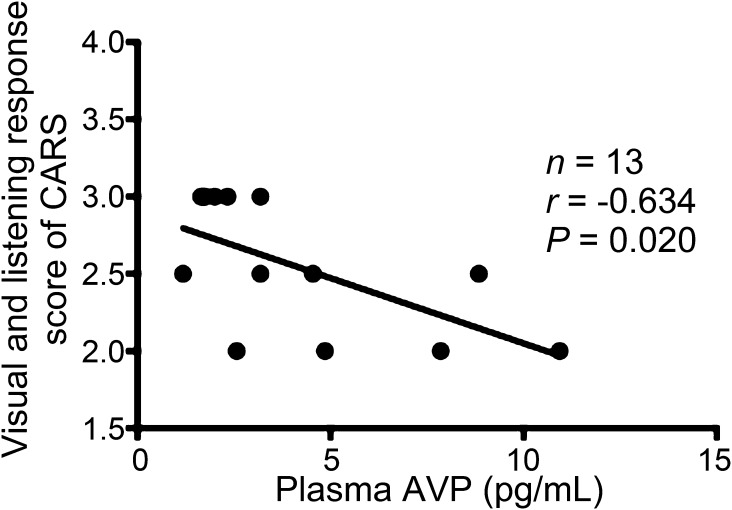
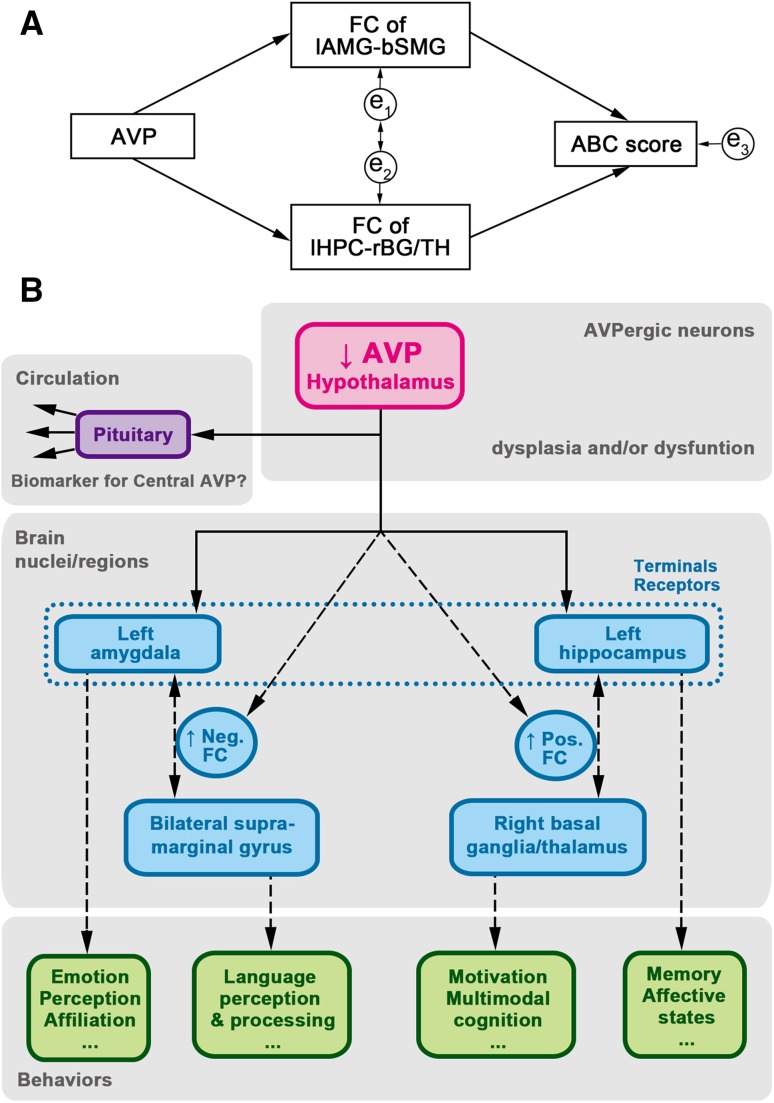
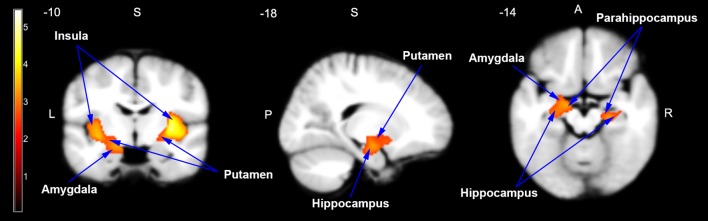
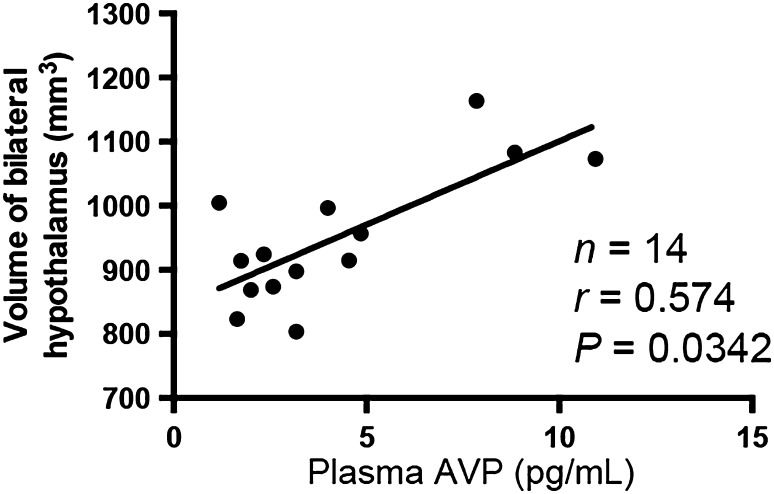
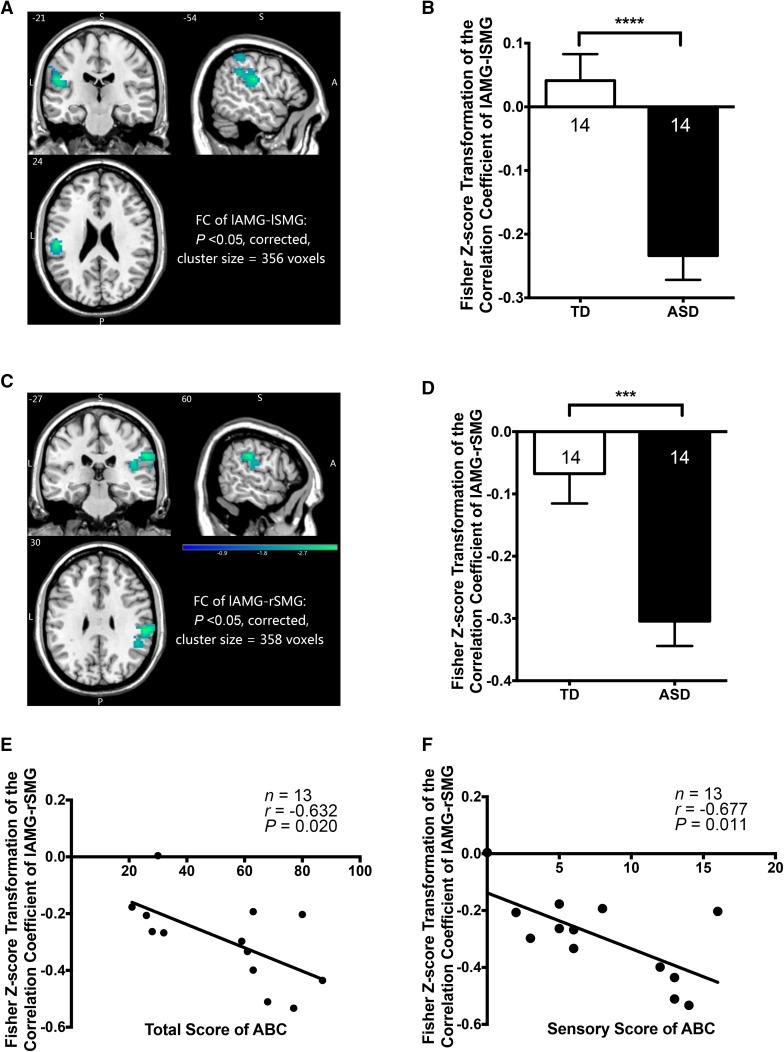
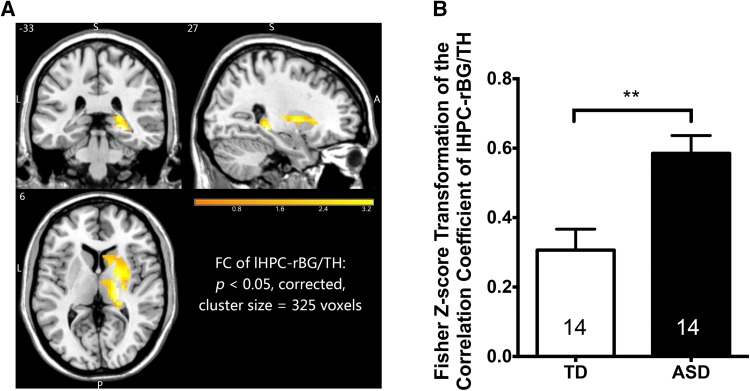
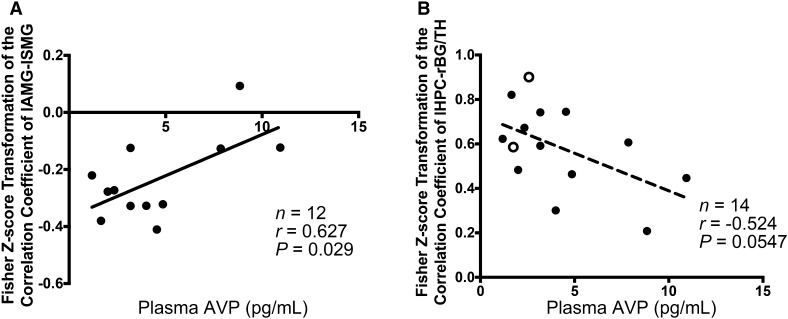
Dysfunction of brain-derived arginine-vasopressin (AVP) systems may be involved in the etiology of autism spectrum disorder (ASD). Certain regions such as the hypothalamus, amygdala, and hippocampus are known to contain either AVP neurons or terminals and may play an important role in regulating complex social behaviors. The present study was designed to investigate the concomitant changes in autistic behaviors, circulating AVP levels, and the structure and functional connectivity (FC) of specific brain regions in autistic children compared with typically developing children (TDC) aged from 3 to 5 years. The results showed: (1) children with ASD had a significantly increased volume in the left amygdala and left hippocampus, and a significantly decreased volume in the bilateral hypothalamus compared to TDC, and these were positively correlated with plasma AVP level. (2) Autistic children had a negative FC between the left amygdala and the bilateral supramarginal gyri compared to TDC. The degree of the negative FC between amygdala and supramarginal gyrus was associated with a higher score on the clinical autism behavior checklist. (3) The degree of negative FC between left amygdala and left supramarginal gyrus was associated with a lowering of the circulating AVP concentration in boys with ASD. (4) Autistic children showed a higher FC between left hippocampus and right subcortical area compared to TDC. (5) The circulating AVP was negatively correlated with the visual and listening response score of the childhood autism rating scale. These results strongly suggest that changes in structure and FC in brain regions containing AVP may be involved in the etiology of autism.
脑源性精氨酸加压素(AVP)系统功能障碍可能与自闭症谱系障碍(ASD)的病因有关。已知某些区域如下丘脑、杏仁核和海马体含有AVP神经元或神经末梢,可能在调节复杂社会行为中起重要作用。本研究旨在调查3至5岁自闭症儿童与发育正常儿童(TDC)相比,自闭症行为、循环AVP水平以及特定脑区结构和功能连接(FC)的伴随变化。结果显示:(1)与TDC相比,ASD儿童左侧杏仁核和左侧海马体体积显著增加,双侧下丘脑体积显著减小,且这些变化与血浆AVP水平呈正相关。(2)与TDC相比,自闭症儿童左侧杏仁核与双侧缘上回之间存在负性FC。杏仁核与缘上回之间负性FC的程度与临床自闭症行为检查表得分较高有关。(3)ASD男孩中,左侧杏仁核与左侧缘上回之间负性FC的程度与循环AVP浓度降低有关。(4)与TDC相比,自闭症儿童左侧海马体与右侧皮质下区域之间的FC较高。(5)循环AVP与儿童自闭症评定量表的视觉和听觉反应得分呈负相关。这些结果强烈表明,含有AVP的脑区结构和FC的变化可能与自闭症的病因有关。