Liu Xiaoqin, Tian Hua, Li Hong, Ge Chao, Zhao Fangyu, Yao Ming, Li Jinjun
State Key Laboratory of Oncogenes and Related Genes, Shanghai Cancer Institute, Renji Hospital, Shanghai Jiaotong University School of Medicine, 25/Ln 2200, Xietu Road, Shanghai 200032, China.
Int J Mol Sci. 2017 Feb 27;18(3):514. doi: 10.3390/ijms18030514.
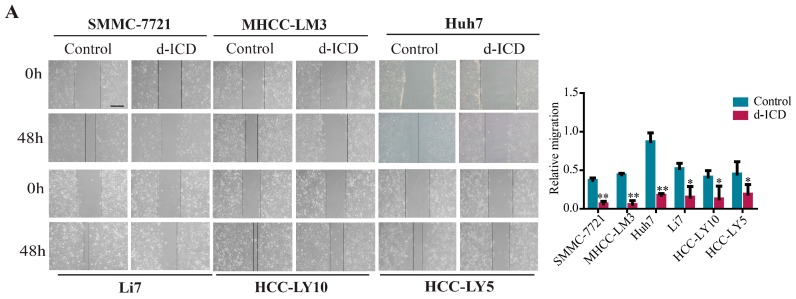
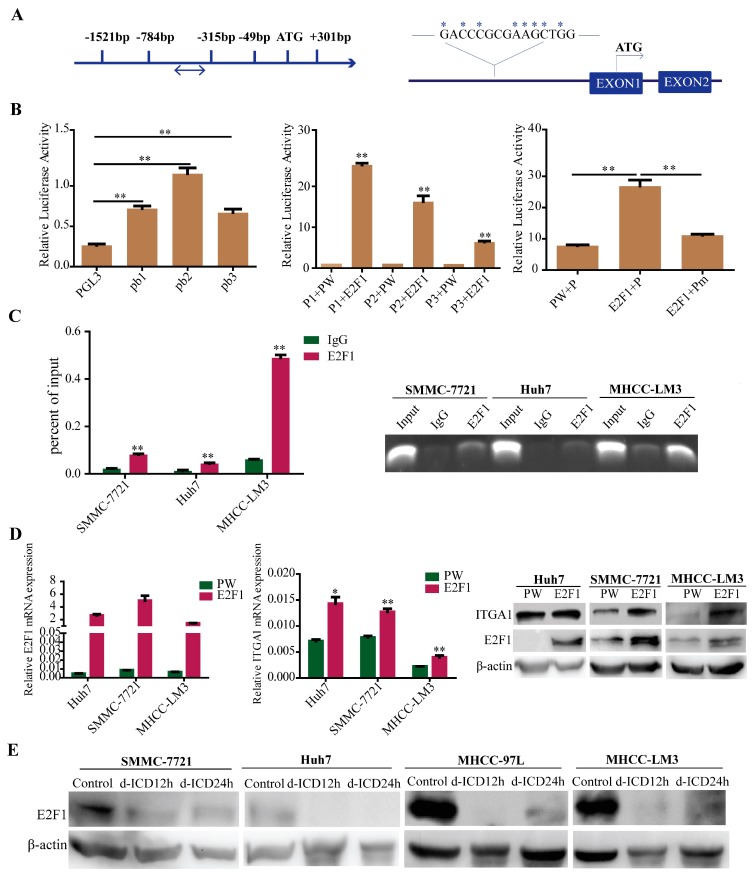
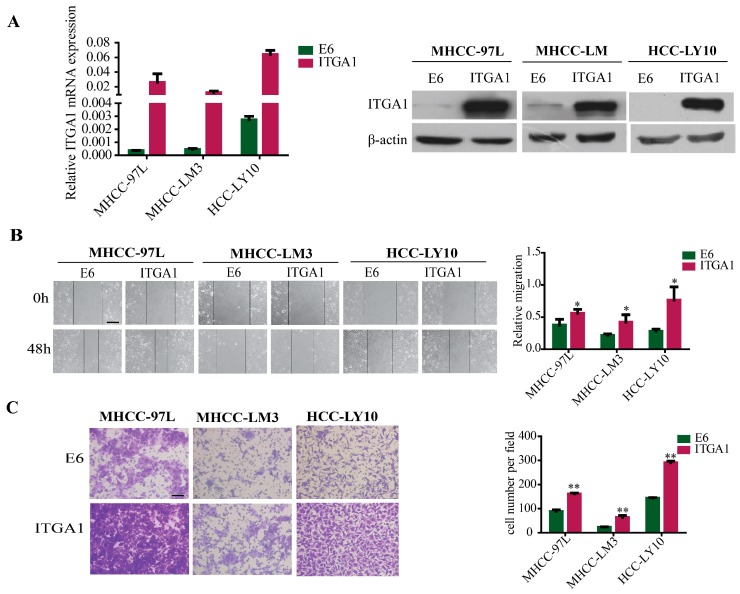
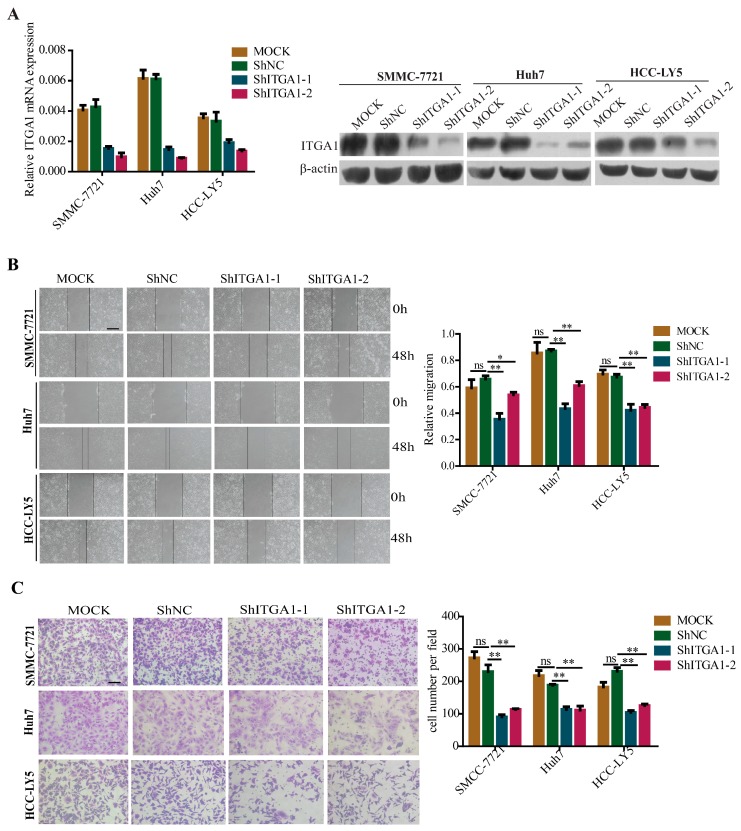
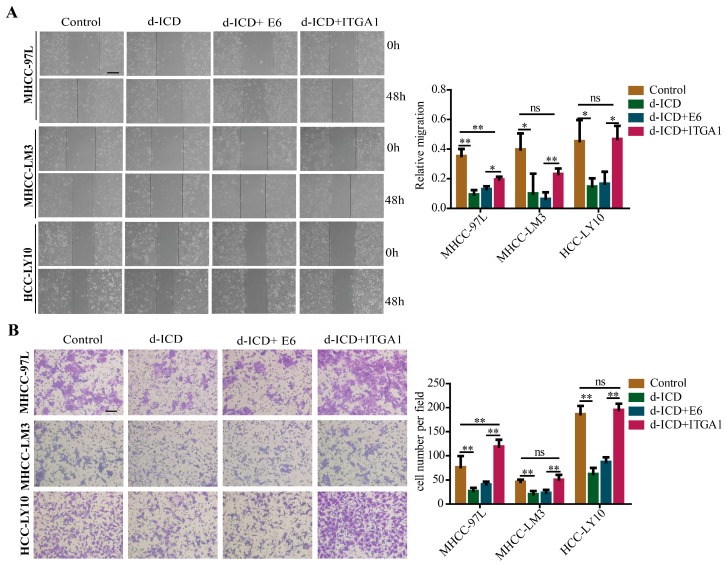
In our previous studies, we found that isocorydine (ICD) could be a potential antitumor agent in hepatocellular carcinoma (HCC). Derivate isocorydine (d-ICD), a more effective antitumor agent, has been demonstrated to inhibit proliferation and drug resistance in HCC. In order to investigate the potential role of d-ICD on HCC cell migration and its possible mechanism, wound healing assay, trans-well invasion assay, western blot analysis, and qRT-PCR were performed to study the migration and invasion ability of HCC cells as well as relevant molecular alteration following d-ICD treatment. Results indicated that the migration and invasion ability of HCC cells were suppressed when cultured with d-ICD. Meanwhile, the expression level of was markedly reduced. Furthermore, we found that promotes HCC cell migration and invasion in vitro, and that can partly reverse the effect of d-ICD-induced migration and invasion suppression in HCC cells. In addition, dual luciferase reporter assay and chromatin immunoprecipitation assay were used to study the expression regulation of , and found that directly upregulates expression and d-ICD inhibits expression. Taken together, these results reveal that d-ICD inhibits HCC cell migration and invasion may partly by downregulating / expression.
在我们之前的研究中,我们发现异紫堇碱(ICD)可能是肝细胞癌(HCC)中的一种潜在抗肿瘤药物。衍生异紫堇碱(d-ICD),一种更有效的抗肿瘤药物,已被证明可抑制HCC中的增殖和耐药性。为了研究d-ICD对HCC细胞迁移的潜在作用及其可能机制,进行了伤口愈合试验、Transwell侵袭试验、蛋白质印迹分析和qRT-PCR,以研究d-ICD处理后HCC细胞的迁移和侵袭能力以及相关分子改变。结果表明,用d-ICD培养时,HCC细胞的迁移和侵袭能力受到抑制。同时, 的表达水平明显降低。此外,我们发现 促进HCC细胞在体外的迁移和侵袭,并且 可以部分逆转d-ICD诱导的HCC细胞迁移和侵袭抑制作用。此外,使用双荧光素酶报告基因试验和染色质免疫沉淀试验研究 的表达调控,发现 直接上调 表达,而d-ICD抑制 表达。综上所述,这些结果表明d-ICD抑制HCC细胞迁移和侵袭可能部分是通过下调 / 表达实现的。