School of Life Sciences, University of Glasgow, Glagsow, UK.
St Andrew's Marine Station, Department of Fisheries and Oceans, New Brunswick, Canada.
Sci Rep. 2017 Mar 7;7:43465. doi: 10.1038/srep43465.
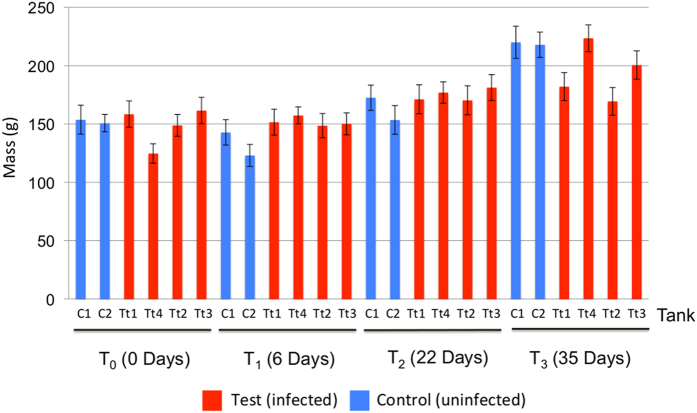
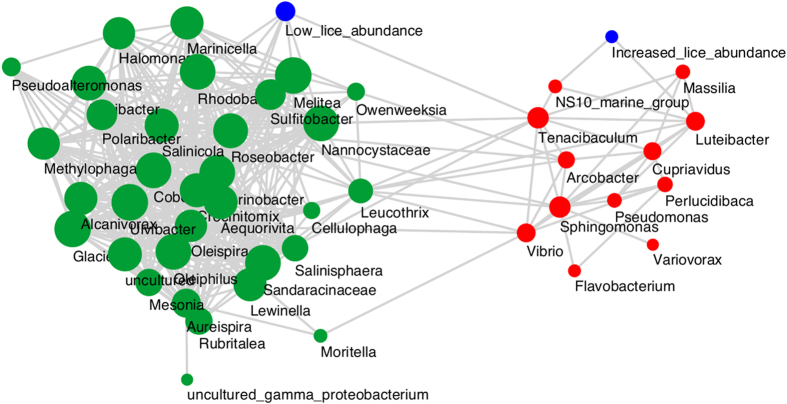
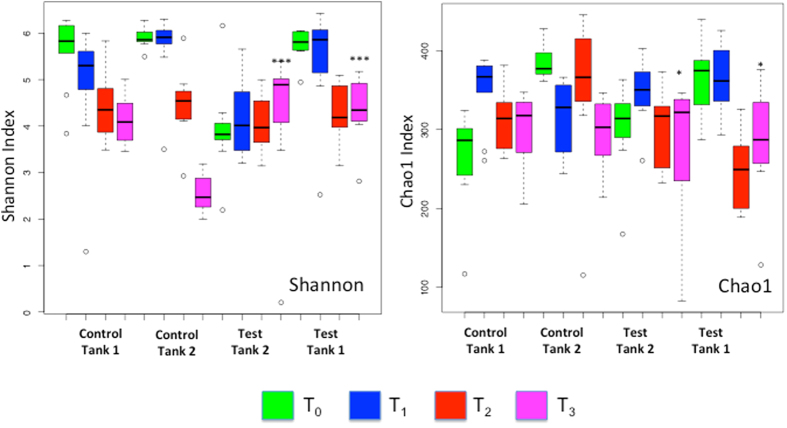
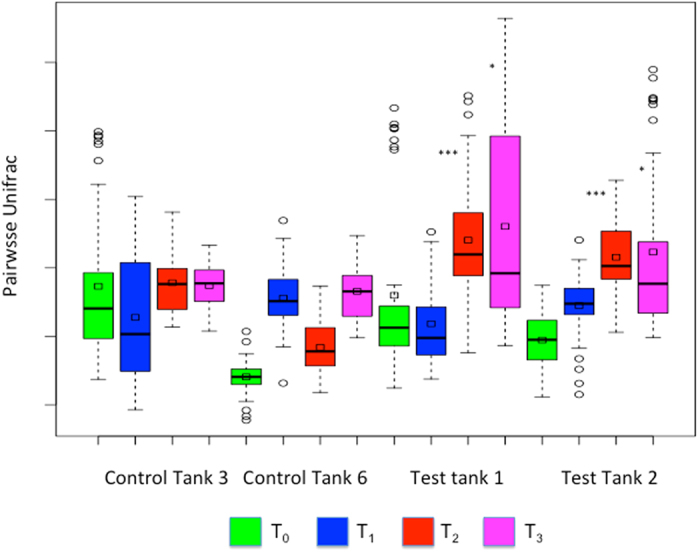
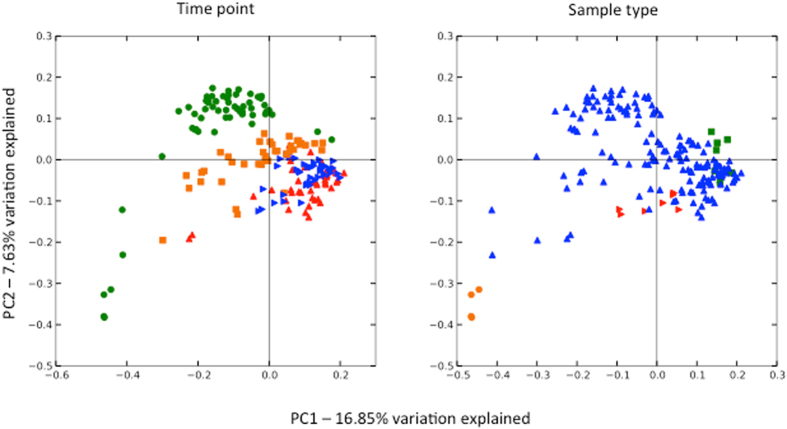
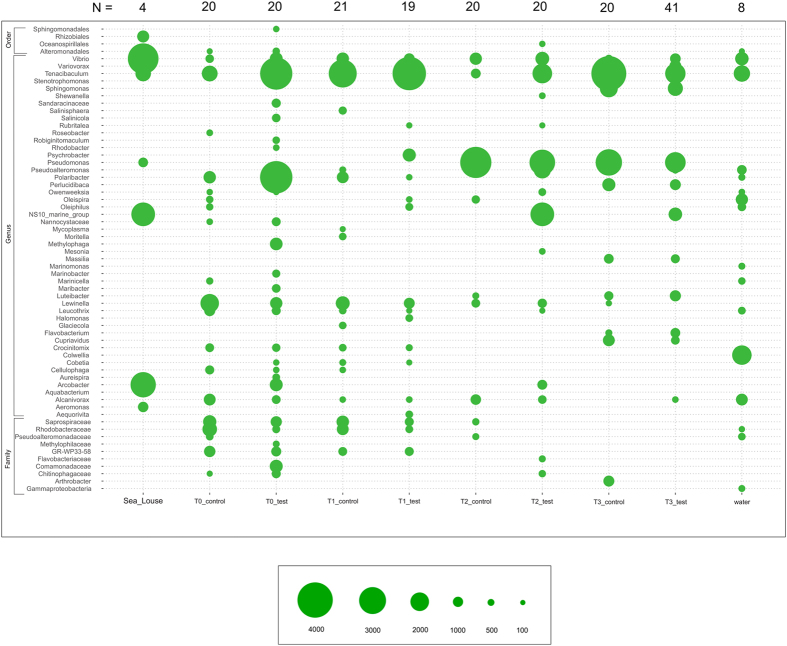
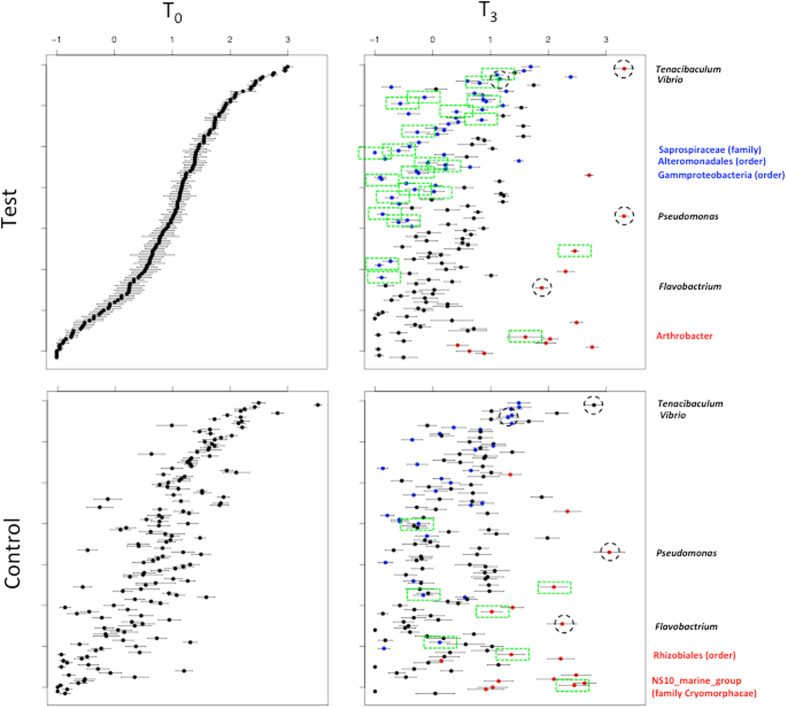
Interactions between parasite, host and host-associated microbiota are increasingly understood as important determinants of disease progression and morbidity. Salmon lice, including the parasitic copepod Lepeophtheirus salmonis and related species, are perhaps the most important problem facing Atlantic Salmon aquaculture after feed sustainability. Salmon lice parasitize the surface of the fish, feeding off mucus, scales and underlying tissue. Secondary bacterial infections are a major source of associated morbidity. In this study we tracked the diversity and composition of Salmo salar skin surface microbiota throughout a complete L. salmonis infection cycle among 800 post-smolts as compared to healthy controls. Among infected fish we observed a significant reduction in microbial richness (Chao1, P = 0.0136), raised diversity (Shannon, P < 7.86e-06) as well as highly significant destabilisation of microbial community composition (Pairwise Unifrac, beta-diversity, P < 1.86e-05; P = 0.0132) by comparison to controls. While undetectable on an individual level, network analysis of microbial taxa on infected fish revealed the association of multiple pathogenic genera (Vibrio, Flavobacterium, Tenacibaculum, Pseudomonas) with high louse burdens. We discuss our findings in the context of ecological theory and colonisation resistance, in addition to the role microbiota in driving primary and secondary pathology in the host.
寄生虫、宿主和宿主相关微生物群之间的相互作用越来越被认为是疾病进展和发病率的重要决定因素。鲑鱼虱,包括寄生桡足类 Lepeophtheirus salmonis 和相关物种,可能是继饲料可持续性之后,大西洋鲑鱼养殖业面临的最重要问题。鲑鱼虱寄生在鱼的表面,以黏液、鳞片和下面的组织为食。继发性细菌感染是相关发病率的主要来源。在这项研究中,我们在 800 条过夏后的鲑鱼中跟踪了鲑鱼皮肤表面微生物群的多样性和组成,这些鲑鱼经历了完整的 Lepeophtheirus salmonis 感染周期,与健康对照组进行了比较。在感染的鱼中,我们观察到微生物丰富度(Chao1,P=0.0136)显著降低,多样性增加(Shannon,P<7.86e-06),以及微生物群落组成的高度显著不稳定性(成对 Unifrac,β多样性,P<1.86e-05;P=0.0132)与对照组相比。虽然在个体水平上无法检测到,但对感染鱼的微生物分类群进行网络分析揭示了多个致病性属(弧菌、黄杆菌、Tenacibaculum、假单胞菌)与高虱负荷的关联。我们在生态理论和定植抗性的背景下讨论了我们的发现,以及微生物群在驱动宿主原发性和继发性病理学中的作用。