Carbon Claus-Christian
Department of General Psychology and Methodology, University of BambergBamberg, Germany; Bamberg Graduate School of Affective and Cognitive SciencesBamberg, Germany; Research Group Ergonomics, Psychological ÆstheticsGestalt, Bamberg, Germany.
Front Psychol. 2017 Feb 21;8:245. doi: 10.3389/fpsyg.2017.00245. eCollection 2017.
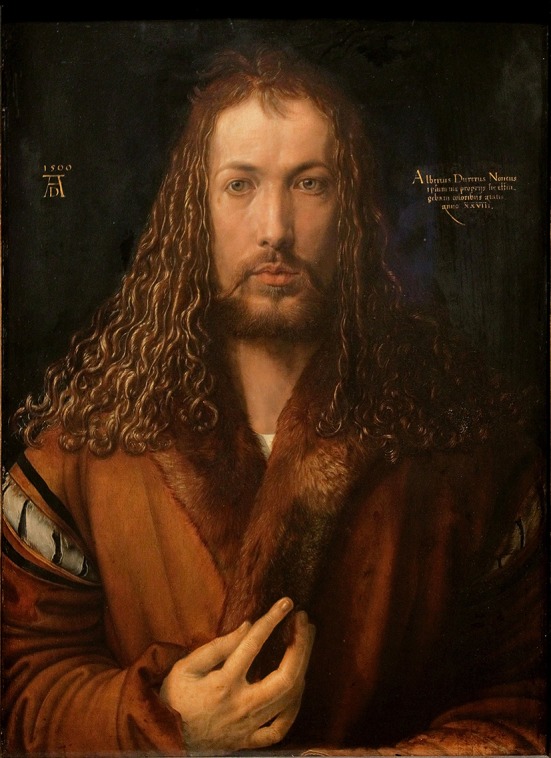
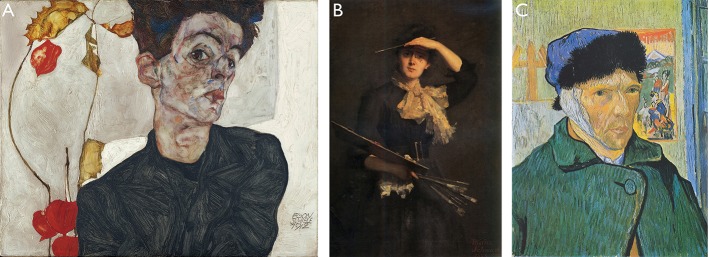
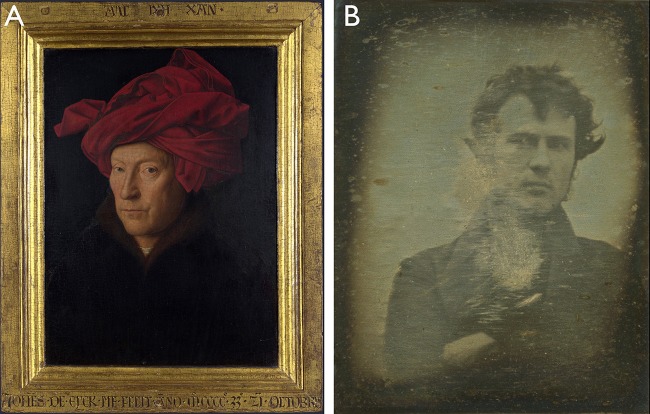
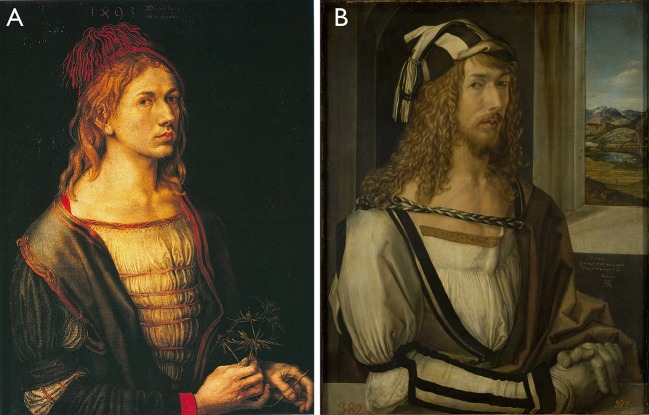
Selfie-photography is generally thought of as a cultural mass phenomenon of the early 21st century, inseparably related to the development and triumph of the smartphone with integrated camera. Western culture, however, has been highly familiar with self-depictions since the Renaissance days. Putting the contemporary selfie into this historic context covering more than five centuries of cultural development from Dürer's (1500) famous "Self-Portrait at 28" (also known as "Selbstbildnis im Pelzrock") to today's Instagram galleries allows for identifying central parallels concerning the technical and social antecedents as well as common underlying psychological factors and shared properties of different kinds of self-depiction. The article provides an overview of the types of contemporary photographic selfies and compares them with painted self-portraits. Finally, this historic perspective leads us to the insight that self-portraits as well as selfies are both referring to nothing less than the "conditio humana."
自拍摄影通常被认为是21世纪初的一种大众文化现象,与集成摄像头智能手机的发展和普及密切相关。然而,自文艺复兴时期以来,西方文化就对自我描绘非常熟悉。将当代自拍置于这一跨越五个多世纪文化发展的历史背景中,从丢勒(1500年)著名的《28岁自画像》(也称为《穿皮草大衣的自画像》)到如今的Instagram图库,有助于识别不同类型自我描绘在技术和社会前身、共同的潜在心理因素以及共同特征方面的核心相似之处。本文概述了当代摄影自拍的类型,并将它们与绘画自画像进行比较。最后,这种历史视角让我们认识到,自画像和自拍都无一例外地指向“人类状况”。