Dhir Amandeep, Torsheim Torbjørn, Pallesen Ståle, Andreassen Cecilie S
Department of Teacher Education, University of HelsinkiHelsinki, Finland.
Optentia Research Focus Area, North-West UniversityPotchefstroom, South Africa.
Front Psychol. 2017 May 23;8:815. doi: 10.3389/fpsyg.2017.00815. eCollection 2017.
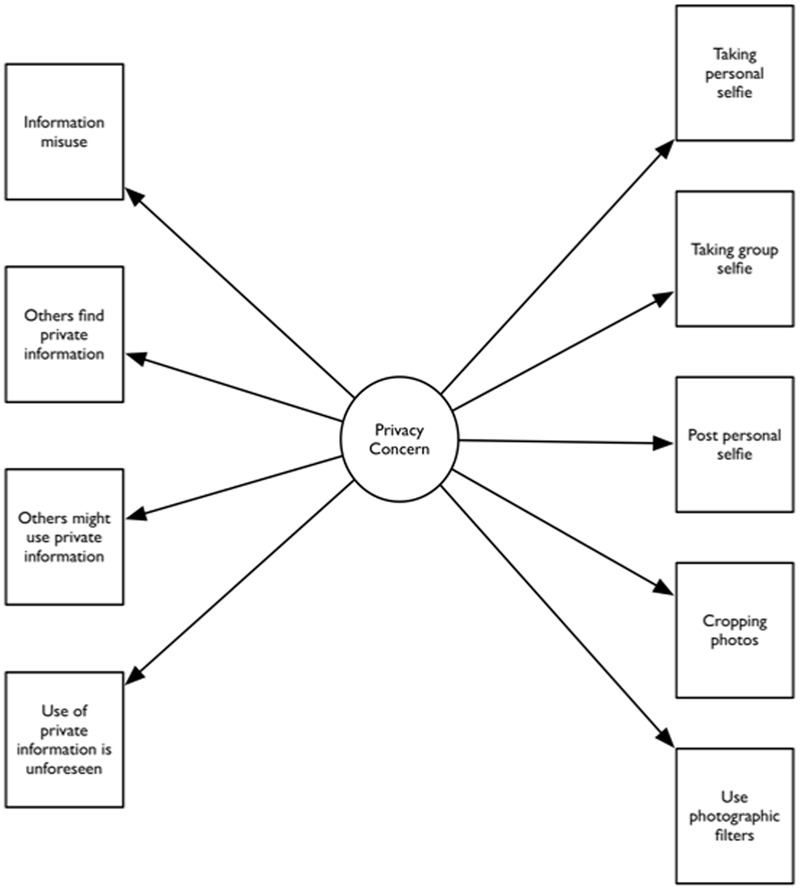
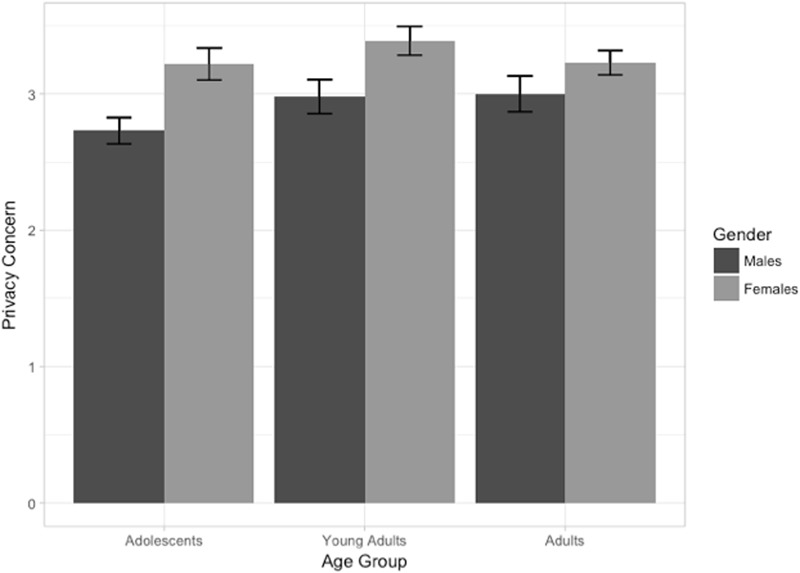
Selfies, or self-portraits, are often taken and shared on social media for online self-presentation reasons, which are considered essential for the psychosocial development and well-being of people in today's culture. Despite the growing popularity and widespread sharing of selfies in the online space, little is known about how privacy concerns moderate selfie behavior. In addition to this, it is also not known whether privacy concerns across age and gender groups influence selfie behavior. To address this timely issue, a survey assessing common selfie behaviors, that is, frequency of taking (individual and group selfies), editing (cropping and filtering), and posting selfies online, and social media privacy concerns (over personal data being accessed and misused by third parties) was conducted. The web-survey was administered to 3,763 Norwegian social media users, ranging from 13 to 50 years, with a preponderance of women ( = 2,509, 66.7%). The present study investigated the impact of privacy concerns on selfie behaviors across gender and age groups (adolescent, young adult, and adult) by use of the structural equation modeling approach. The results suggest that young adults have greater privacy concerns compared to adolescents and adults. Females have greater privacy concerns than males. Greater privacy concerns among female social media users were linked to lower engagement in selfie behavior, but privacy concerns did not influence selfie behavior in the case of male adolescents and young adults. Overall, privacy concerns were more consistently and inversely related to selfie behavior (taking and posting) among females than males. The study results have theoretical as well as practical implications for both researchers and policy makers.
自拍,即自画像,人们常常出于网络自我展示的目的而拍摄并分享到社交媒体上,在当今文化中,这被认为对人们的社会心理发展和幸福至关重要。尽管自拍在网络空间越来越受欢迎且被广泛分享,但对于隐私担忧如何调节自拍行为却知之甚少。除此之外,不同年龄和性别群体的隐私担忧是否会影响自拍行为也尚不明确。为了解决这个紧迫的问题,我们开展了一项调查,评估常见的自拍行为,即拍摄(个人自拍和集体自拍)、编辑(裁剪和滤镜处理)以及在网上发布自拍的频率,以及社交媒体隐私担忧(担心个人数据被第三方访问和滥用)。这项网络调查面向3763名挪威社交媒体用户开展,年龄范围在13岁至50岁之间,女性占多数(n = 2509,66.7%)。本研究采用结构方程建模方法,调查了隐私担忧对不同性别和年龄组(青少年、青年和成年人)自拍行为的影响。结果表明,与青少年和成年人相比,青年人有更大的隐私担忧。女性比男性有更大的隐私担忧。女性社交媒体用户中更大的隐私担忧与较低的自拍行为参与度相关,但在男性青少年和青年中,隐私担忧并未影响自拍行为。总体而言,与男性相比,女性中隐私担忧与自拍行为(拍摄和发布)的负相关关系更为一致。研究结果对研究人员和政策制定者都具有理论和实践意义。