Burte Heather, Gardony Aaron L, Hutton Allyson, Taylor Holly A
Department of Psychology, Tufts University, 490 Boston Ave, Medford, MA 02155 USA.
Center for Applied Brain & Cognitive Sciences, 200 Boston Ave, Medford, MA 02155 USA.
Cogn Res Princ Implic. 2017;2(1):13. doi: 10.1186/s41235-017-0052-9. Epub 2017 Feb 20.
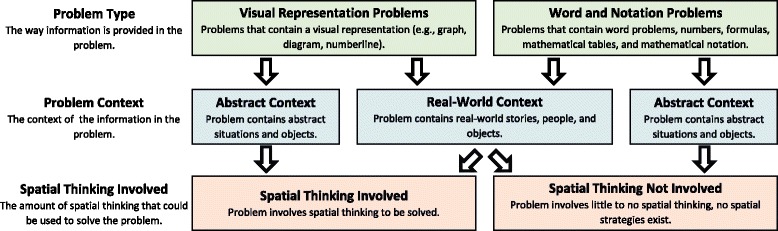
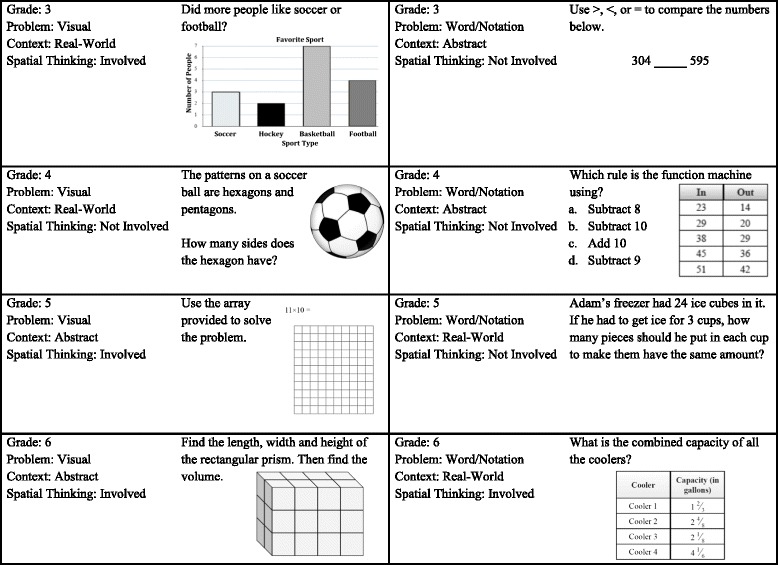
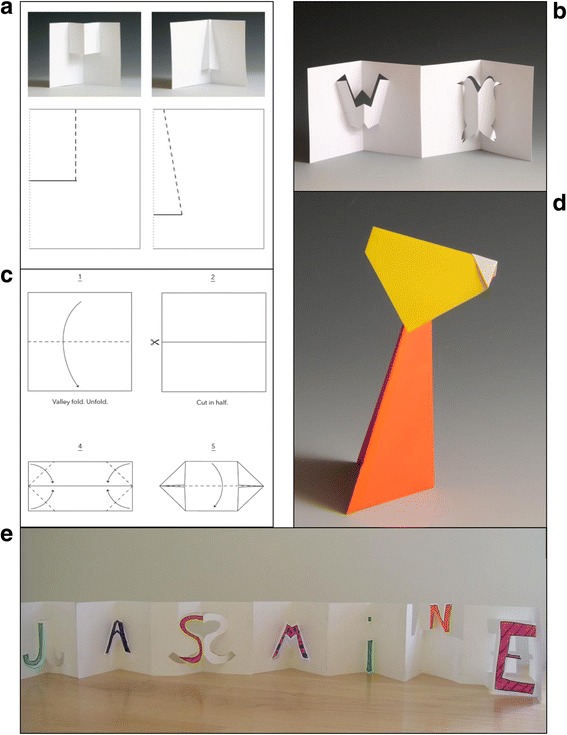
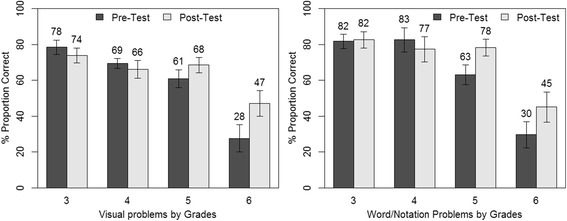
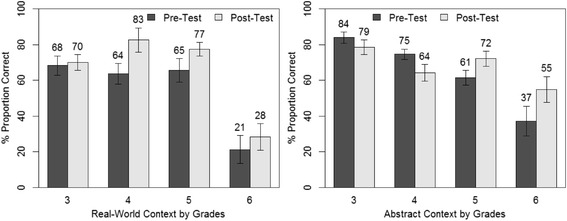
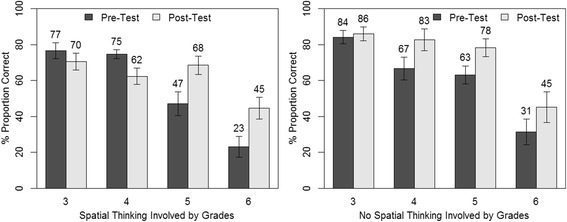
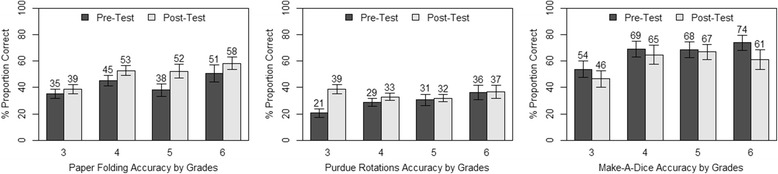
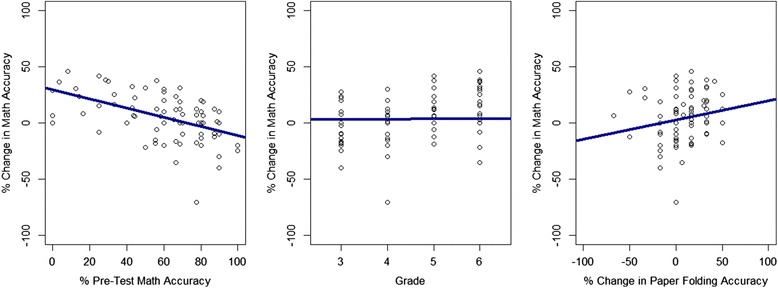
Spatial thinking skills positively relate to Science, Technology, Engineering, and Math (STEM) outcomes, but spatial training is largely absent in elementary school. Elementary school is a time when children develop foundational cognitive skills that will support STEM learning throughout their education. Spatial thinking should be considered a foundational cognitive skill. The present research examined the impact of an embodied spatial training program on elementary students' spatial and mathematical thinking. Students in rural elementary schools completed spatial and math assessments prior to and after participating in an origami and pop-up paper engineering-based program, called Think3d!. Think3d! uses embodied tasks, such as folding and cutting paper, to train two-dimensional to three-dimensional spatial thinking. Analyses explored spatial thinking gains, mathematics gains - specifically for problem types expected to show gains from spatial training - and factors predicting mathematics gains. Results showed spatial thinking gains in two assessments. Using a math categorization to target problems more and less likely to be impacted by spatial training, we found that all students improved on real-world math problems and older students improved on visual and spatial math problems. Further, the results are suggestive of developmental time points for implementing embodied spatial training related to applying spatial thinking to math. Finally, the spatial thinking assessment that was most highly related to training activities also predicted math performance gains. Future research should explore developmental issues related to how embodied spatial training might support STEM learning and outcomes.
空间思维能力与科学、技术、工程和数学(STEM)学习成果呈正相关,但小学阶段的空间训练却基本缺失。小学是孩子们发展基础认知技能的时期,这些技能将在他们整个教育过程中支持STEM学习。空间思维应被视为一种基础认知技能。本研究考察了一种体验式空间训练项目对小学生空间思维和数学思维的影响。农村小学的学生在参加一个名为“Think3d!”的基于折纸和立体纸艺工程的项目之前和之后,完成了空间和数学评估。“Think3d!”使用诸如折纸和剪纸等体验式任务来训练从二维到三维的空间思维。分析探讨了空间思维的提升、数学成绩的提高——特别是针对预期会从空间训练中受益的问题类型——以及预测数学成绩提高的因素。结果显示在两次评估中空间思维都有提升。通过对数学问题进行分类,区分哪些问题更可能和不太可能受到空间训练的影响,我们发现所有学生在实际数学问题上都有进步,而年龄较大的学生在视觉和空间数学问题上有进步。此外,研究结果暗示了实施与将空间思维应用于数学相关的体验式空间训练的发展时间点。最后,与训练活动相关性最高的空间思维评估也预测了数学成绩的提高。未来的研究应该探索与体验式空间训练如何支持STEM学习和成果相关的发展问题。