Pohland Martin, Glumm Robert, Wiekhorst Frank, Kiwit Jürgen, Glumm Jana
Institute of Cell Biology and Neurobiology, Center for Anatomy, Charité - Universitätsmedizin Berlin.
Institute of Cell Biology and Neurobiology, Center for Anatomy, Charité - Universitätsmedizin Berlin; Clinic of Neurology, Jüdisches Krankenhaus.
Int J Nanomedicine. 2017 Feb 27;12:1577-1591. doi: 10.2147/IJN.S127206. eCollection 2017.
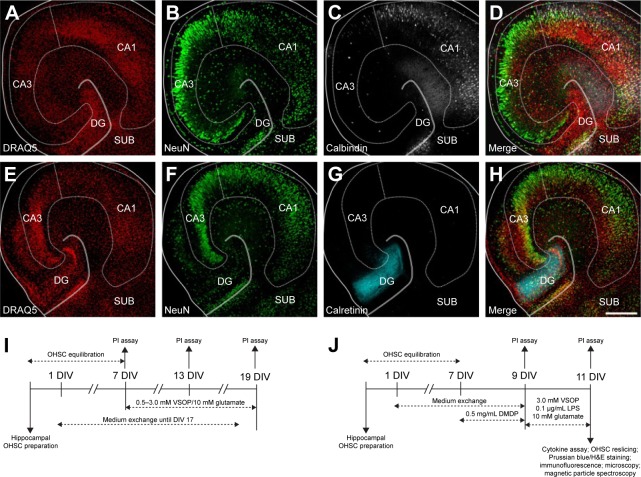
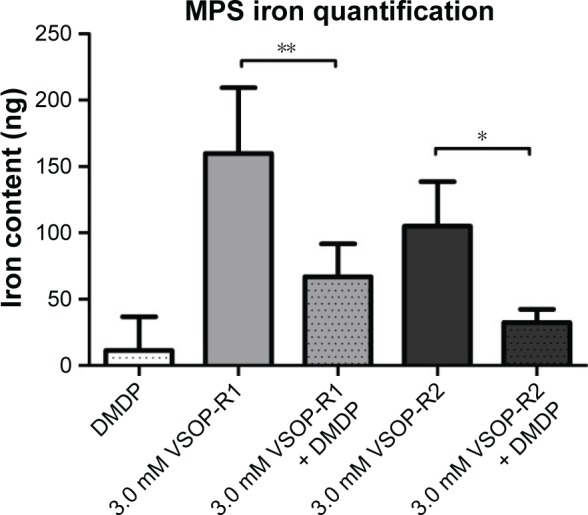
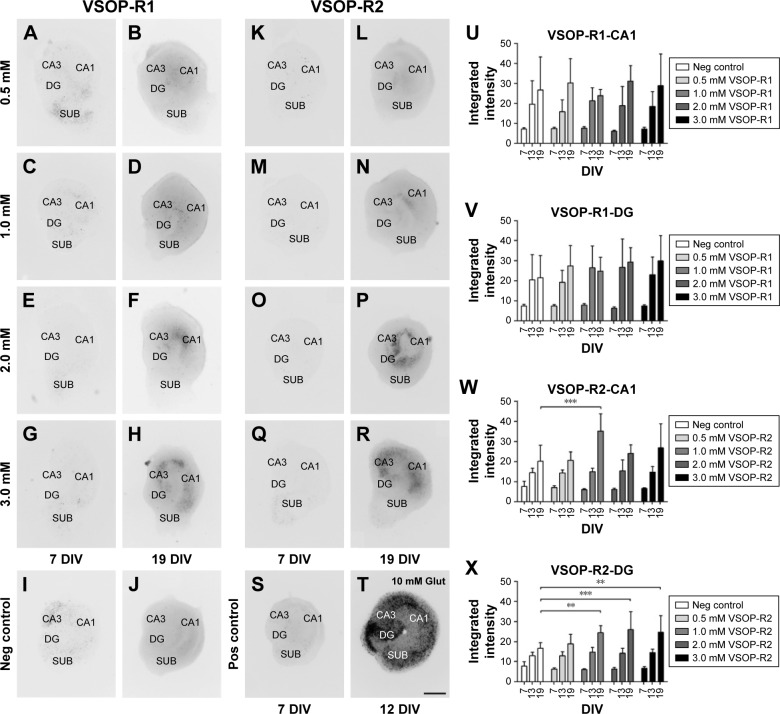
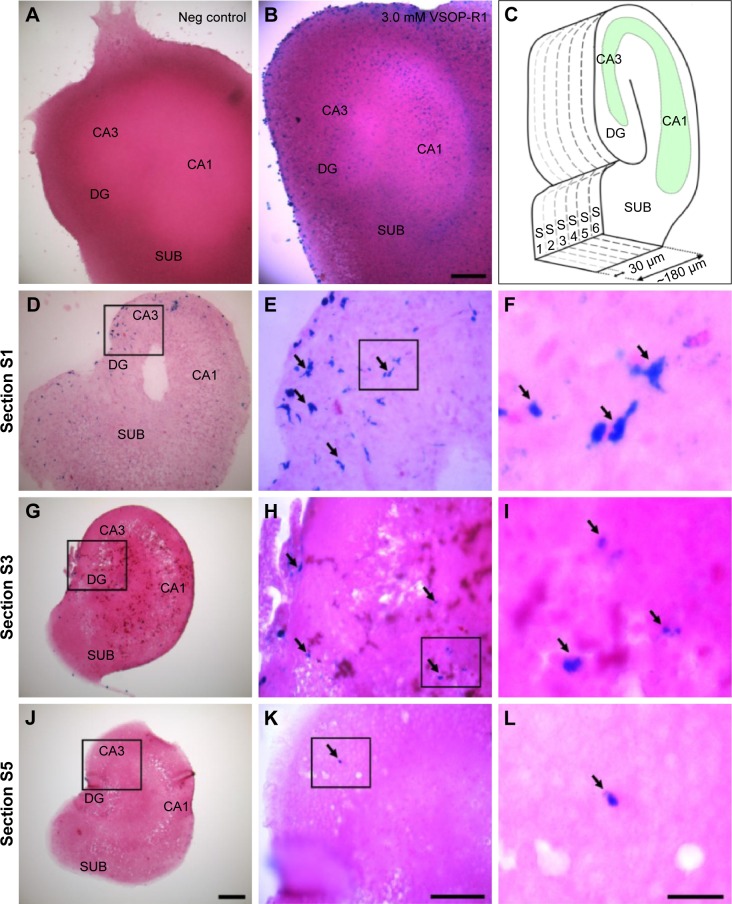
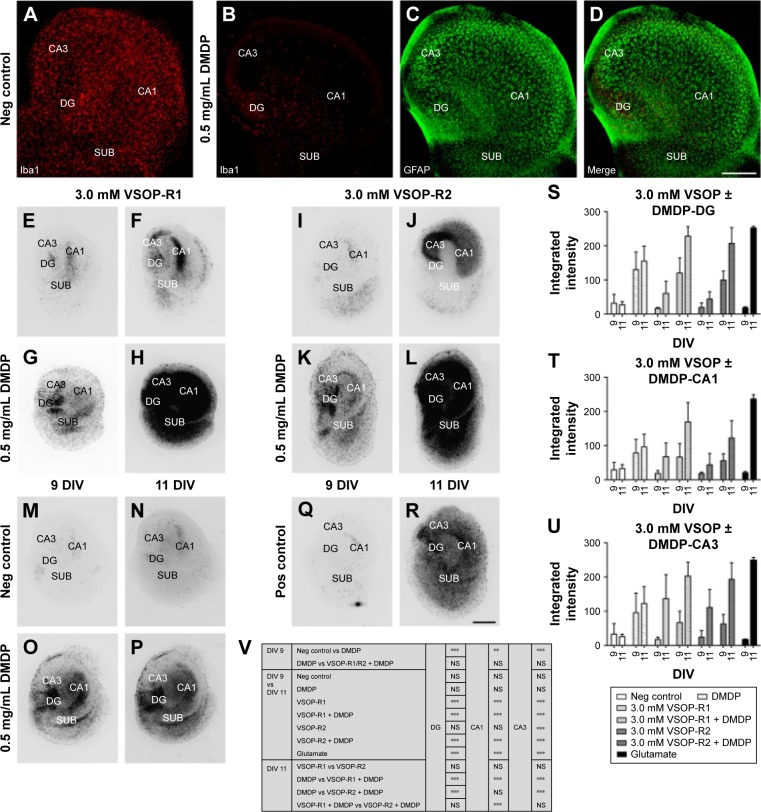
Superparamagnetic iron oxide nanoparticles (SPIO) are applied as contrast media for magnetic resonance imaging (MRI) and treatment of neurologic diseases despite the fact that important information concerning their local interactions is still lacking. Due to their small size, SPIO have great potential for magnetically labeling different cell populations, facilitating their MRI tracking in vivo. Before SPIO are applied, however, their effect on cell viability and tissue homoeostasis should be studied thoroughly. We have previously published data showing how citrate-coated very small superparamagnetic iron oxide particles (VSOP) affect primary microglia and neuron cell cultures as well as neuron-glia cocultures. To extend our knowledge of VSOP interactions on the three-dimensional multicellular level, we further examined the influence of two types of coated VSOP (R1 and R2) on murine organotypic hippocampal slice cultures. Our data show that 1) VSOP can penetrate deep tissue layers, 2) long-term VSOP-R2 treatment alters cell viability within the dentate gyrus, 3) during short-term incubation VSOP-R1 and VSOP-R2 comparably modify hippocampal cell viability, 4) VSOP treatment does not affect cytokine homeostasis, 5) microglial depletion decreases VSOP uptake, and 6) microglial depletion plus VSOP treatment increases hippocampal cell death during short-term incubation. These results are in line with our previous findings in cell coculture experiments regarding microglial protection of neurite branching. Thus, we have not only clarified the interaction between VSOP, slice culture, and microglia to a degree but also demonstrated that our model is a promising approach for screening nanoparticles to exclude potential cytotoxic effects.
超顺磁性氧化铁纳米颗粒(SPIO)被用作磁共振成像(MRI)的造影剂和神经疾病的治疗手段,尽管关于它们局部相互作用的重要信息仍然缺乏。由于尺寸小,SPIO在磁性标记不同细胞群体方面具有很大潜力,便于在体内对其进行MRI追踪。然而,在应用SPIO之前,应彻底研究它们对细胞活力和组织稳态的影响。我们之前发表的数据显示了柠檬酸盐包被的超小超顺磁性氧化铁颗粒(VSOP)如何影响原代小胶质细胞、神经元细胞培养物以及神经元 - 胶质细胞共培养物。为了扩展我们对VSOP在三维多细胞水平上相互作用的认识,我们进一步研究了两种包被的VSOP(R1和R2)对小鼠器官型海马切片培养物的影响。我们的数据表明:1)VSOP可以穿透深层组织;2)长期的VSOP - R2处理会改变齿状回内的细胞活力;3)在短期孵育期间,VSOP - R1和VSOP - R2对海马细胞活力的影响相当;4)VSOP处理不影响细胞因子稳态;5)小胶质细胞耗竭会降低VSOP摄取;6)小胶质细胞耗竭加VSOP处理在短期孵育期间会增加海马细胞死亡。这些结果与我们之前在细胞共培养实验中关于小胶质细胞对神经突分支保护作用的发现一致。因此,我们不仅在一定程度上阐明了VSOP、切片培养物和小胶质细胞之间的相互作用,还证明了我们的模型是筛选纳米颗粒以排除潜在细胞毒性作用的一种有前景的方法。