da Costa Eduardo Ferreira, de Oliveira Nestor E, Morais Flávio J O, Carvalhaes-Dias Pedro, Duarte Luis Fernando C, Cabot Andreu, Siqueira Dias J A
Department of Semiconductors, Instruments and Photonics, School of Electrical and Computer Engineering, University of Campinas, Campinas, SP 13083-820, Brazil.
Faculty of Science and Engineering, São Paulo State University Júlio de Mesquita, Tupã, SP 17602-496, Brazil.
Sensors (Basel). 2017 Mar 12;17(3):575. doi: 10.3390/s17030575.
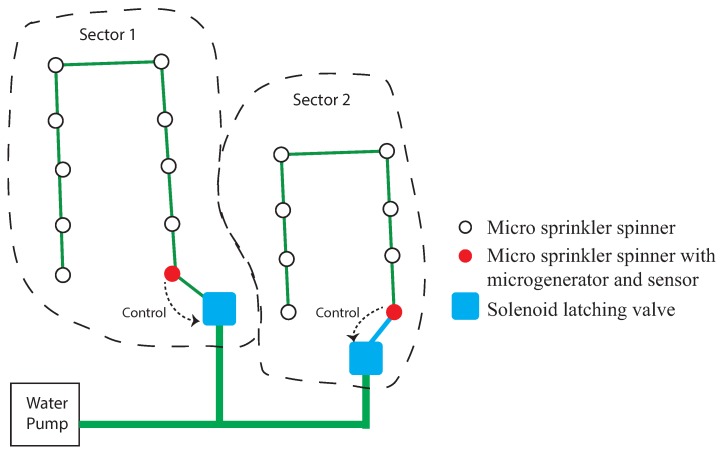
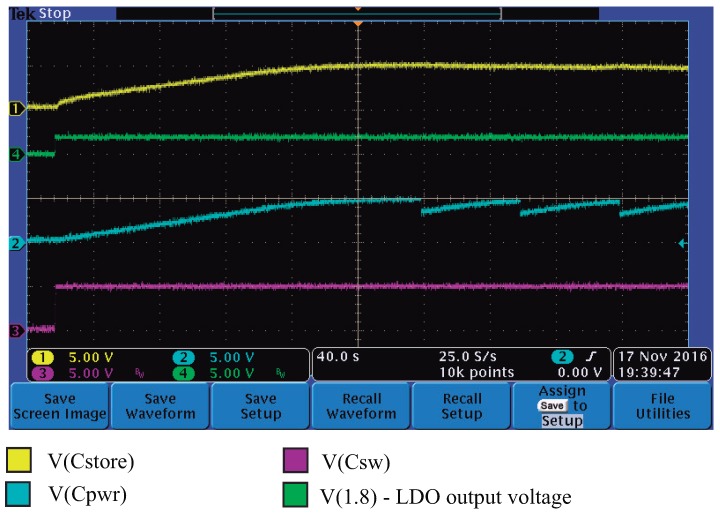
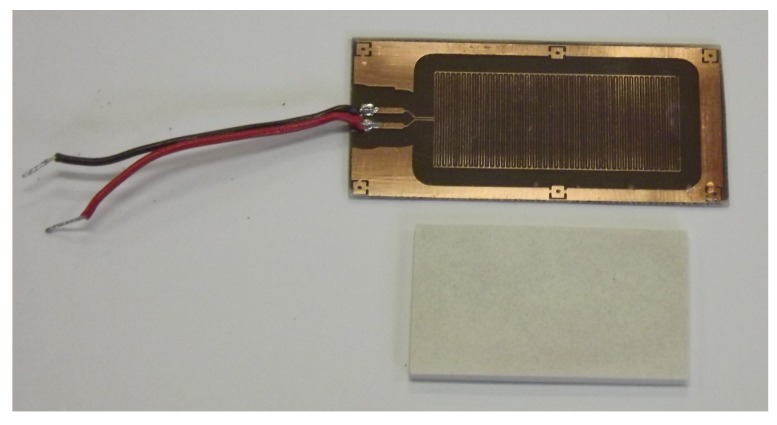
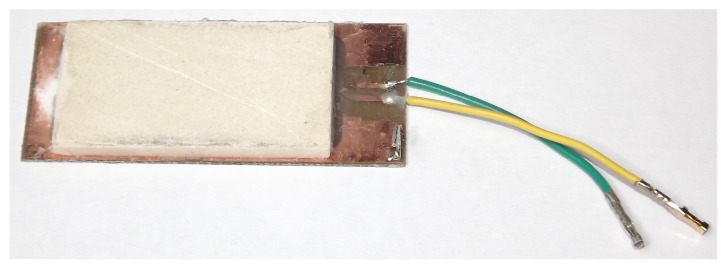
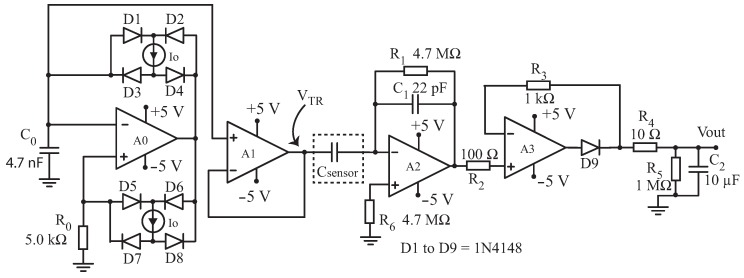
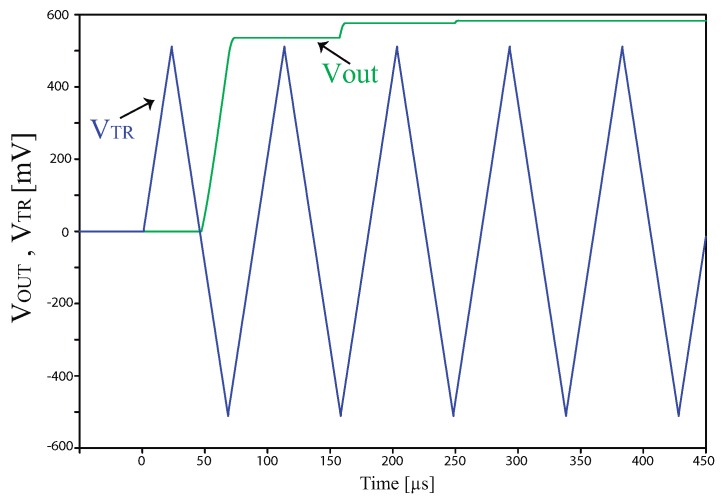
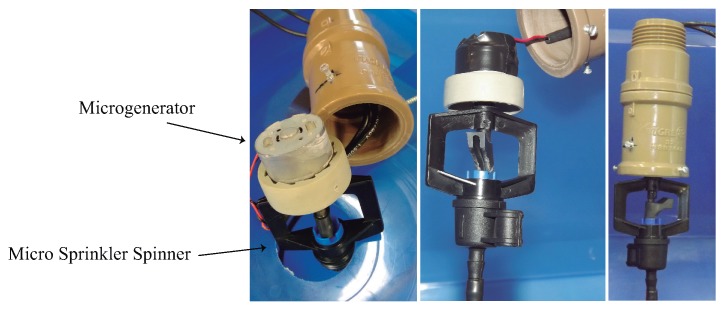
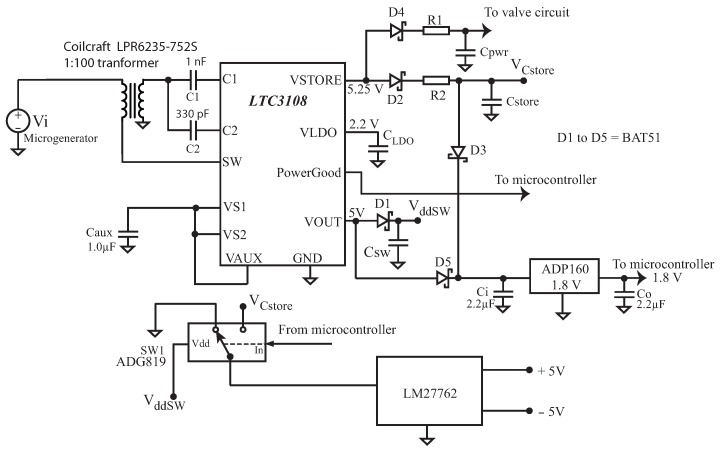
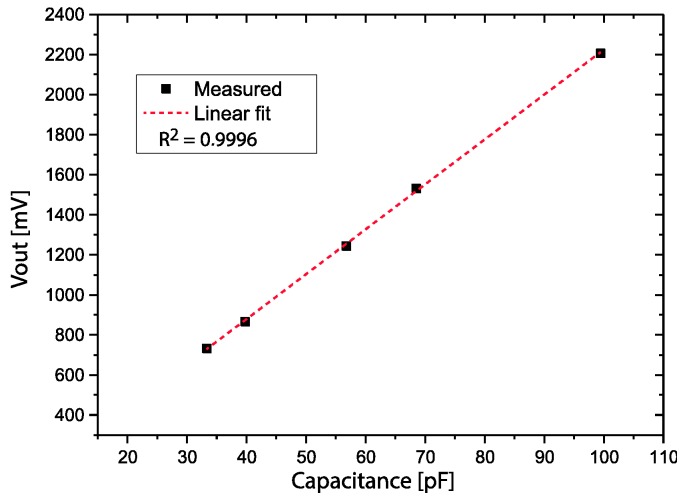
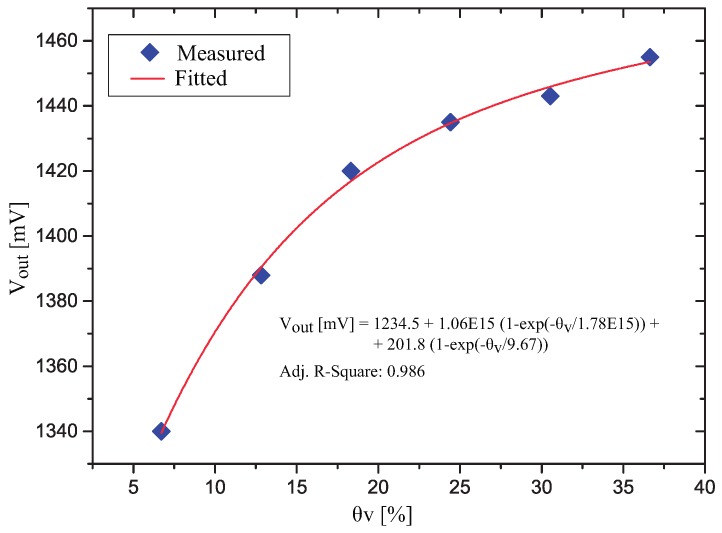
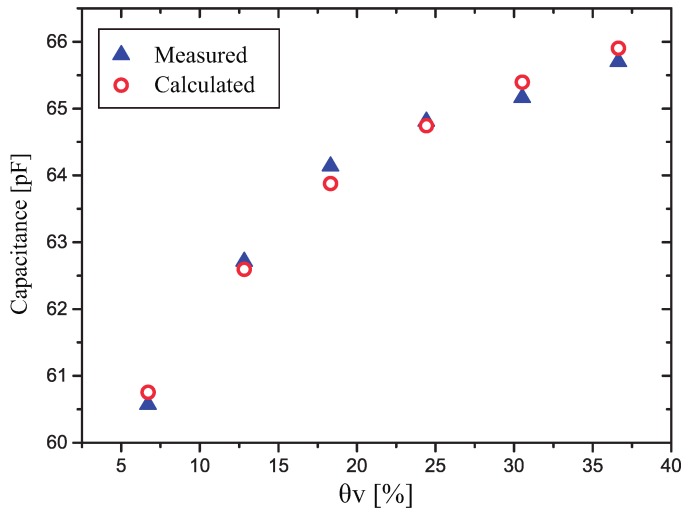
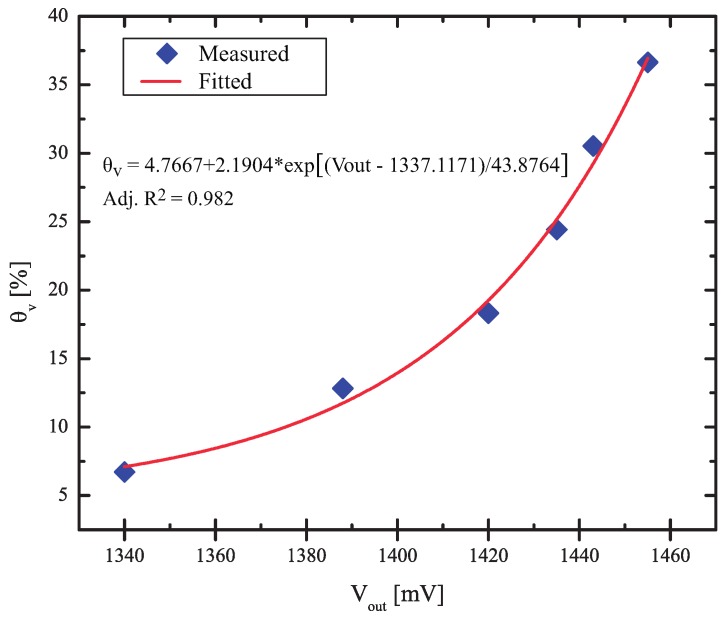
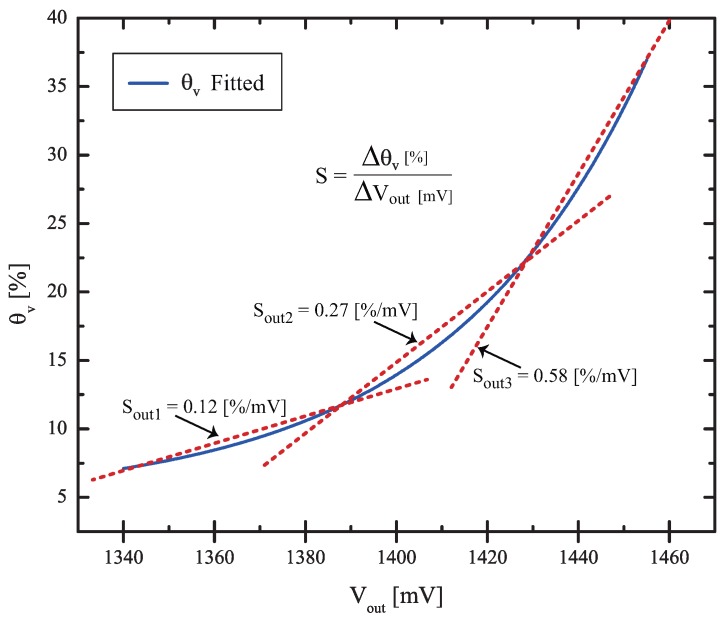
We present here the design and fabrication of a self-powered and autonomous fringing field capacitive sensor to measure soil water content. The sensor is manufactured using a conventional printed circuit board and includes a porous ceramic. To read the sensor, we use a circuit that includes a 10 kHz triangle wave generator, an AC amplifier, a precision rectifier and a microcontroller. In terms of performance, the sensor's capacitance (measured in a laboratory prototype) increases up to 5% when the volumetric water content of the porous ceramic changed from 3% to 36%, resulting in a sensitivity of S = 15.5 pF per unity change. Repeatability tests for capacitance measurement showed that the θ v sensor's root mean square error is 0.13%. The average current consumption of the system (sensor and signal conditioning circuit) is less than 1.5 μ A, which demonstrates its suitability for being powered by energy harvesting systems. We developed a complete irrigation control system that integrates the sensor, an energy harvesting module composed of a microgenerator installed on the top of a micro sprinkler spinner, and a DC/DC converter circuit that charges a 1 F supercapacitor. The energy harvesting module operates only when the micro sprinkler spinner is irrigating the soil, and the supercapacitor is fully charged to 5 V in about 3 h during the first irrigation. After the first irrigation, with the supercap fully charged, the system can operate powered only by the supercapacitor for approximately 23 days, without any energy being harvested.
我们在此展示一种用于测量土壤含水量的自供电自主边缘场电容式传感器的设计与制造。该传感器采用传统印刷电路板制造,并包含一个多孔陶瓷。为读取传感器数据,我们使用了一个包含10 kHz三角波发生器、一个交流放大器、一个精密整流器和一个微控制器的电路。在性能方面,当多孔陶瓷的体积含水量从3%变为36%时,传感器的电容(在实验室原型中测量)增加了5%,灵敏度为每单位变化S = 15.5 pF。电容测量的重复性测试表明,θv传感器的均方根误差为0.13%。系统(传感器和信号调理电路)的平均电流消耗小于1.5 μA,这表明它适合由能量收集系统供电。我们开发了一个完整的灌溉控制系统,该系统集成了传感器、一个由安装在微型喷头旋转器顶部的微型发电机组成的能量收集模块,以及一个为1 F超级电容器充电的DC/DC转换器电路。能量收集模块仅在微型喷头旋转器灌溉土壤时运行,在第一次灌溉期间,超级电容器大约在3小时内完全充电至5 V。第一次灌溉后,超级电容器充满电,系统仅靠超级电容器供电可运行约23天,无需收集任何能量。