Abe Chikara, Inoue Tsuyoshi, Inglis Mabel A, Viar Kenneth E, Huang Liping, Ye Hong, Rosin Diane L, Stornetta Ruth L, Okusa Mark D, Guyenet Patrice G
Department of Pharmacology, University of Virginia, Charlottesville, Virginia, USA.
Department of Medicine, Division of Nephrology and Center for Immunity, Inflammation, and Regenerative Medicine, University of Virginia, Charlottesville, Virginia, USA.
Nat Neurosci. 2017 May;20(5):700-707. doi: 10.1038/nn.4526. Epub 2017 Mar 13.
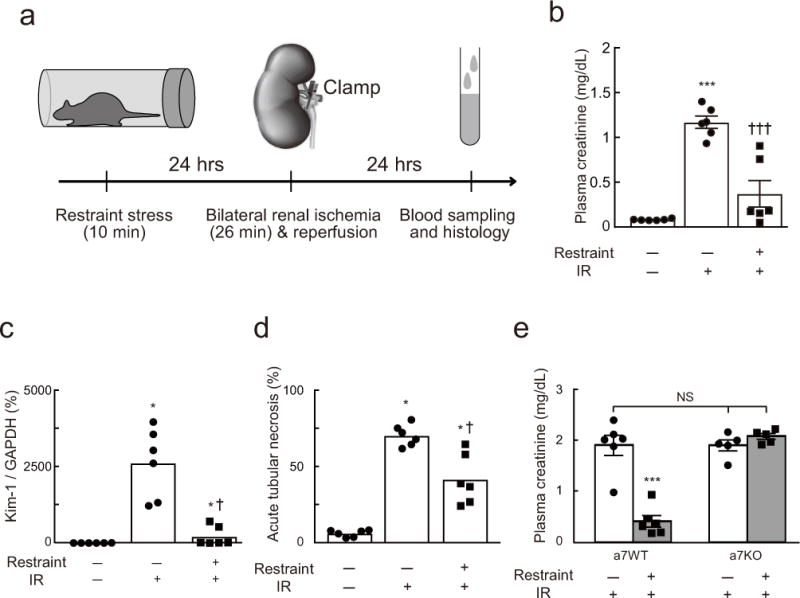
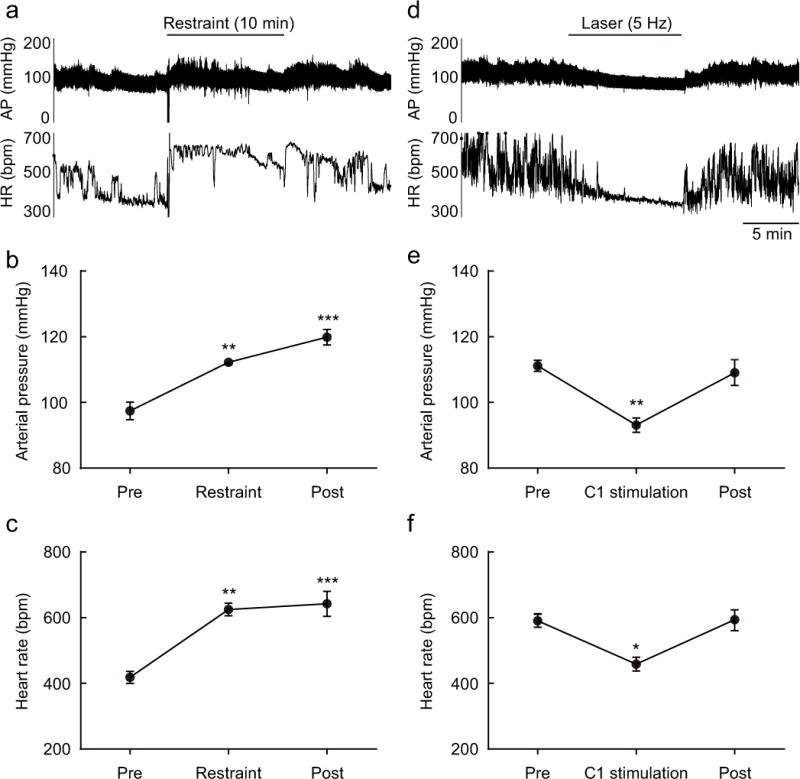
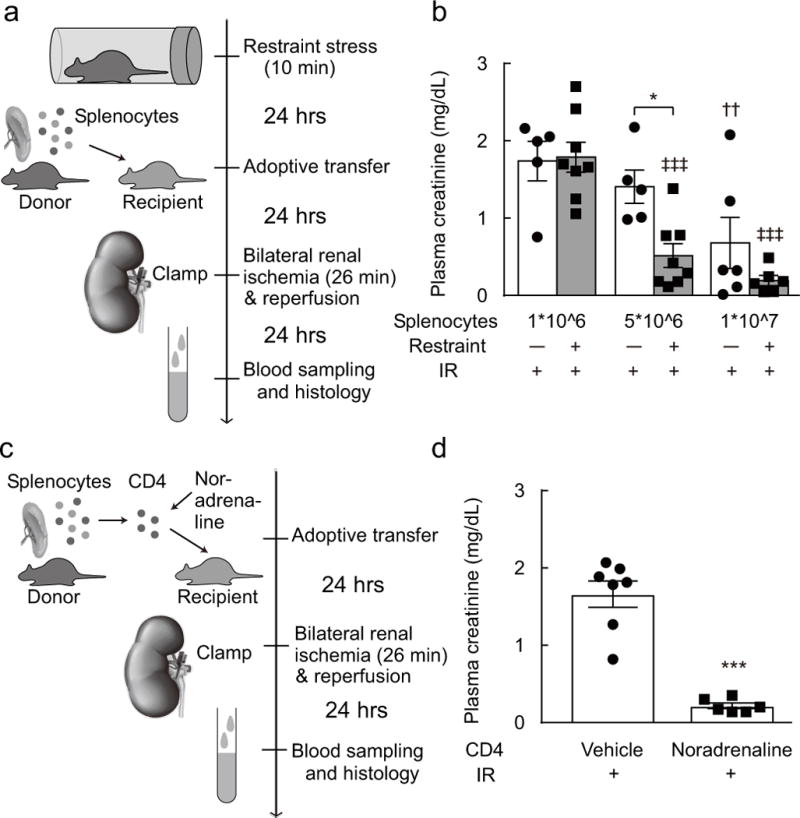
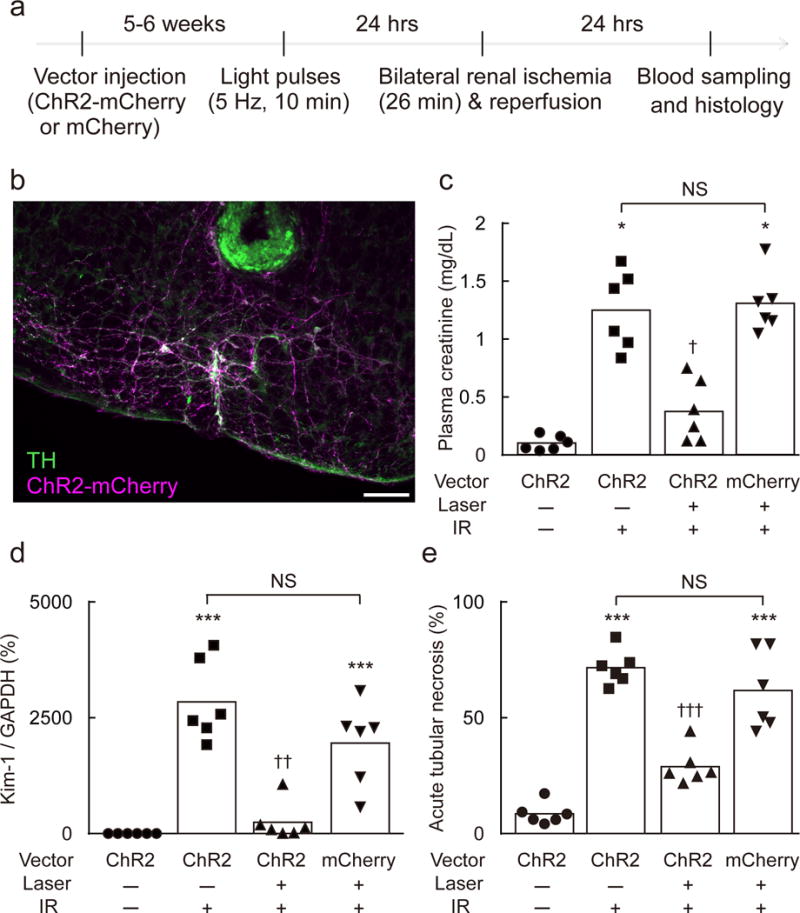
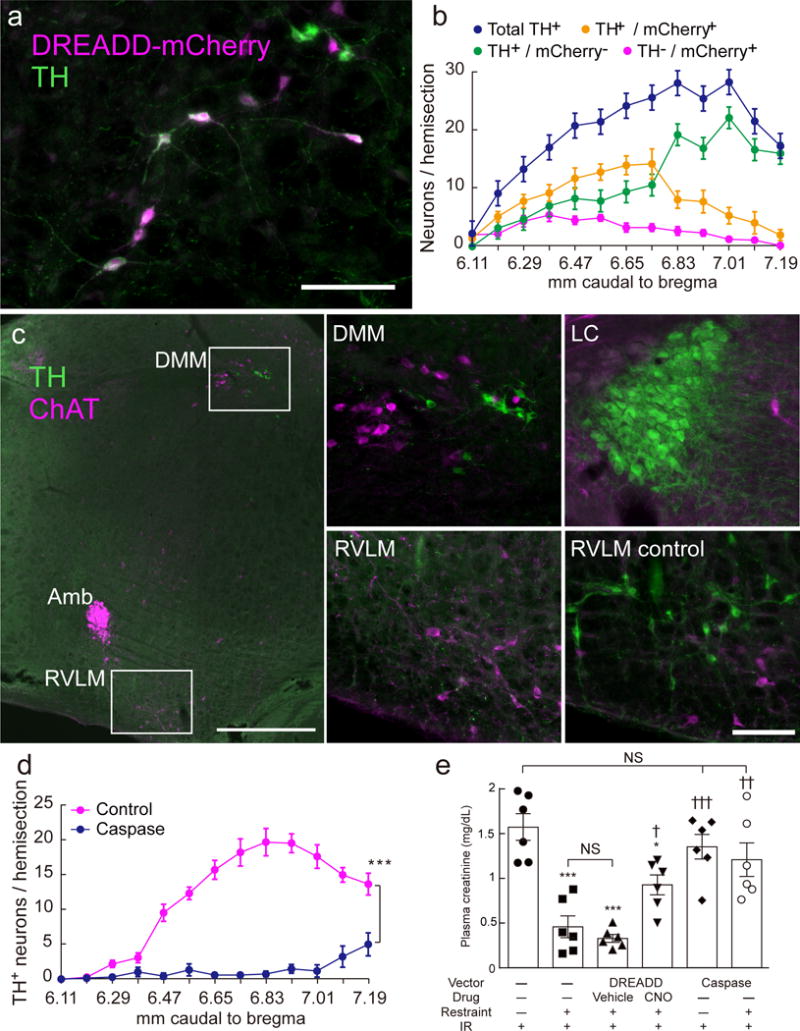
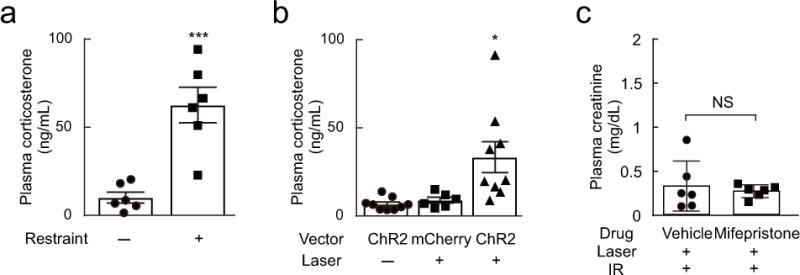
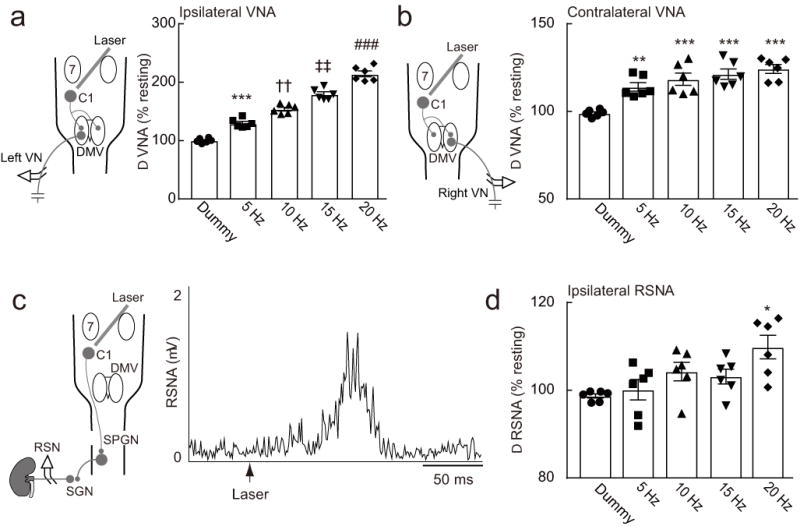
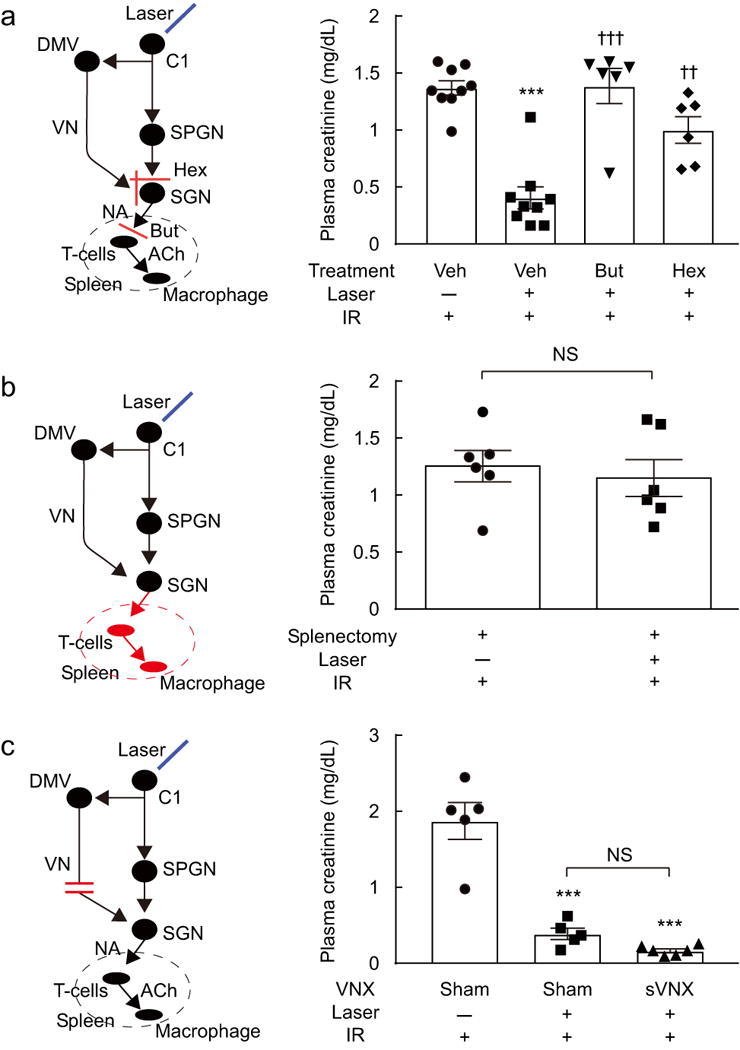
C1 neurons, located in the medulla oblongata, mediate adaptive autonomic responses to physical stressors (for example, hypotension, hemorrhage and presence of lipopolysaccharides). We describe here a powerful anti-inflammatory effect of restraint stress, mediated by C1 neurons: protection against renal ischemia-reperfusion injury. Restraint stress or optogenetic C1 neuron (C1) stimulation (10 min) protected mice from ischemia-reperfusion injury (IRI). The protection was reproduced by injecting splenic T cells that had been preincubated with noradrenaline or splenocytes harvested from stressed mice. Stress-induced IRI protection was absent in Chrna7 knockout (a7nAChR) mice and greatly reduced by destroying or transiently inhibiting C1. The protection conferred by C1 stimulation was eliminated by splenectomy, ganglionic-blocker administration or β-adrenergic receptor blockade. Although C1 stimulation elevated plasma corticosterone and increased both vagal and sympathetic nerve activity, C1-mediated IRI protection persisted after subdiaphragmatic vagotomy or corticosterone receptor blockade. Overall, acute stress attenuated IRI by activating a cholinergic, predominantly sympathetic, anti-inflammatory pathway. C1s were necessary and sufficient to mediate this effect.
位于延髓的C1神经元介导对物理应激源(如低血压、出血和脂多糖存在)的适应性自主反应。我们在此描述了由C1神经元介导的束缚应激的强大抗炎作用:对肾缺血再灌注损伤的保护作用。束缚应激或光遗传学C1神经元(C1)刺激(10分钟)可保护小鼠免受缺血再灌注损伤(IRI)。通过注射预先与去甲肾上腺素共孵育的脾T细胞或从应激小鼠收获的脾细胞可重现这种保护作用。Chrna7基因敲除(a7nAChR)小鼠不存在应激诱导的IRI保护作用,而通过破坏或短暂抑制C1可使其大大降低。脾切除术、给予神经节阻滞剂或β-肾上腺素能受体阻断可消除C1刺激所赋予的保护作用。尽管C1刺激会升高血浆皮质酮并增加迷走神经和交感神经活动,但在膈下迷走神经切断术或皮质酮受体阻断后,C1介导的IRI保护作用仍然存在。总体而言,急性应激通过激活一条胆碱能、主要是交感神经的抗炎途径减轻IRI。C1神经元对于介导这种效应是必要且充分的。