Jacqmin Dustin J, Bredfeldt Jeremy S, Frigo Sean P, Smilowitz Jennifer B
Department of Radiation Oncology, Medical University of South Carolina, Charleston, SC, USA.
Department of Human Oncology, University of Wisconsin-Madison, Madison, WI, USA.
J Appl Clin Med Phys. 2017 Jan;18(1):115-127. doi: 10.1002/acm2.12015. Epub 2016 Dec 5.
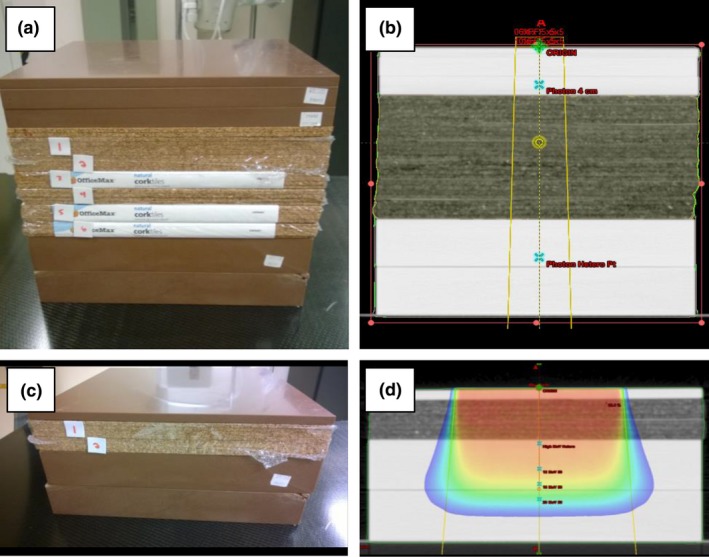
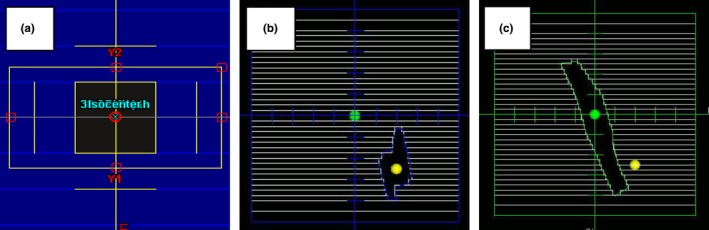
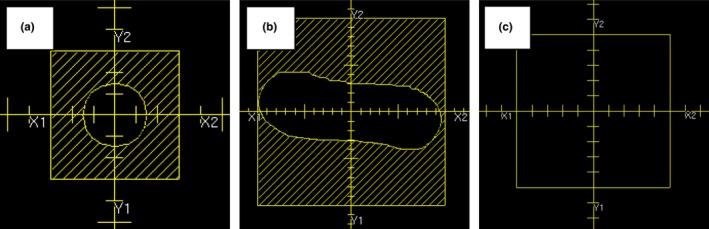
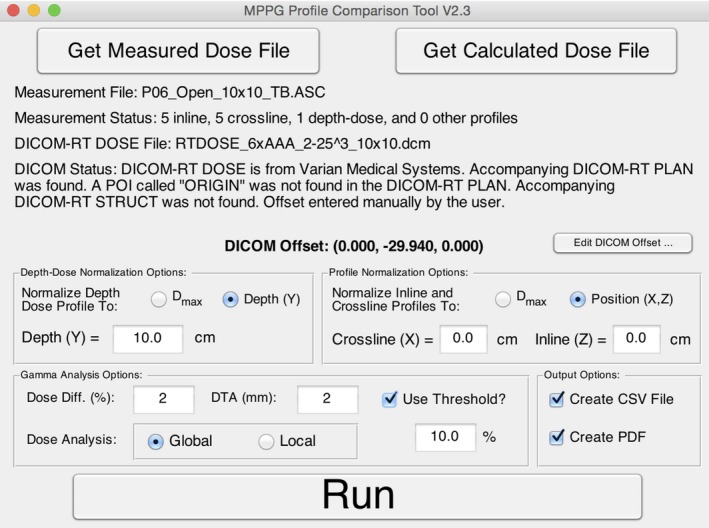
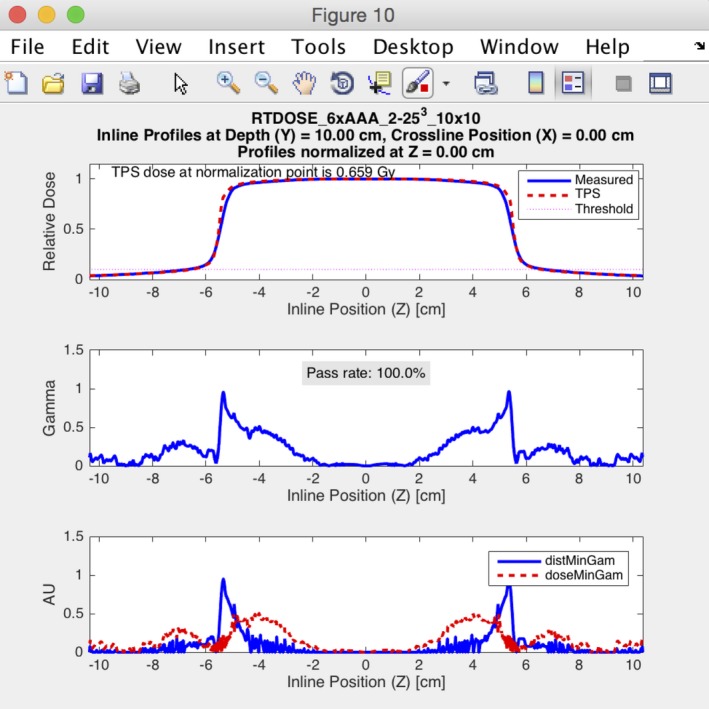
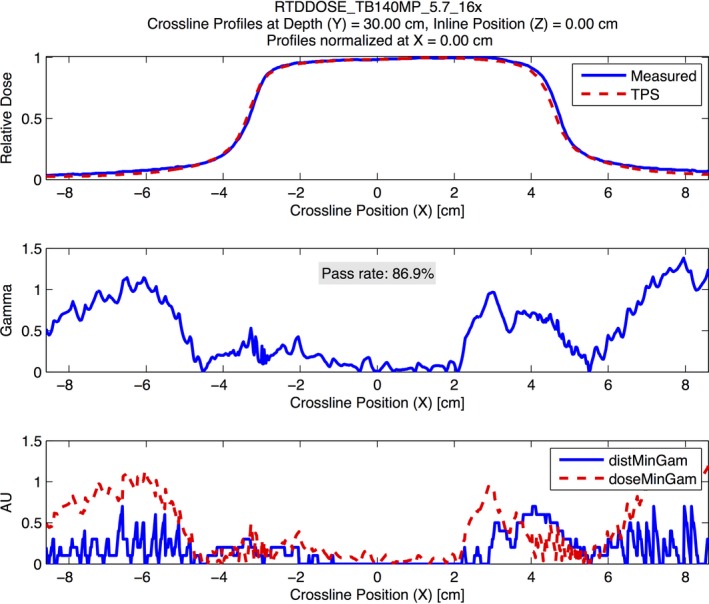
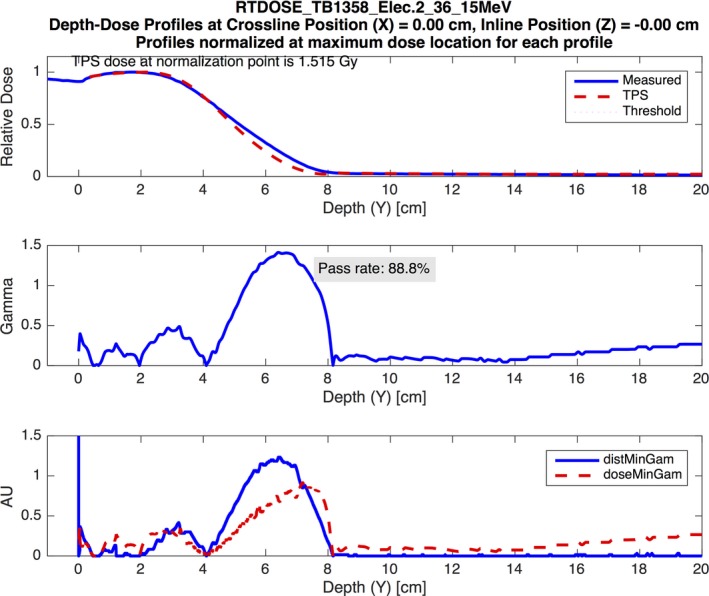
The AAPM Medical Physics Practice Guideline (MPPG) 5.a provides concise guidance on the commissioning and QA of beam modeling and dose calculation in radiotherapy treatment planning systems. This work discusses the implementation of the validation testing recommended in MPPG 5.a at two institutions. The two institutions worked collaboratively to create a common set of treatment fields and analysis tools to deliver and analyze the validation tests. This included the development of a novel, open-source software tool to compare scanning water tank measurements to 3D DICOM-RT Dose distributions. Dose calculation algorithms in both Pinnacle and Eclipse were tested with MPPG 5.a to validate the modeling of Varian TrueBeam linear accelerators. The validation process resulted in more than 200 water tank scans and more than 50 point measurements per institution, each of which was compared to a dose calculation from the institution's treatment planning system (TPS). Overall, the validation testing recommended in MPPG 5.a took approximately 79 person-hours for a machine with four photon and five electron energies for a single TPS. Of the 79 person-hours, 26 person-hours required time on the machine, and the remainder involved preparation and analysis. The basic photon, electron, and heterogeneity correction tests were evaluated with the tolerances in MPPG 5.a, and the tolerances were met for all tests. The MPPG 5.a evaluation criteria were used to assess the small field and IMRT/VMAT validation tests. Both institutions found the use of MPPG 5.a to be a valuable resource during the commissioning process. The validation testing in MPPG 5.a showed the strengths and limitations of the TPS models. In addition, the data collected during the validation testing is useful for routine QA of the TPS, validation of software upgrades, and commissioning of new algorithms.
美国医学物理学家协会(AAPM)的医学物理实践指南(MPPG)5.a为放射治疗计划系统中射束建模和剂量计算的调试及质量保证提供了简明指导。这项工作讨论了在两个机构实施MPPG 5.a中推荐的验证测试。这两个机构合作创建了一组通用的治疗野和分析工具,以进行和分析验证测试。这包括开发一种新颖的开源软件工具,用于将扫描水箱测量结果与3D DICOM-RT剂量分布进行比较。使用MPPG 5.a对Pinnacle和Eclipse中的剂量计算算法进行了测试,以验证Varian TrueBeam直线加速器的建模。验证过程导致每个机构进行了200多次水箱扫描和50多次点测量,每次测量都与该机构治疗计划系统(TPS)的剂量计算结果进行比较。总体而言,对于单个TPS,具有四个光子能量和五个电子能量的机器,MPPG 5.a中推荐的验证测试大约需要79人时。在这79人时中,有26人时需要在机器上花费时间,其余时间用于准备和分析。根据MPPG 5.a中的公差对基本光子、电子和不均匀性校正测试进行了评估,所有测试均符合公差要求。使用MPPG 5.a的评估标准来评估小射野和IMRT/VMAT验证测试。两个机构都发现,在调试过程中使用MPPG 5.a是一项宝贵的资源。MPPG 5.a中的验证测试显示了TPS模型的优势和局限性。此外,在验证测试期间收集的数据对于TPS的常规质量保证、软件升级验证和新算法的调试很有用。