Garg Gunjan, Gogia Atul, Kakar Atul, Miglani Pratyush
Department of Medicine, Sir Ganga Ram Hospital, New Delhi, India.
Iran J Med Sci. 2017 Jan;42(1):102-105.
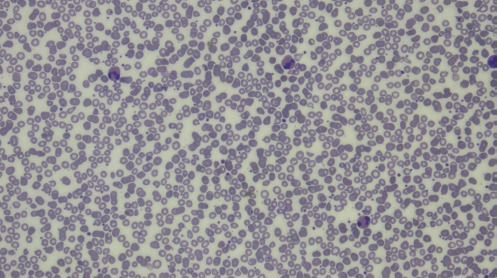
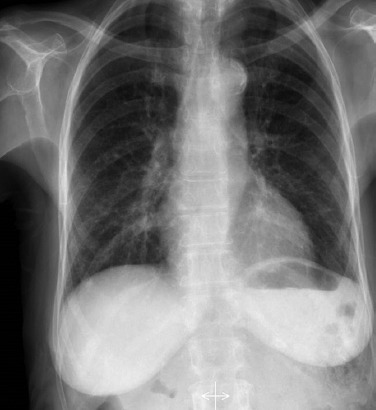
We report a case of a 68-year-old female who was a known case of diabetes mellitus and chronic liver disease and presented with complaints of dry cough and other constitutional symptoms since one month. During initial investigations, the patient was found to have peripheral blood eosinophilia. Upon investigating further,the patient was found to have mediastinal lymphadenopathy and fine-needle aspiration of mediastinal lymph nodes showed features of tuberculosis. The patient was started on anti-tubercular treatment and her eosinophil counts returned to normal levels. Correlation between eosinophilia and tuberculosis has not been established in classical literature. This case highlights the same association and raises awareness on this crucial finding. Coexistence of eosinophilia and tuberculosis in our patient is suggested since peripheral blood eosinophilia improved with anti-tubercular treatment. The exact pathogenesis of coexistence of tuberculosis and peripheral blood eosinophilia yet remains to be deciphered, but tissue pathology is mainly associated with the discharge of toxic eosinophil products.
我们报告一例68岁女性患者,她患有糖尿病和慢性肝病,自一个月以来出现干咳及其他全身症状。在初步检查中,发现该患者外周血嗜酸性粒细胞增多。进一步检查发现患者有纵隔淋巴结肿大,纵隔淋巴结细针穿刺显示有结核特征。患者开始接受抗结核治疗,其嗜酸性粒细胞计数恢复到正常水平。经典文献中尚未确立嗜酸性粒细胞增多与结核病之间的关联。本病例突出了这种关联,并提高了对这一关键发现的认识。鉴于抗结核治疗后外周血嗜酸性粒细胞增多情况有所改善,提示我们的患者存在嗜酸性粒细胞增多与结核病并存的情况。结核病与外周血嗜酸性粒细胞增多并存的确切发病机制仍有待阐明,但组织病理学主要与嗜酸性粒细胞毒性产物的释放有关。