Taylor Nadine S, White Thomas A, Viant Mark R
School of Biosciences, University of Birmingham, Edgbaston, Birmingham B15 2TT, UK.
Metabolites. 2017 Mar 15;7(1):11. doi: 10.3390/metabo7010011.
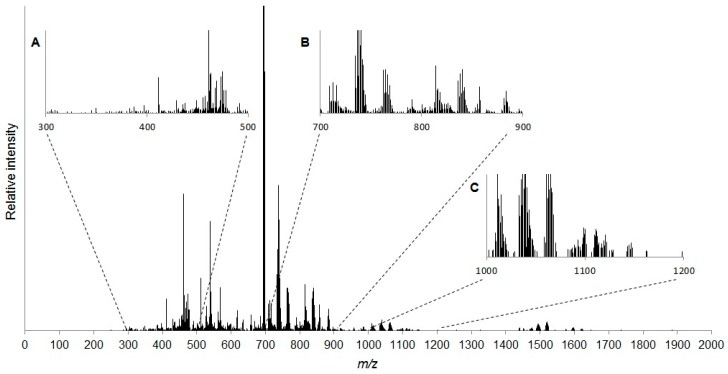
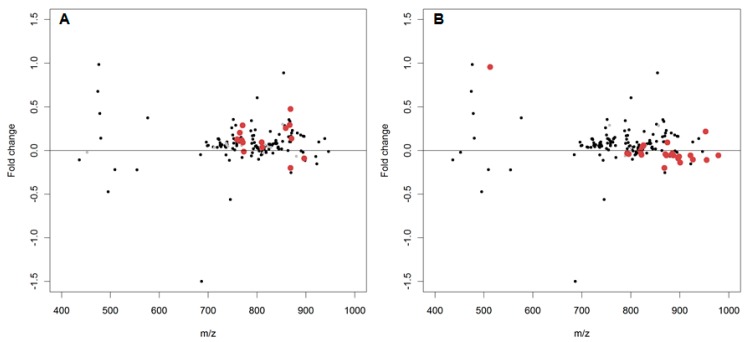
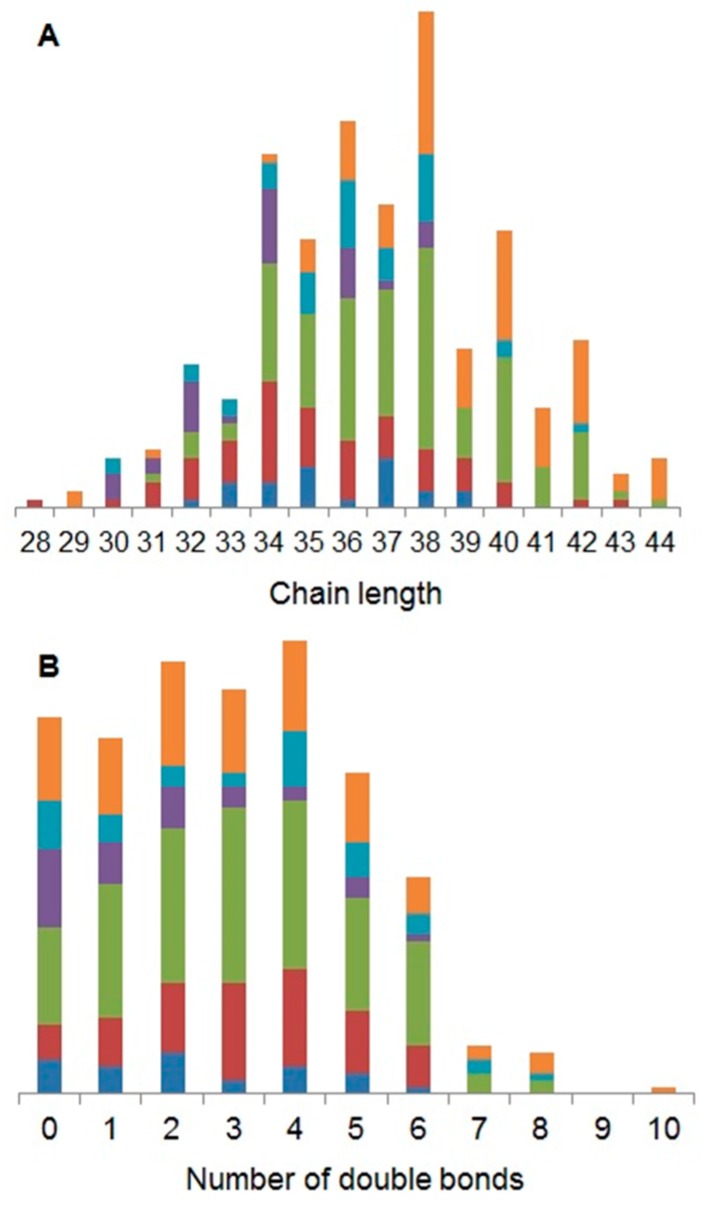
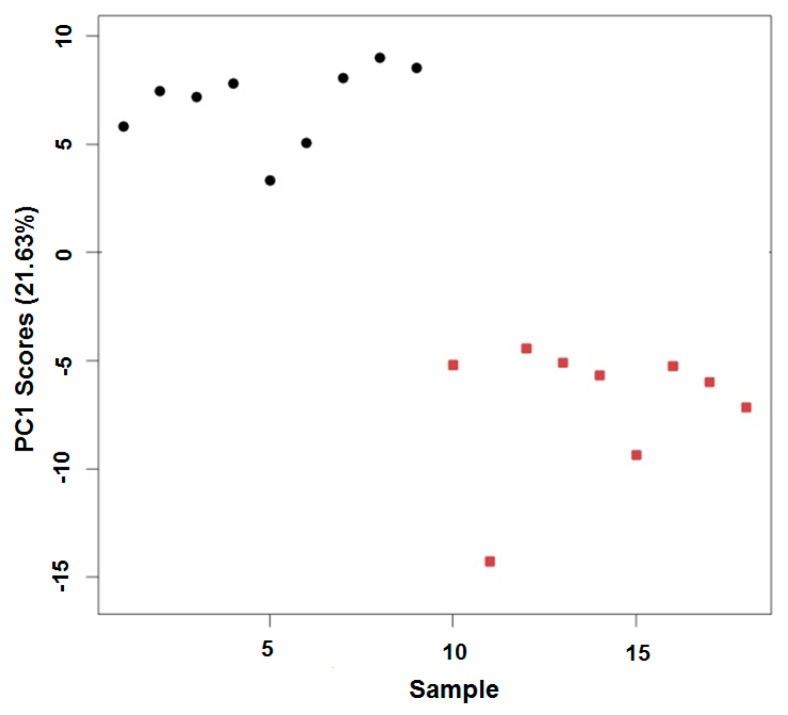
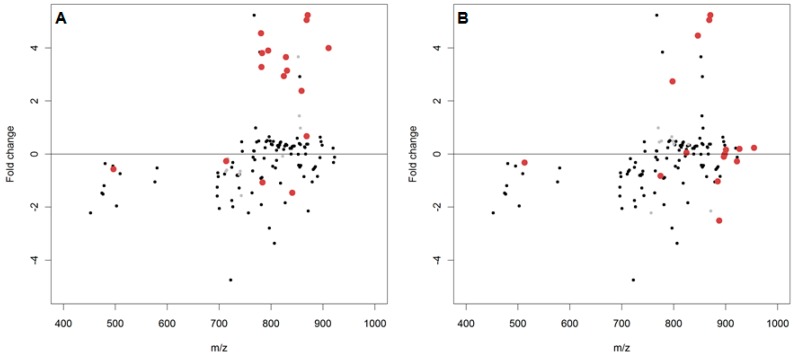
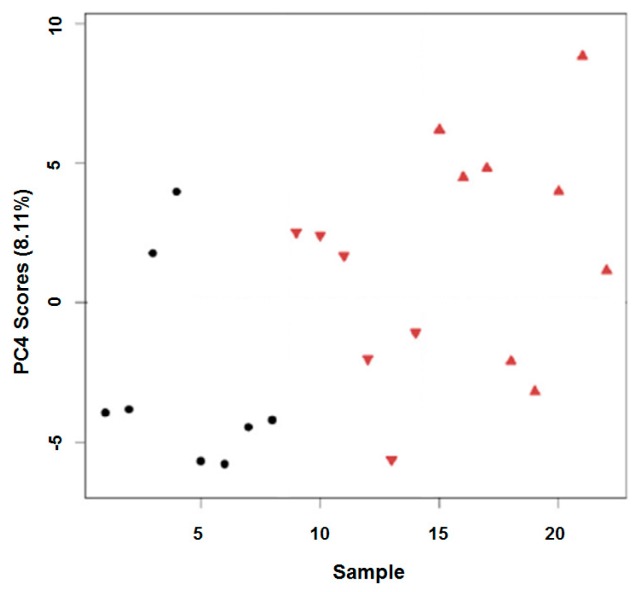
Recent technological advancement has enabled the emergence of lipidomics as an important tool for assessing molecular stress, one which has yet to be assessed fully as an approach in an environmental toxicological context. Here we have applied a high-resolution, non-targeted, nanoelectrospray ionisation (nESI) direct infusion mass spectrometry (DIMS) technique to assess the effects of oxidative stress to both in vitro (air exposure of daphniid extracts) and in vivo (Cu exposure). Multivariate and univariate statistical analyses were used to distinguish any perturbations including oxidation to the baseline lipidome. This approach enabled the putative annotation of the baseline lipidome of with 65% of the lipid species discovered previously not reported. In vitro exposure of lipid extracts to air, primarily to test the methodology, revealed a significant perturbation to this baseline lipidome with detectable oxidation of peaks, in most cases attributed to single oxygen addition. Exposure of to Cu in vivo also caused a significant perturbation to the lipidome at an environmentally relevant concentration of 20 µg/L. This nESI DIMS approach has successfully identified perturbations and oxidative modifications to the lipidome in a high-throughput manner, highlighting its suitability for environmental lipidomic studies.
最近的技术进步使脂质组学成为评估分子应激的重要工具,在环境毒理学背景下,作为一种方法,脂质组学尚未得到充分评估。在此,我们应用了一种高分辨率、非靶向、纳米电喷雾电离(nESI)直接进样质谱(DIMS)技术,来评估氧化应激对体外(水蚤提取物空气暴露)和体内(铜暴露)的影响。使用多变量和单变量统计分析来区分包括氧化在内的对基线脂质组的任何扰动。这种方法能够对脂质组进行推定注释,发现的脂质种类中有65%是之前未报道过的。脂质提取物体外空气暴露主要用于测试该方法,结果显示对该基线脂质组有显著扰动,可检测到峰的氧化,在大多数情况下归因于单氧加成。水蚤体内铜暴露在20 µg/L的环境相关浓度下也对脂质组造成了显著扰动。这种nESI DIMS方法已成功以高通量方式识别了脂质组的扰动和氧化修饰,突出了其在环境脂质组学研究中的适用性。