van Tienen Laurens M, Mieszczanek Juliusz, Fiedler Marc, Rutherford Trevor J, Bienz Mariann
MRC Laboratory of Molecular Biology, Cambridge, United Kingdom.
Elife. 2017 Mar 15;6:e20882. doi: 10.7554/eLife.20882.
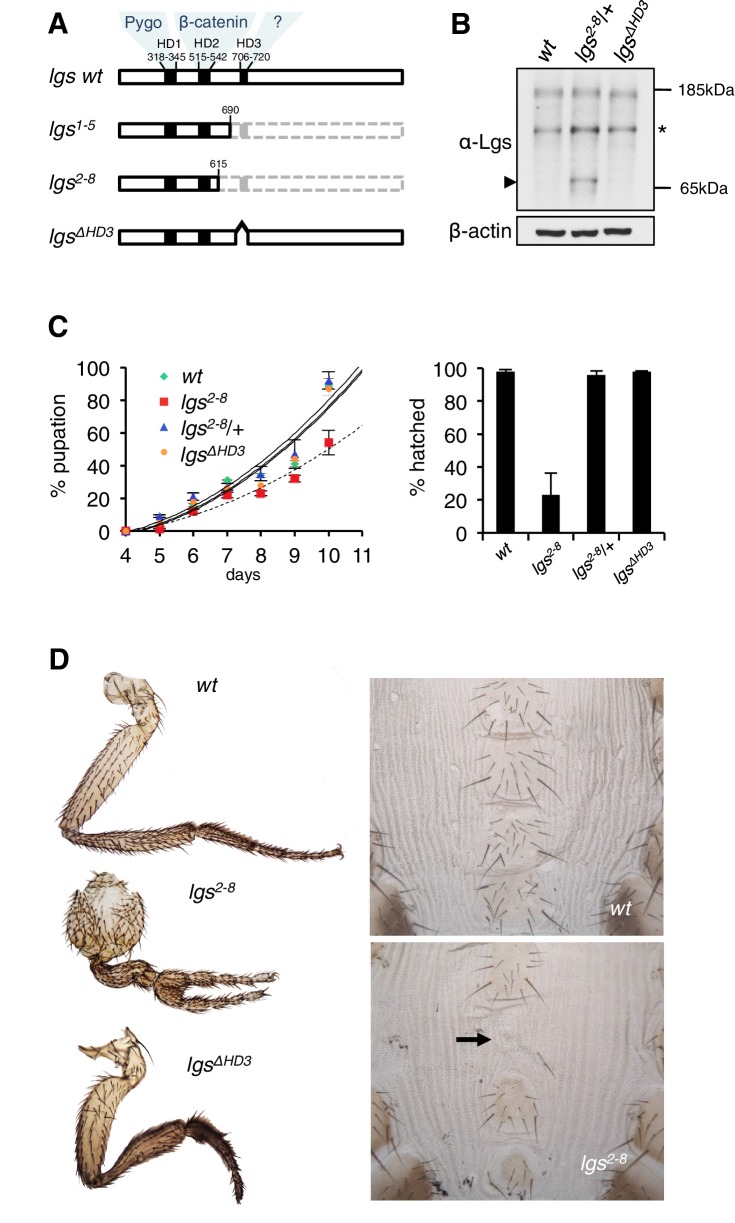
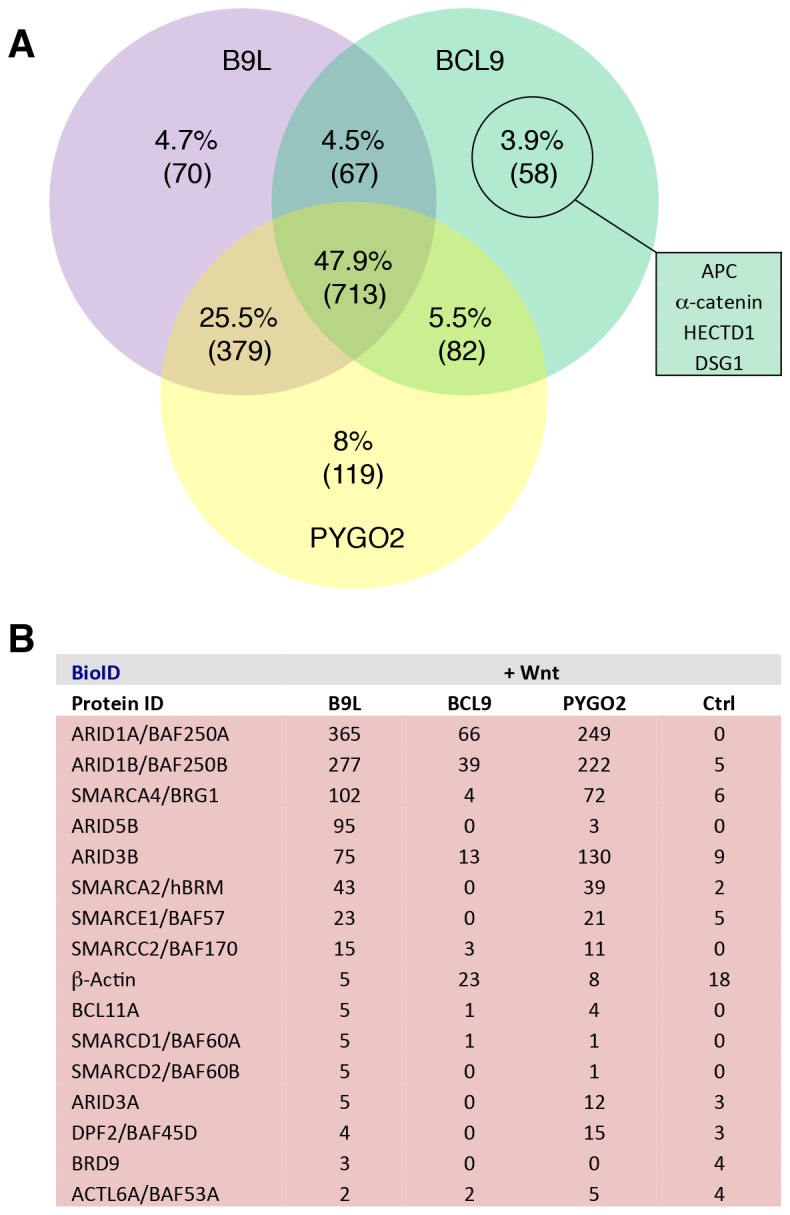
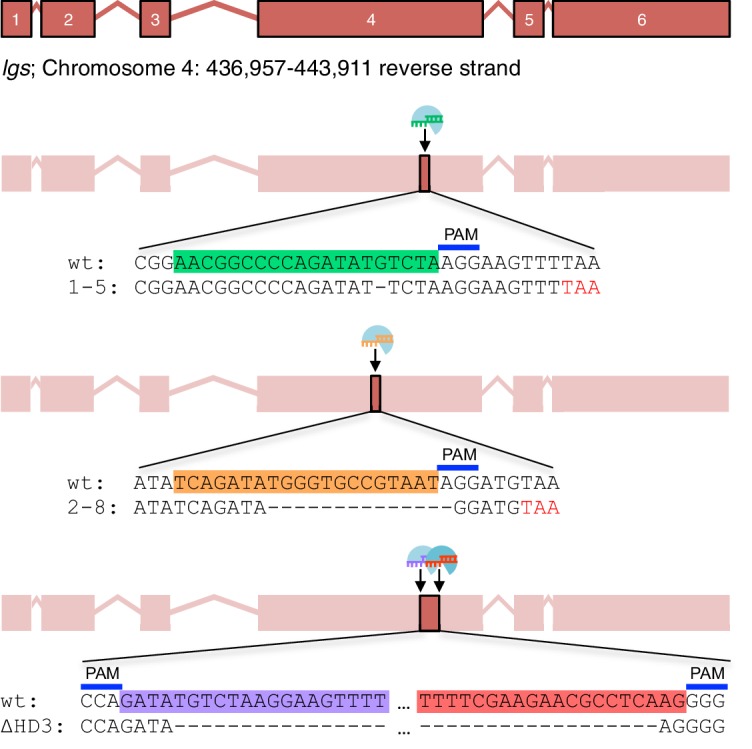
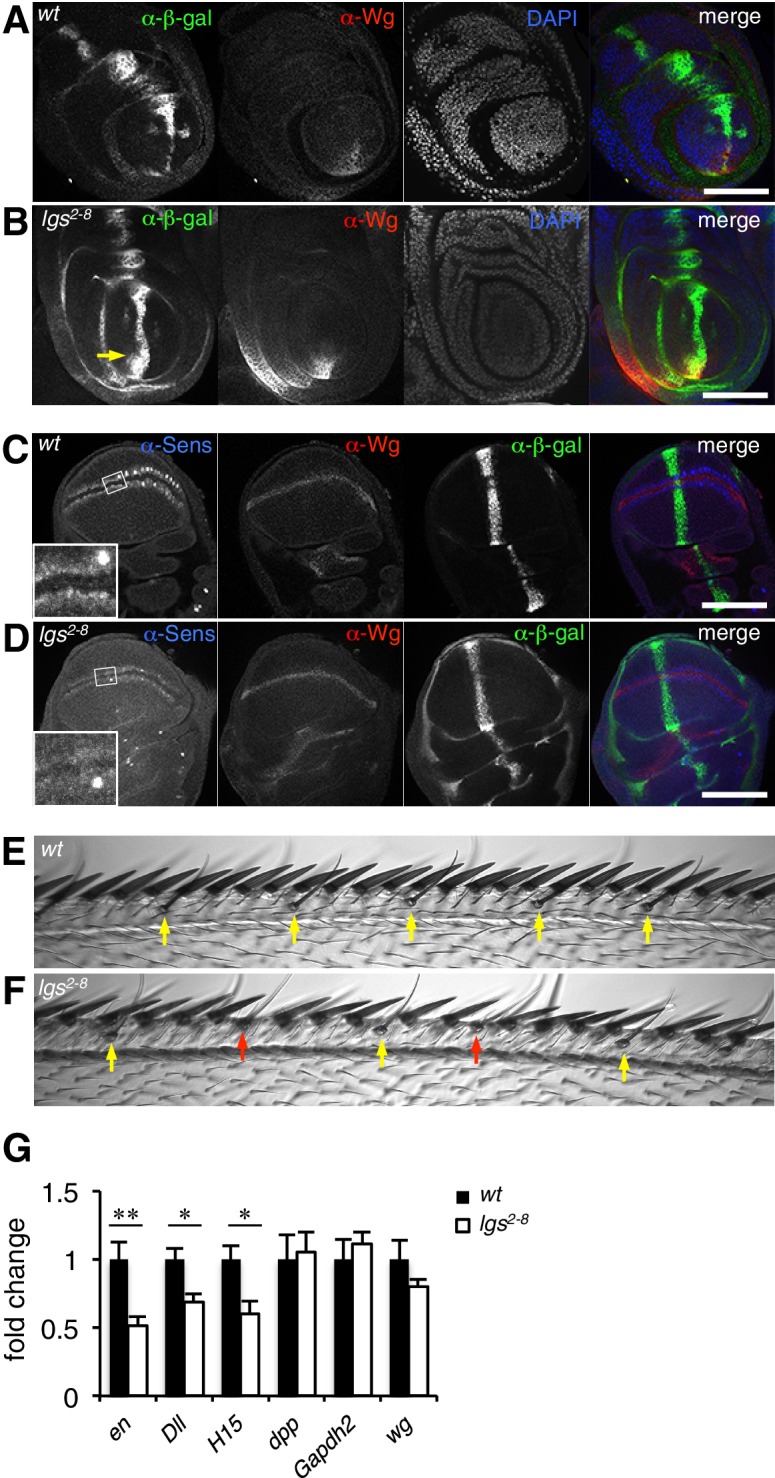
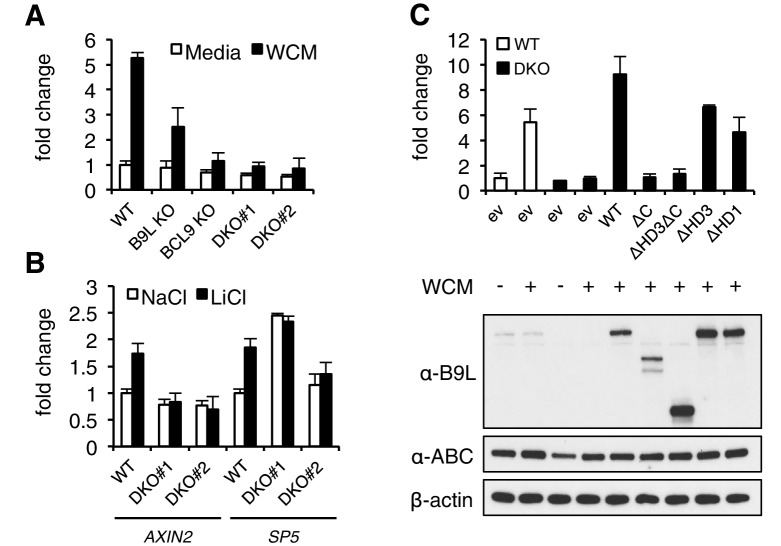
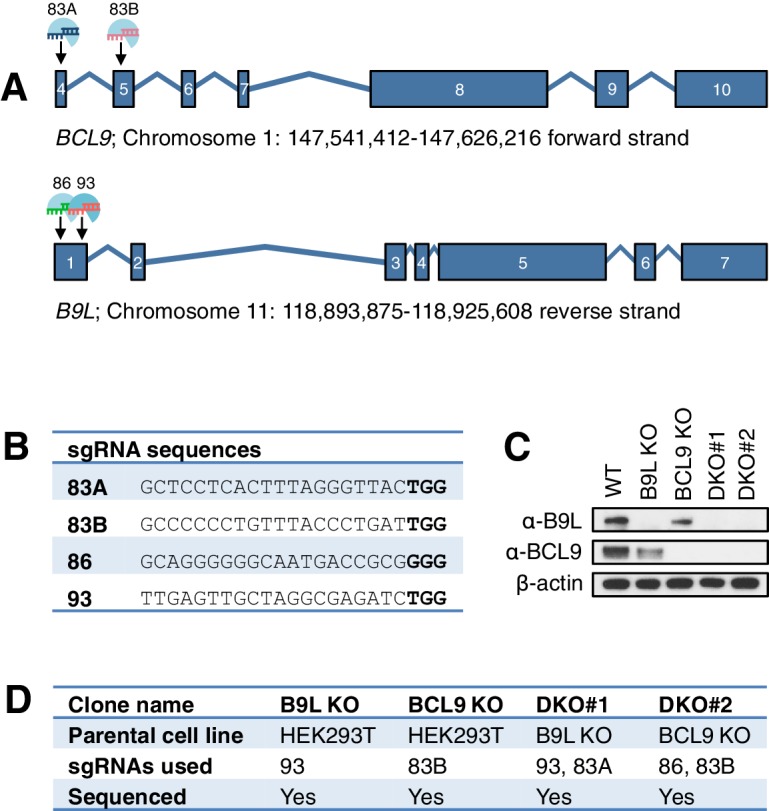
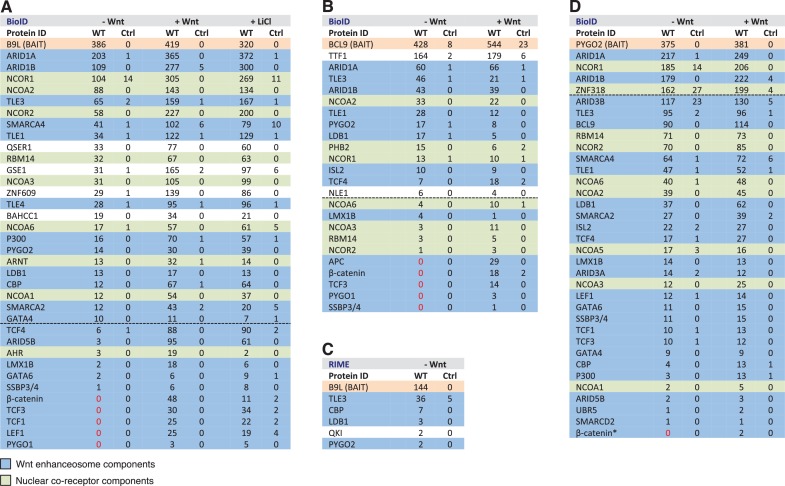
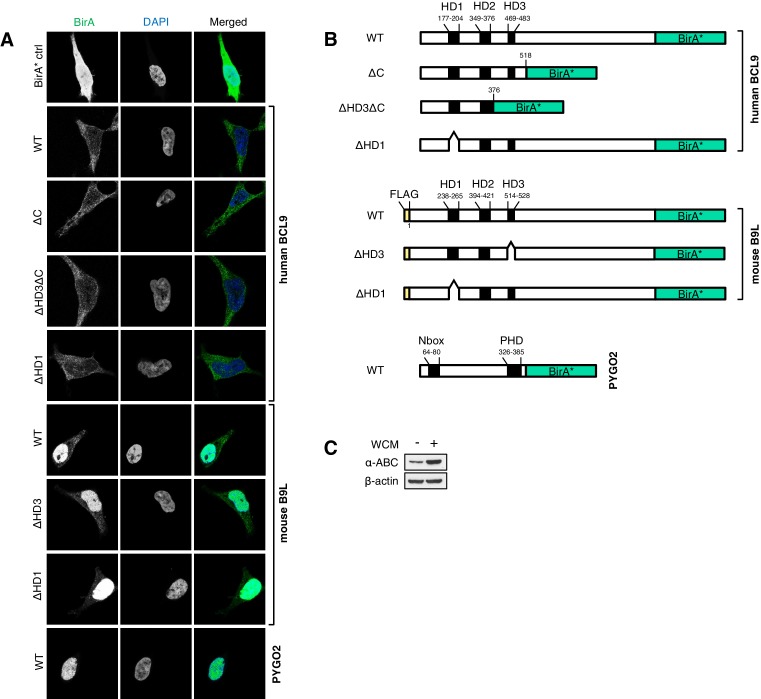
Wnt/β-catenin signaling elicits context-dependent transcription switches that determine normal development and oncogenesis. These are mediated by the Wnt enhanceosome, a multiprotein complex binding to the Pygo chromatin reader and acting through TCF/LEF-responsive enhancers. Pygo renders this complex Wnt-responsive, by capturing β-catenin via the Legless/BCL9 adaptor. We used CRISPR/Cas9 genome engineering of and human and to show that the C-terminus downstream of their adaptor elements is crucial for Wnt responses. BioID proximity labeling revealed that BCL9 and B9L, like PYGO2, are constitutive components of the Wnt enhanceosome. Wnt-dependent docking of β-catenin to the enhanceosome apparently causes a rearrangement that apposes the BCL9/B9L C-terminus to TCF. This C-terminus binds to the Groucho/TLE co-repressor, and also to the Chip/LDB1-SSDP enhanceosome core complex via an evolutionary conserved element. An unexpected link between BCL9/B9L, PYGO2 and nuclear co-receptor complexes suggests that these β-catenin co-factors may coordinate Wnt and nuclear hormone responses.
Wnt/β-连环蛋白信号传导引发依赖于背景的转录开关,这些开关决定正常发育和肿瘤发生。这些是由Wnt增强体介导的,Wnt增强体是一种多蛋白复合物,与Pygo染色质阅读器结合并通过TCF/LEF反应性增强子起作用。Pygo通过无腿蛋白/BCL9衔接子捕获β-连环蛋白,使该复合物对Wnt产生反应。我们使用CRISPR/Cas9基因组工程对小鼠和人类的Pygo2及Pygo1进行研究,结果表明其衔接子元件下游的C末端对Wnt反应至关重要。生物ID邻近标记显示,与PYGO2一样,BCL9和B9L是Wnt增强体的组成成分。β-连环蛋白与增强体的Wnt依赖性对接显然会导致一种重排,使BCL9/B9L的C末端与TCF并列。该C末端与Groucho/TLE共抑制因子结合,还通过一个进化保守元件与Chip/LDB1-SSDP增强体核心复合物结合。BCL9/B9L、PYGO2与核共受体复合物之间存在意外联系,这表明这些β-连环蛋白辅助因子可能协调Wnt和核激素反应。