Almeida Fabrício M, Ventura Thatiana L B, Amaral Eduardo P, Ribeiro Simone C M, Calixto Sanderson D, Manhães Marcelle R, Rezende Andreza L, Souza Giliane S, de Carvalho Igor S, Silva Elisangela C, Silva Juliana Azevedo da, Carvalho Eulógio C Q, Kritski Afranio L, Lasunskaia Elena B
Laboratory of Biology of Recognition, Universidade Estadual do Norte Fluminense, Campos, Rio de Janeiro, Brazil.
Departament of Immunology, Biomedical Science Institute (ICB), University of Sao Paulo, Sao Paulo, Brazil.
PLoS One. 2017 Mar 17;12(3):e0173715. doi: 10.1371/journal.pone.0173715. eCollection 2017.
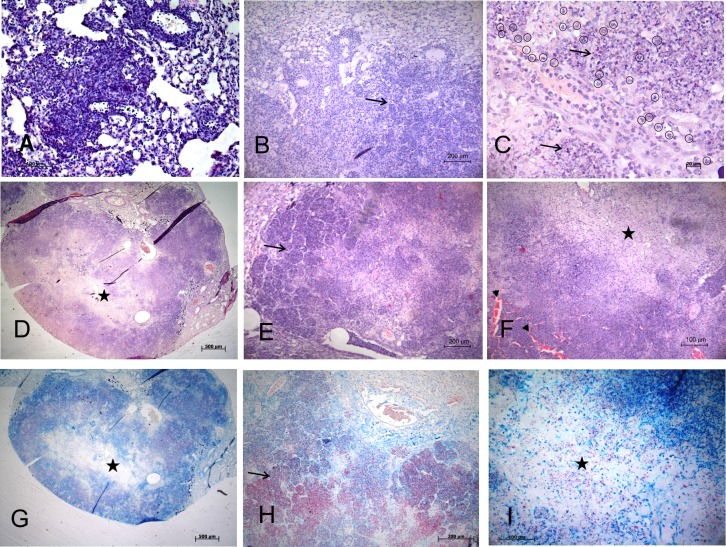
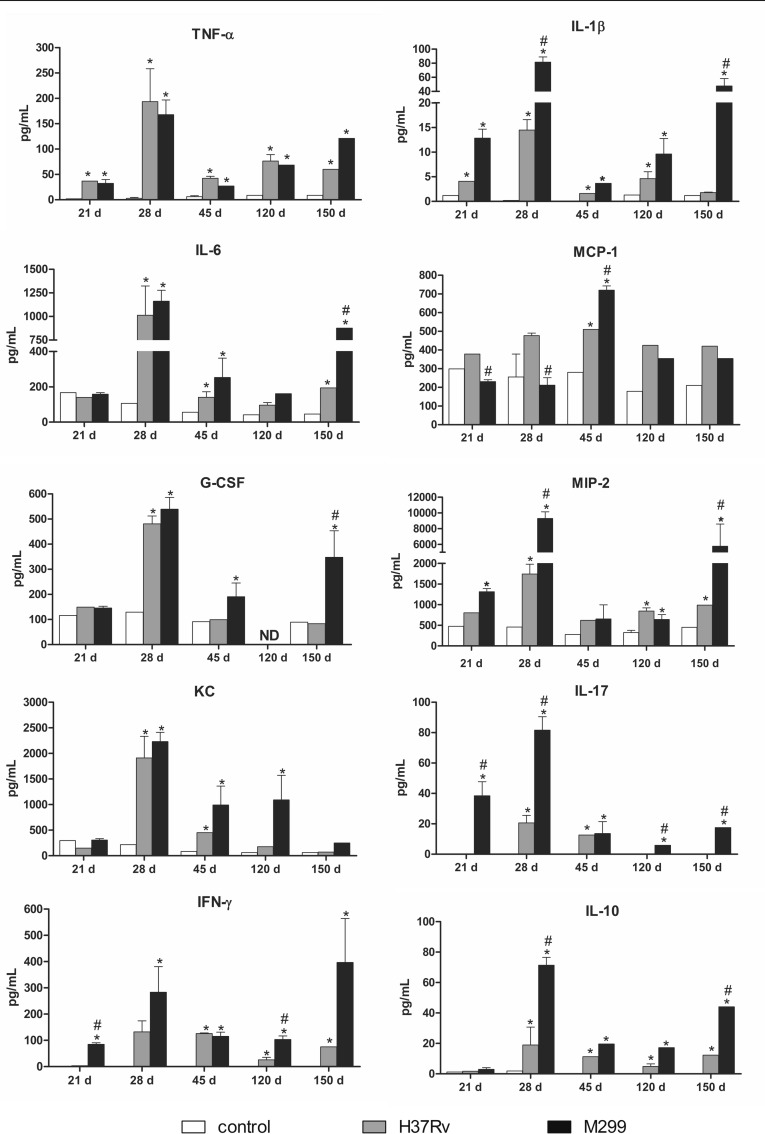
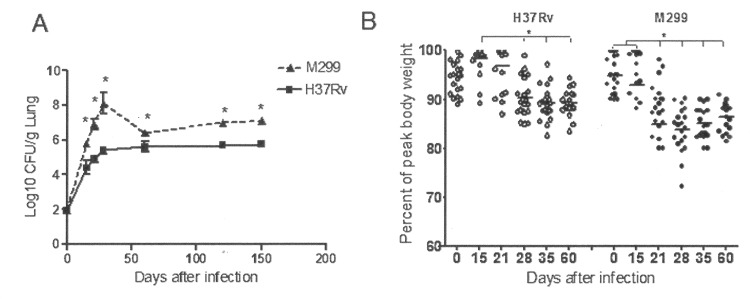
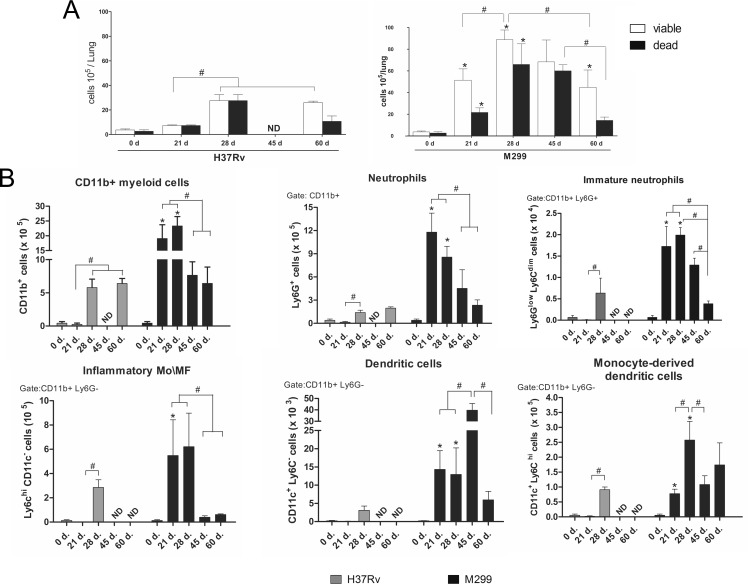
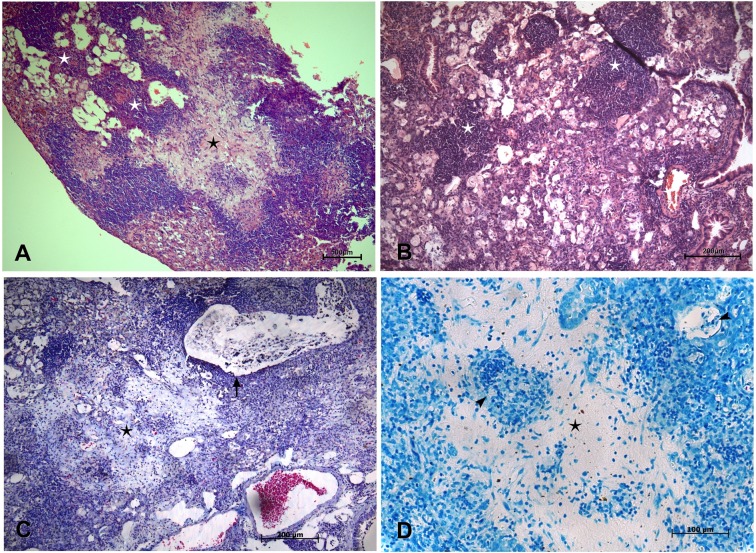
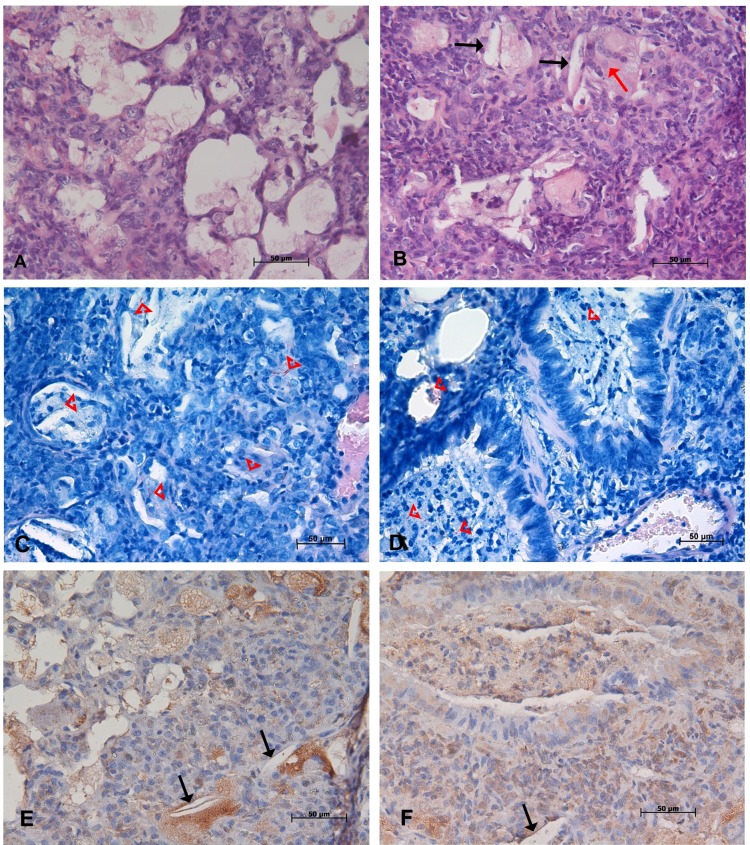
Tuberculosis (TB) is a chronic infectious disease caused by Mycobacterium tuberculosis (Mtb) that in most cases induces irreversible necrosis of lung tissue as a result of excessive inflammatory reactions. The murine model of TB in resistant C57BL/6 mice infected with reference Mtb strains is widely used in TB studies; however, these mice do not show a necrotic pathology, which restricts their use in studies of irreversible tissue damage. Recently, we demonstrated that necrotic lung lesions could be induced in the C57BL/6 mice by highly virulent Mtb strains belonging to the modern Beijing sublineage. However, the pathogenic mechanisms leading to necrosis in this model were not elucidated. In this study, we investigated the dynamics of lung lesions in mice infected with highly virulent Beijing Mtb strain M299, compared with those infected with laboratory Mtb strain H37Rv. The data demonstrate that necrotic lung lesions in mice infected by the strain M299 were associated with enhanced recruitment of myeloid cells, especially neutrophils, and increased levels of proinflammatory cytokines, consistent with exacerbated inflammation. High levels of IFN-γ production contributed to the control of bacterial growth. Further progression to chronic disease was associated with a reduction in the levels of inflammatory mediators in the lungs, the accumulation of foamy macrophages and partial healing of the necrotic tissue by fibrosis. At a late stage of disease, degradation of foamy cells resulted in the liberation of accumulated lipids and persisting bacilli and further activation of inflammation, which promoted lung consolidation. Overall, our studies show that C57BL/6 mice infected with highly virulent Mtb strain may serve as a TB model reproducing an exacerbated inflammatory response in a resistant host to hypervirulent mycobacteria, leading to irreversible necrotic lung lesions.
结核病(TB)是由结核分枝杆菌(Mtb)引起的一种慢性传染病,在大多数情况下,由于过度的炎症反应,会导致肺组织发生不可逆的坏死。用标准Mtb菌株感染抗性C57BL/6小鼠的TB小鼠模型在TB研究中被广泛使用;然而,这些小鼠并未表现出坏死性病理,这限制了它们在不可逆组织损伤研究中的应用。最近,我们证明,属于现代北京亚系的高毒力Mtb菌株可在C57BL/6小鼠中诱导坏死性肺损伤。然而,该模型中导致坏死的致病机制尚未阐明。在本研究中,我们调查了感染高毒力北京Mtb菌株M299的小鼠与感染实验室Mtb菌株H37Rv的小鼠肺部病变的动态变化。数据表明,感染菌株M299的小鼠出现坏死性肺损伤与髓样细胞尤其是中性粒细胞的募集增加以及促炎细胞因子水平升高有关,这与炎症加剧一致。高水平的IFN-γ产生有助于控制细菌生长。疾病进一步发展为慢性病与肺部炎症介质水平降低、泡沫巨噬细胞积聚以及坏死组织通过纤维化部分愈合有关。在疾病晚期,泡沫细胞的降解导致积累的脂质和持续存在的杆菌释放,并进一步激活炎症,从而促进肺实变。总体而言,我们的研究表明,感染高毒力Mtb菌株的C57BL/6小鼠可作为一种TB模型,在抗性宿主中重现对高毒力分枝杆菌的炎症反应加剧,导致不可逆的坏死性肺损伤。