Bevington Sarah L, Cauchy Pierre, Withers David R, Lane Peter J L, Cockerill Peter N
Institute of Cancer and Genomic Sciences, Institute of Biomedical Research, University of Birmingham , Birmingham , UK.
Institute of Immunology and Immunotherapy, Institute of Biomedical Research, University of Birmingham , Birmingham , UK.
Front Immunol. 2017 Mar 3;8:204. doi: 10.3389/fimmu.2017.00204. eCollection 2017.
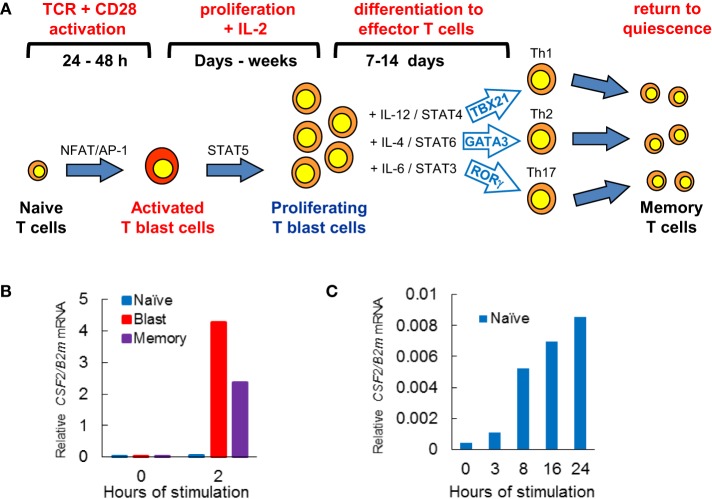
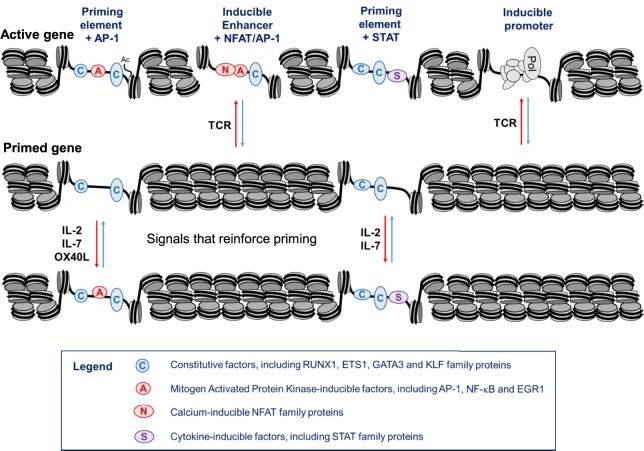
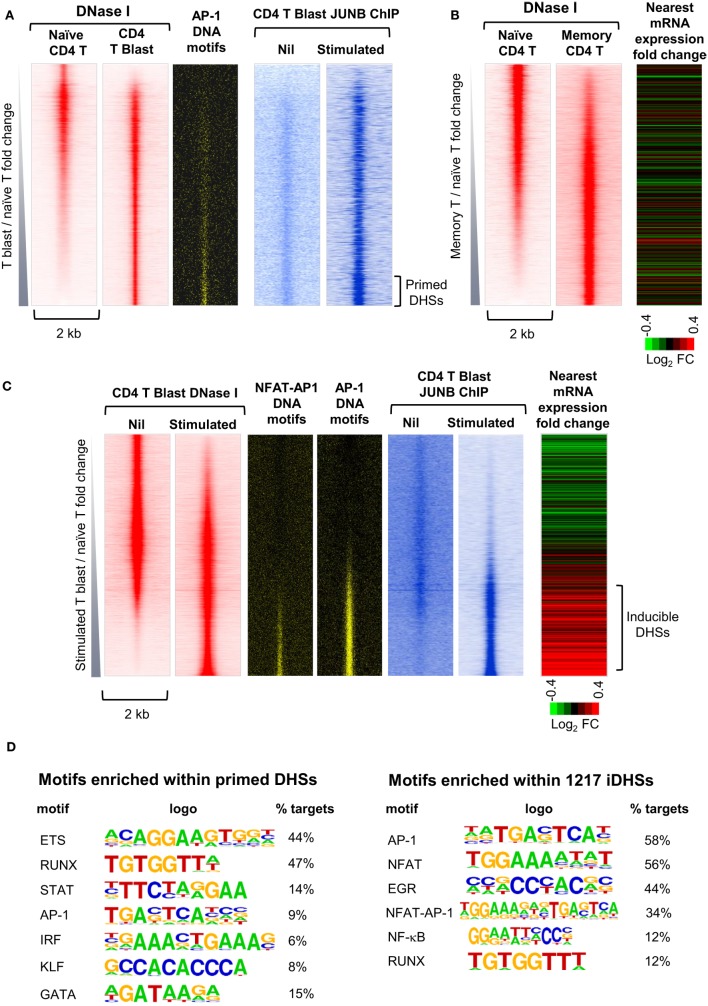
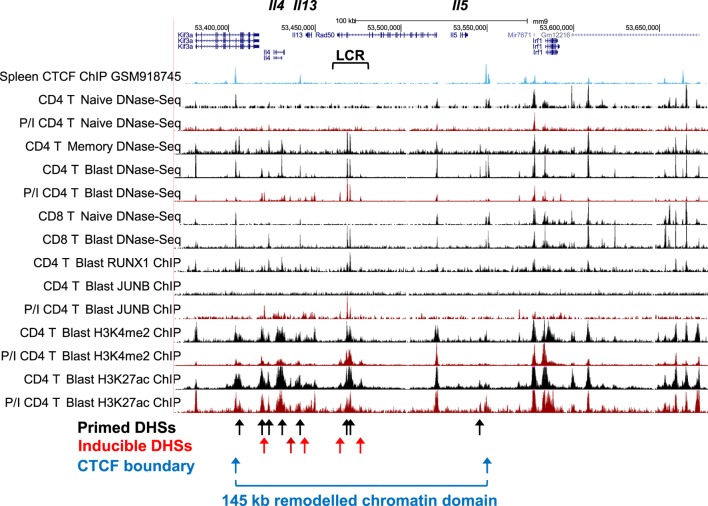
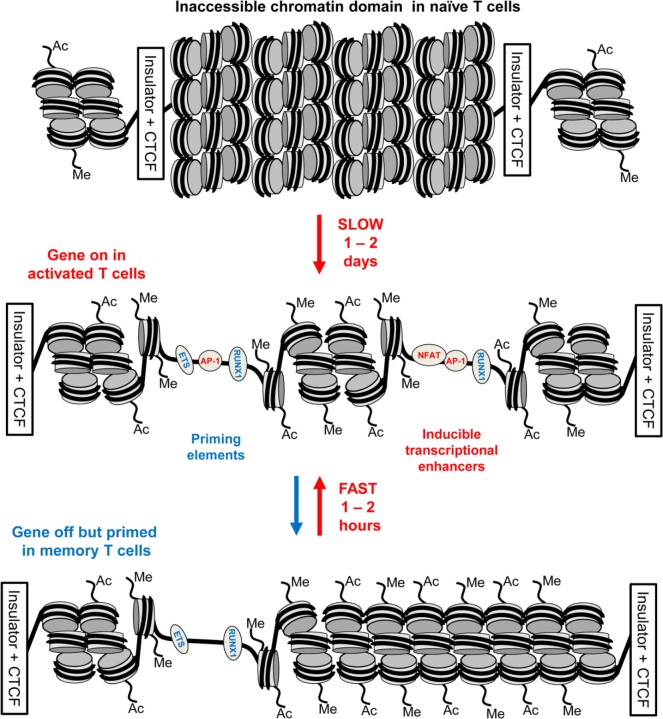
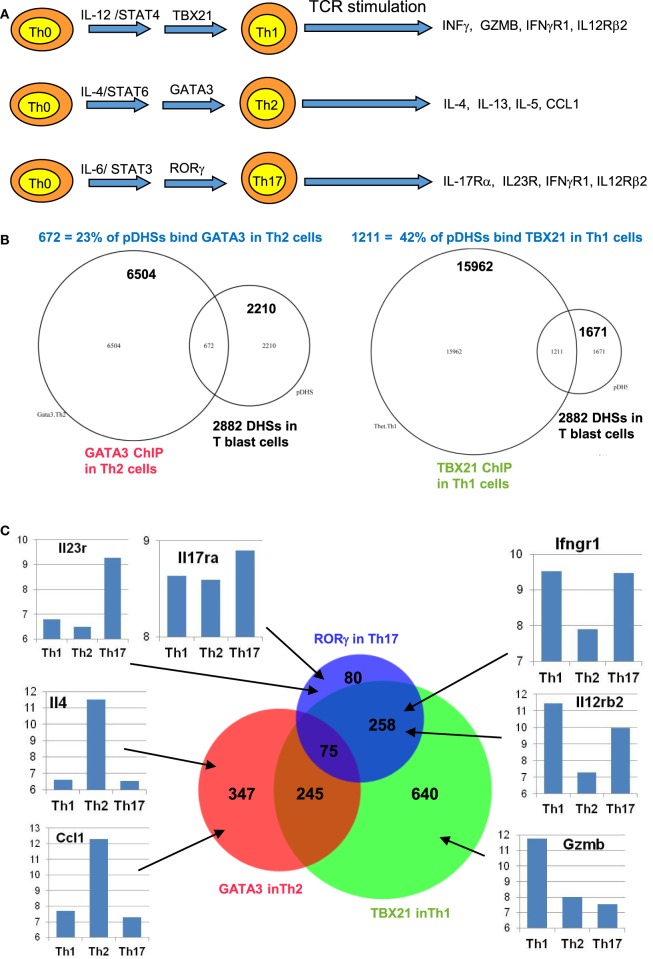
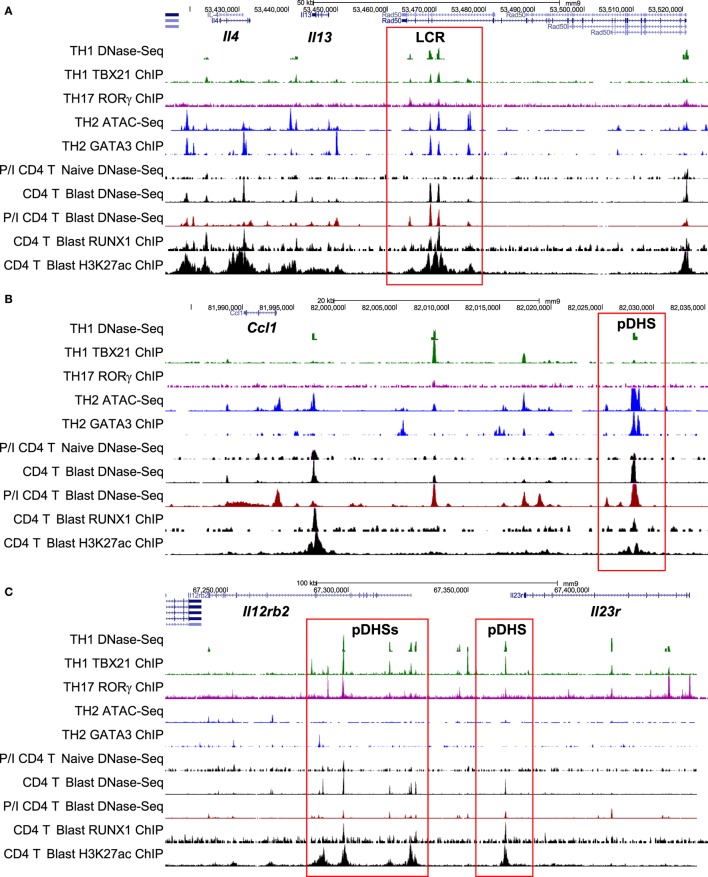
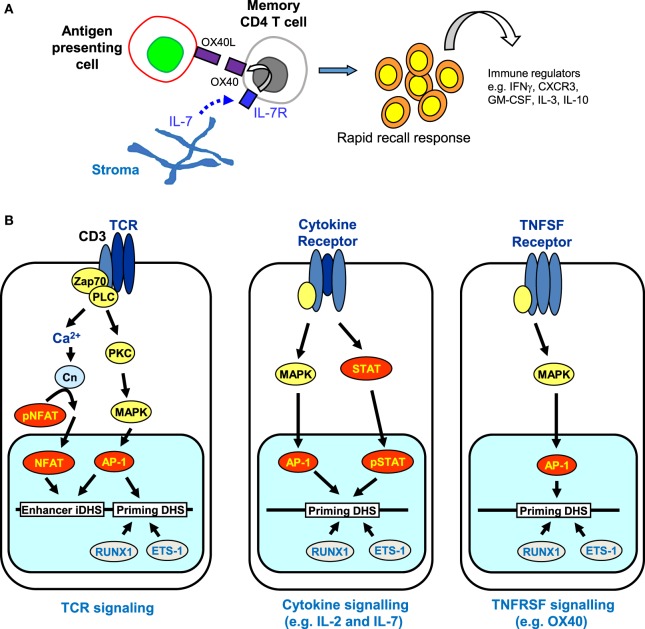
Experienced T cells exhibit immunological memory a rapid recall response, responding to restimulation much faster than naïve T cells. The formation of immunological memory starts during an initial slow response, when naïve T cells become transformed to proliferating T blast cells, and inducible immune response genes are reprogrammed as active chromatin domains. We demonstrated that these active domains are supported by thousands of priming elements which cooperate with inducible transcriptional enhancers to enable efficient responses to stimuli. At the conclusion of this response, a small proportion of these cells return to the quiescent state as long-term memory T cells. We proposed that priming elements can be established in a hit-and-run process dependent on the inducible factor AP-1, but then maintained by the constitutive factors RUNX1 and ETS-1. This priming mechanism may also function to render genes receptive to additional differentiation-inducing factors such as GATA3 and TBX21 that are encountered under polarizing conditions. The proliferation of recently activated T cells and the maintenance of immunological memory in quiescent memory T cells are also dependent on various cytokine signaling pathways upstream of AP-1. We suggest that immunological memory is established by T cell receptor signaling, but maintained by cytokine signaling.
经验丰富的T细胞表现出免疫记忆——一种快速的回忆反应,对再次刺激的反应比幼稚T细胞快得多。免疫记忆的形成始于最初的缓慢反应阶段,此时幼稚T细胞转变为增殖性T母细胞,可诱导的免疫反应基因被重新编程为活性染色质结构域。我们证明,这些活性结构域由数千个启动元件支持,这些元件与可诱导的转录增强子协同作用,以实现对刺激的有效反应。在该反应结束时,这些细胞中的一小部分作为长期记忆T细胞恢复到静止状态。我们提出,启动元件可以在一个依赖于可诱导因子AP-1的“打了就跑”过程中建立,但随后由组成型因子RUNX1和ETS-1维持。这种启动机制也可能起到使基因易于接受在极化条件下遇到的其他分化诱导因子(如GATA3和TBX21)的作用。最近激活的T细胞的增殖以及静止记忆T细胞中免疫记忆的维持也依赖于AP-上游的各种细胞因子信号通路。我们认为,免疫记忆由T细胞受体信号建立,但由细胞因子信号维持。 1