Zhao Jingjing, Wang Wenying, Zhou Huakun, Wang Ruling, Zhang Ping, Wang Huichun, Pan Xiangliang, Xu Jin
Key Laboratory of Tropical Plant Resources and Sustainable Use, Xishuangbanna Tropical Botanical Garden, Chinese Academy of Sciences, Kunming China.
College of Life Science and Geography, Qinghai Normal University Xining, China.
Front Plant Sci. 2017 Mar 3;8:272. doi: 10.3389/fpls.2017.00272. eCollection 2017.
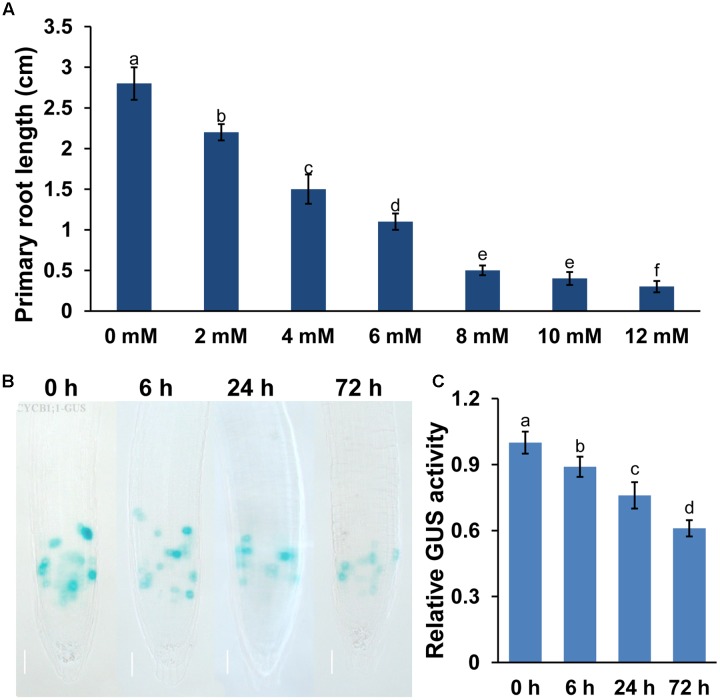
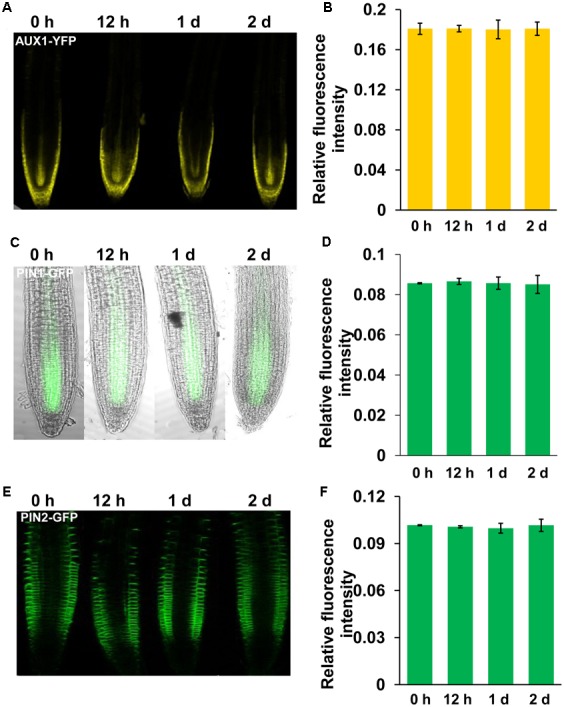
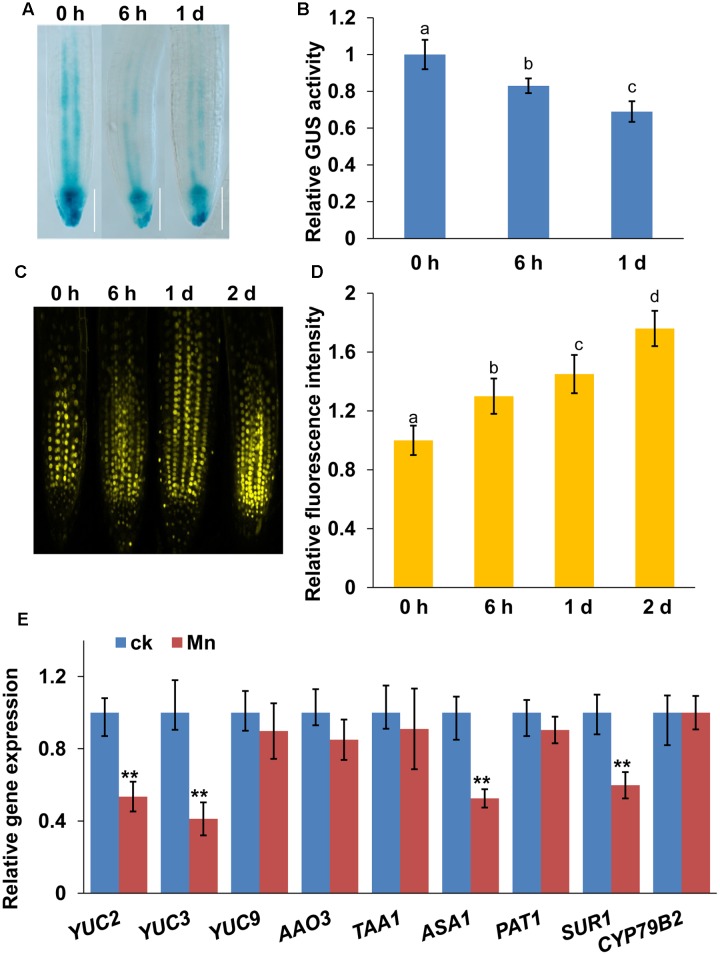
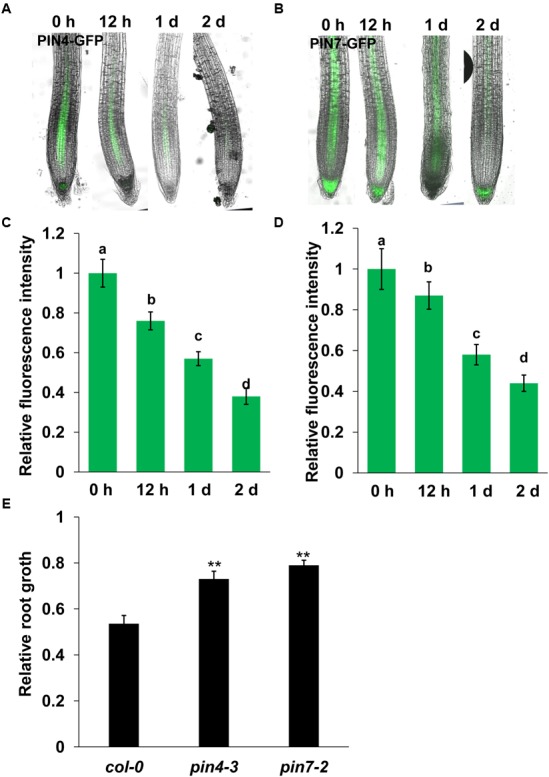
Mn toxicity inhibits both primary root (PR) growth and lateral root development. However, the mechanism underlying Mn-mediated root growth inhibition remains to be further elucidated. Here, we investigated the role of auxin in Mn-mediated inhibition of PR growth in using physiological and genetic approaches. Mn toxicity inhibits PR elongation by reducing meristematic cell division potential. Mn toxicity also reduced auxin levels in root tips by reducing IAA biosynthesis and down-regulating the expression of auxin efflux carriers and . Loss of function and mutants showed less inhibition of root growth than seedlings. These results indicated that this inhibitory effect of Mn toxicity on PR growth was mediated by affecting auxin biosynthesis and the expression of auxin efflux transporters PIN4 and PIN7.
锰毒性会抑制主根(PR)生长和侧根发育。然而,锰介导的根生长抑制背后的机制仍有待进一步阐明。在此,我们使用生理和遗传方法研究了生长素在锰介导的拟南芥主根生长抑制中的作用。锰毒性通过降低分生组织细胞分裂潜能来抑制主根伸长。锰毒性还通过减少吲哚-3-乙酸(IAA)生物合成和下调生长素外流载体PIN4和PIN7的表达来降低根尖中的生长素水平。PIN4和PIN7功能缺失突变体对根生长的抑制作用比野生型幼苗小。这些结果表明,锰毒性对主根生长的这种抑制作用是通过影响生长素生物合成以及生长素外流转运蛋白PIN4和PIN7的表达来介导的。