Section of Blood and Marrow Transplantation &Cellular Therapy, Department of Medicine, Division of Hematology and Oncology, University of Alabama at Birmingham, Birmingham, AL, USA.
Bone Marrow Transplant. 2017 Sep;52(9):1241-1248. doi: 10.1038/bmt.2017.22. Epub 2017 Mar 20.
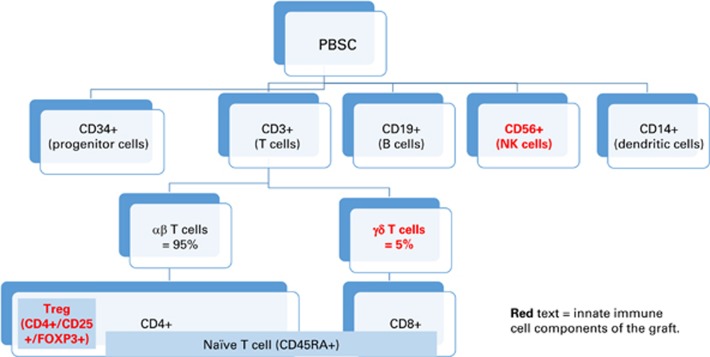
The most common cause of post-transplant mortality in patients with hematological malignancy is relapse, followed by GvHD, infections, organ toxicity and second malignancy. Immune-mediated complications such as GvHD continue to be challenging, yet amenable to control through manipulation of the T-cell compartment of the donor graft with subsequent immunomodulation after transplant. However, risk of both relapse and infection increase concomitantly with T-cell depletion (TCD) strategies that impair immune recovery. In this review, we discuss the clinical outcome of current and emerging strategies of TCD in allogeneic hematopoietic stem cell transplant that have developed during the modern transplantation era, focusing specifically on ex vivo strategies that target selected T-cell subsets.
血液恶性肿瘤患者移植后死亡的最常见原因是复发,其次是移植物抗宿主病(GVHD)、感染、器官毒性和第二恶性肿瘤。免疫介导的并发症,如 GVHD,仍然是具有挑战性的,但通过对供体移植物的 T 细胞区室进行操作,随后在移植后进行免疫调节,仍然可以控制。然而,随着 T 细胞耗竭(TCD)策略的应用,即削弱免疫恢复的策略,复发和感染的风险同时增加。在这篇综述中,我们讨论了在现代移植时代发展起来的同种异体造血干细胞移植中 TCD 的当前和新兴策略的临床结果,特别关注针对选定 T 细胞亚群的体外策略。