Azmi Ishara F, Watanabe Shinya, Maloney Michael F, Kang Sukhyun, Belsky Jason A, MacAlpine David M, Peterson Craig L, Bell Stephen P
Department of Biology, Howard Hughes Medical Institute, Massachusetts Institute of Technology, Cambridge, United States.
Program in Molecular Medicine, University of Massachusetts Medical School, Worcester, United States.
Elife. 2017 Mar 21;6:e22512. doi: 10.7554/eLife.22512.
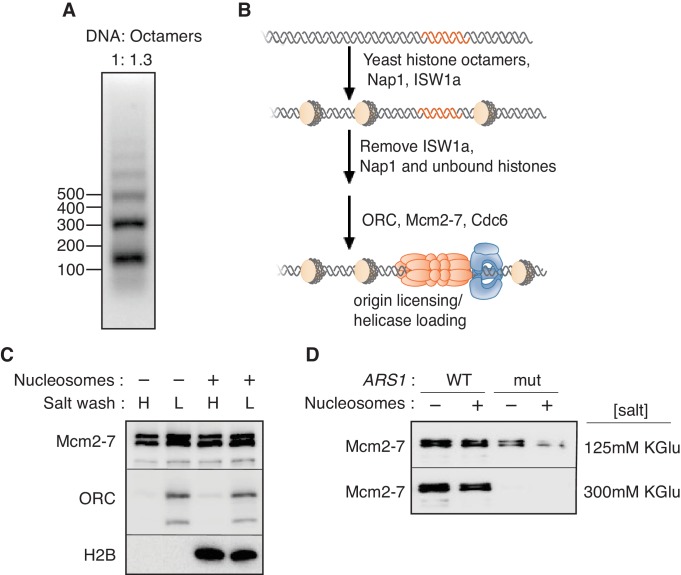
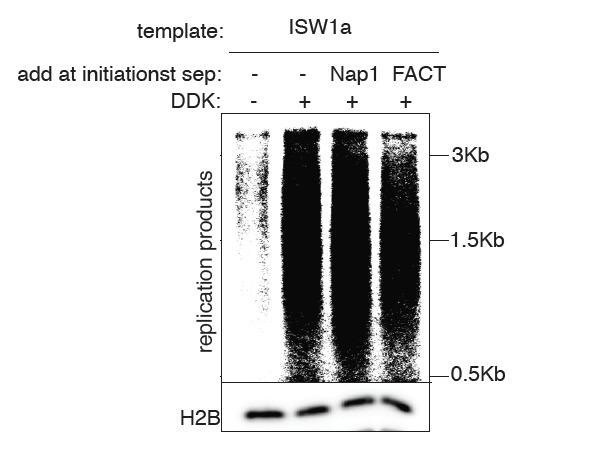
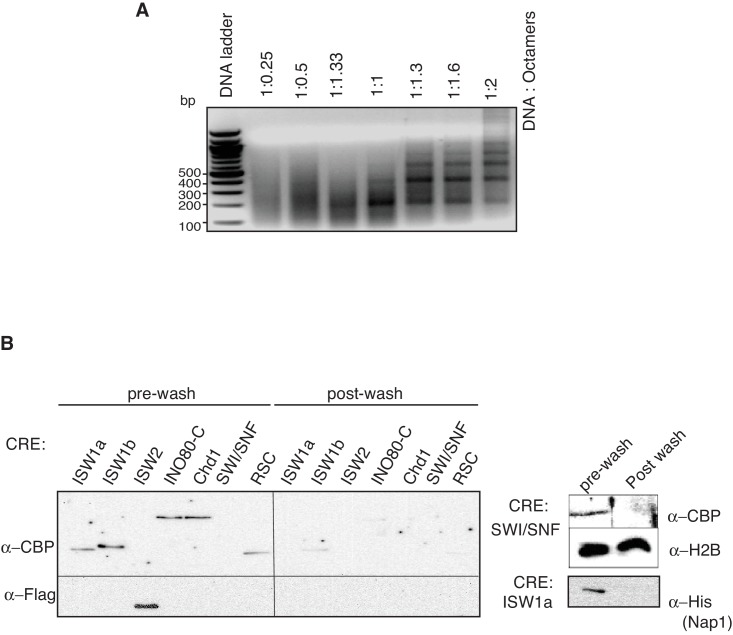
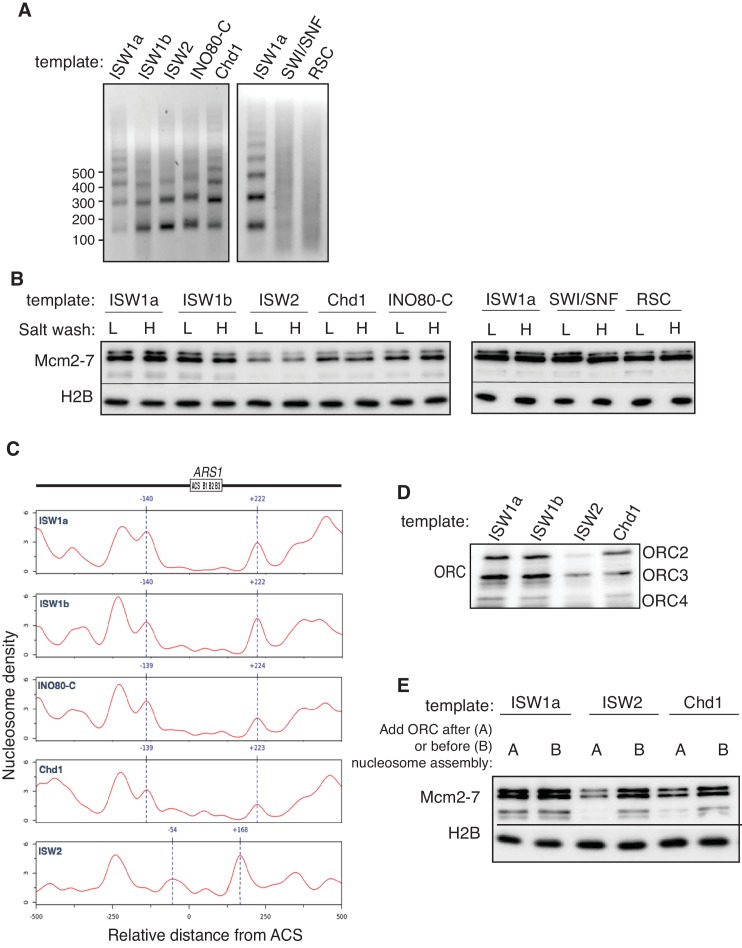
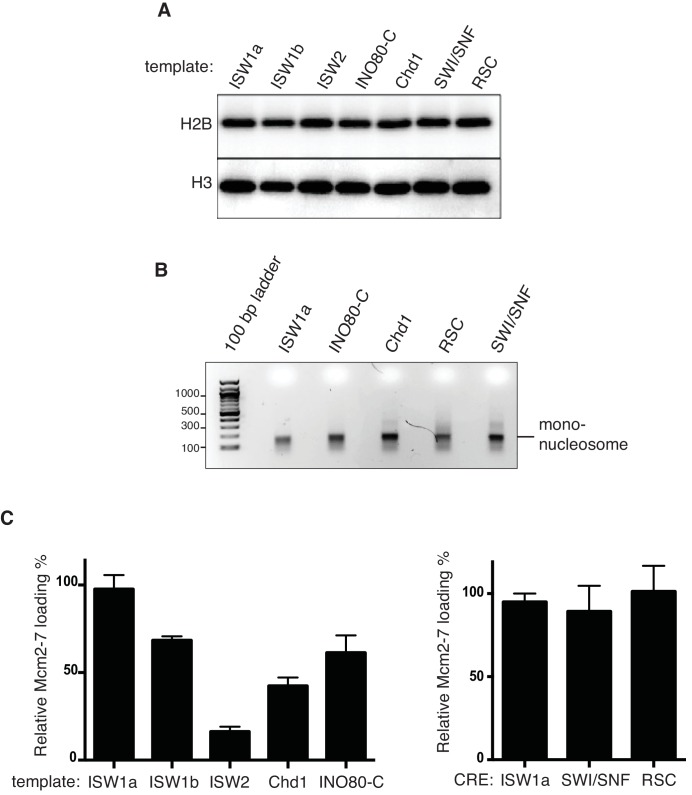
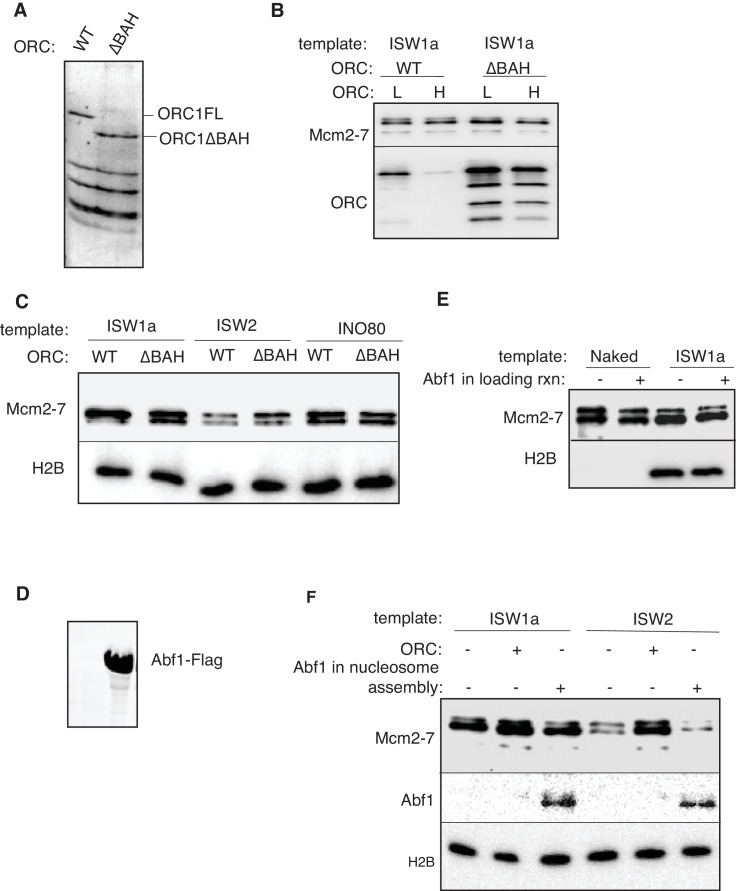
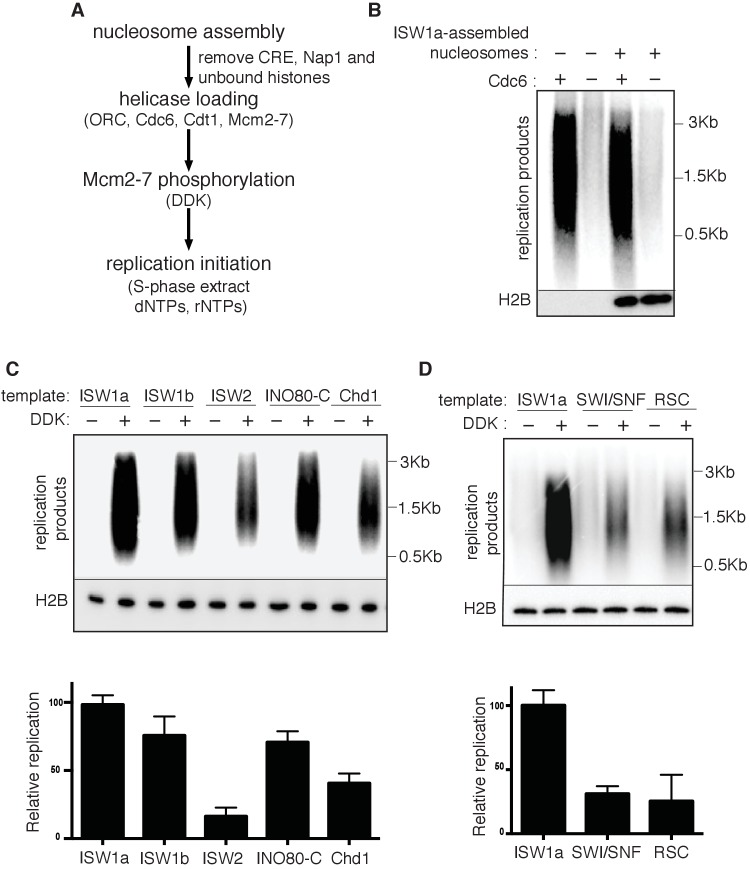
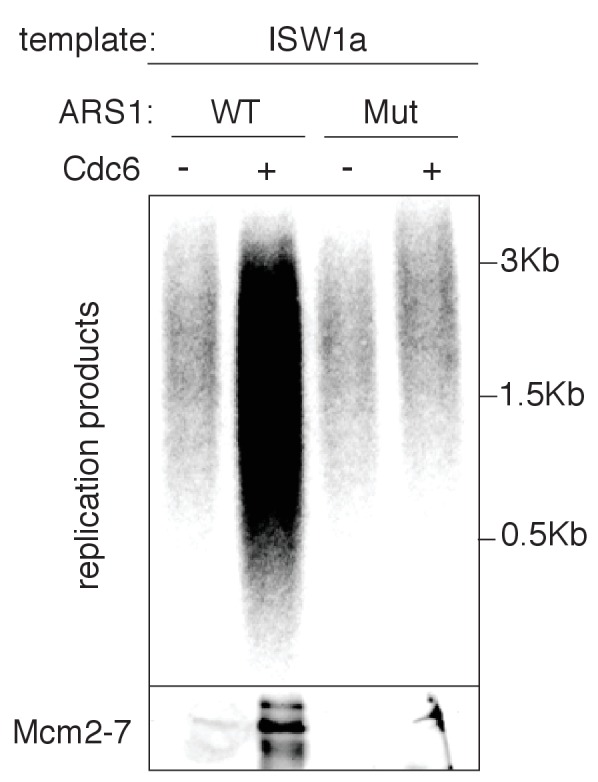
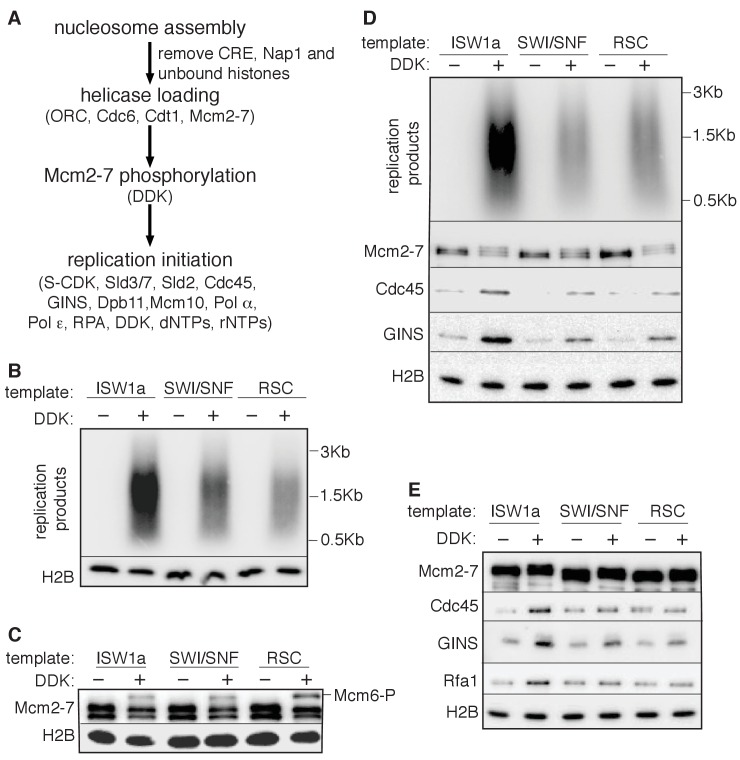
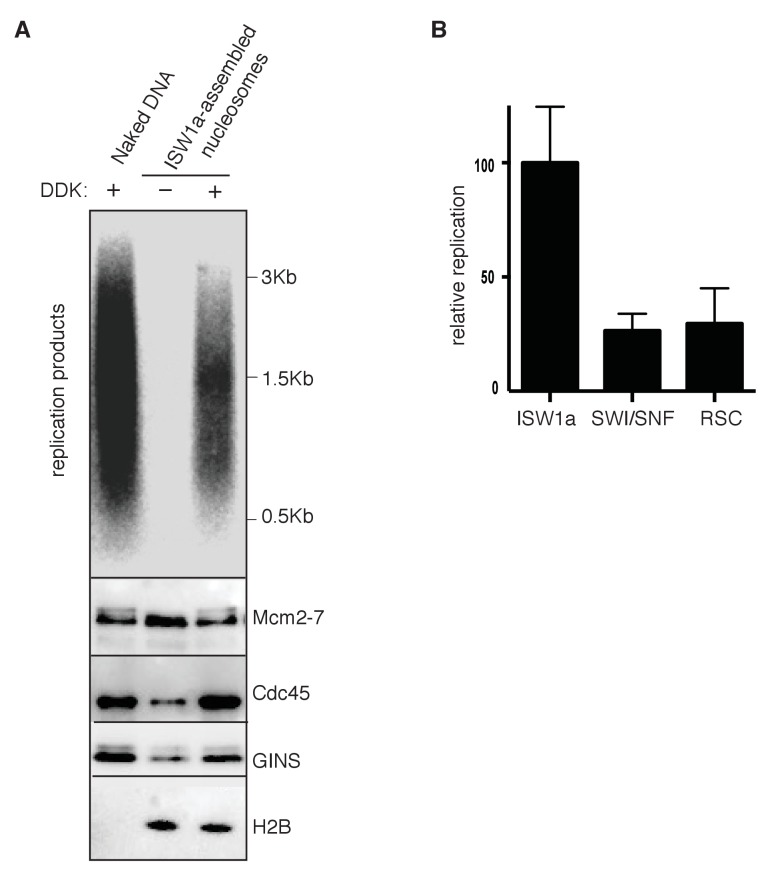
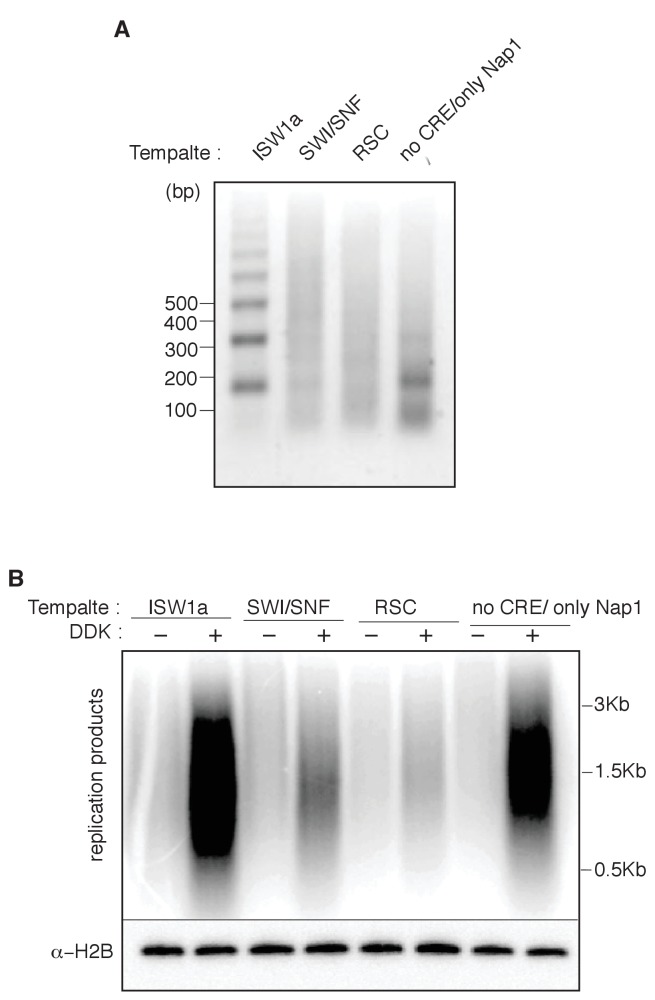
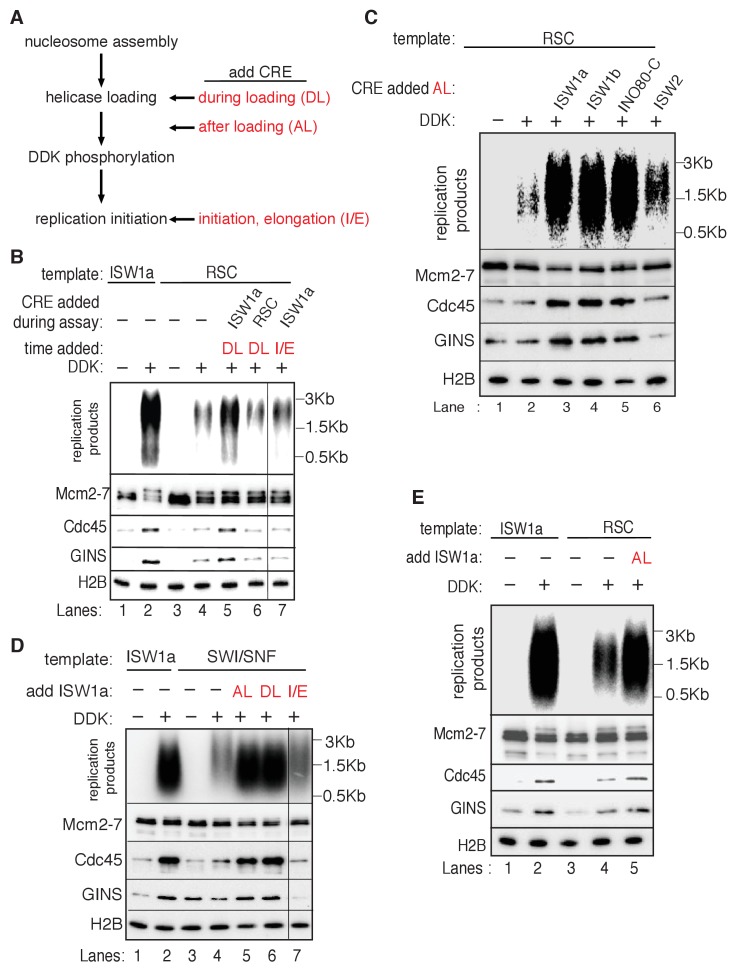
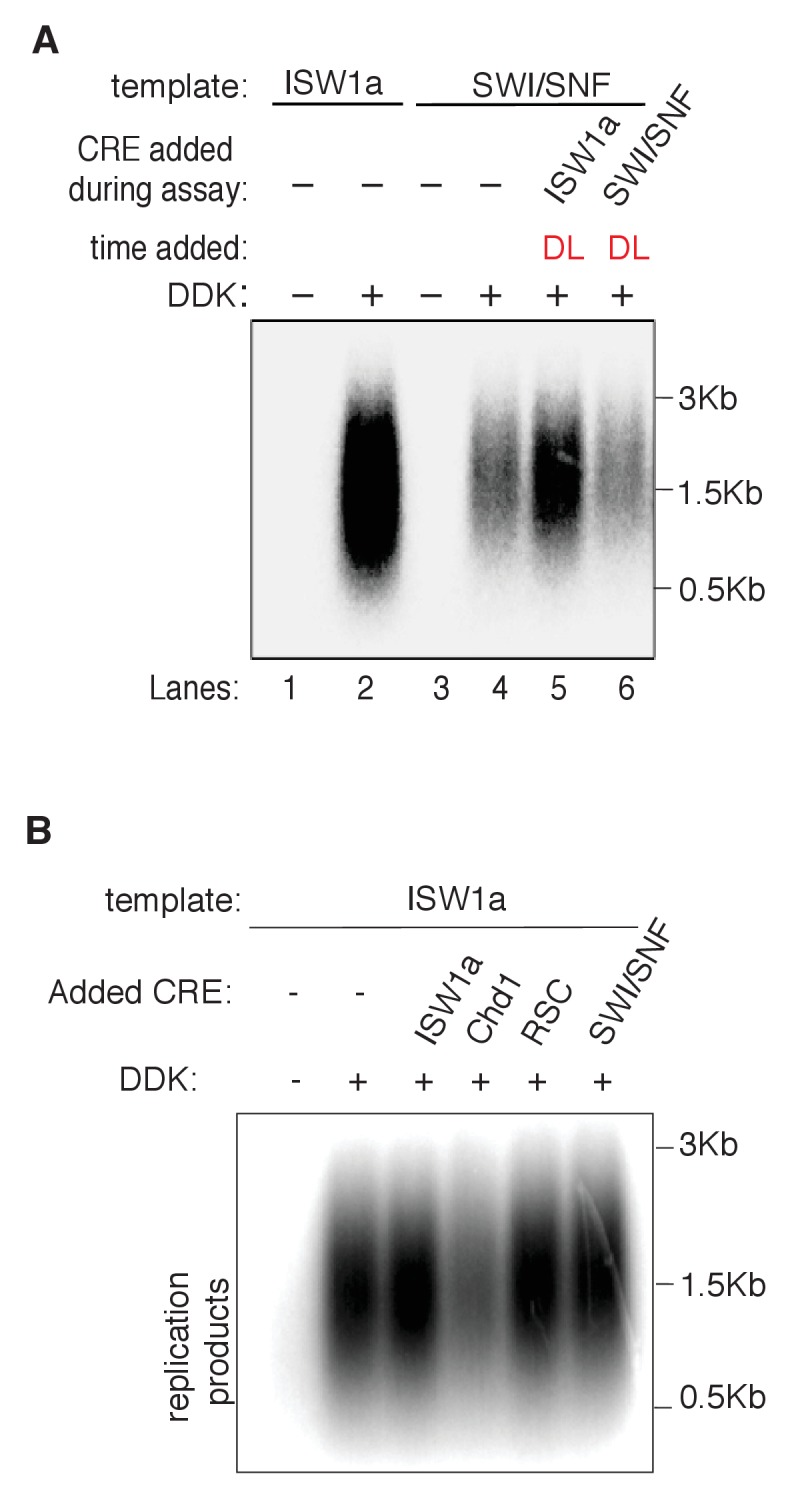
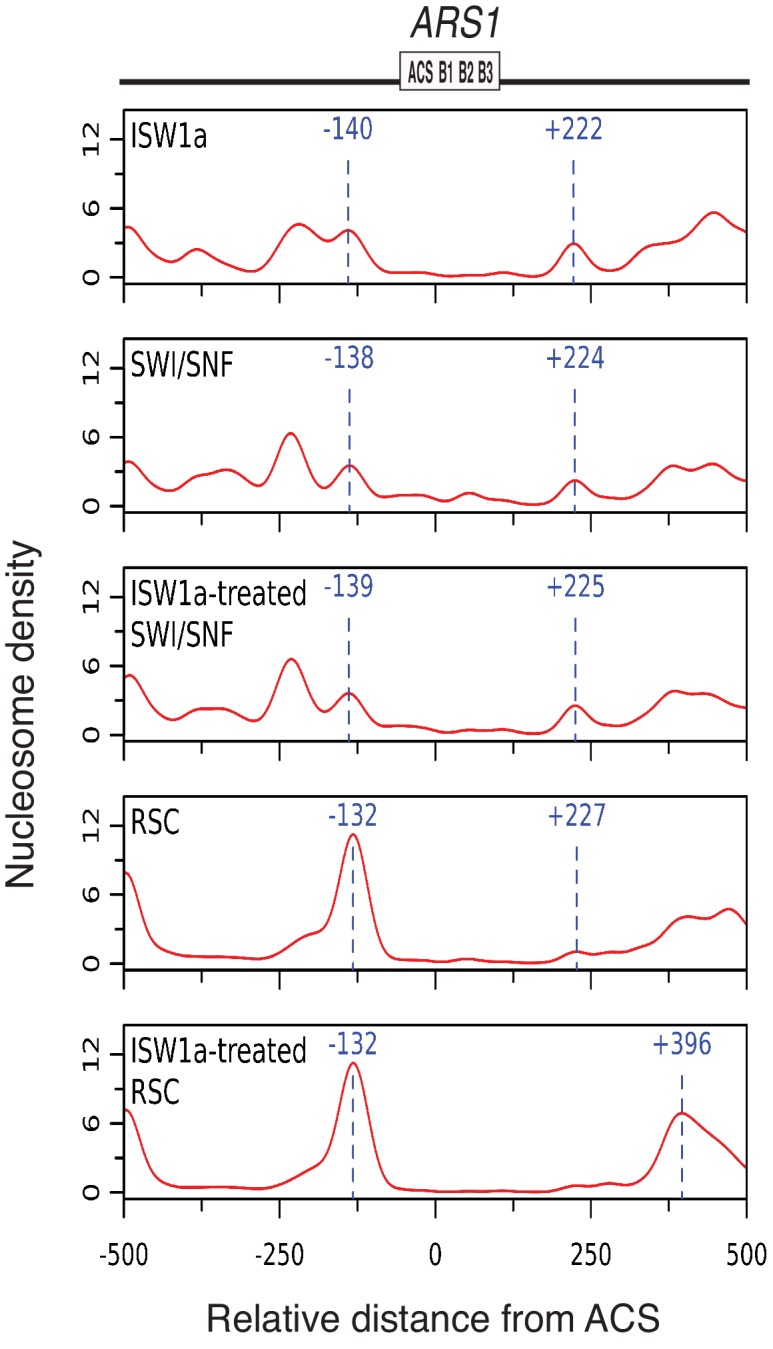
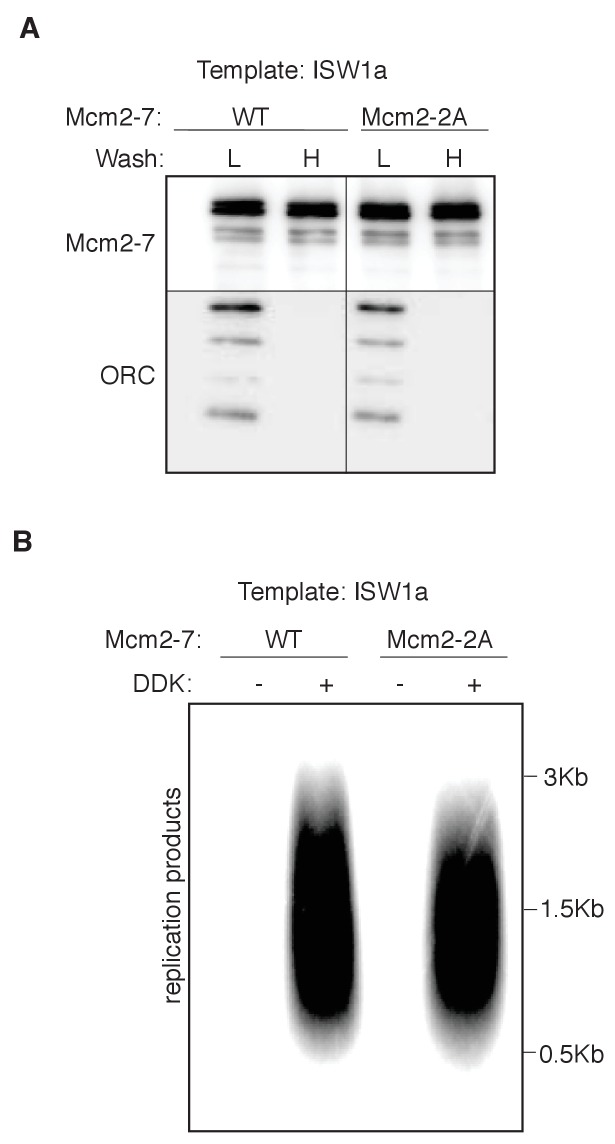
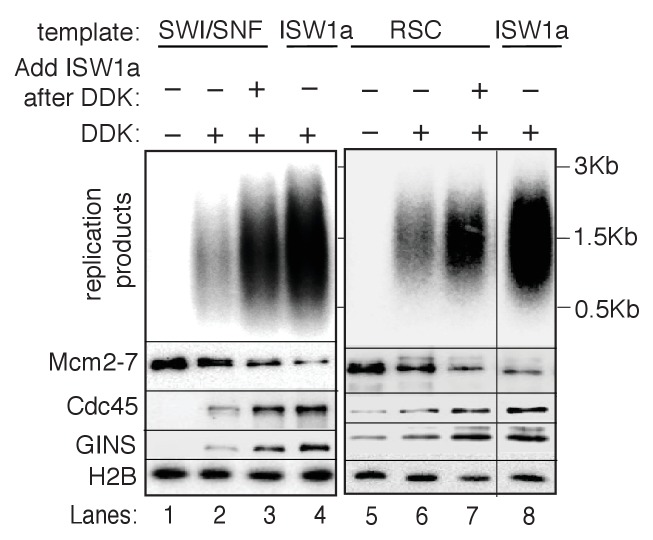
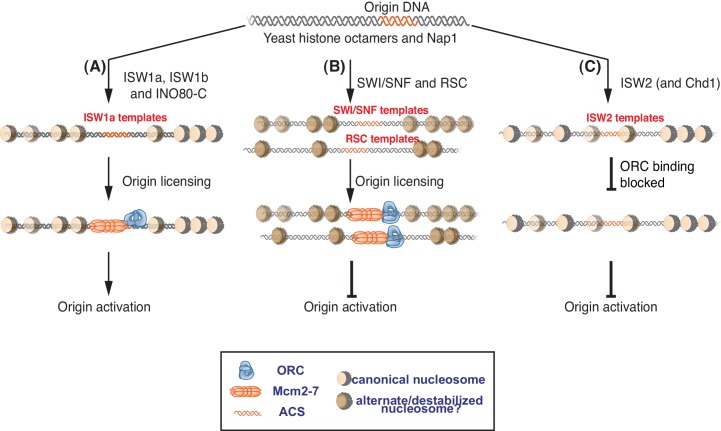
Eukaryotic replication origin licensing, activation and timing are influenced by chromatin but a mechanistic understanding is lacking. Using reconstituted nucleosomal DNA replication assays, we assessed the impact of nucleosomes on replication initiation. To generate distinct nucleosomal landscapes, different chromatin-remodeling enzymes (CREs) were used to remodel nucleosomes on origin-DNA templates. Nucleosomal organization influenced two steps of replication initiation: origin licensing and helicase activation. Origin licensing assays showed that local nucleosome positioning enhanced origin specificity and modulated helicase loading by influencing ORC DNA binding. Interestingly, SWI/SNF- and RSC-remodeled nucleosomes were permissive for origin licensing but showed reduced helicase activation. Specific CREs rescued replication of these templates if added prior to helicase activation, indicating a permissive chromatin state must be established during origin licensing to allow efficient origin activation. Our studies show nucleosomes directly modulate origin licensing and activation through distinct mechanisms and provide insights into the regulation of replication initiation by chromatin.
真核生物复制起点的许可、激活和时间安排受染色质影响,但缺乏机制上的理解。利用重组核小体DNA复制分析,我们评估了核小体对复制起始的影响。为了产生不同的核小体景观,使用了不同的染色质重塑酶(CRE)来重塑起始DNA模板上的核小体。核小体组织影响复制起始的两个步骤:起始许可和螺旋酶激活。起始许可分析表明,局部核小体定位通过影响ORC与DNA的结合增强了起始特异性并调节了螺旋酶加载。有趣的是,SWI/SNF和RSC重塑的核小体允许起始许可,但显示出螺旋酶激活减少。如果在螺旋酶激活之前添加特定的CRE,则可以挽救这些模板的复制,这表明在起始许可期间必须建立一种允许的染色质状态,以实现有效的起始激活。我们的研究表明,核小体通过不同机制直接调节起始许可和激活,并为染色质对复制起始的调控提供了见解。