Peters Stephanie A, Edogawa Shoko, Sundt Wendy J, Dyer Roy B, Dalenberg Daniel A, Mazzone Amelia, Singh Ravinder J, Moses Natalie, Smyrk Thomas C, Weber Christopher, Linden David R, MacNaughton Wallace K, Turner Jerrold R, Camilleri Michael, Katzka David A, Farrugia Gianrico, Grover Madhusudan
Division of Gastroenterology and Hepatology, Mayo Clinic, Rochester, Minnesota, USA.
Department of Laboratory Medicine and Pathology, Mayo Clinic, Rochester, Minnesota, USA.
Am J Gastroenterol. 2017 Jun;112(6):913-923. doi: 10.1038/ajg.2017.48. Epub 2017 Mar 21.
The objective of this study was to determine whether constipation-predominant irritable bowel syndrome (IBS-C) is associated with changes in intestinal barrier and secretory function.
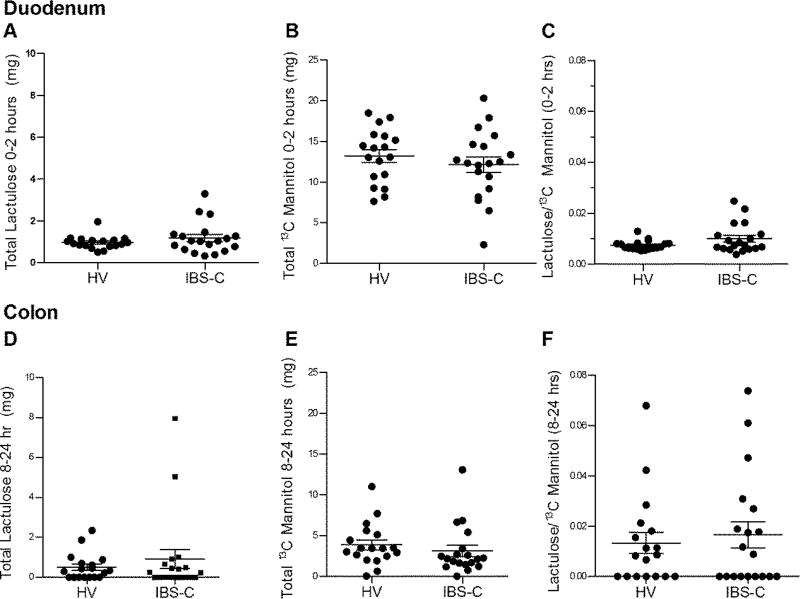
A total of 19 IBS-C patients and 18 healthy volunteers (all females) underwent saccharide excretion assay (0.1 g C mannitol and 1 g lactulose), measurements of duodenal and colonic mucosal barrier (transmucosal resistance (TMR), macromolecular and Escherichia coli Bio-Particle translocation), mucosal secretion (basal and acetylcholine (Ach)-evoked short-circuit current (Isc)), in vivo duodenal mucosal impedance, circulating endotoxins, and colonic tight junction gene expression.
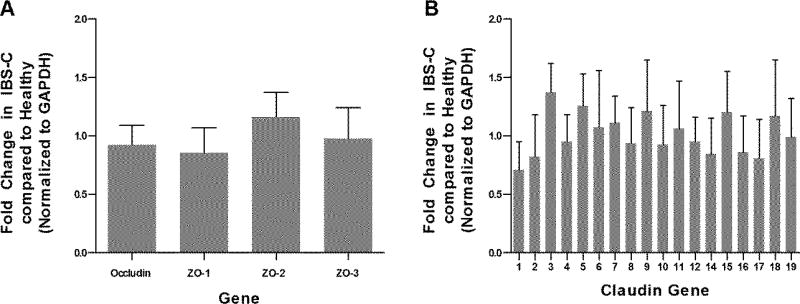
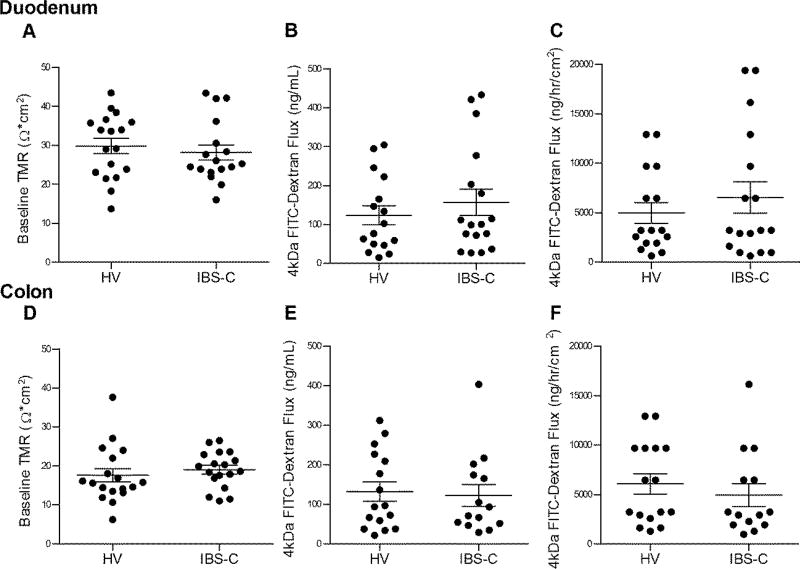
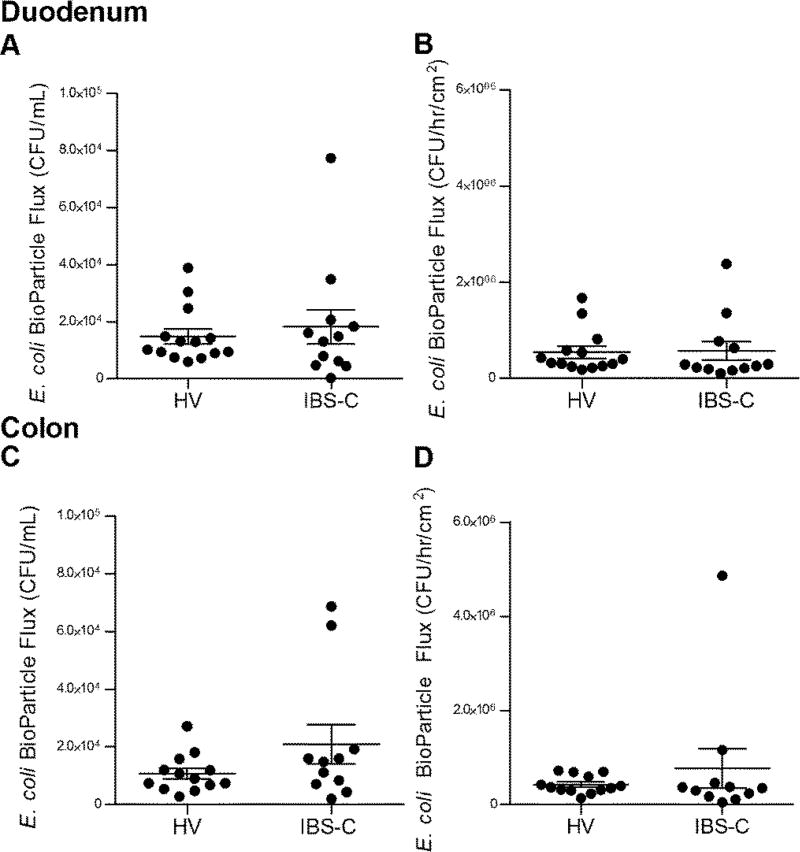
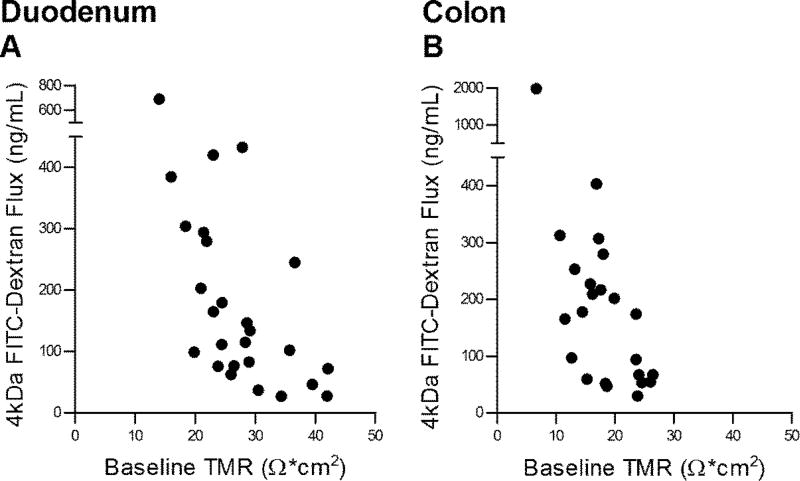
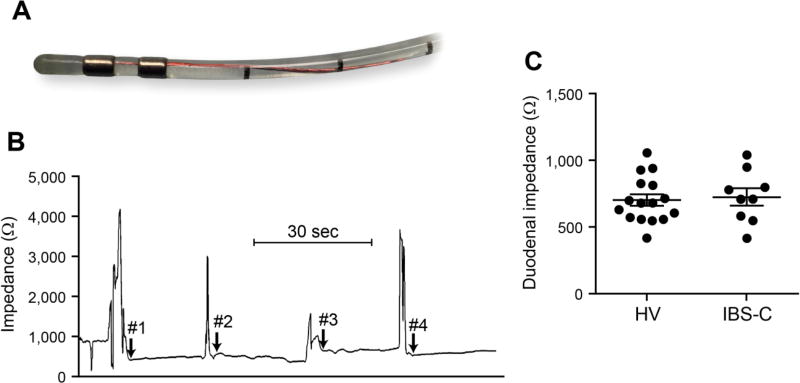
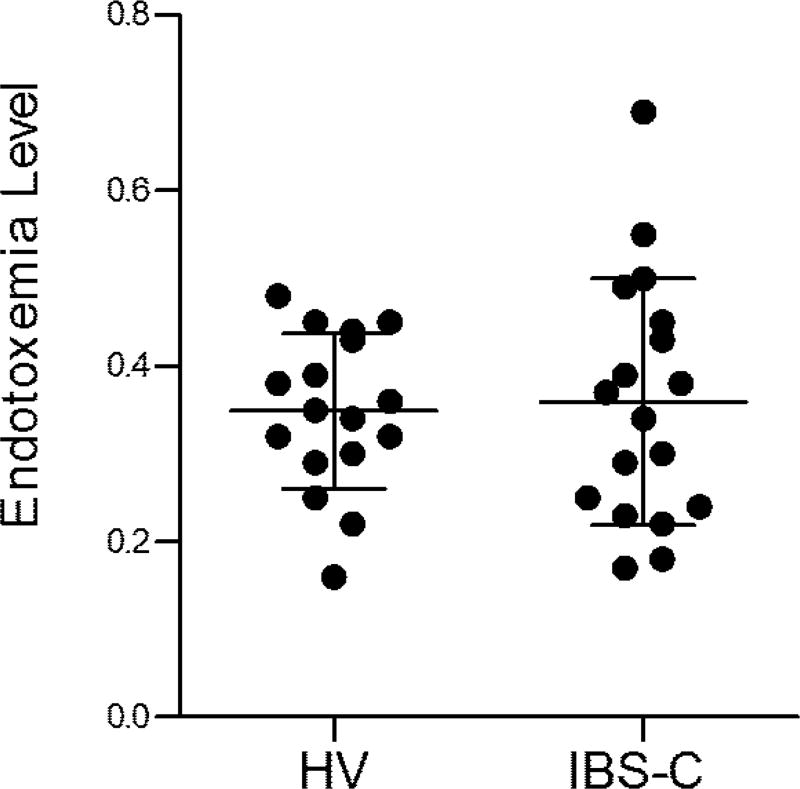
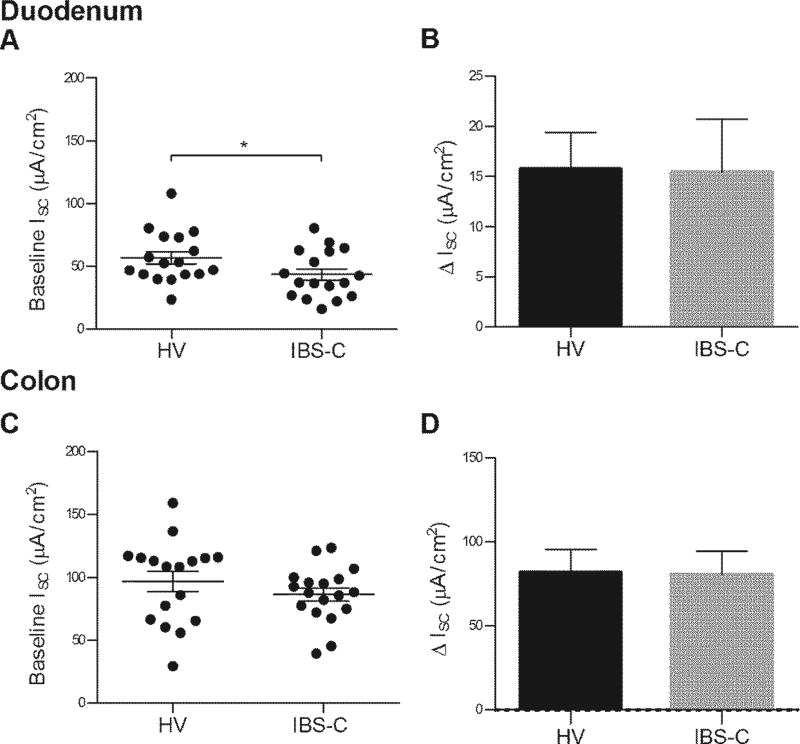
There were no differences in the in vivo measurements of barrier function between IBS-C patients and healthy controls: cumulative excretion of C mannitol (0-2 h mean (s.e.m.); IBS-C: 12.1 (0.9) mg vs. healthy: 13.2 (0.8) mg) and lactulose (8-24 h; IBS-C: 0.9 (0.5) mg vs. healthy: 0.5 (0.2) mg); duodenal impedance IBS-C: 729 (65) Ω vs. healthy: 706 (43) Ω; plasma mean endotoxin activity level IBS-C: 0.36 (0.03) vs. healthy: 0.35 (0.02); and in colonic mRNA expression of occludin, zonula occludens (ZO) 1-3, and claudins 1-12 and 14-19. The ex vivo findings were consistent, with no group differences: duodenal TMR (IBS-C: 28.2 (1.9) Ω cm vs. healthy: 29.8 (1.9) Ω cm) and colonic TMR (IBS-C: 19.1 (1.1) Ω cm vs. healthy: 17.6 (1.7) Ω cm); fluorescein isothiocyanate (FITC)-dextran (4 kDa) and E. coli Bio-Particle flux. Colonic basal Isc was similar, but duodenal basal Isc was lower in IBS-C (43.5 (4.5) μA cm) vs. healthy (56.9 (4.9) μA cm), P=0.05. Ach-evoked ΔIsc was similar.
Females with IBS-C have normal colonic barrier and secretory function. Basal duodenal secretion is decreased in IBS-C.
本研究旨在确定便秘型肠易激综合征(IBS-C)是否与肠道屏障及分泌功能的变化有关。
共有19例IBS-C患者和18名健康志愿者(均为女性)接受了糖类排泄试验(0.1克C甘露醇和1克乳果糖)、十二指肠和结肠黏膜屏障测量(跨黏膜电阻(TMR)、大分子及大肠杆菌生物颗粒转运)、黏膜分泌(基础及乙酰胆碱(Ach)诱发的短路电流(Isc))、体内十二指肠黏膜阻抗、循环内毒素及结肠紧密连接基因表达检测。
IBS-C患者与健康对照者在屏障功能的体内测量结果上无差异:C甘露醇的累积排泄量(0至2小时均值(标准误);IBS-C:12.1(0.9)毫克 vs. 健康者:13.2(0.8)毫克)及乳果糖(8至24小时;IBS-C:0.9(0.5)毫克 vs. 健康者:0.5(0.2)毫克);十二指肠阻抗IBS-C:729(65)Ω vs. 健康者:706(43)Ω;血浆平均内毒素活性水平IBS-C:0.36(0.03) vs. 健康者:0.35(0.02);以及结肠中闭合蛋白、闭锁小带(ZO)1至3、紧密连接蛋白1至12及14至19的mRNA表达。体外研究结果一致,无组间差异:十二指肠TMR(IBS-C:28.2(1.9)Ω·cm vs. 健康者:29.8(1.9)Ω·cm)及结肠TMR(IBS-C:19.1(1.1)Ω·cm vs. 健康者:17.6(1.7)Ω·cm);异硫氰酸荧光素(FITC)-葡聚糖(4 kDa)及大肠杆菌生物颗粒通量。结肠基础Isc相似,但IBS-C患者的十二指肠基础Isc低于健康者(43.5(4.5)μA·cm vs. 健康者:56.9(4.9)μA·cm),P = 0.05。Ach诱发的ΔIsc相似。
患有IBS-C的女性结肠屏障及分泌功能正常。IBS-C患者的十二指肠基础分泌减少。