Sabater-Muñoz Beatriz, Toft Christina, Alvarez-Ponce David, Fares Mario A
Instituto de Biología Molecular y Celular de Plantas, Consejo Superior de Investigaciones Científicas (CSIC)-Universidad Politécnica de Valencia (UPV), Valencia, Spain.
Systems Biology of Molecular Interactions and Regulation, Institute for Integrative Systems Biology (I2SysBio), Consejo Superior de Investigaciones Científicas (CSIC) - Universidad de Valencia (UV), Valencia, Spain.
ISME J. 2017 Jun;11(6):1291-1304. doi: 10.1038/ismej.2017.18. Epub 2017 Mar 21.
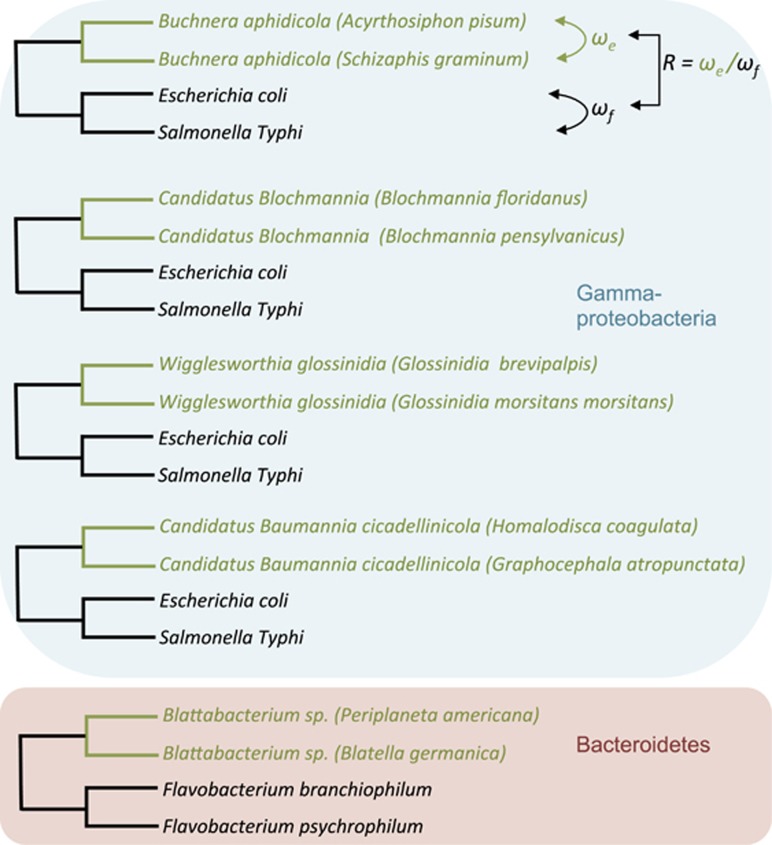
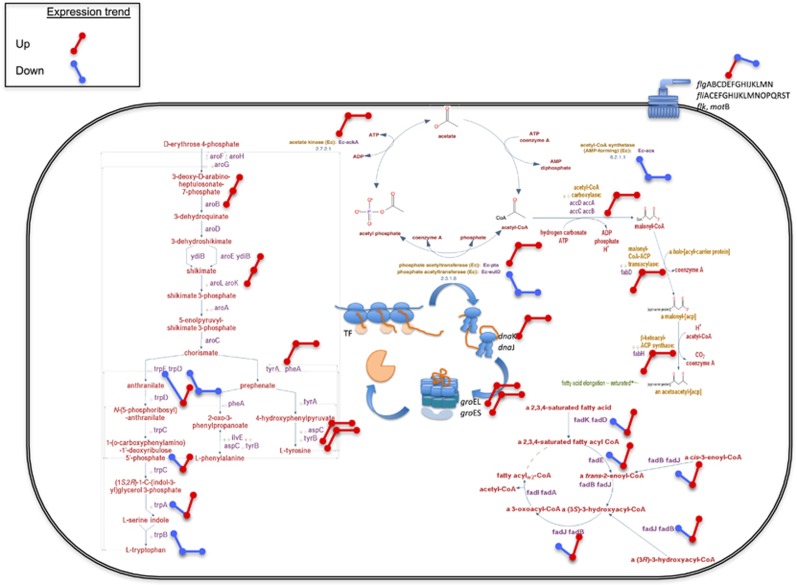
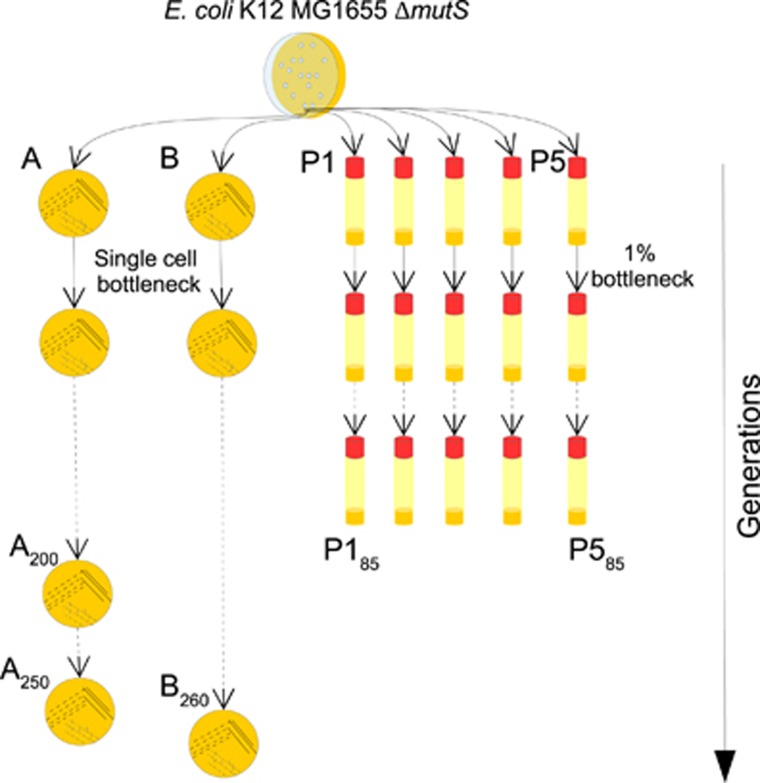
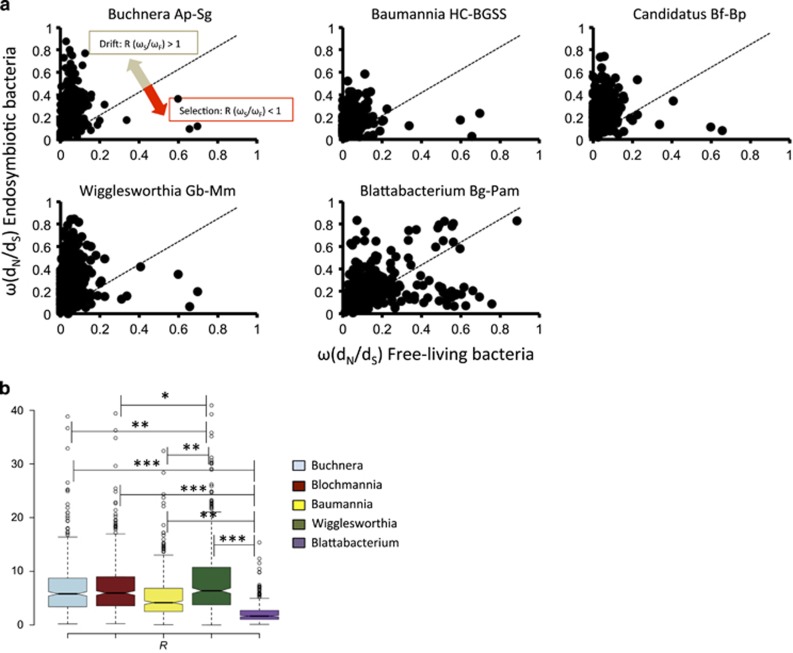
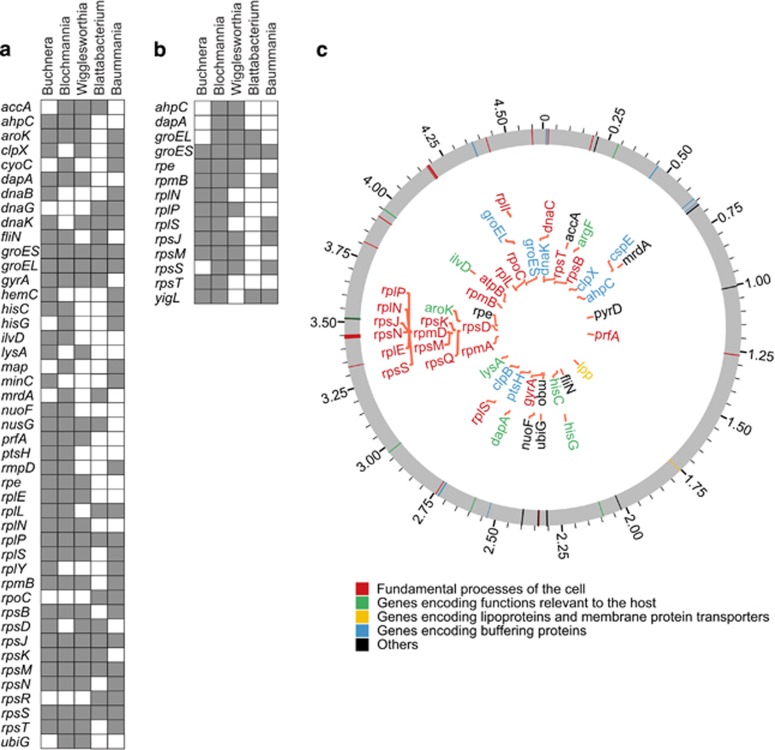
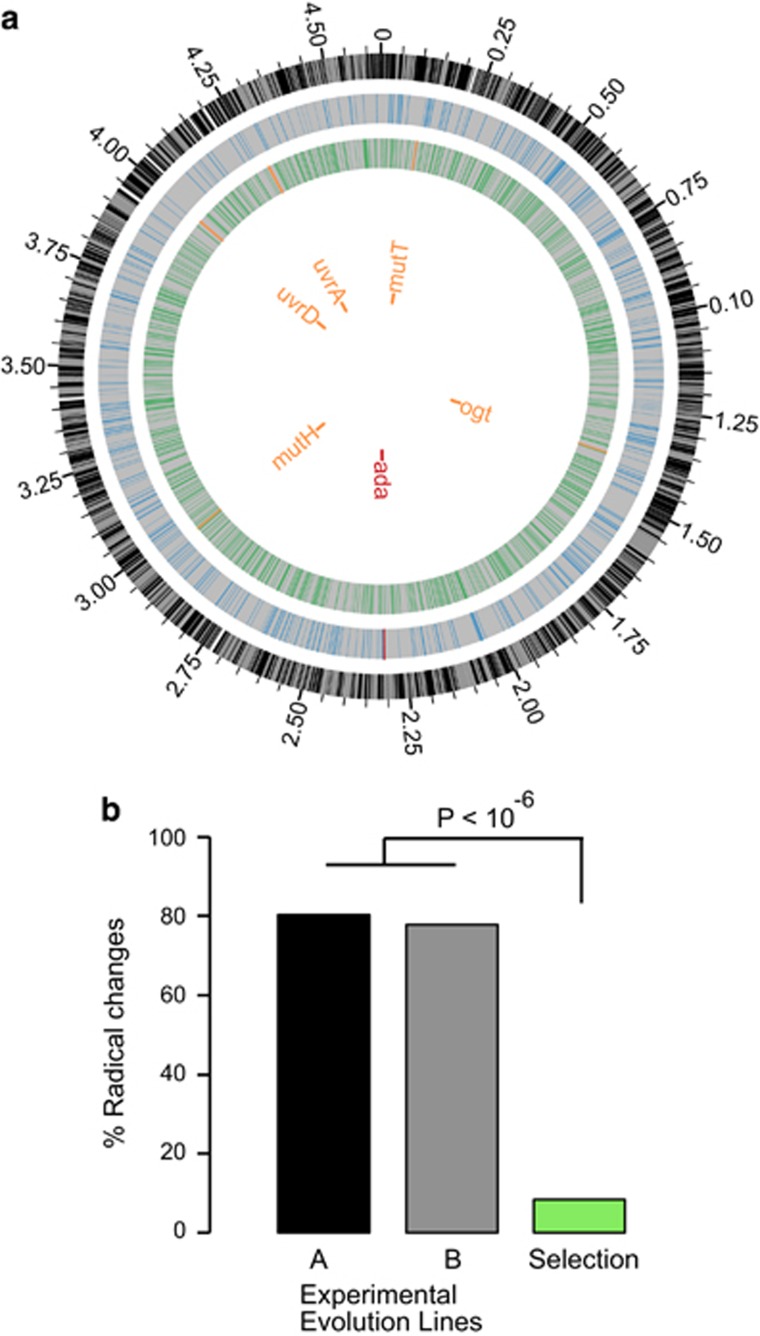
An open question in evolutionary biology is how does the selection-drift balance determine the fates of biological interactions. We searched for signatures of selection and drift in genomes of five endosymbiotic bacterial groups known to evolve under strong genetic drift. Although most genes in endosymbiotic bacteria showed evidence of relaxed purifying selection, many genes in these bacteria exhibited stronger selective constraints than their orthologs in free-living bacterial relatives. Remarkably, most of these highly constrained genes had no role in the host-symbiont interactions but were involved in either buffering the deleterious consequences of drift or other host-unrelated functions, suggesting that they have either acquired new roles or their role became more central in endosymbiotic bacteria. Experimental evolution of Escherichia coli under strong genetic drift revealed remarkable similarities in the mutational spectrum, genome reduction patterns and gene losses to endosymbiotic bacteria of insects. Interestingly, the transcriptome of the experimentally evolved lines showed a generalized deregulation of the genome that affected genes encoding proteins involved in mutational buffering, regulation and amino acid biosynthesis, patterns identical to those found in endosymbiotic bacteria. Our results indicate that drift has shaped endosymbiotic associations through a change in the functional landscape of bacterial genes and that the host had only a small role in such a shift.
进化生物学中的一个悬而未决的问题是,选择-漂变平衡如何决定生物相互作用的命运。我们在已知在强烈遗传漂变下进化的五个内共生细菌群体的基因组中寻找选择和漂变的特征。尽管内共生细菌中的大多数基因显示出纯化选择放松的证据,但这些细菌中的许多基因比其自由生活的细菌亲属中的直系同源基因表现出更强的选择限制。值得注意的是,这些高度受限的基因大多在宿主-共生体相互作用中没有作用,而是参与缓冲漂变的有害后果或其他与宿主无关的功能,这表明它们要么获得了新的作用,要么其作用在内共生细菌中变得更加核心。在强烈遗传漂变下对大肠杆菌进行实验进化,揭示了其突变谱、基因组缩减模式和基因丢失与昆虫内共生细菌有显著相似性。有趣的是,实验进化株系的转录组显示基因组普遍失调,影响了编码参与突变缓冲、调控和氨基酸生物合成的蛋白质的基因,这与在内共生细菌中发现的模式相同。我们的结果表明,漂变通过改变细菌基因的功能格局塑造了内共生关联,而宿主在这种转变中只起了很小的作用。