Nocedal Isabel, Mancera Eugenio, Johnson Alexander D
Department of Microbiology and Immunology, University of California, San Francisco, United States.
Department of Biochemistry and Biophysics, University of California, San Francisco, United States.
Elife. 2017 Mar 22;6:e23250. doi: 10.7554/eLife.23250.
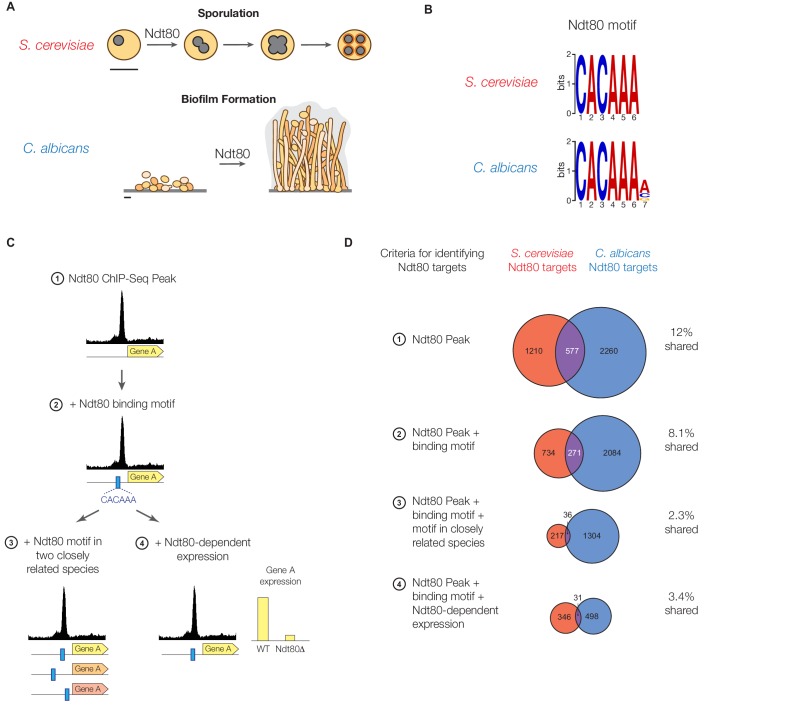
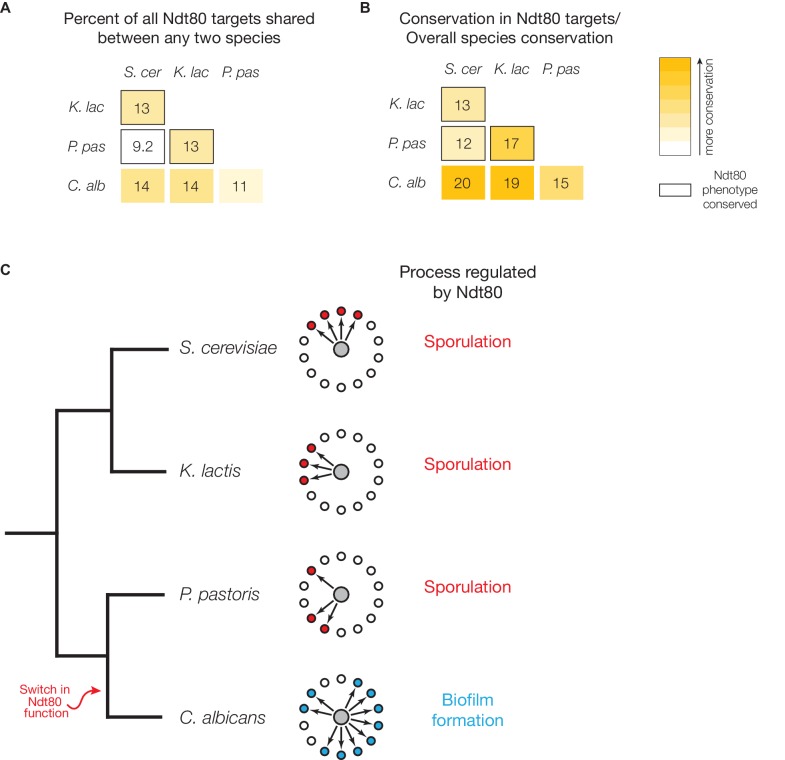
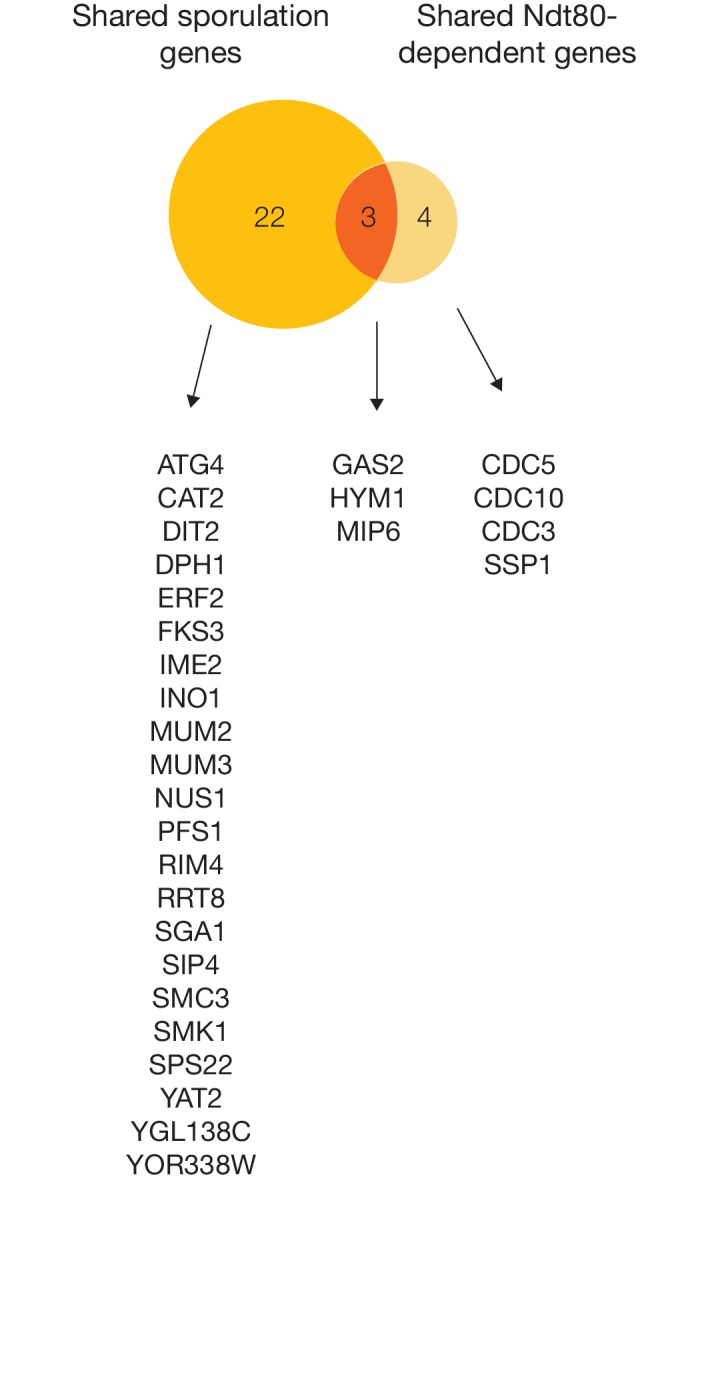
The rewiring of gene regulatory networks can generate phenotypic novelty. It remains an open question, however, how the large number of connections needed to form a novel network arise over evolutionary time. Here, we address this question using the network controlled by the fungal transcription regulator Ndt80. This conserved protein has undergone a dramatic switch in function-from an ancestral role regulating sporulation to a derived role regulating biofilm formation. This switch in function corresponded to a large-scale rewiring of the genes regulated by Ndt80. However, we demonstrate that the Ndt80-target gene connections were undergoing extensive rewiring prior to the switch in Ndt80's regulatory function. We propose that extensive drift in the Ndt80 regulon allowed for the exploration of alternative network structures without a loss of ancestral function, thereby facilitating the formation of a network with a new function.
基因调控网络的重新布线能够产生表型新奇性。然而,在进化过程中,形成一个新网络所需的大量连接是如何产生的,这仍然是一个悬而未决的问题。在这里,我们使用由真菌转录调节因子Ndt80控制的网络来解决这个问题。这种保守蛋白的功能发生了巨大转变——从调节孢子形成的祖先作用转变为调节生物膜形成的衍生作用。功能上的这种转变对应于由Ndt80调控的基因的大规模重新布线。然而,我们证明,在Ndt80的调控功能发生转变之前,Ndt80靶基因连接就已经在进行广泛的重新布线。我们提出,Ndt80调控子中的广泛漂移允许在不丧失祖先功能的情况下探索替代网络结构,从而促进具有新功能的网络的形成。