Presas Alexandre, Valentin David, Egusquiza Eduard, Valero Carme, Egusquiza Mònica, Bossio Matias
CDIF (Centre de Diagnòstic Industrial I Fluidodinàmica), UPC (Universitat Politècnica de Catalunya), Av. Diagonal 647, 08028 Barcelona, Spain.
Sensors (Basel). 2017 Mar 22;17(3):660. doi: 10.3390/s17030660.
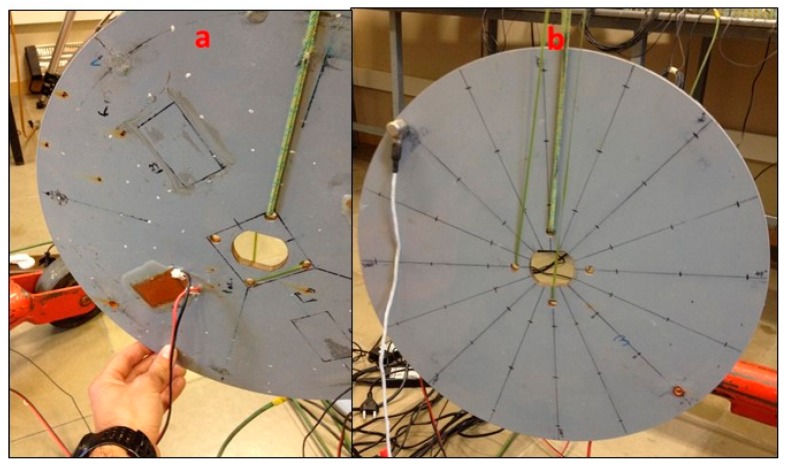
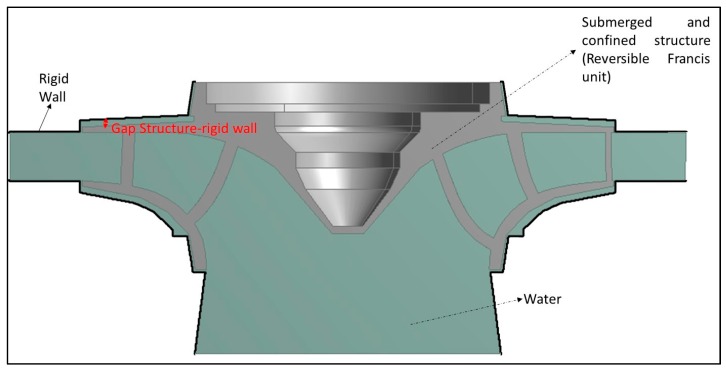
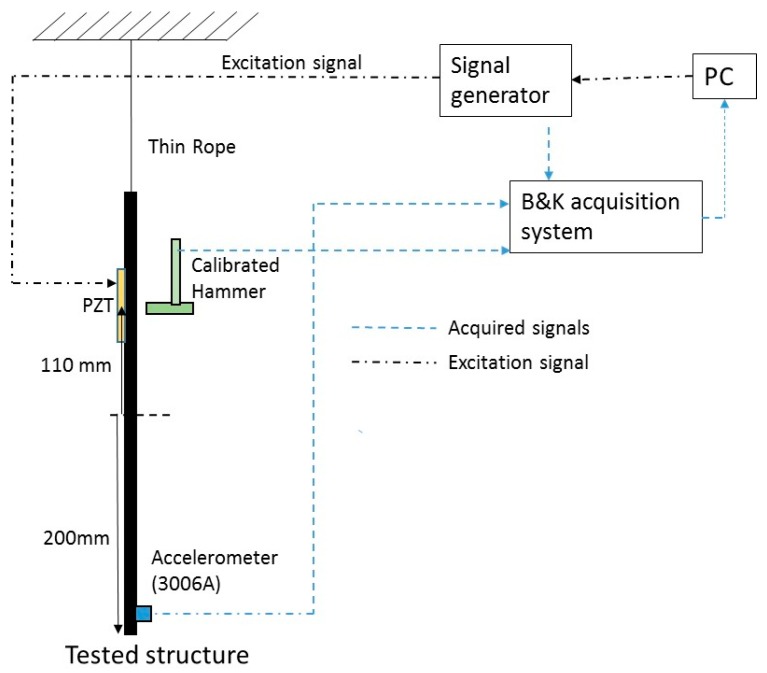
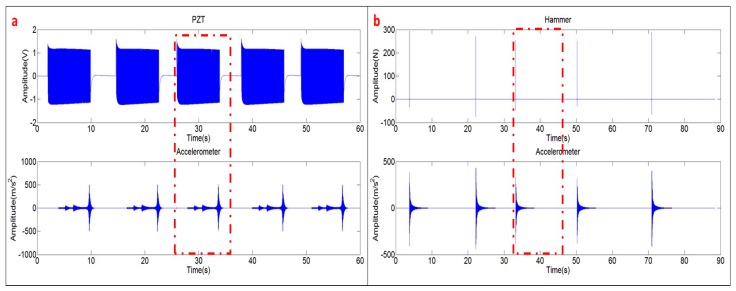
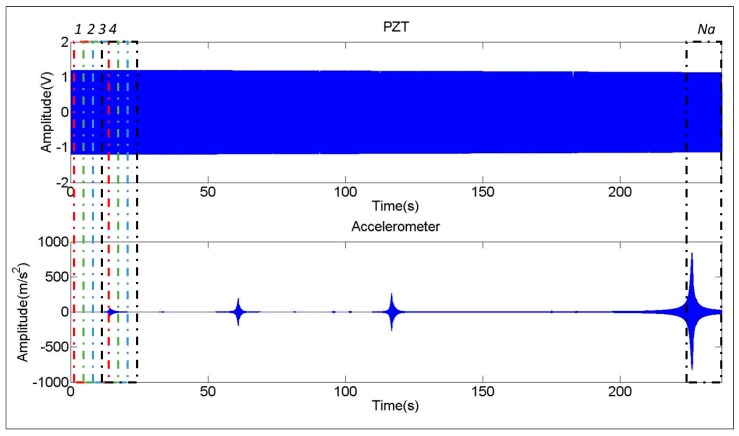
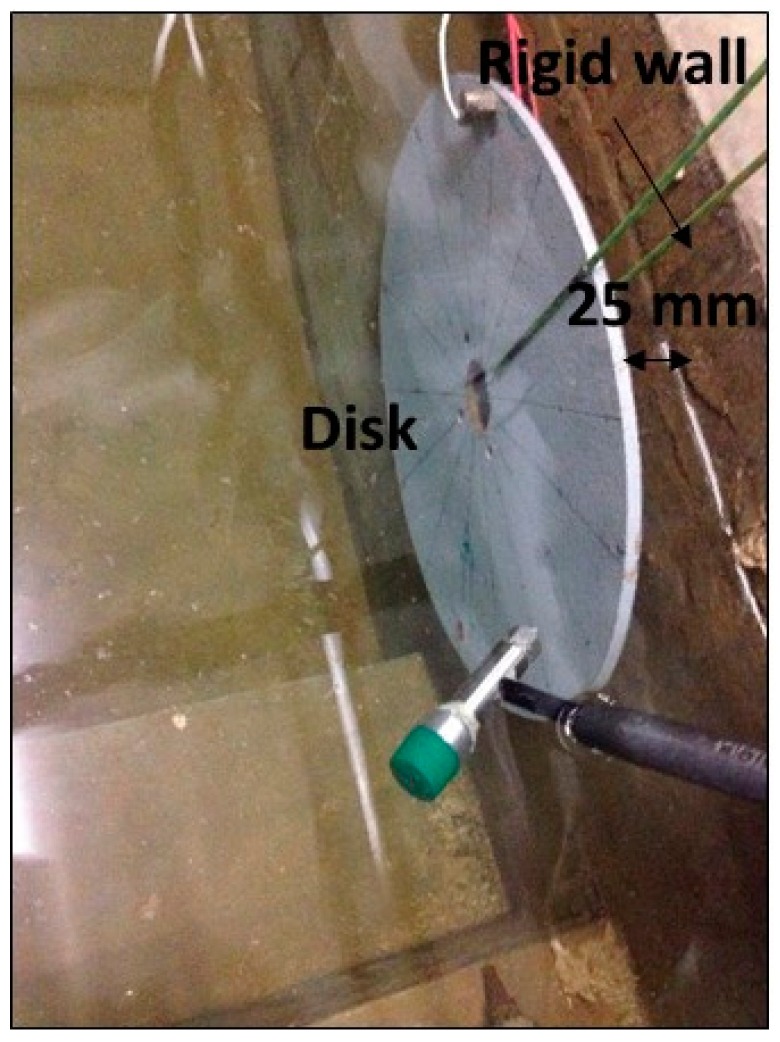
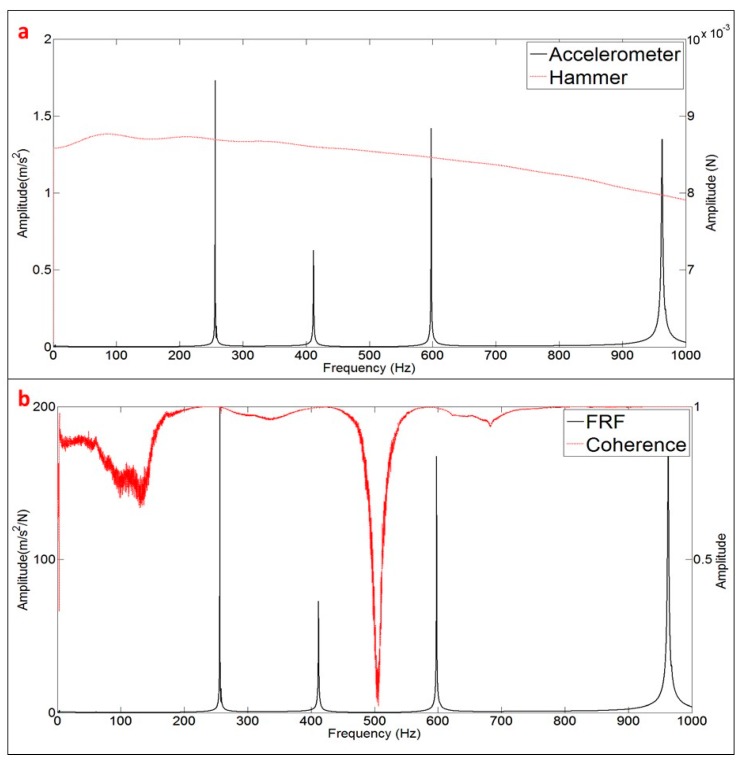
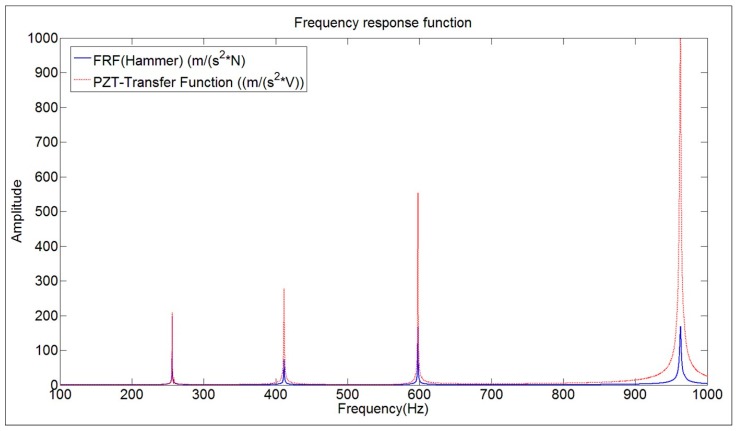
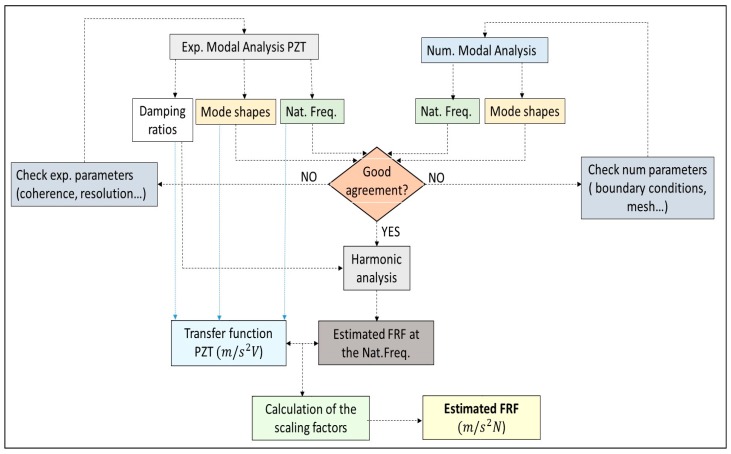
To accurately determine the dynamic response of a structure is of relevant interest in many engineering applications. Particularly, it is of paramount importance to determine the Frequency Response Function (FRF) for structures subjected to dynamic loads in order to avoid resonance and fatigue problems that can drastically reduce their useful life. One challenging case is the experimental determination of the FRF of submerged and confined structures, such as hydraulic turbines, which are greatly affected by dynamic problems as reported in many cases in the past. The utilization of classical and calibrated exciters such as instrumented hammers or shakers to determine the FRF in such structures can be very complex due to the confinement of the structure and because their use can disturb the boundary conditions affecting the experimental results. For such cases, Piezoelectric Patches (PZTs), which are very light, thin and small, could be a very good option. Nevertheless, the main drawback of these exciters is that the calibration as dynamic force transducers (relationship voltage/force) has not been successfully obtained in the past. Therefore, in this paper, a method to accurately determine the FRF of submerged and confined structures by using PZTs is developed and validated. The method consists of experimentally determining some characteristic parameters that define the FRF, with an uncalibrated PZT exciting the structure. These parameters, which have been experimentally determined, are then introduced in a validated numerical model of the tested structure. In this way, the FRF of the structure can be estimated with good accuracy. With respect to previous studies, where only the natural frequencies and mode shapes were considered, this paper discuss and experimentally proves the best excitation characteristic to obtain also the damping ratios and proposes a procedure to fully determine the FRF. The method proposed here has been validated for the structure vibrating in air comparing the FRF experimentally obtained with a calibrated exciter (impact Hammer) and the FRF obtained with the described method. Finally, the same methodology has been applied for the structure submerged and close to a rigid wall, where it is extremely important to not modify the boundary conditions for an accurate determination of the FRF. As experimentally shown in this paper, in such cases, the use of PZTs combined with the proposed methodology gives much more accurate estimations of the FRF than other calibrated exciters typically used for the same purpose. Therefore, the validated methodology proposed in this paper can be used to obtain the FRF of a generic submerged and confined structure, without a previous calibration of the PZT.
在许多工程应用中,准确确定结构的动态响应具有重要意义。特别是,对于承受动态载荷的结构,确定其频率响应函数(FRF)至关重要,以避免可能大幅缩短其使用寿命的共振和疲劳问题。一个具有挑战性的情况是对水下和受限结构(如水轮机)的FRF进行实验测定,过去许多案例表明这些结构会受到动态问题的极大影响。由于结构的受限性以及使用传统的校准激励器(如仪器化锤子或振动台)会干扰边界条件从而影响实验结果,所以利用它们来确定此类结构的FRF会非常复杂。对于这种情况,非常轻、薄且小的压电片(PZTs)可能是一个很好的选择。然而,这些激励器的主要缺点是过去尚未成功获得作为动态力传感器(电压/力关系)的校准。因此,本文开发并验证了一种使用PZTs准确确定水下和受限结构FRF的方法。该方法包括通过未校准的PZT激励结构,实验确定一些定义FRF的特征参数。然后将这些通过实验确定的参数引入到经过验证的被测结构数值模型中。这样,就可以高精度地估计结构的FRF。与以往仅考虑固有频率和振型的研究相比,本文讨论并通过实验证明了获得阻尼比的最佳激励特性,并提出了一种完全确定FRF的程序。通过将用校准激励器(冲击锤)实验获得的FRF与用所述方法获得的FRF进行比较,验证了本文提出的方法对在空气中振动的结构的有效性。最后,将相同的方法应用于水下且靠近刚性壁的结构,对于准确确定FRF而言,不改变边界条件非常重要。如本文实验所示,在这种情况下,使用PZTs结合所提出的方法比通常用于相同目的的其他校准激励器能更准确地估计FRF。因此,本文提出的经过验证的方法可用于获得一般水下和受限结构的FRF,而无需事先对PZT进行校准。