Zhou Wei, Chen Yi, Zhang Xingyu
Department of Emergency, South Campus, Ren Ji Hospital, School of Medicine, Shanghai Jiaotong University, Shanghai, China (mainland).
Med Sci Monit. 2017 Mar 22;23:1413-1420. doi: 10.12659/msm.899618.
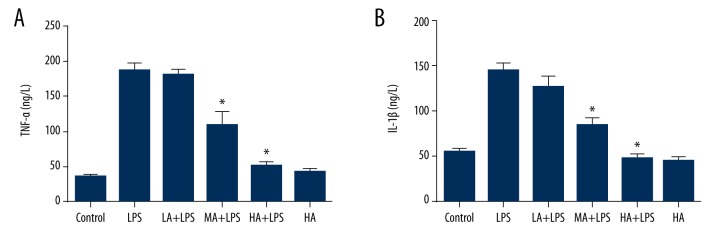
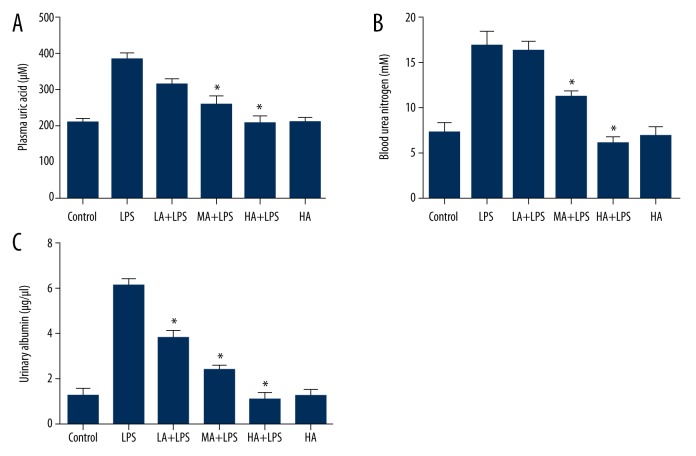
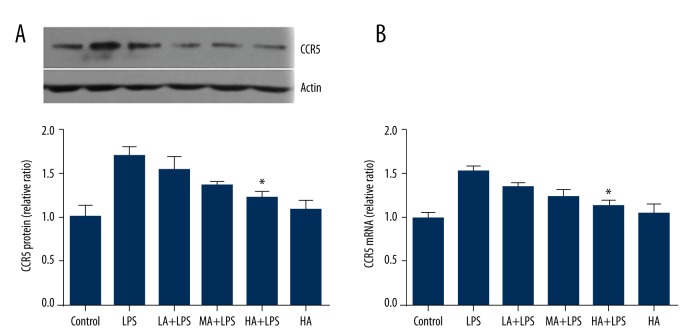
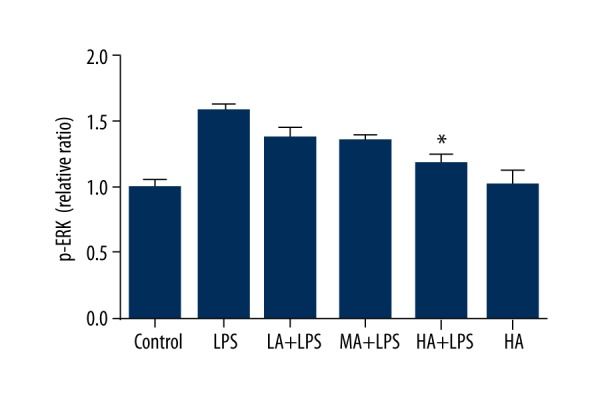
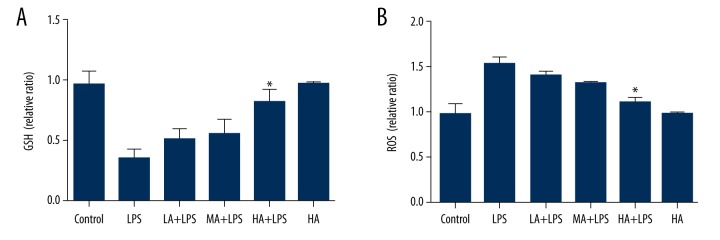
BACKGROUND Astragaloside IV (AS-IV) has been shown to prevent ischemia-induced acute kidney injury (AKI) in rat models of ischemia and reperfusion. However, the effects of AS-IV on AKI during sepsis and endotoxinemia is unclear. The current study aimed to investigate the effects and molecular mechanisms of AS-IV on lipopolysaccharide (LPS)-induced AKI. MATERIAL AND METHODS Adult male CD-1 mice were randomly assigned into 6 groups (n=8/group): control group: mice were intraperitoneally (i.p.) injected with normal saline; LPS group (10 mg/kg, i.p.); low-dose AS-IV (25 mg/kg; gavage for 7 days) + LPS (i.p., 1 hour after last gavage) group; medial-dose AS-IV (50 mg/kg) + LPS group; high-dose AS-IV (100 mg/kg) + LPS group; high-dose AS-IV alone (100 mg/kg; gavage for 7 days) group. Blood samples were collected at 24 hours after LPS injection, and plasma uric acid and BUN were measured with colorimetric detection kits. The concentration of plasma tumor necrosis factor (TNF)-α and interleukin 1β, renal p-extracellular signal-regulated kinases, and urinary albumin were evaluated by ELISA. The expression of CCR5 in renal tissue was evaluated by PCR and Western blotting. Concentrations of glutathione (GSH) and reactive oxygen species (ROS) in renal tissue were also measured. RESULTS AS-IV decreased LPS-stimulated production of blood TNF-α and IL-6, LPS-induced the expression of CCR5, and activation of ERK in the kidneys in a rodent model of endotoxinemia. AS-IV attenuated LPS-caused decreased GSH and increased ROS. It also attenuated LPS-induced increases in plasma uric acid, BUN, and urinary albumin. CONCLUSIONS AS-IV protects against AKI during bacterial endotoxinemia by attenuating expression of cytokines, CCR5, and p-ERK, and elevating anti-oxidative ability.
黄芪甲苷IV(AS-IV)已被证明可在缺血再灌注大鼠模型中预防缺血性急性肾损伤(AKI)。然而,AS-IV在脓毒症和内毒素血症期间对AKI的影响尚不清楚。本研究旨在探讨AS-IV对脂多糖(LPS)诱导的AKI的影响及其分子机制。
成年雄性CD-1小鼠随机分为6组(每组n = 8):对照组:小鼠腹腔注射生理盐水;LPS组(10 mg/kg,腹腔注射);低剂量AS-IV(25 mg/kg;灌胃7天)+ LPS组(末次灌胃后1小时腹腔注射);中剂量AS-IV(50 mg/kg)+ LPS组;高剂量AS-IV(100 mg/kg)+ LPS组;高剂量AS-IV单独给药组(100 mg/kg;灌胃7天)。在LPS注射后24小时采集血样,使用比色检测试剂盒测量血浆尿酸和血尿素氮。通过酶联免疫吸附测定法评估血浆肿瘤坏死因子(TNF)-α和白细胞介素1β、肾磷酸化细胞外信号调节激酶以及尿白蛋白的浓度。通过聚合酶链反应和蛋白质免疫印迹法评估肾组织中趋化因子受体5(CCR5)的表达。还测量了肾组织中谷胱甘肽(GSH)和活性氧(ROS)的浓度。
在啮齿动物内毒素血症模型中,AS-IV降低了LPS刺激的血液TNF-α和白细胞介素6的产生,减少了LPS诱导的CCR5表达以及肾中细胞外信号调节激酶(ERK)的激活。AS-IV减轻了LPS导致的GSH降低和ROS增加。它还减轻了LPS诱导的血浆尿酸、血尿素氮和尿白蛋白的升高。
AS-IV通过减轻细胞因子、CCR5和磷酸化ERK的表达以及提高抗氧化能力,对内毒素血症期间的急性肾损伤起到保护作用。