Cai Huaihan, Rasulova Madina, Vandemeulebroucke Lieselot, Meagher Lea, Vlaeminck Caroline, Dhondt Ineke, Braeckman Bart P
Laboratory of Aging Physiology and Molecular Evolution, Biology Department, Ghent University, Belgium.
J Gerontol A Biol Sci Med Sci. 2017 Oct 1;72(10):1311-1318. doi: 10.1093/gerona/glx013.
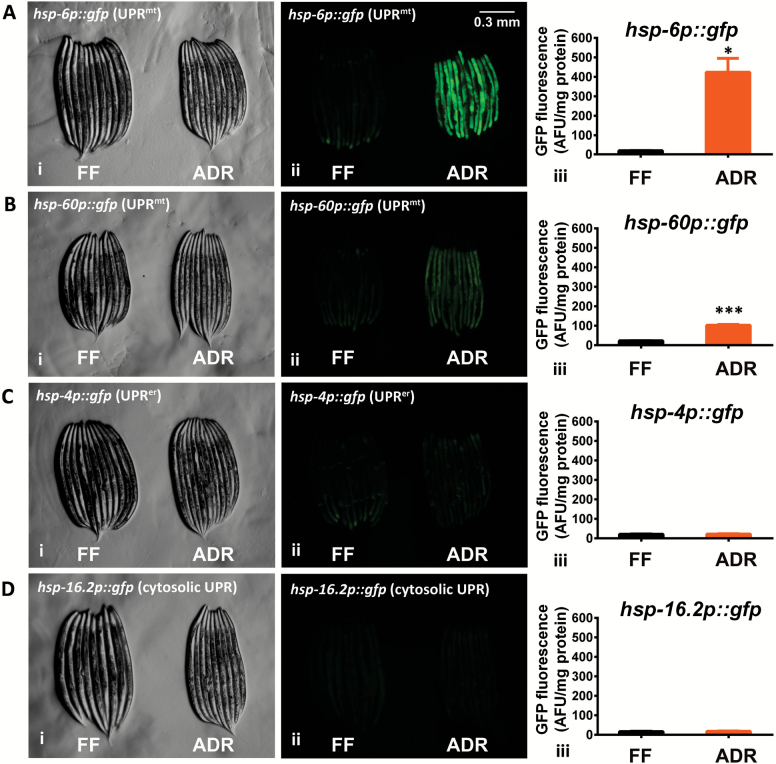
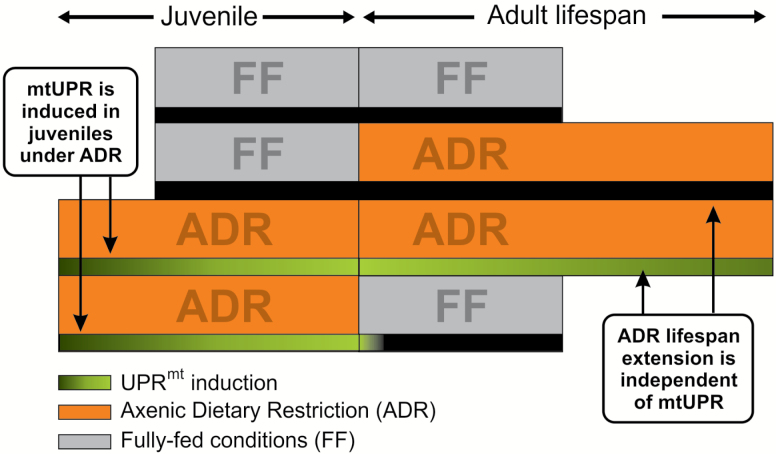
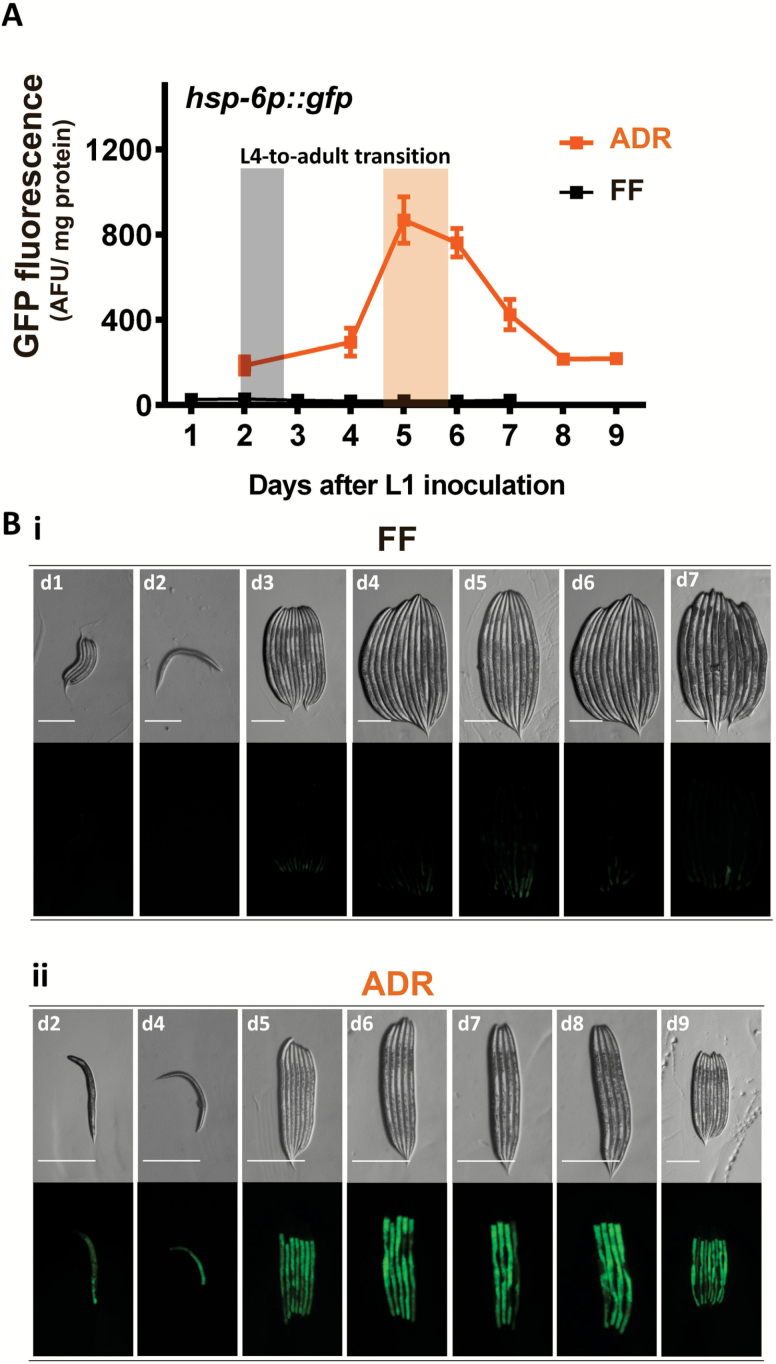
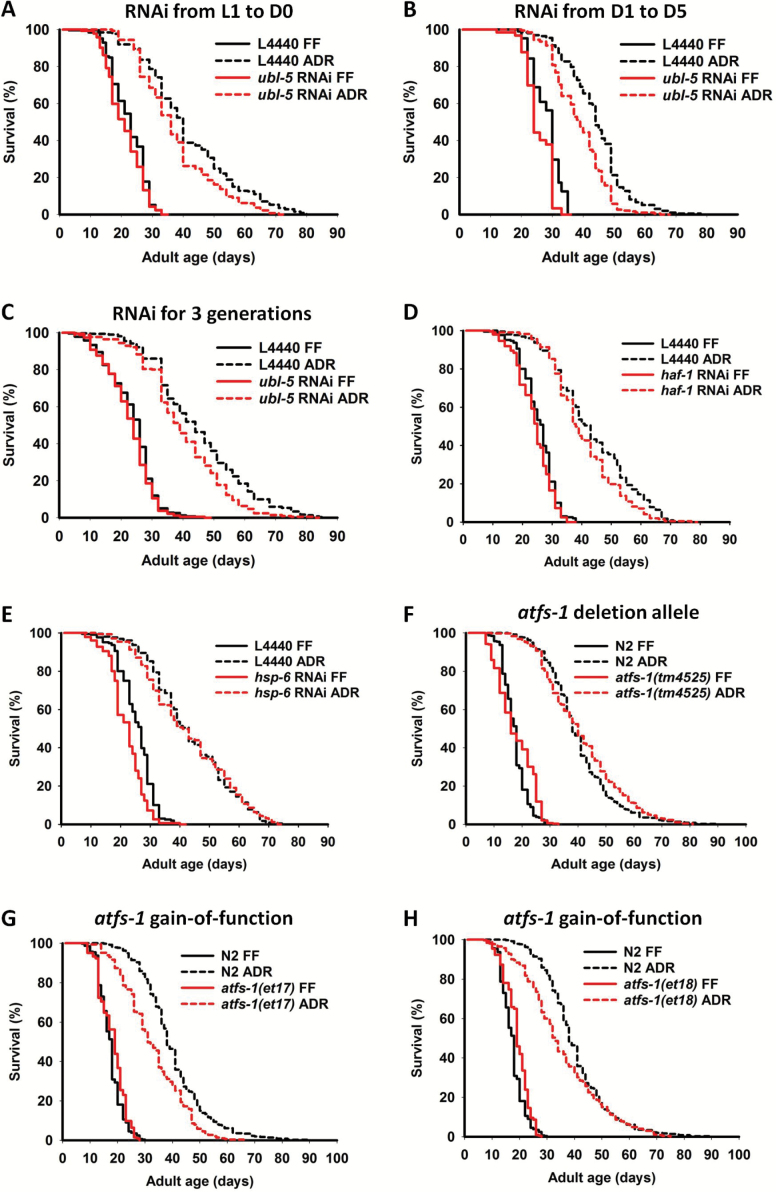
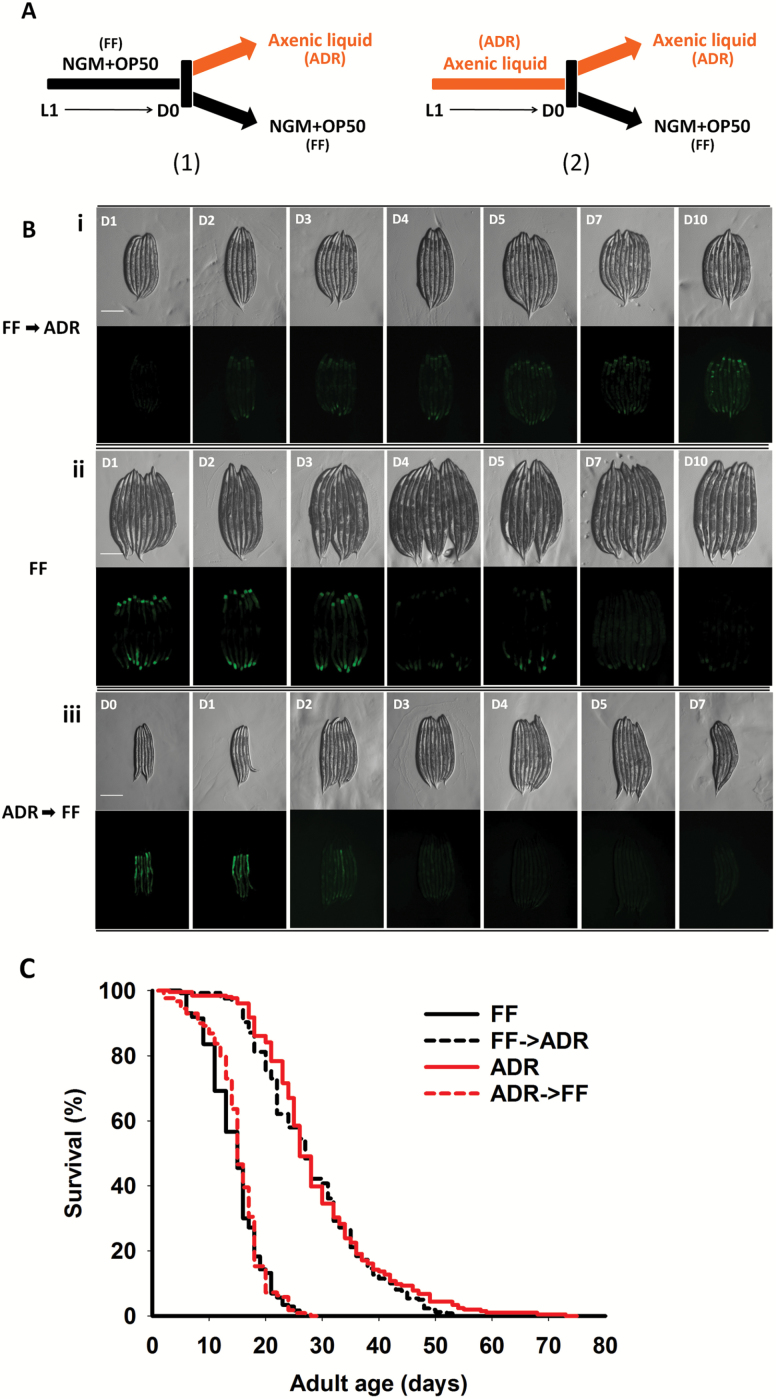
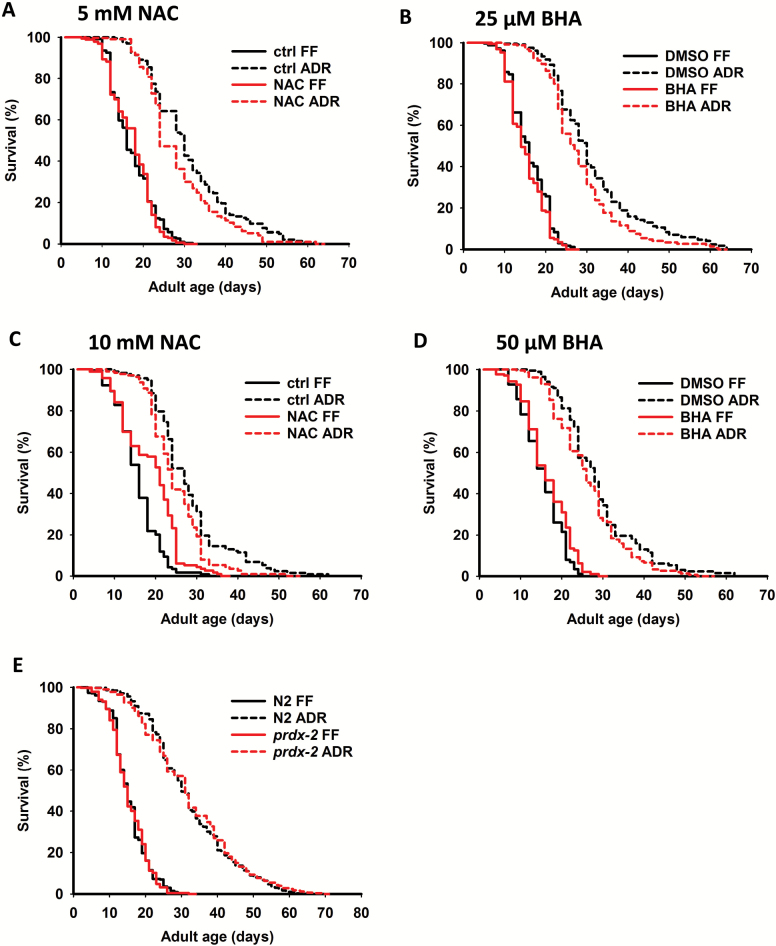
In Caenorhabditis elegans, a broad range of dietary restriction regimens extend life span to different degrees by separate or partially overlapping molecular pathways. One of these regimens, axenic dietary restriction, doubles the worm's life span but currently, almost nothing is known about the underlying molecular mechanism. Previous studies suggest that mitochondrial stress responses such as the mitochondrial unfolded protein response (UPRmt) or mitohormesis may play a vital role in axenic dietary restriction-induced longevity. Here, we provide solid evidence that axenic dietary restriction treatment specifically induces an UPRmt response in C elegans but this induction is not required for axenic dietary restriction-mediated longevity. We also show that reactive oxygen species-mediated mitohormesis is not involved in this phenotype. Hence, changes in mitochondrial physiology and induction of a mitochondrial stress response are not necessarily causal to large increases in life span.
在秀丽隐杆线虫中,多种饮食限制方案通过不同或部分重叠的分子途径不同程度地延长寿命。其中一种方案,即无菌饮食限制,可使线虫的寿命延长一倍,但目前,对于其潜在的分子机制几乎一无所知。先前的研究表明,线粒体应激反应,如线粒体未折叠蛋白反应(UPRmt)或线粒体 hormesis,可能在无菌饮食限制诱导的长寿中起重要作用。在这里,我们提供了确凿的证据,表明无菌饮食限制处理在秀丽隐杆线虫中特异性地诱导了 UPRmt 反应,但这种诱导对于无菌饮食限制介导的长寿并非必需。我们还表明,活性氧介导的线粒体 hormesis 不参与此表型。因此,线粒体生理学的变化和线粒体应激反应的诱导不一定是寿命大幅增加的原因。