Kim Sei Won, Park Chan Joo, Kim Kyungil, Kim Yoon-Chung
Division of Pulmonary, Department of Internal Medicine, Yeouido St. Mary's Hospital, College of Medicine, The Catholic University of Korea, Seoul, Republic of Korea.
Department of Orthopaedic Surgery, St. Vincent's Hospital, College of Medicine, The Catholic University of Korea, Suwon, Republic of Korea.
Chin J Traumatol. 2017 Apr;20(2):118-121. doi: 10.1016/j.cjtee.2016.11.004. Epub 2017 Feb 24.
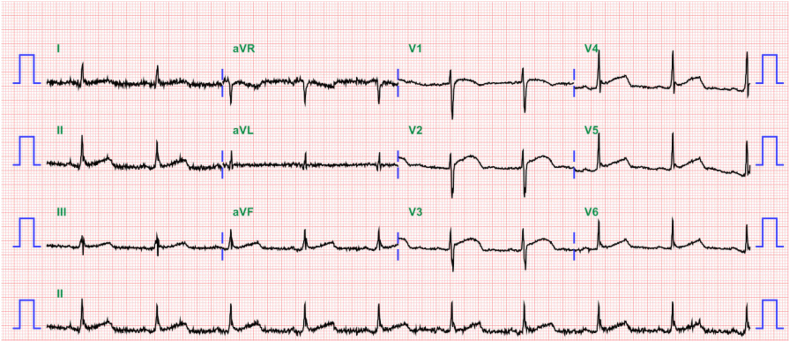
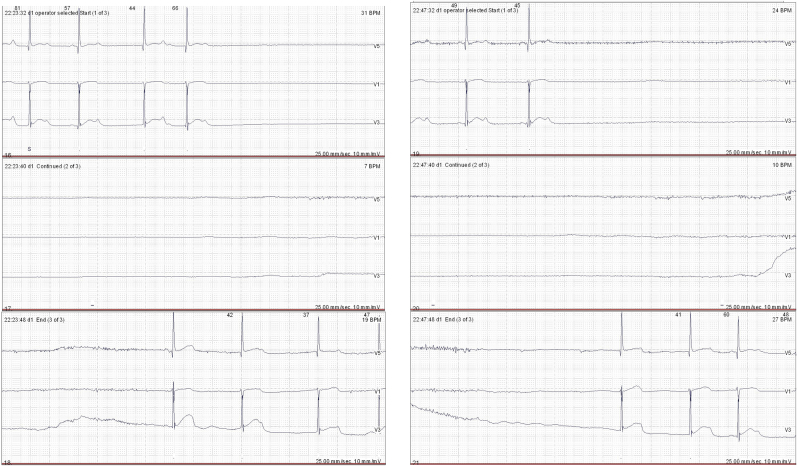
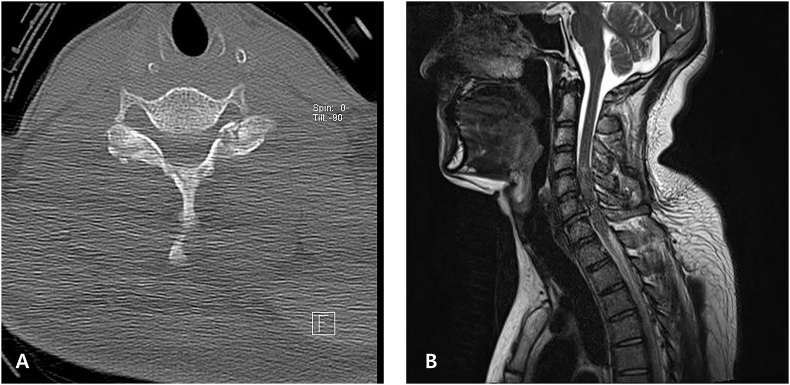
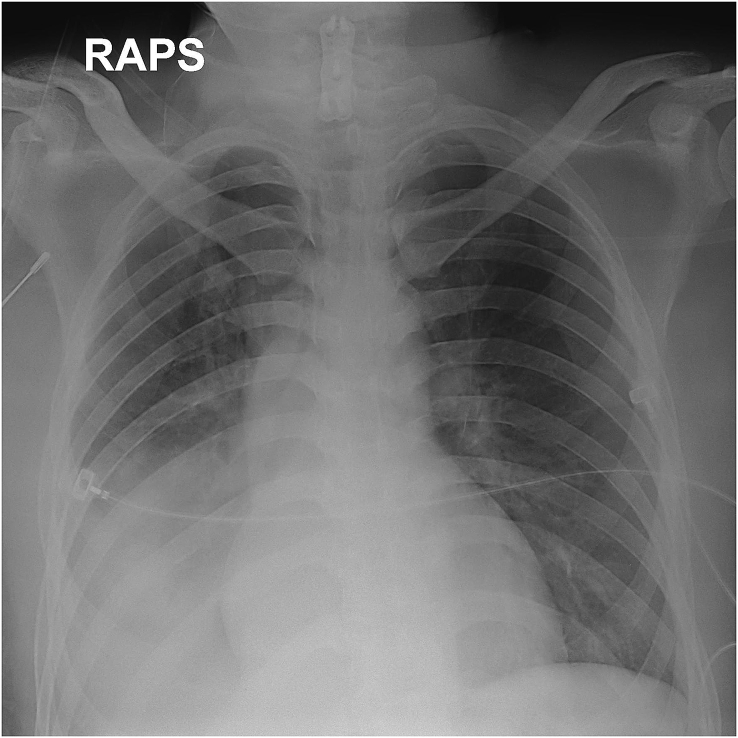
Bradycardia is the most common form of dysrhythmia developing after disruption of the sympathetic pathway by a spinal cord injury (SCI), and it can have fatal consequences, including cardiac arrest. Here, we report a case of cardiac arrest developing after cervical SCI attributable to sympathetic hypoactivity. A 26-year-old male pedestrian was admitted after a traffic accident. Radiologically, fractures were apparent at the C bilateral articular facets, and cord contusion with hemorrhage was evident at C. During his stay in ICU, intermittent bradycardia was noted, but the symptoms were not specific. On the 22nd postoperative day, the patient was taken to the computed tomography suite for further evaluation and experienced cardiac arrest during a positional change. After immediate cardiac massage, the patient was resuscitated. We scheduled Holter monitoring, which detected 26 pauses, the longest of which was 17.9 s. The patient underwent cardiac pacemaker insertion. No further cardiac events were noted.
心动过缓是脊髓损伤(SCI)破坏交感神经通路后最常见的心律失常形式,可能会导致包括心脏骤停在内的致命后果。在此,我们报告一例因交感神经活动减退导致颈髓损伤后发生心脏骤停的病例。一名26岁男性行人在交通事故后入院。影像学检查显示,双侧C关节突骨折,C处脊髓挫伤伴出血明显。在其入住重症监护病房期间,发现有间歇性心动过缓,但症状不典型。术后第22天,患者被送往计算机断层扫描室进行进一步评估,在体位改变过程中发生心脏骤停。立即进行心脏按摩后,患者复苏成功。我们安排了动态心电图监测,检测到26次停搏,最长停搏时间为17.9秒。患者接受了心脏起搏器植入术。此后未再发生心脏事件。