Vazquez-Anderson Jorge, Mihailovic Mia K, Baldridge Kevin C, Reyes Kristofer G, Haning Katie, Cho Seung Hee, Amador Paul, Powell Warren B, Contreras Lydia M
McKetta Department of Chemical Engineering, The University of Texas at Austin, 200 E. Dean Keeton St., Stop C0400, Austin, TX 78712, USA.
Department of Operations Research and Financial Engineering, Princeton University, Sherrerd Hall, Charlton St., Princeton, NJ 08544, USA.
Nucleic Acids Res. 2017 May 19;45(9):5523-5538. doi: 10.1093/nar/gkx115.
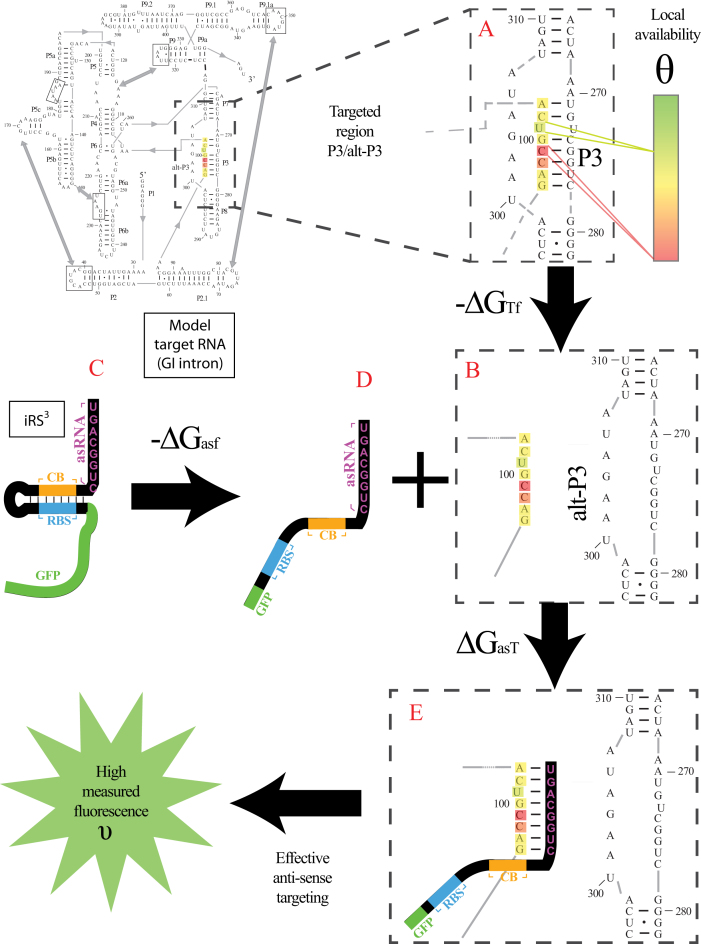
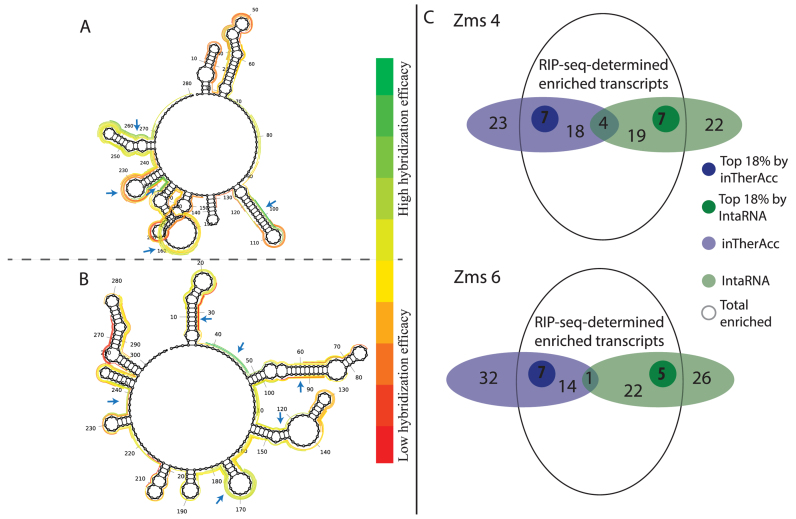
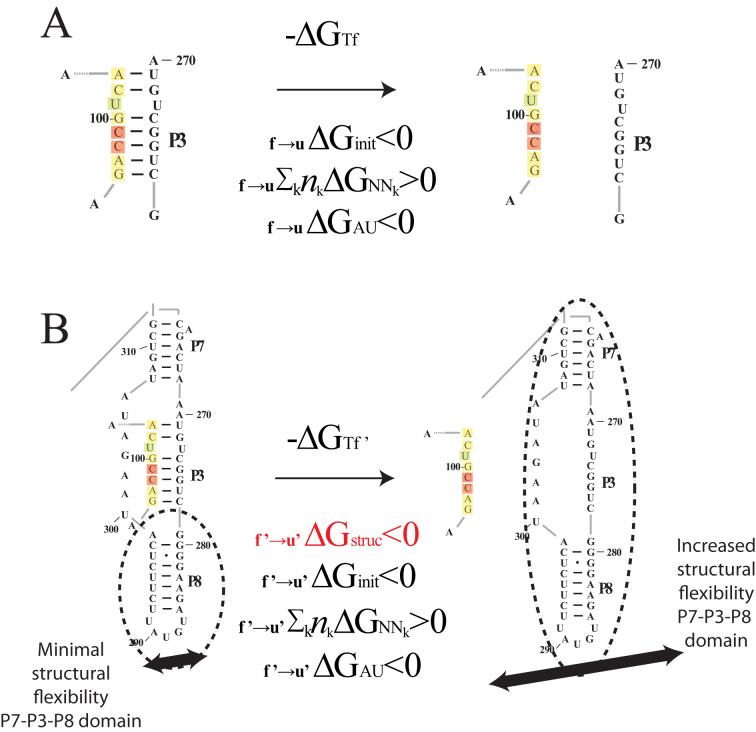
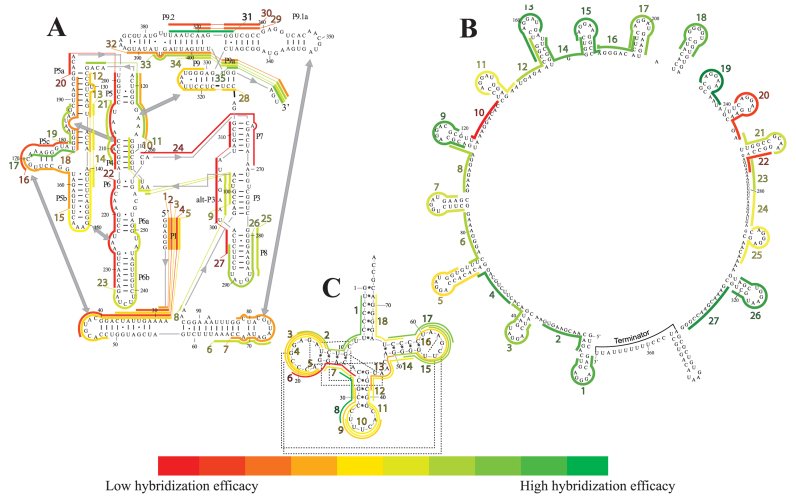
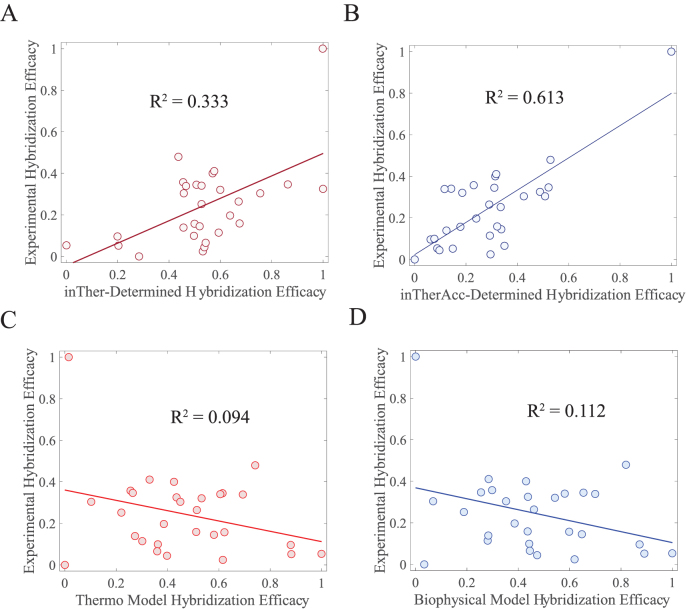
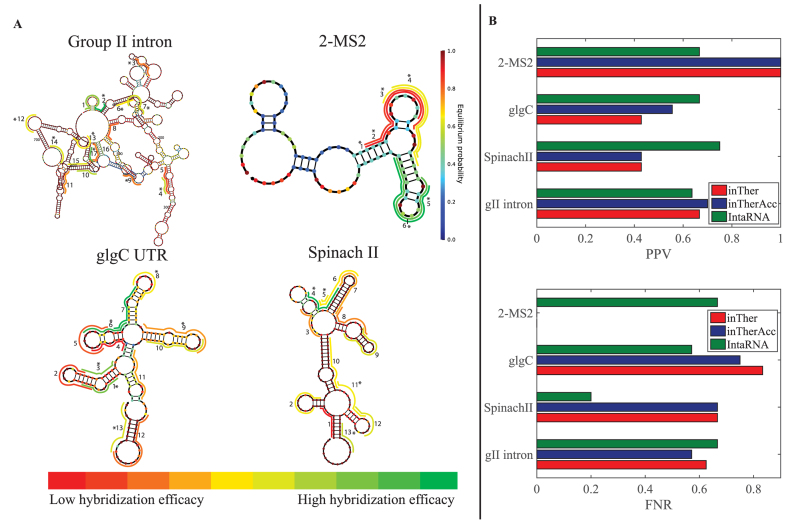
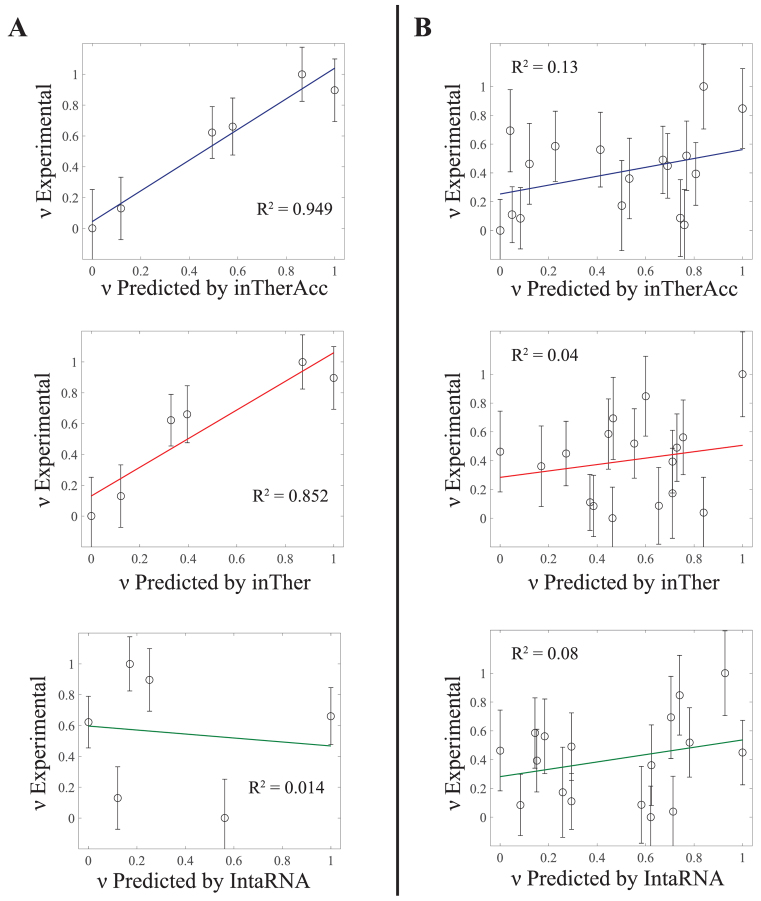
Current approaches to design efficient antisense RNAs (asRNAs) rely primarily on a thermodynamic understanding of RNA-RNA interactions. However, these approaches depend on structure predictions and have limited accuracy, arguably due to overlooking important cellular environment factors. In this work, we develop a biophysical model to describe asRNA-RNA hybridization that incorporates in vivo factors using large-scale experimental hybridization data for three model RNAs: a group I intron, CsrB and a tRNA. A unique element of our model is the estimation of the availability of the target region to interact with a given asRNA using a differential entropic consideration of suboptimal structures. We showcase the utility of this model by evaluating its prediction capabilities in four additional RNAs: a group II intron, Spinach II, 2-MS2 binding domain and glgC 5΄ UTR. Additionally, we demonstrate the applicability of this approach to other bacterial species by predicting sRNA-mRNA binding regions in two newly discovered, though uncharacterized, regulatory RNAs.
当前设计高效反义RNA(asRNA)的方法主要依赖于对RNA-RNA相互作用的热力学理解。然而,这些方法依赖于结构预测且准确性有限,这可能是由于忽略了重要的细胞环境因素。在这项工作中,我们开发了一个生物物理模型来描述asRNA与RNA的杂交过程,该模型利用三种模型RNA(I组内含子、CsrB和tRNA)的大规模实验杂交数据纳入了体内因素。我们模型的一个独特之处在于,通过对次优结构进行差分熵考虑来估计靶区域与给定asRNA相互作用的可用性。我们通过评估该模型在另外四种RNA(II组内含子、菠菜II、2-MS2结合结构域和glgC 5΄ UTR)中的预测能力,展示了该模型的实用性。此外,我们通过预测两种新发现但未表征的调控RNA中的sRNA-mRNA结合区域,证明了该方法对其他细菌物种的适用性。