Rouzier Cécile, Moore David, Delorme Cécile, Lacas-Gervais Sandra, Ait-El-Mkadem Samira, Fragaki Konstantina, Burté Florence, Serre Valérie, Bannwarth Sylvie, Chaussenot Annabelle, Catala Martin, Yu-Wai-Man Patrick, Paquis-Flucklinger Véronique
Université Côte d'Azur, CHU, Inserm, CNRS, IRCAN, France.
Wellcome Trust Centre for Mitochondrial Research, Institute of Genetic Medicine, International Centre for Life, Newcastle University, Newcastle upon Tyne NE1 3BZ, UK.
Hum Mol Genet. 2017 May 1;26(9):1599-1611. doi: 10.1093/hmg/ddx060.
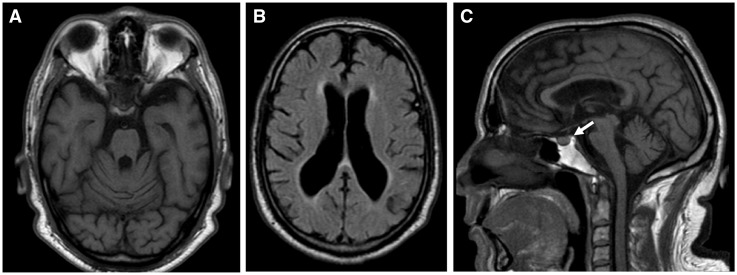
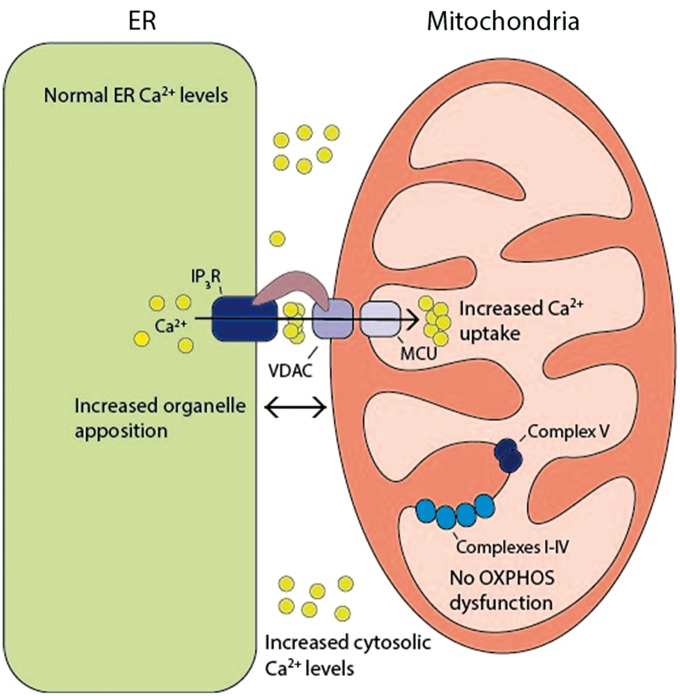
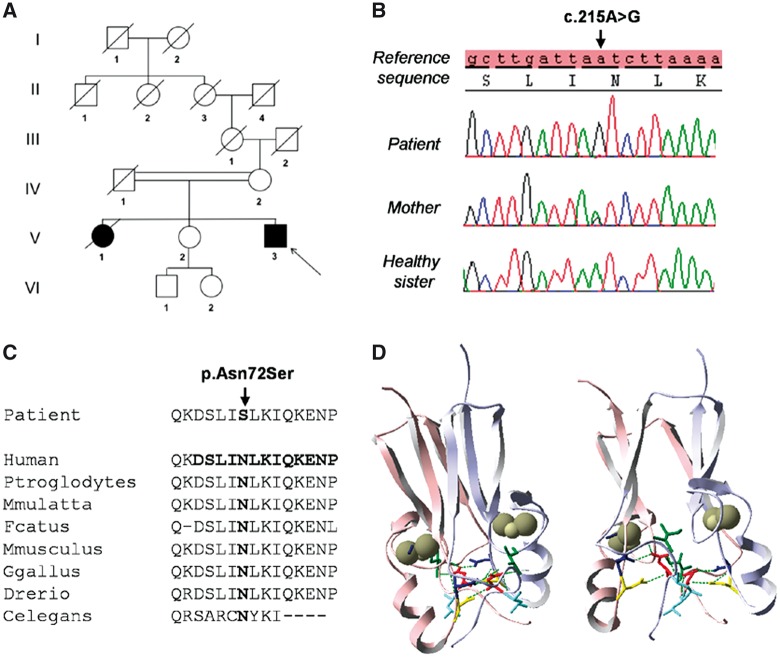
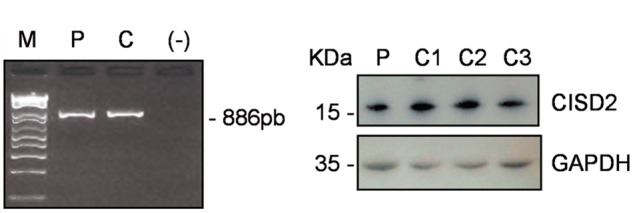
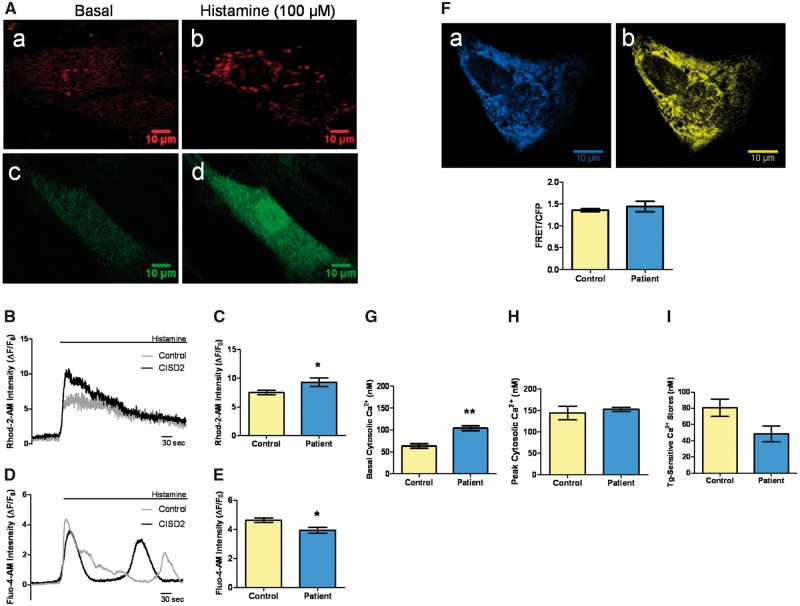
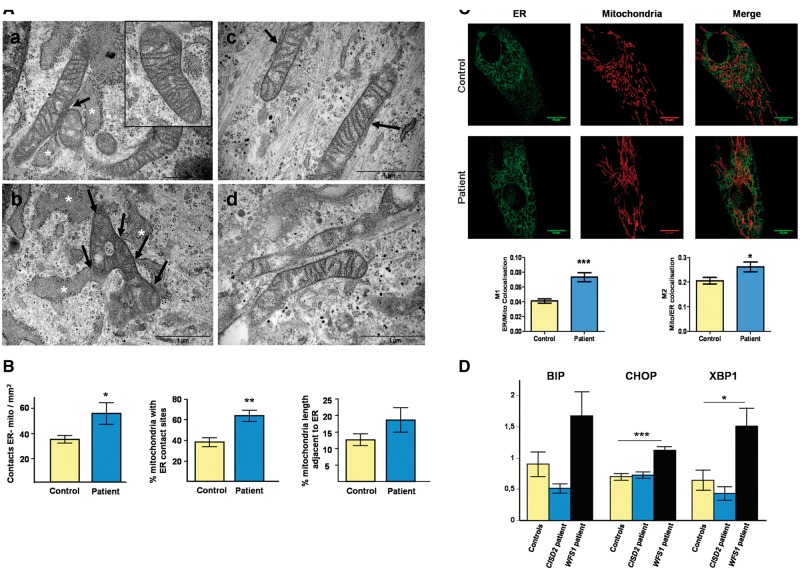
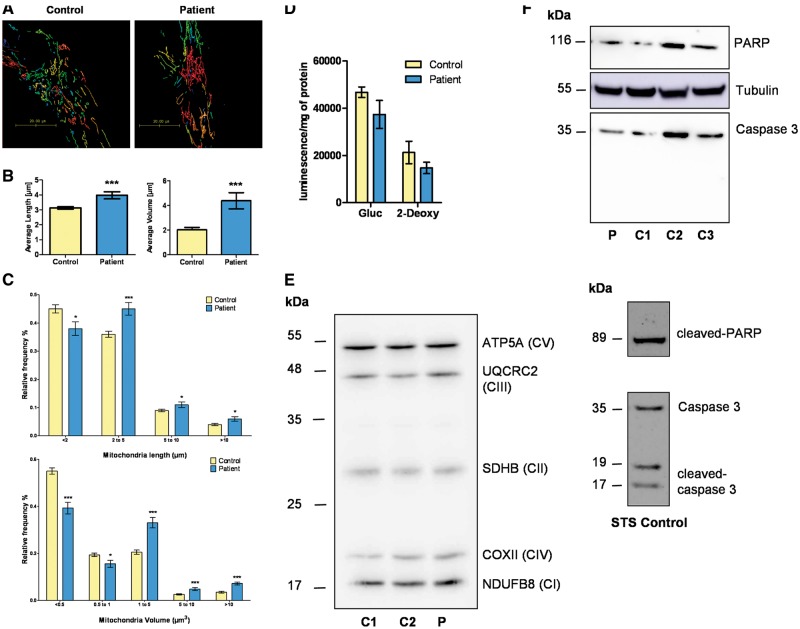
Wolfram syndrome (WS) is a progressive neurodegenerative disease characterized by early-onset optic atrophy and diabetes mellitus, which can be associated with more extensive central nervous system and endocrine complications. The majority of patients harbour pathogenic WFS1 mutations, but recessive mutations in a second gene, CISD2, have been described in a small number of families with Wolfram syndrome type 2 (WFS2). The defining diagnostic criteria for WFS2 also consist of optic atrophy and diabetes mellitus, but unlike WFS1, this phenotypic subgroup has been associated with peptic ulcer disease and an increased bleeding tendency. Here, we report on a novel homozygous CISD2 mutation (c.215A > G; p.Asn72Ser) in a Moroccan patient with an overlapping phenotype suggesting that Wolfram syndrome type 1 and type 2 form a continuous clinical spectrum with genetic heterogeneity. The present study provides strong evidence that this particular CISD2 mutation disturbs cellular Ca2+ homeostasis with enhanced Ca2+ flux from the ER to mitochondria and cytosolic Ca2+ abnormalities in patient-derived fibroblasts. This Ca2+ dysregulation was associated with increased ER-mitochondria contact, a swollen ER lumen and a hyperfused mitochondrial network in the absence of overt ER stress. Although there was no marked alteration in mitochondrial bioenergetics under basal conditions, culture of patient-derived fibroblasts in glucose-free galactose medium revealed a respiratory chain defect in complexes I and II, and a trend towards decreased ATP levels. Our results provide important novel insight into the potential disease mechanisms underlying the neurodegenerative consequences of CISD2 mutations and the subsequent development of multisystemic disease.
沃尔弗拉姆综合征(WS)是一种进行性神经退行性疾病,其特征为早发性视神经萎缩和糖尿病,可能伴有更广泛的中枢神经系统和内分泌并发症。大多数患者携带致病性WFS1突变,但在少数2型沃尔弗拉姆综合征(WFS2)家族中,已发现第二个基因CISD2存在隐性突变。WFS2的明确诊断标准也包括视神经萎缩和糖尿病,但与WFS1不同的是,这一表型亚组与消化性溃疡疾病和出血倾向增加有关。在此,我们报告一名摩洛哥患者中一种新的纯合CISD2突变(c.215A>G;p.Asn72Ser),其重叠表型提示1型和2型沃尔弗拉姆综合征形成了具有遗传异质性的连续临床谱。本研究提供了强有力的证据,表明这种特定的CISD2突变会扰乱细胞内钙离子稳态,使钙离子从内质网(ER)向线粒体的通量增加,并导致患者来源的成纤维细胞出现胞质钙离子异常。这种钙离子调节异常与内质网-线粒体接触增加、内质网腔肿胀以及线粒体网络过度融合有关,而不存在明显的内质网应激。尽管在基础条件下线粒体生物能量学没有明显改变,但将患者来源的成纤维细胞在无糖半乳糖培养基中培养后,发现复合物I和II存在呼吸链缺陷,且ATP水平有降低趋势。我们的研究结果为CISD2突变导致神经退行性后果及随后多系统疾病发生的潜在疾病机制提供了重要的新见解。