Huang Yong, Wang Jin-Jun, Ghosh Sanjay, Liu Ji-Long
MRC Functional Genomics Unit, Department of Physiology, Anatomy and Genetics, University of Oxford, Oxford OX1 3PT, United Kingdom; Key Laboratory of Entomology and Pest Control Engineering, College of Plant Protection, Southwest University, Chongqing, China.
Key Laboratory of Entomology and Pest Control Engineering, College of Plant Protection, Southwest University, Chongqing, China.
Exp Cell Res. 2017 May 15;354(2):122-133. doi: 10.1016/j.yexcr.2017.03.042. Epub 2017 Mar 22.
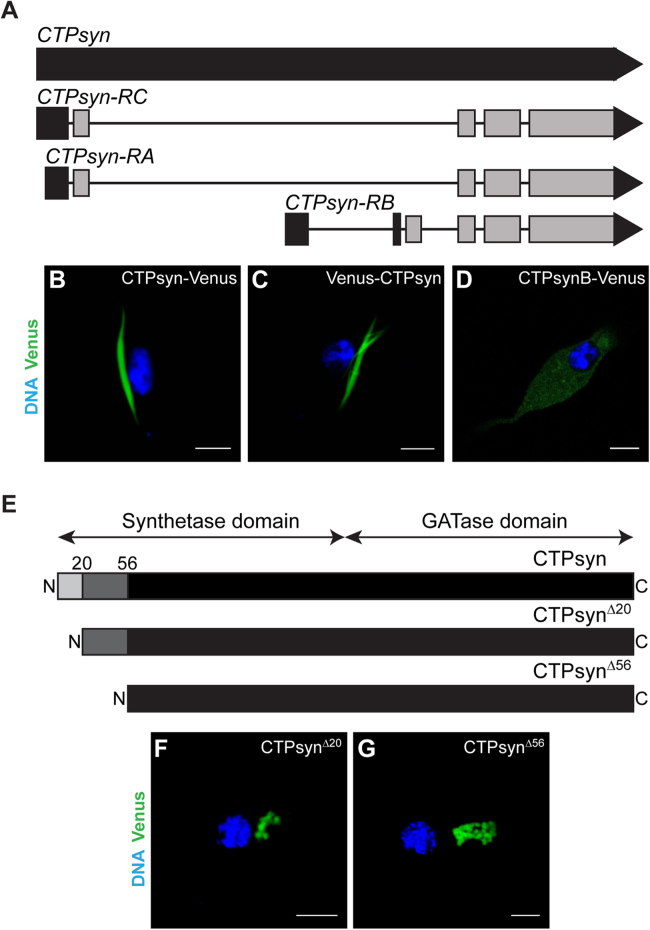
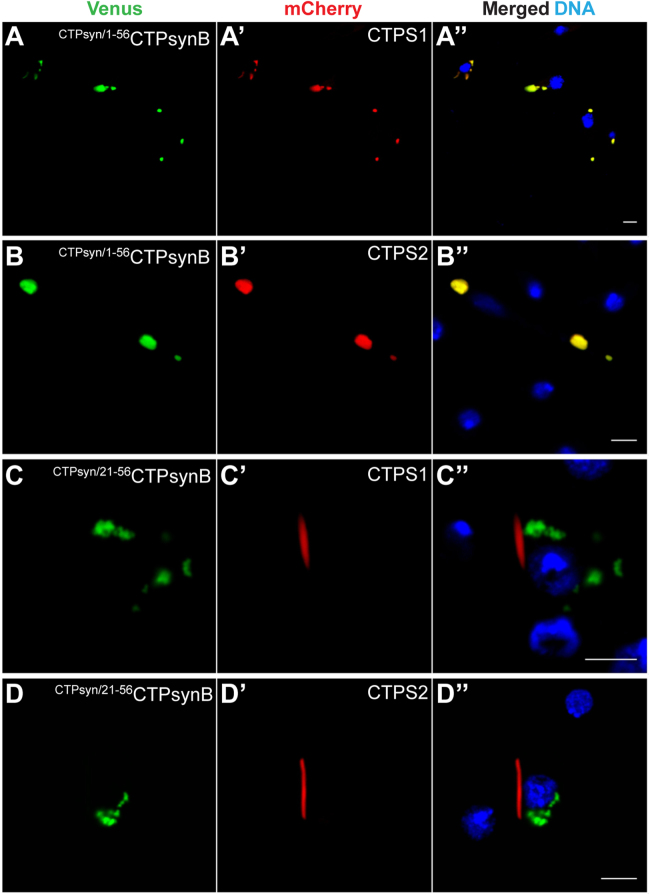
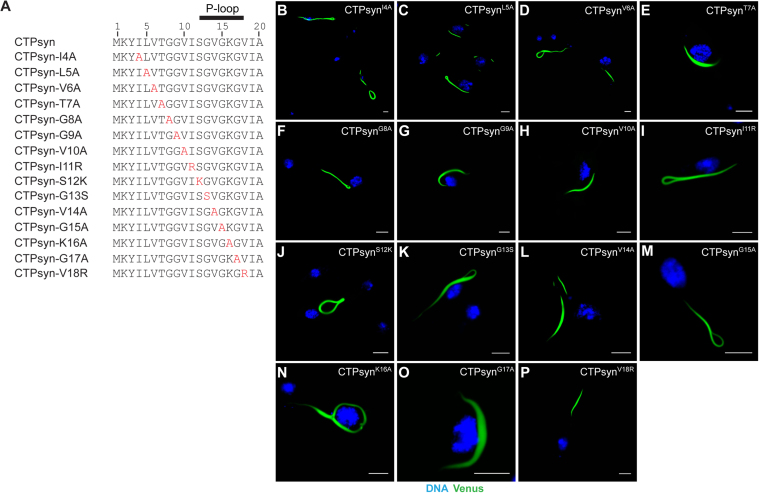
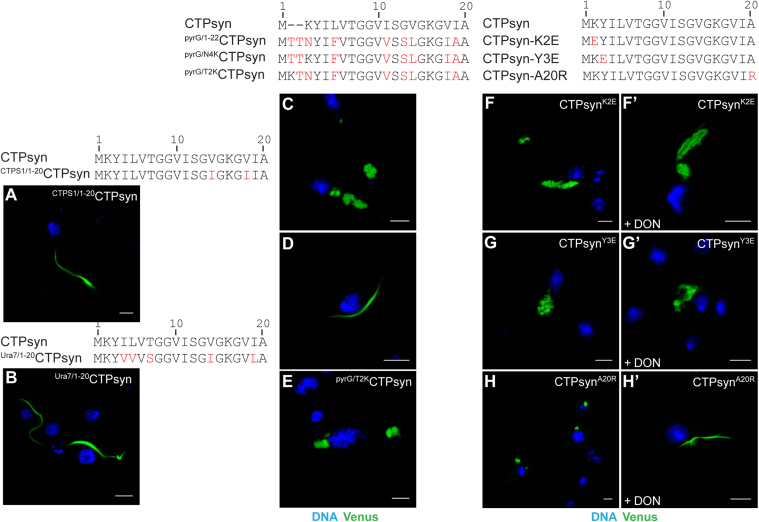
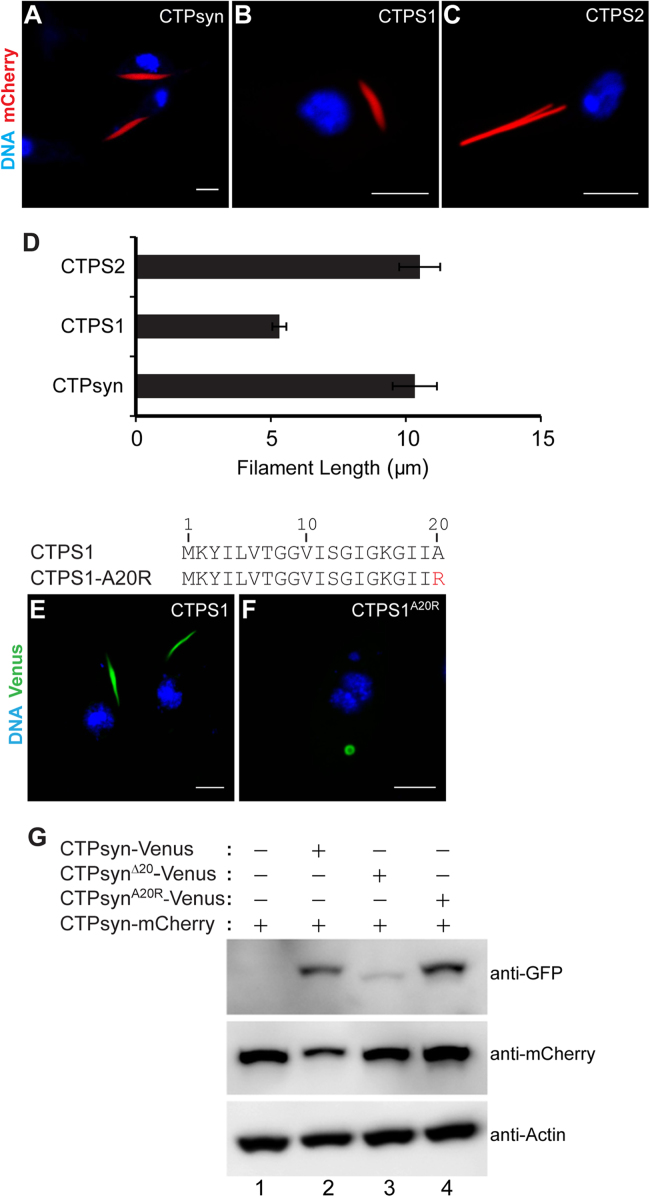
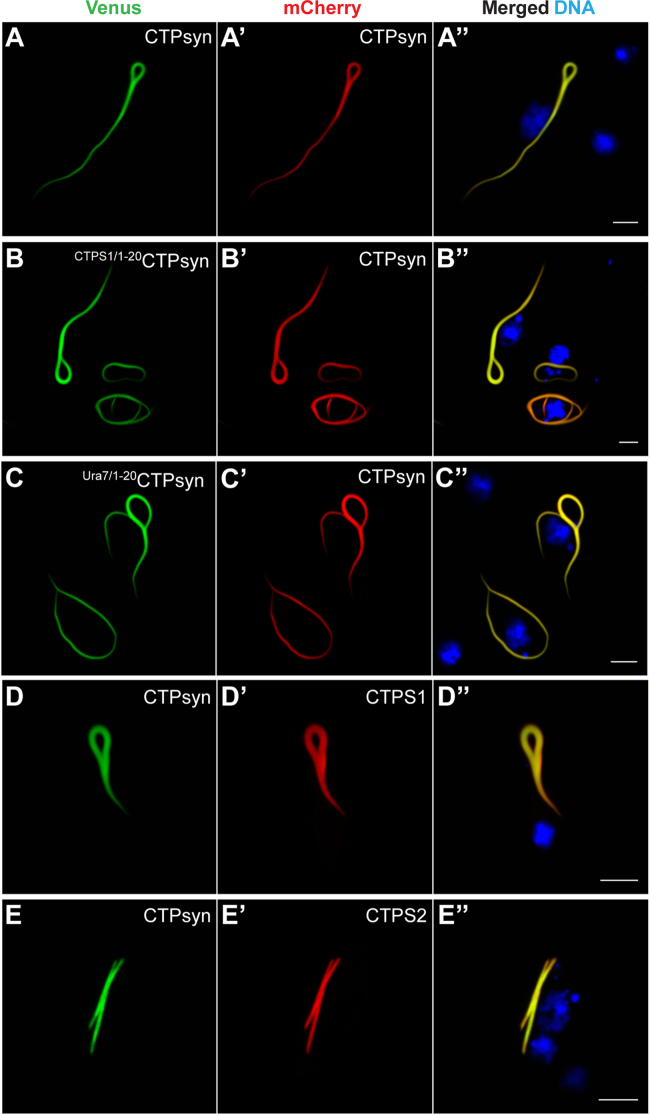
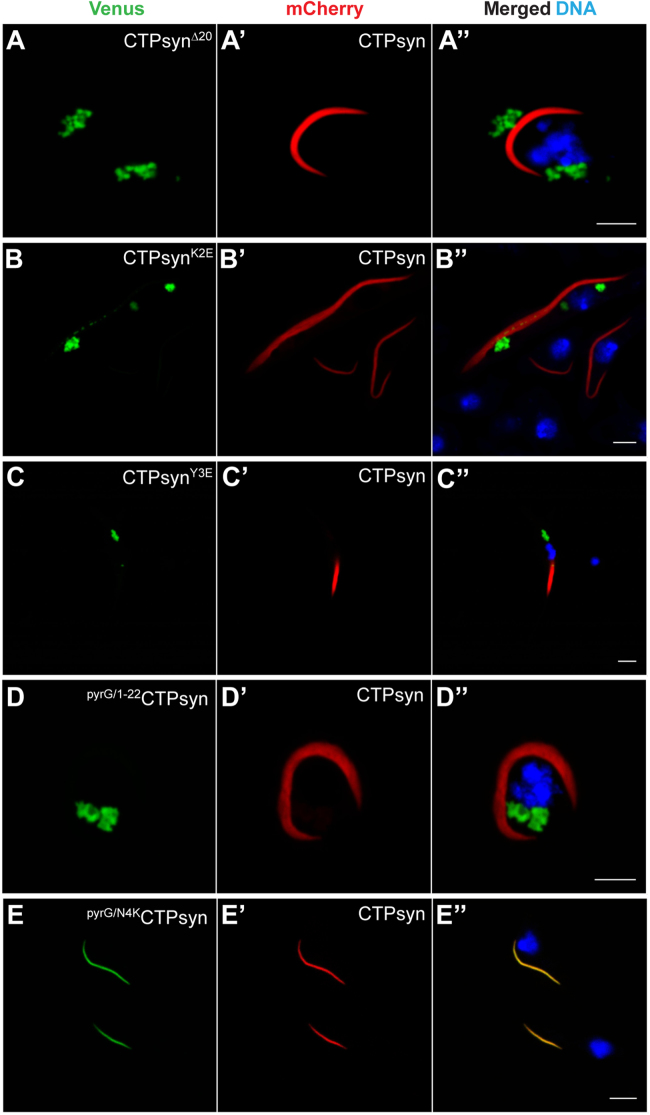
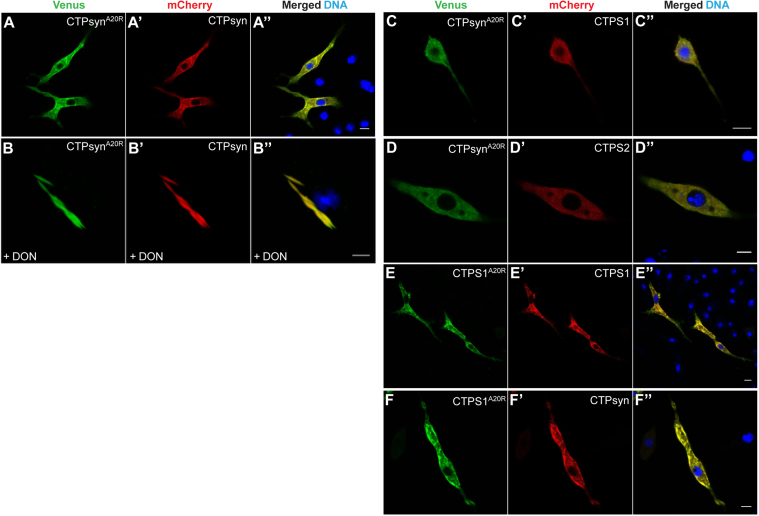
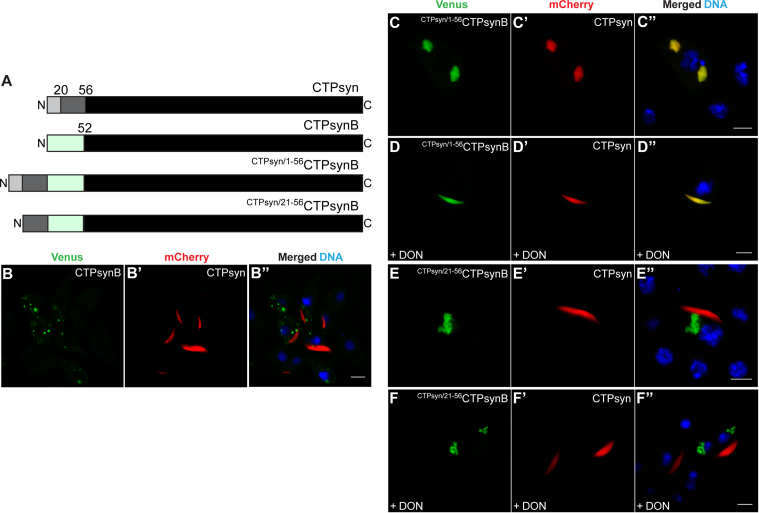
Several metabolic enzymes assemble into distinct intracellular structures in prokaryotes and eukaryotes suggesting an important functional role in cell physiology. The CTP-generating enzyme CTP synthase forms long filamentous structures termed cytoophidia in bacteria, yeast, fruit flies and human cells independent of its catalytic activity. However, the amino acid determinants for protein-protein interaction necessary for polymerisation remained unknown. In this study, we systematically analysed the role of the conserved N-terminal of Drosophila CTP synthase in cytoophidium assembly. Our mutational analyses identified three key amino acid residues within this region that play an instructive role in organisation of CTP synthase into a filamentous structure. Co-transfection assays demonstrated formation of heteromeric CTP synthase filaments which is disrupted by protein carrying a mutated N-terminal alanine residue thus revealing a dominant-negative activity. Interestingly, the dominant-negative activity is supressed by the CTP synthase inhibitor DON. Furthermore, we found that the amino acids at the corresponding position in the human protein exhibit similar properties suggesting conservation of their function through evolution. Our data suggest that cytoophidium assembly is a multi-step process involving N-terminal-dependent sequential interactions between correctly folded structural units and provide insights into the assembly of these enigmatic structures.
在原核生物和真核生物中,几种代谢酶组装成不同的细胞内结构,这表明它们在细胞生理学中具有重要的功能作用。产生CTP的酶CTP合酶在细菌、酵母、果蝇和人类细胞中形成称为细胞蛇的长丝状结构,这与其催化活性无关。然而,聚合所需的蛋白质-蛋白质相互作用的氨基酸决定因素仍然未知。在这项研究中,我们系统地分析了果蝇CTP合酶保守的N末端在细胞蛇组装中的作用。我们的突变分析确定了该区域内的三个关键氨基酸残基,它们在将CTP合酶组织成丝状结构中起指导作用。共转染实验证明形成了异源CTP合酶细丝,而携带突变的N末端丙氨酸残基的蛋白质会破坏这种细丝,从而揭示了显性负性活性。有趣的是,CTP合酶抑制剂DON可抑制显性负性活性。此外,我们发现人类蛋白质中相应位置的氨基酸表现出相似的特性,表明它们的功能在进化过程中得以保留。我们的数据表明,细胞蛇组装是一个多步骤过程,涉及正确折叠的结构单元之间的N末端依赖性顺序相互作用,并为这些神秘结构的组装提供了见解。