Coetzer Willem G, Downs Colleen T, Perrin Mike R, Willows-Munro Sandi
School of Life Science, University of KwaZulu-Natal , Pietermaritzburg , South Africa.
PeerJ. 2017 Mar 21;5:e2900. doi: 10.7717/peerj.2900. eCollection 2017.
Illegal trade in rare wildlife species is a major threat to many parrot species around the world. Wildlife forensics plays an important role in the preservation of endangered or threatened wildlife species. Identification of illegally harvested or traded animals through DNA techniques is one of the many methods used during forensic investigations. Natural populations of the South African endemic Cape Parrot () are negatively affected by the removal of eggs and chicks for the pet trade.
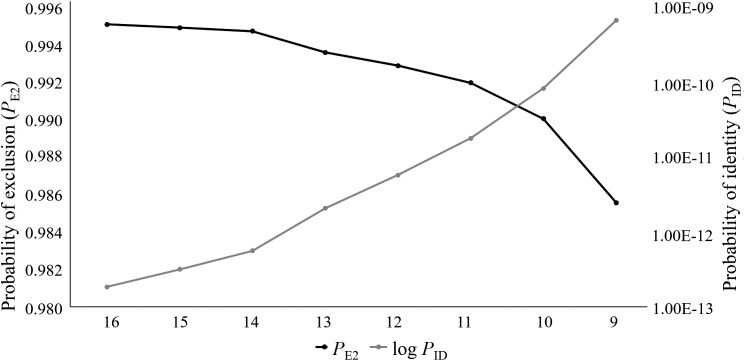
In this study, 16 microsatellite markers specifically designed for the South African endemic Cape Parrot () are assessed for their utility in forensic casework. Using these 16 loci, the genetic diversity of a subset of the captive Cape Parrot population was also assessed and compared to three wild Cape Parrot populations.
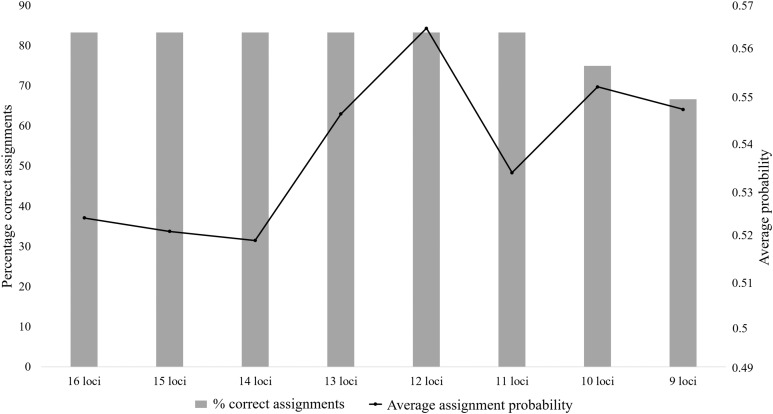
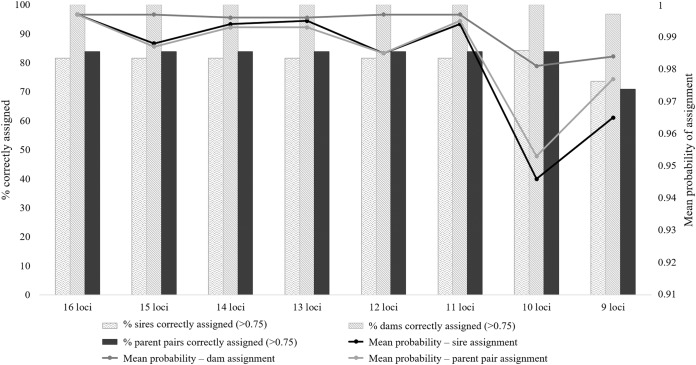
It was determined that the full 16 locus panel has sufficient discriminatory power to be used in parentage analyses and can be used to determine if a bird has been bred in captivity and so can be legally traded or if it has been illegally removed from the wild. In cases where birds have been removed from the wild, this study suggests that a reduced 12 locus microsatellite panel has sufficient power to assign confiscated birds to geographic population of origin.
The level of genetic diversity observed within the captive Cape Parrot population was similar to that observed in the wild populations, which suggests that the captive population is not suffering from decreased levels of genetic diversity. The captive Cape Parrots did however have double the number of private alleles compared to that observed in the most genetically diverse wild population. This is probably due to the presence of rare alleles present in the founder population, which has not been lost due to genetic drift, as many of the individuals tested in this study are F1-F3 wild descendants. The results from this study provide a suit of markers that can be used to aid conservation and law enforcement authorities to better control legal and illegal trade of this South African endemic.
珍稀野生动物物种的非法贸易对全球许多鹦鹉物种构成重大威胁。野生动物法医鉴定在濒危或受威胁野生动物物种的保护中发挥着重要作用。通过DNA技术鉴定非法捕获或交易的动物是法医调查中使用的众多方法之一。南非特有的海角鹦鹉()的自然种群受到宠物贸易中鸟蛋和雏鸟被移除的负面影响。
在本研究中,评估了专门为南非特有的海角鹦鹉()设计的16个微卫星标记在法医案件工作中的实用性。使用这16个位点,还评估了圈养海角鹦鹉种群子集的遗传多样性,并与三个野生海角鹦鹉种群进行了比较。
确定完整的16位点面板具有足够的鉴别力,可用于亲权分析,并可用于确定一只鸟是否在圈养中繁殖,因此是否可以合法交易,或者它是否是从野外非法移除的。在鸟类被从野外移除的情况下,本研究表明,减少到12个位点的微卫星面板有足够的能力将没收的鸟类归为其地理起源种群。
在圈养海角鹦鹉种群中观察到的遗传多样性水平与在野生种群中观察到的相似,这表明圈养种群没有遭受遗传多样性水平下降的问题。然而,与遗传多样性最高的野生种群相比,圈养海角鹦鹉的私有等位基因数量是其两倍。这可能是由于奠基种群中存在的稀有等位基因没有因遗传漂变而丢失,因为本研究中测试的许多个体都是F1 - F3野生后代。本研究结果提供了一套标记,可用于帮助保护和执法当局更好地控制这种南非特有物种的合法和非法贸易。