Wiseman Jennifer A, Meng Yu, Nemtsova Yuliya, Matteson Paul G, Millonig James H, Moore Dirk F, Sleat David E, Lobel Peter
Center for Advanced Biotechnology and Medicine, Rutgers, The State University of New Jersey, Piscataway, NJ 08854, USA.
Center for Advanced Biotechnology and Medicine, Rutgers, The State University of New Jersey, Piscataway, NJ 08854, USA; Department of Neuroscience & Cell Biology, Rutgers, The State University of New Jersey, Piscataway, NJ 08854, USA.
Mol Ther Methods Clin Dev. 2017 Feb 13;4:204-212. doi: 10.1016/j.omtm.2017.01.004. eCollection 2017 Mar 17.
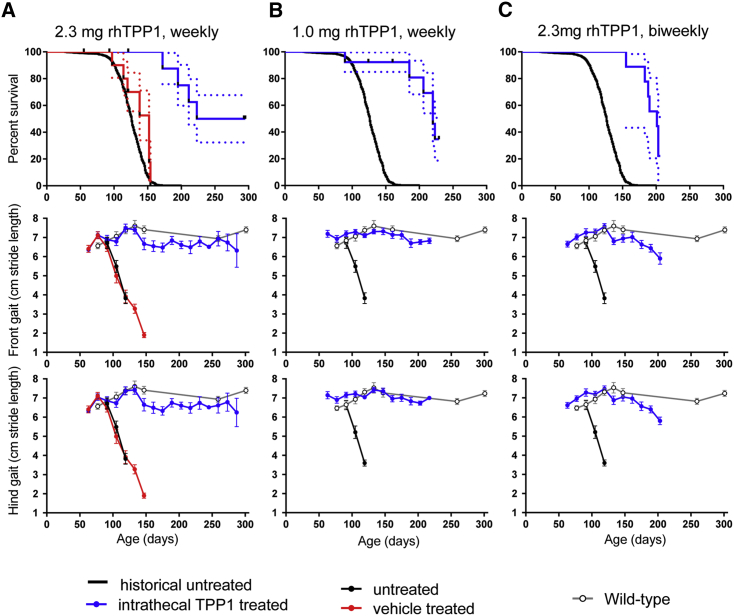
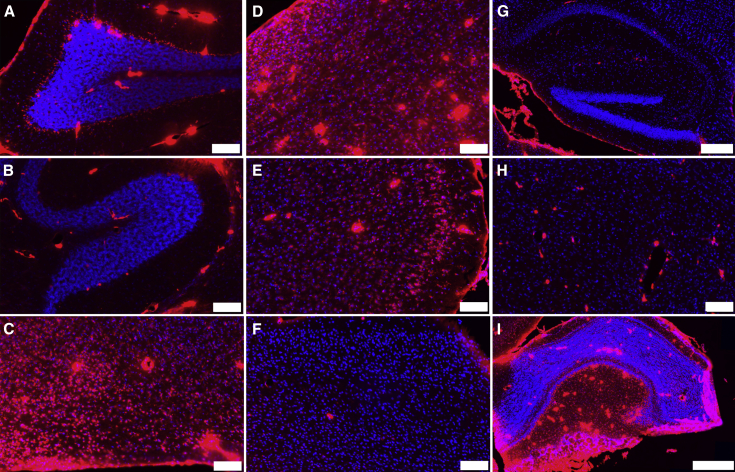
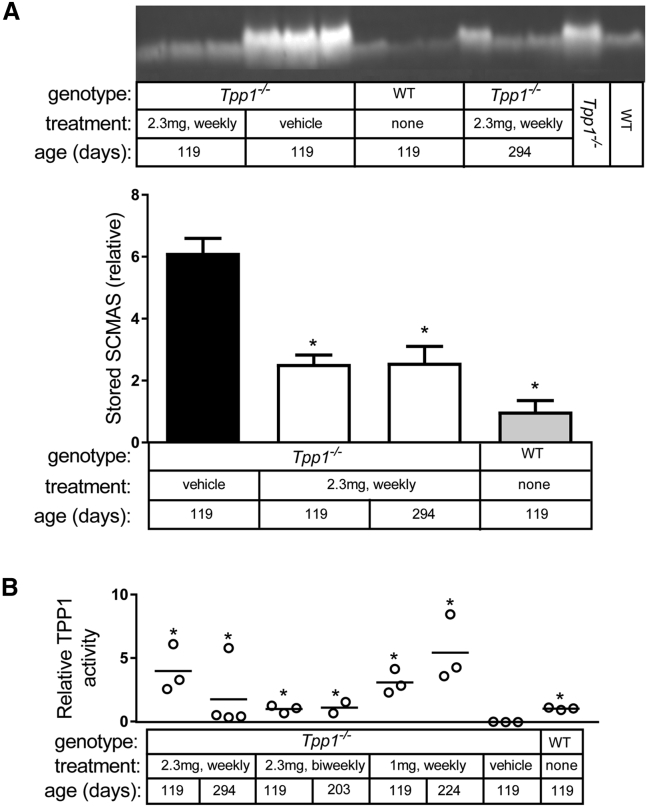
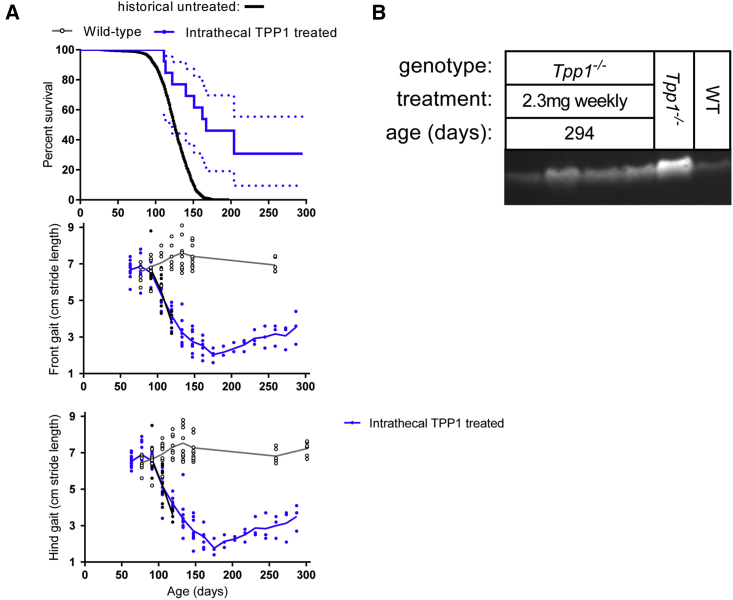
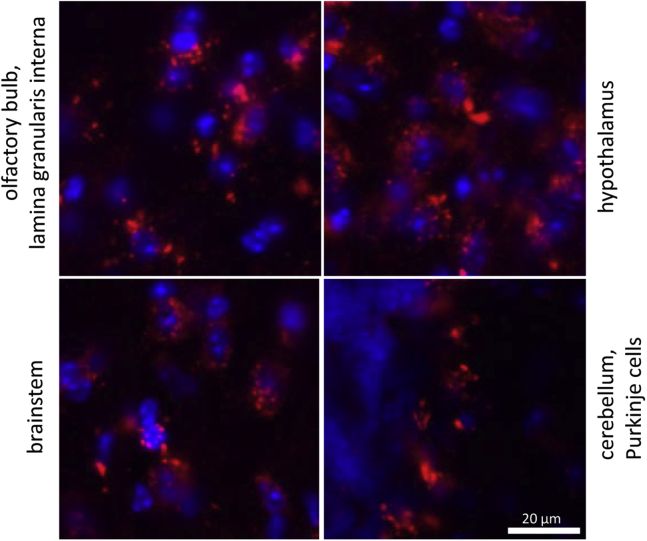
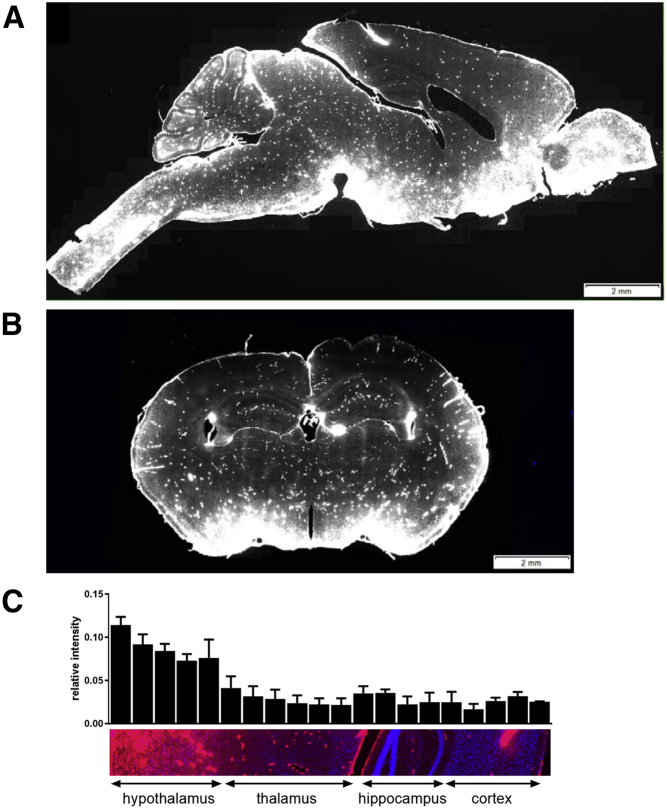
Late infantile neuronal ceroid lipofuscinosis (LINCL) is a fatal inherited neurodegenerative disease caused by loss of lysosomal protease tripeptidyl peptidase 1 (TPP1). We have investigated the effects of chronic intrathecal (IT) administration using enzyme replacement therapy (ERT) to the brain of an LINCL mouse model, in which locomotor function declines dramatically prior to early death. Median lifespan was significantly extended from 126 days to >259 days when chronic IT treatment was initiated before the onset of disease. While treated animals lived longer and showed little sign of locomotor dysfunction as measured by stride length, some or all (depending on regimen) still died prematurely. One explanation is that cerebrospinal fluid (CSF)-mediated delivery may not deliver TPP1 to all brain regions. Morphological studies support this, showing delivery of TPP1 to ventral, but not deeper and dorsal regions. When IT treatment is initiated in severely affected LINCL mice, lifespan was extended modestly in most but dramatically extended in approximately one-third of the cohort. Treatment improved locomotor function in these severely compromised animals after it had declined to the point at which animals normally die. This indicates that some pathology in LINCL is reversible and does not simply reflect neuronal death.
晚期婴儿神经元蜡样脂褐质沉积症(LINCL)是一种由溶酶体蛋白酶三肽基肽酶1(TPP1)缺失引起的致命性遗传性神经退行性疾病。我们研究了使用酶替代疗法(ERT)对LINCL小鼠模型大脑进行慢性鞘内(IT)给药的效果,该模型在早期死亡前运动功能会急剧下降。当在疾病发作前开始慢性IT治疗时,中位寿命从126天显著延长至>259天。虽然接受治疗的动物寿命更长,且通过步幅测量显示几乎没有运动功能障碍的迹象,但部分或全部动物(取决于治疗方案)仍过早死亡。一种解释是,脑脊液(CSF)介导的递送可能无法将TPP1递送至所有脑区。形态学研究支持这一点,显示TPP1可递送至腹侧区域,但无法递送至更深层和背侧区域。当在严重受影响的LINCL小鼠中开始IT治疗时,大多数小鼠的寿命适度延长,但约三分之一的小鼠寿命显著延长。在这些严重受损的动物运动功能下降至正常死亡水平后,治疗改善了其运动功能。这表明LINCL中的一些病理变化是可逆的,并非仅仅反映神经元死亡。