Laboratory of Molecular Physiology, Infection and Immunity Theme, Lee Kong Chian School of Medicine, Nanyang Technological University, 59 Nanyang Drive, 636921, Singapore.
Singapore Eye Research Institute, 20 College Road, 169856, Singapore.
Sci Rep. 2017 Mar 27;7:45312. doi: 10.1038/srep45312.
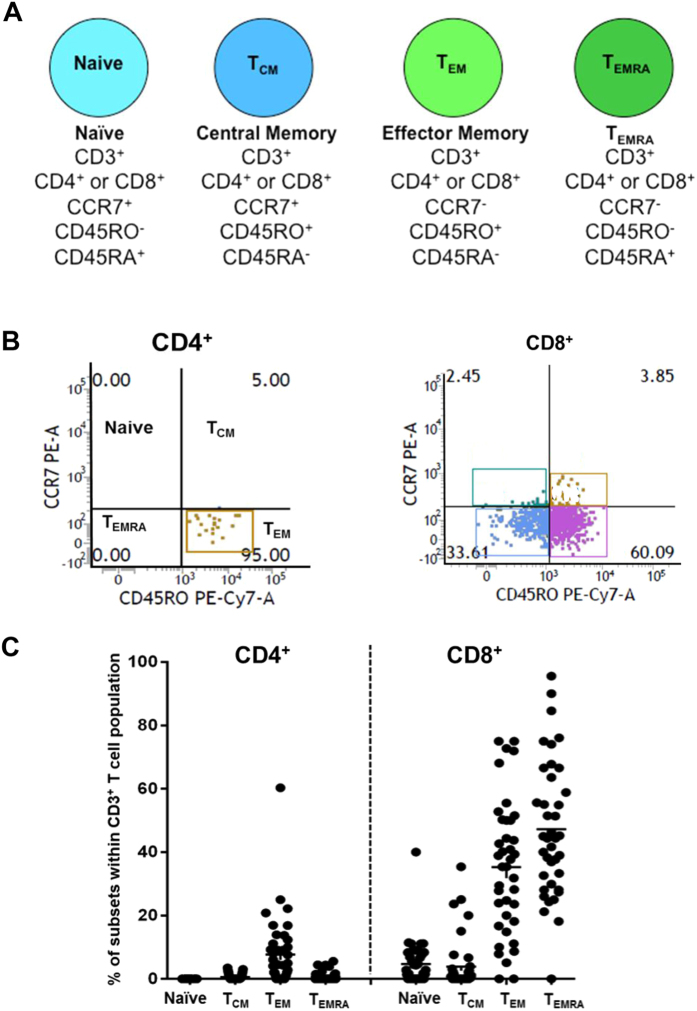
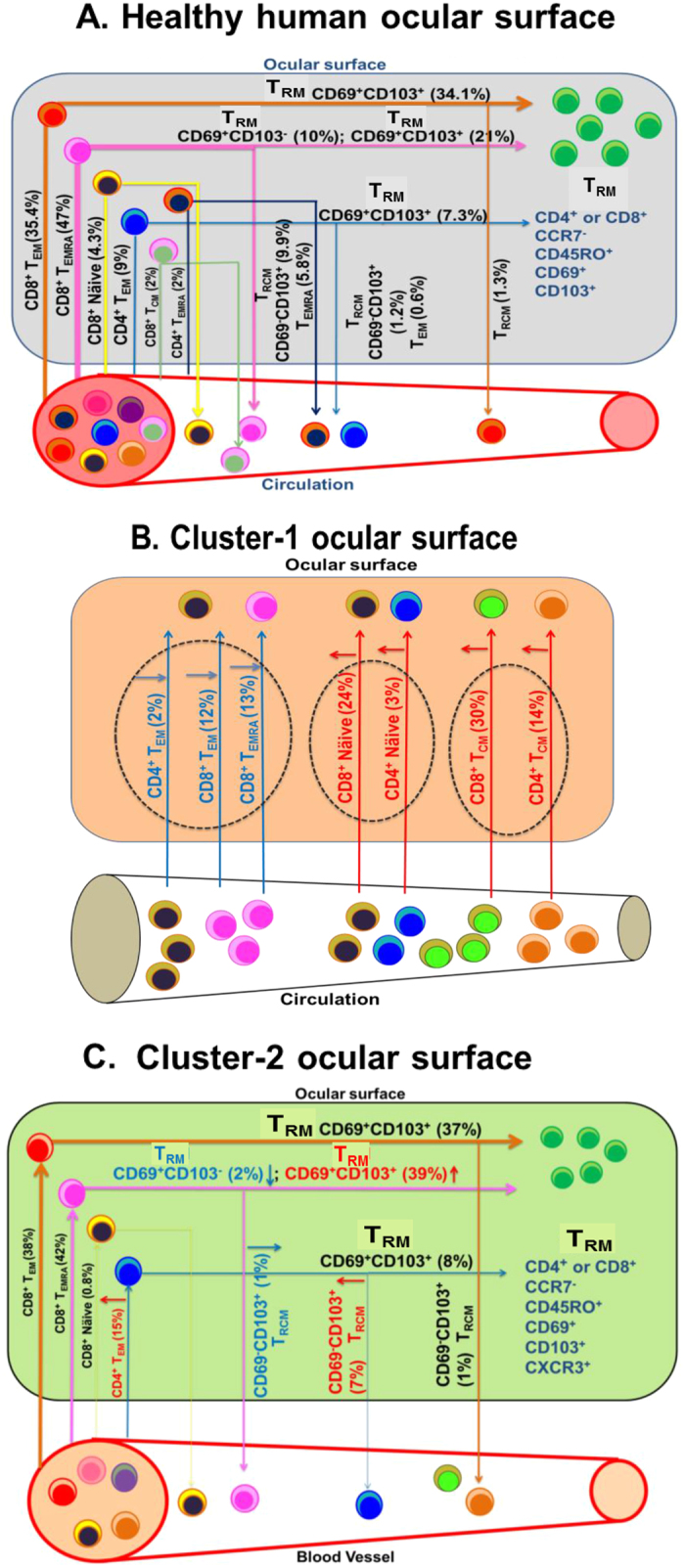
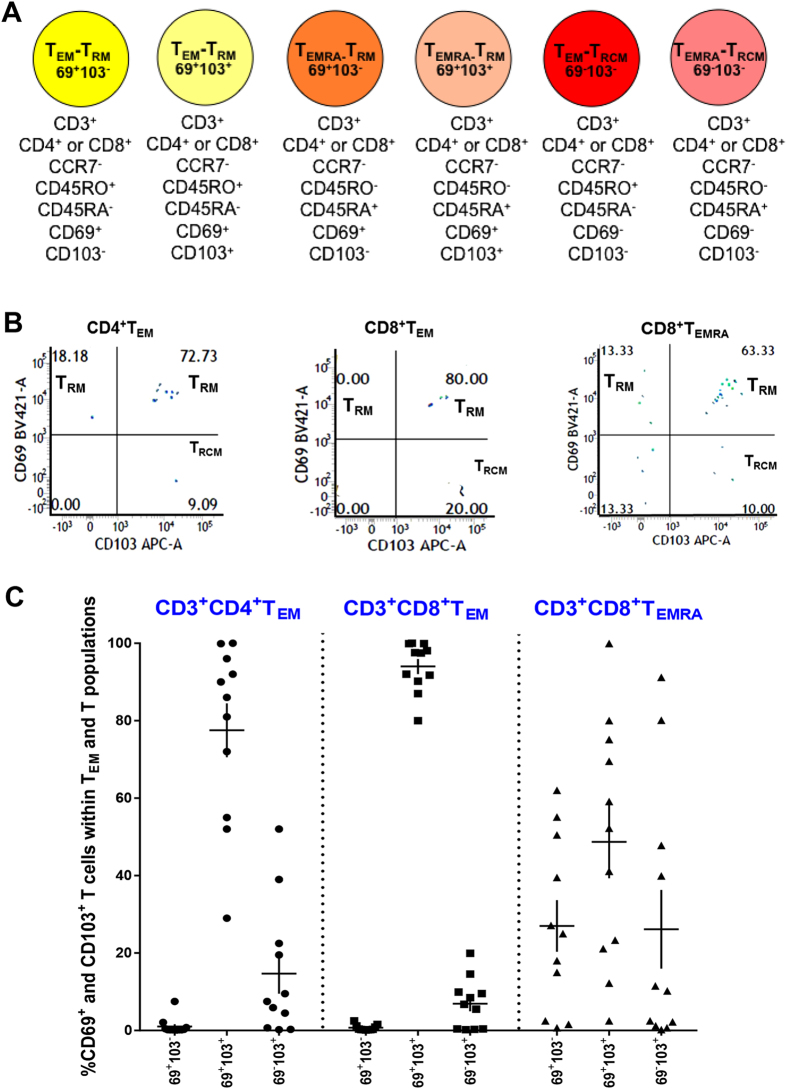
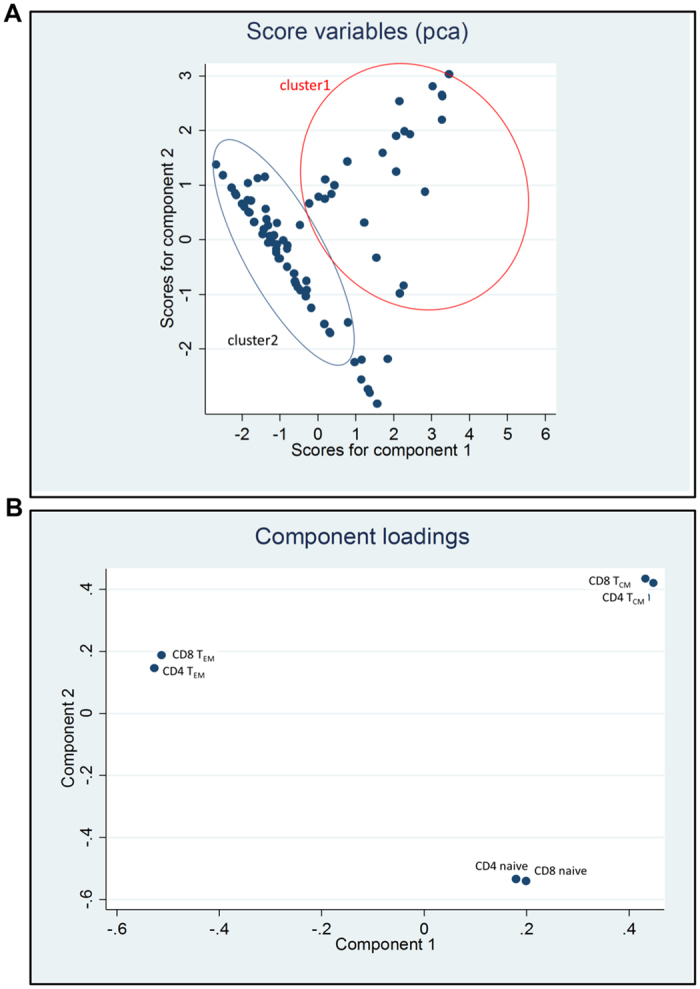
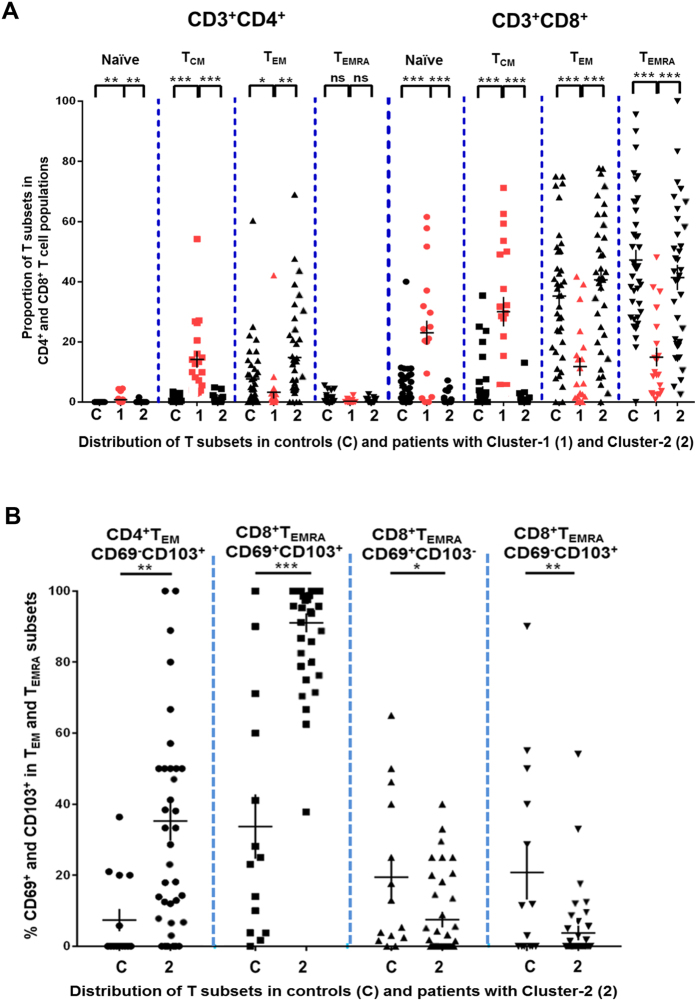
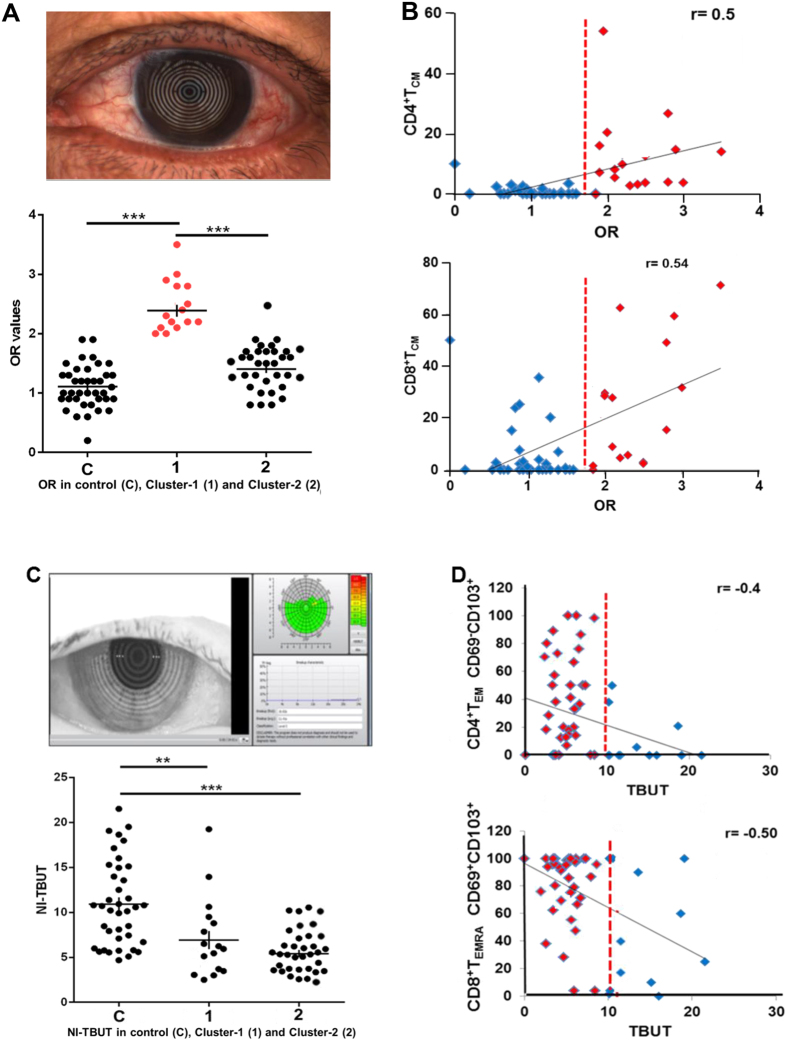
Non-recirculating resident memory (T) and recirculating T cells mount vigorous immune responses to both self and foreign antigens in barrier tissues like the skin, lung and gastrointestinal tract. Using impression cytology followed by flow cytometry we identified two T subsets and four recirculating T-subsets in the healthy human ocular surface. In dry eye disease, principal component analysis (PCA) revealed two clusters of patients with distinct T-cell signatures. Increased conjunctival central memory and naïve T cells characterized Cluster-1 patients, and increased CD8 Ts and CD4 recirculating memory T cells characterized Cluster-2 patients. Interestingly these T-cell signatures are associated with different clinical features: the first signature correlated with increased ocular redness, and the second with reduced tear break up times. These findings open the door to immune-based characterization of dry eye disease and T-subset specific immunotherapies to suppress T-subsets involved in disease. They may also help with patient stratification during clinical trials of immunomodulators.
非再循环驻留记忆 (T) 和再循环 T 细胞对皮肤、肺和胃肠道等屏障组织中的自身和外来抗原产生强烈的免疫反应。我们使用印迹细胞学结合流式细胞术,在健康的人眼表面鉴定出两种 T 细胞亚群和四种再循环 T 细胞亚群。在干眼症中,主成分分析 (PCA) 揭示了具有不同 T 细胞特征的两个患者群。集群 1 患者的特征是结膜中央记忆和幼稚 T 细胞增加,集群 2 患者的特征是 CD8 Ts 和 CD4 再循环记忆 T 细胞增加。有趣的是,这些 T 细胞特征与不同的临床特征相关:第一个特征与眼红眼增加相关,第二个特征与泪膜破裂时间减少相关。这些发现为干眼症的免疫特征分析以及针对参与疾病的 T 细胞亚群的特定免疫疗法开辟了道路。它们还可能有助于免疫调节剂临床试验中的患者分层。