Chang Hongjin, Xie Juan, Zhao Baozhou, Liu Botong, Xu Shuilin, Ren Na, Xie Xiaoji, Huang Ling, Huang Wei
Key Laboratory of Flexible Electronics (KLOFE) and Institute of Advanced Materials (IAM), Jiangsu National Synergistic Innovation Center for Advanced Materials (SICAM), Nanjing Tech University (NanjingTech), Nanjing 211816, China.
Key Laboratory for Organic Electronics and Information Displays and Institute of Advanced Materials (IAM), National Synergistic Innovation Center for Advanced Materials (SICAM), Nanjing University of Posts and Telecommunications, Nanjing 210023, China.
Nanomaterials (Basel). 2014 Dec 25;5(1):1-25. doi: 10.3390/nano5010001.
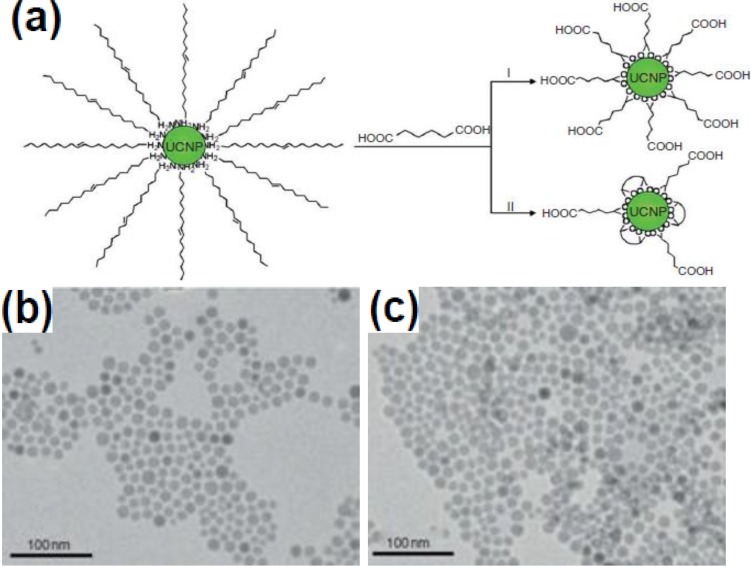
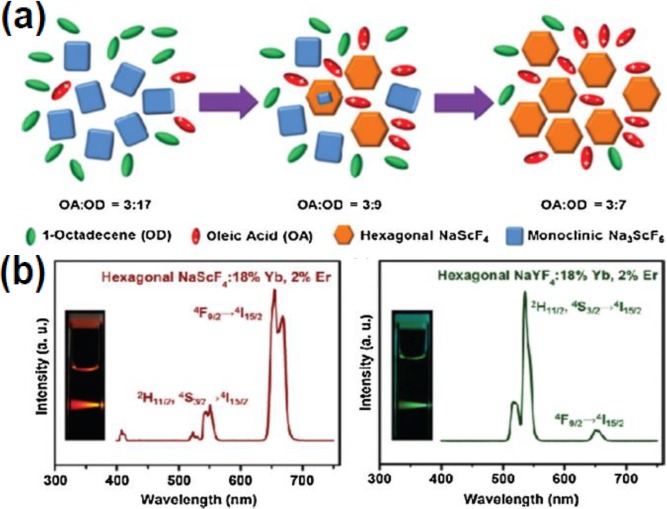
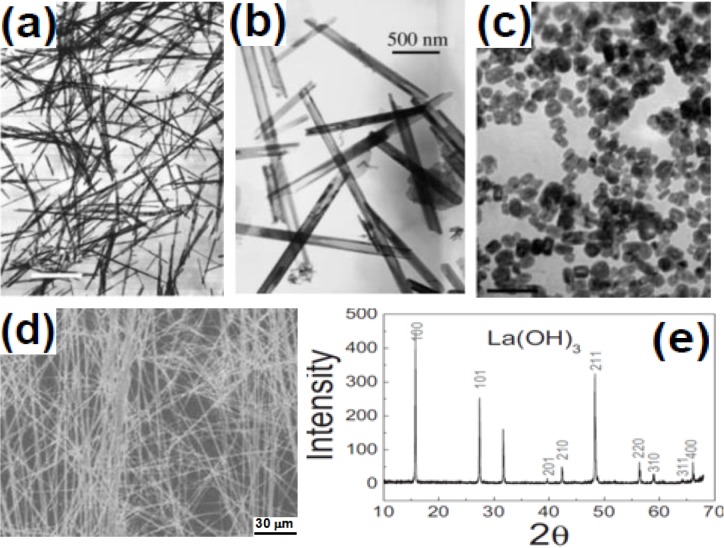
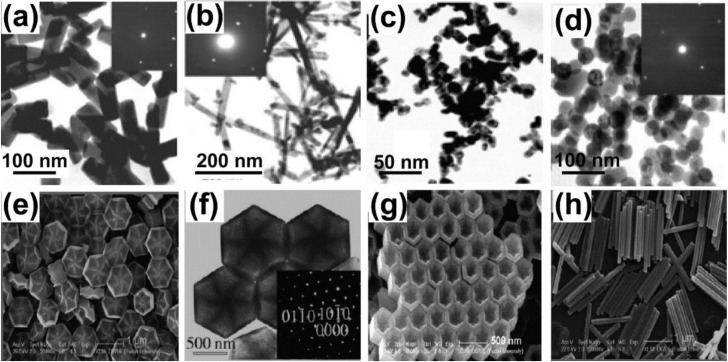
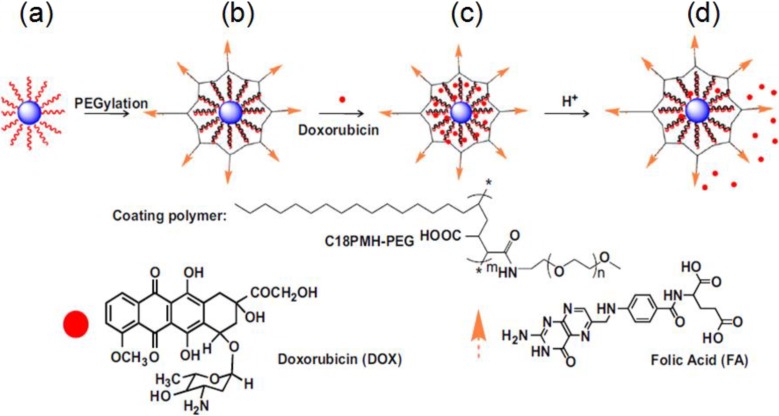
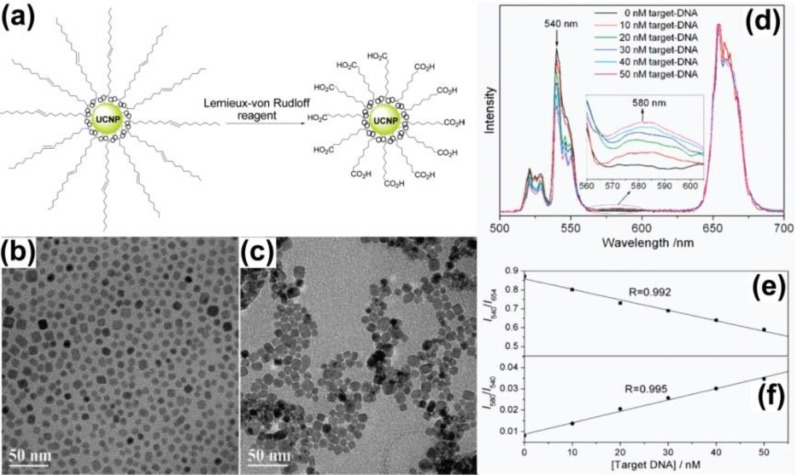
The unique luminescent properties exhibited by rare earth ion-doped upconversion nanocrystals (UCNPs), such as long lifetime, narrow emission line, high color purity, and high resistance to photobleaching, have made them widely used in many areas, including but not limited to high-resolution displays, new-generation information technology, optical communication, bioimaging, and therapy. However, the inherent upconversion luminescent properties of UCNPs are influenced by various parameters, including the size, shape, crystal structure, and chemical composition of the UCNPs, and even the chosen synthesis process and the surfactant molecules used. This review will provide a complete summary on the synthesis methods and the surface modification strategies of UCNPs reported so far. Firstly, we summarize the synthesis methodologies developed in the past decades, such as thermal decomposition, thermal coprecipitation, hydro/solvothermal, sol-gel, combustion, and microwave synthesis. In the second part, five main streams of surface modification strategies for converting hydrophobic UCNPs into hydrophilic ones are elaborated. Finally, we consider the likely directions of the future development and challenges of the synthesis and surface modification, such as the large-scale production and actual applications, stability, and so on, of the UCNPs.
稀土离子掺杂的上转换纳米晶体(UCNPs)所展现出的独特发光特性,如长寿命、窄发射线、高色纯度以及高抗光漂白性,使其在许多领域得到广泛应用,包括但不限于高分辨率显示器、新一代信息技术、光通信、生物成像和治疗。然而,UCNPs固有的上转换发光特性受到多种参数的影响,包括UCNPs的尺寸、形状、晶体结构和化学成分,甚至所选择的合成工艺以及使用的表面活性剂分子。本综述将对迄今为止报道的UCNPs的合成方法和表面改性策略进行全面总结。首先,我们总结过去几十年中开发的合成方法,如热分解、热共沉淀、水热/溶剂热、溶胶 - 凝胶、燃烧和微波合成。在第二部分,详细阐述了将疏水性UCNPs转化为亲水性UCNPs的五种主要表面改性策略。最后,我们考虑UCNPs合成与表面改性未来发展的可能方向和挑战,如大规模生产和实际应用、稳定性等。